PDD Is Bringing Temu Closer. Someone Has to Pay for the Stock.
Romania's postal service will handle Temu deliveries and returns for local sellers. Moving stock closer to the shopper only works if the merchant's economics survive the storage, the delivery and the returns.
 Vincent Jiangtwo-minute read
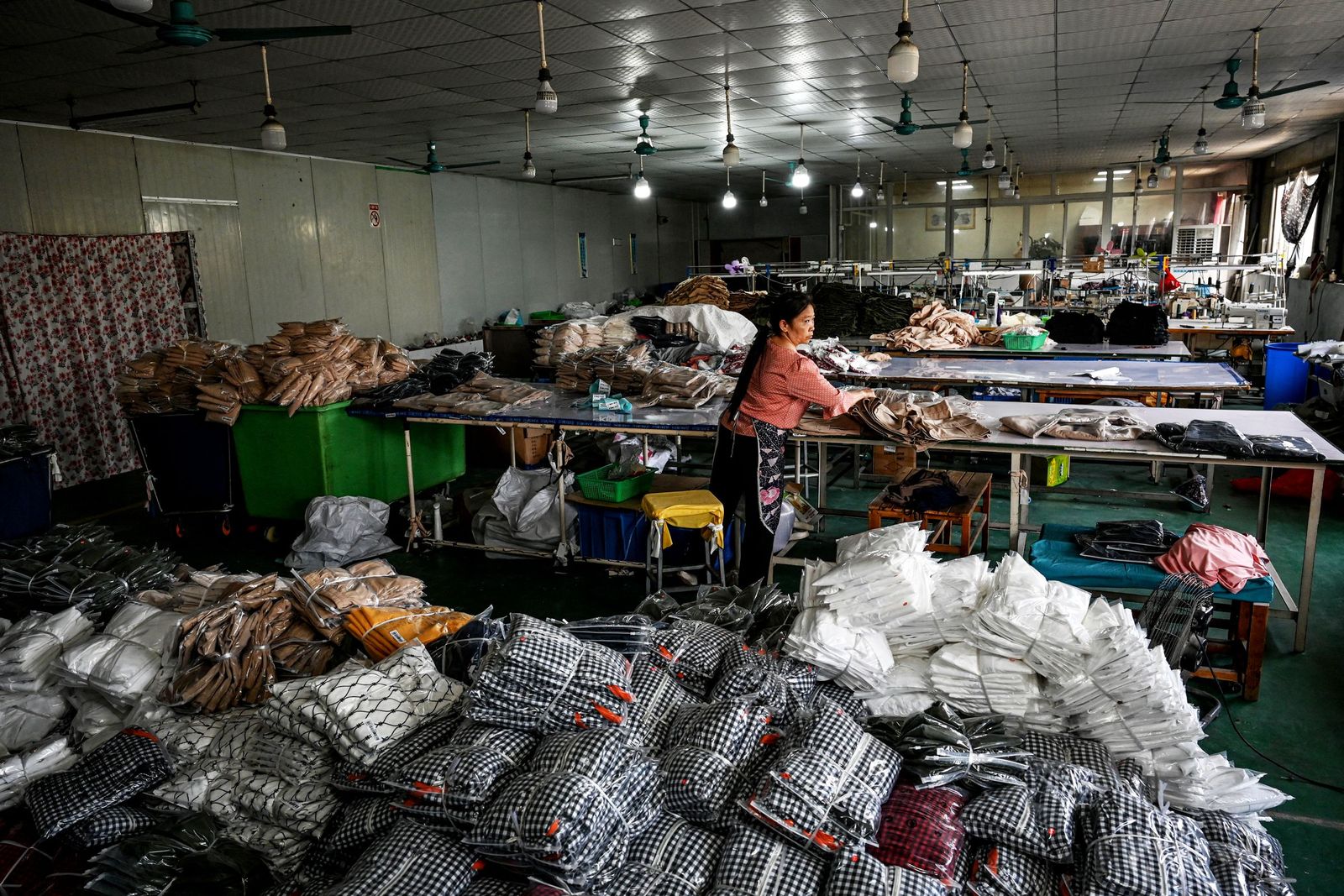
Poșta Română's director general, Valentin Ștefan, has agreed to handle deliveries and returns for local Temu sellers, under a partnership announced September 2.1
The tariff that made local stock necessary
That local parcel matters because, since July 1, the EU has imposed a temporary €3 customs duty per tariff category in qualifying small imported parcels. The seller or importer pays, adding cost before the customer opens the bag.2
But local stock needs financing before a customer clicks buy.
Temu's answer: get closer to the buyer
Temu already has a strategy for the border pressure: move more merchandise closer to the buyer. On August 24, parent PDD Holdings'−1.81% — PDD Holdings, down 1.81 percent today co-CEO Lei Chen said the company was accelerating local warehousing and recruiting local merchants. This extends an existing strategy: DHL−3.19% — DHL, down 3.19 percent today announced its support for local fulfillment in April 2025.3,4
Buying in bulk can lower transport costs and speed delivery, but it also requires choosing what will sell before the order arrives. Shopify's+0.41% — Shopify, up 0.41 percent today June 30 guide for US sellers describes bulk stocking and possible storage fees. The parcel travels faster because somebody committed working capital earlier.5
What the merchant now has to do
The merchant's job makes this concrete. Shopify's current Temu instructions require sellers to arrange fulfillment and answer return or refund requests within 24 hours. Miss that window and platform rules take over.6
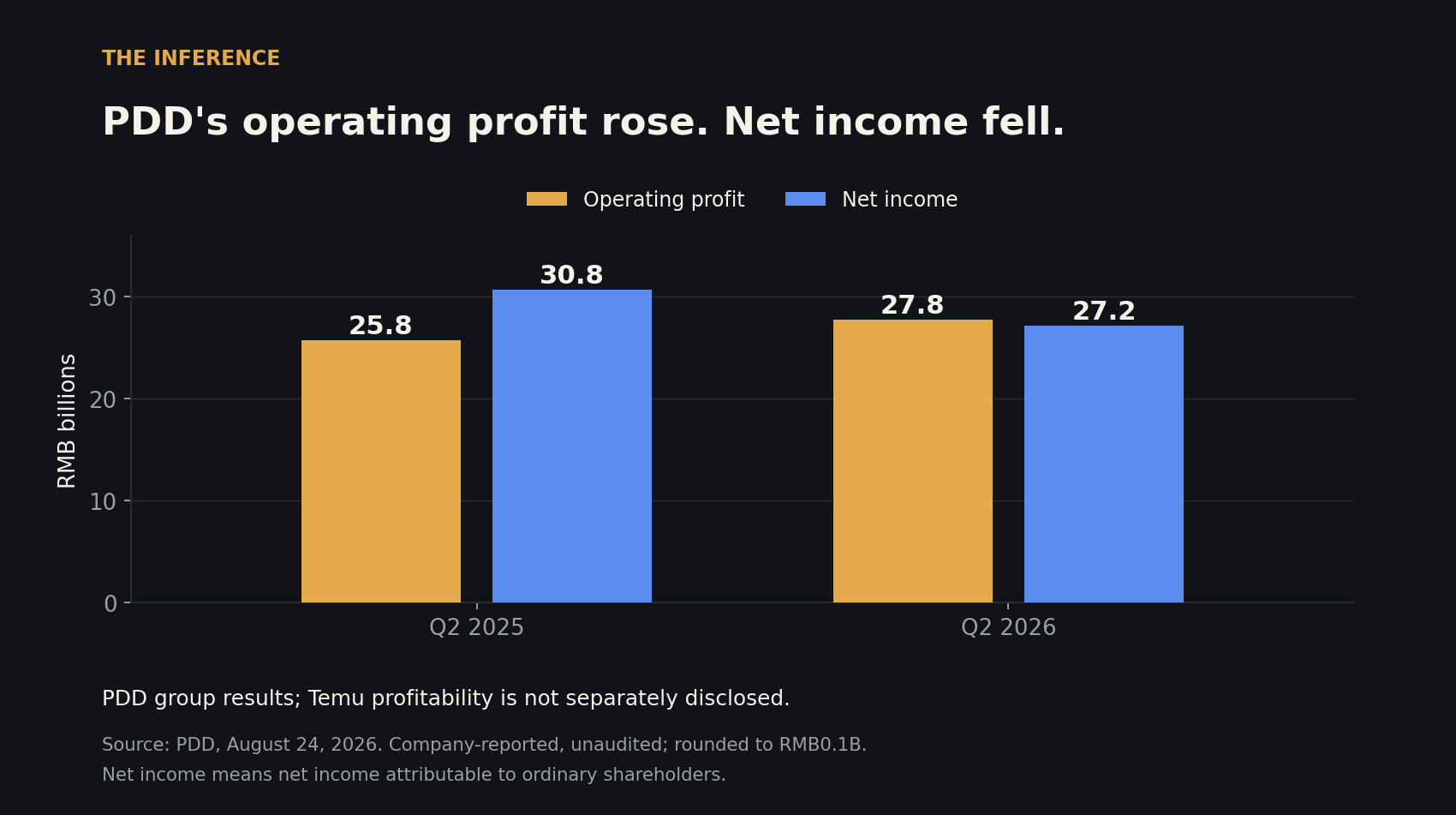
PDD has resources to support the transition. Its August 24 unaudited results show second-quarter operating profit rising while net income fell. The income statement includes a large non-operating loss, so attributing the profit decline entirely to warehouse spending would be wrong.7
The seller's margin is part of the platform's infrastructure.
The bull case: sellers already have the stock
The strongest bullish case is that local sellers already have the stock. Temu can bring them additional demand while logistics partners consolidate deliveries. ShipBob's~$1B — ShipBob, private, latest valuation ~$1B April 17, 2025 integration explicitly offered fulfillment from merchants' existing US inventory and warehouses. That can improve utilization without requiring every seller to build another supply chain.8
But the seller still needs enough profit after storage, delivery and returns to keep supplying the platform. Local fulfillment strengthens Temu only if the merchant's economics improve alongside the shopper's experience. PDD reports one operating segment, leaving Temu's separate profitability undisclosed.9
The next pressure point
The next pressure point is Europe's separate handling fee. On September 3, the Council approved a customs overhaul targeting its introduction by November 1, with Parliament's approval still expected and the amount still to be set. Investors should seek disclosure of merchant retention and profit per locally fulfilled order.10
Watch the fee decision, then who absorbs it.
Get Applications by email, free
How AI is changing the software people and companies use. In our daily email, every weekday.






Reader comments
0 comments