Philips pitches Azurion software while 3,000 of its cath lab systems sit on the FDA recall list
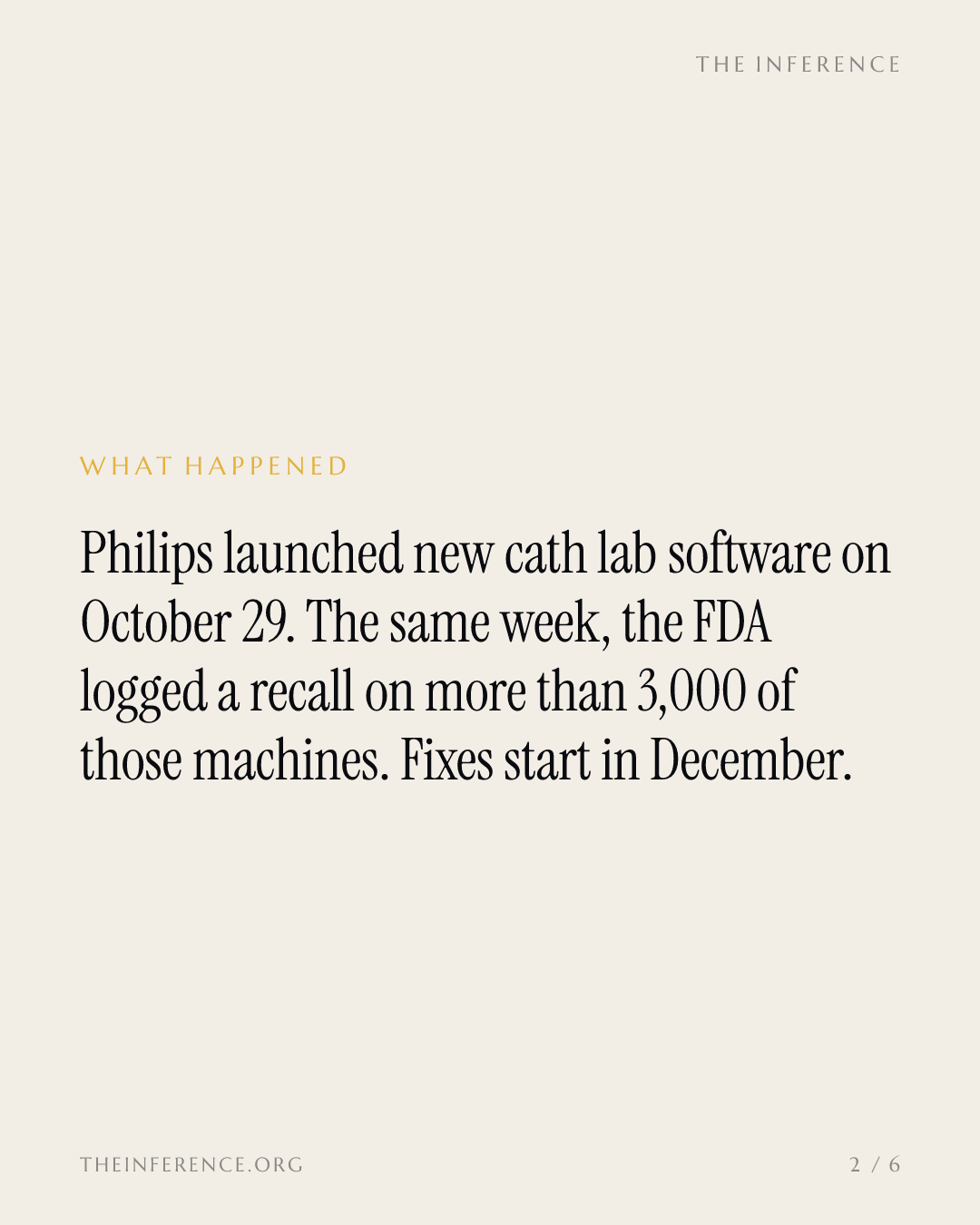
The same week Philips launched UniGuide 3D Live Guidance on Azurion, the FDA logged a Class 2 recall covering more than 3,000 Azurion systems over off-spec solid-state drives, with repairs starting in December. Q3 results land with earnings per share expected at 33 cents, and the service bill arrives in Q4.
 Vincent Jiang · 3 min read
Two headlines, one platform, one week
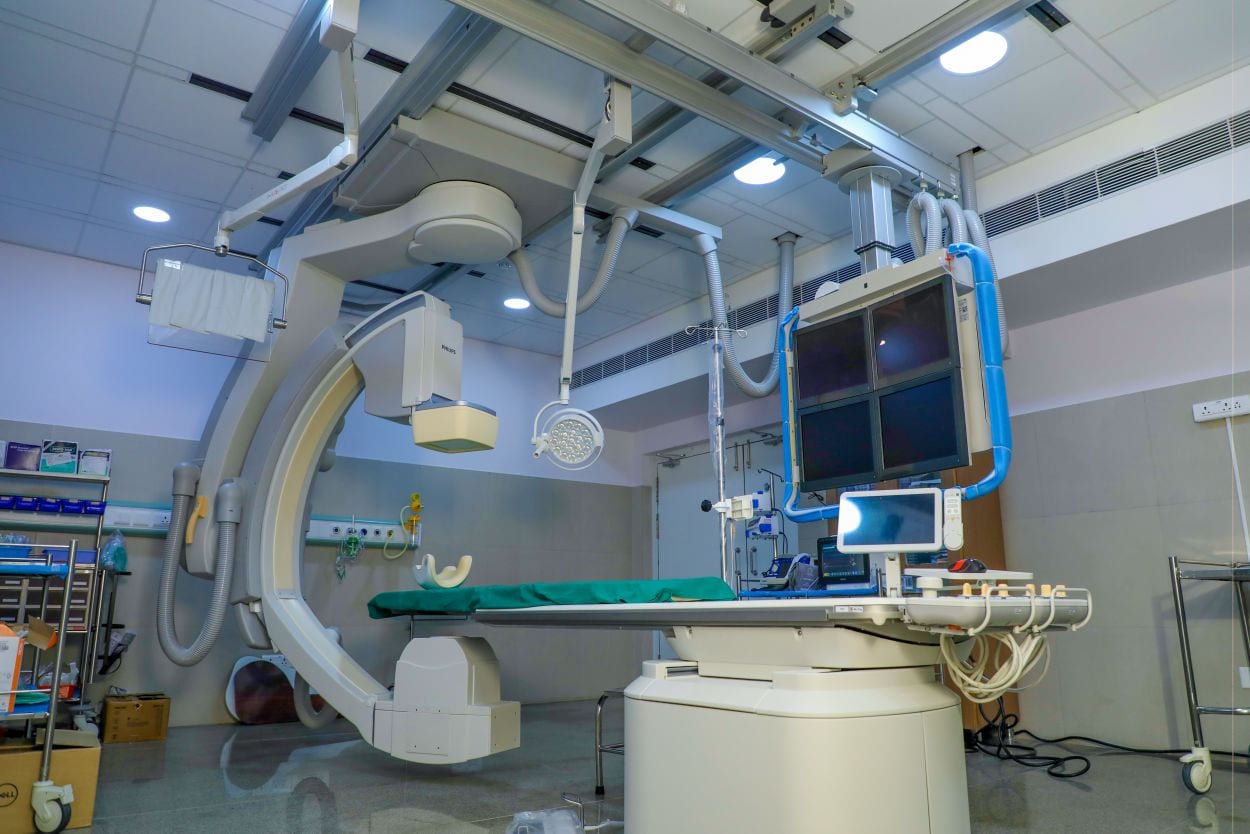
Philips−0.74% — Philips, down 0.74 percent as of its last quote, the Netherlands-based health-technology company, is selling hospitals a software story on Azurion, its flagship line of interventional fluoroscopy systems, the real-time X-ray machines used in the cath lab, the cardiac catheterization room where these procedures happen.
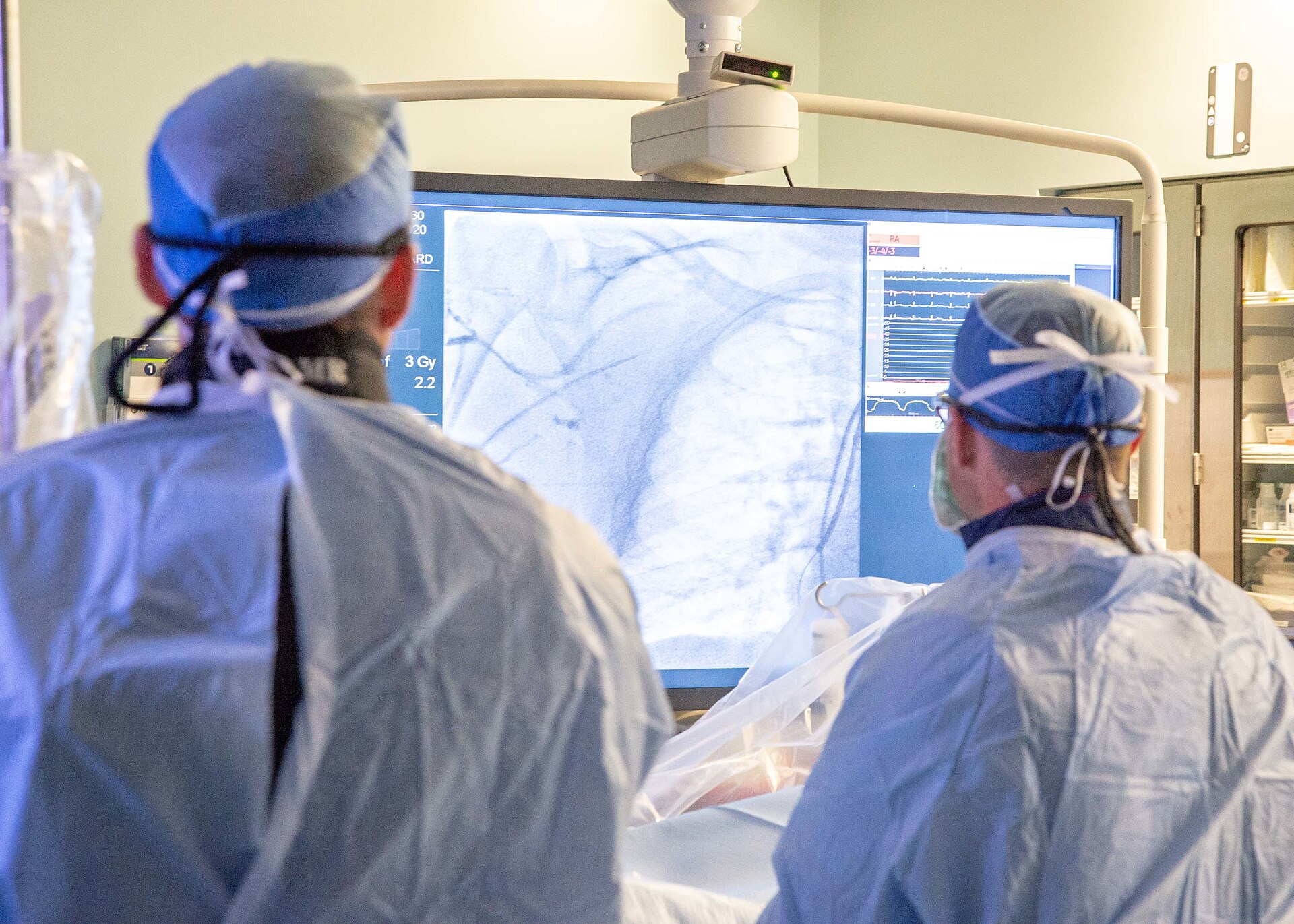
On October 29 it launched UniGuide 3D Live Guidance in Europe and other CE-marked markets, meaning approved for sale under the EU's CE conformity mark, a software layer that pulls pre-procedural CT planning into the live cath lab workflow 3. It is CE marked and on sale since October 23, built "on the foundation of the Philips Azurion platform." 3
Then the FDA log caught up
That same week, the FDA database logged a Class 2 recall on Azurion S, initiated by Philips Medical Systems Nederland on October 6, 2026 2. The cause, in the agency's words: solid-state drives "not specified in the Medical Device File may have been installed in various PCs," risking "loss of imaging functionality or motorized movement, a blank or black display, and/or the inability to store newly acquired images or access previously acquired images." 2 Trade press counted the fleet at more than 3,000 systems. 1
Third entry on the same fleet this year
This is the third FDA Class 2 event to touch the platform in 2026 145. On April 30 Philips initiated recall Z-2258-2026 over hard drives in Azurion and Allura PCs that "may show a decrease in performance as they age," which can cause loss of imaging functionality; the record lists 3,069 units, 872 in the United States, with drive replacement expected to start in September 2026. 4
In May, Radiology Business reported nearly 10,000 Allura and Azurion systems added to the FDA list over X-ray tube cooling hoses that can degrade and leak oil, with Philips replacing components from the first quarter of 2027. 5 The October SSD recall completes the set.
Keep using it, and the fixes start in December
The FDA record for the SSD action shows Philips told consignees the systems may continue in use under manual workarounds: handgrips and brake controls for repositioning, rotation only for floor-mounted systems. Philips "will inspect all systems in scope and replace SSDs," with implementation "in December 2026," and the record lists worldwide distribution. 2
Radiology Business reports Philips intends corrections to begin in December, with field representatives coordinating repairs. 1 The FDA's ledger is filed per model: the record fetched for one model, the Azurion S, lists a single unit, and the 3,000-plus total is Radiology Business's count across the family of records. 12
Three recall events hit Philips' fluoroscopy fleet in 2026
- Estimate
Data
| Value | |
|---|---|
| Cooling hoses, May (estimate) | 10,000 systems |
| Aging hard drives, Apr 30 | 3,069 systems |
| Off-spec SSDs, Oct 6 (estimate) | 3,000 systems |
Two readings of the same repair schedule
The benign reading: Class 2 recalls cover issues with the potential to cause harm where the probability of serious consequences is remote. 5 These are commodity storage parts, not the imaging chain itself, and replacing them is standard field service work. The harder reading: field engineers walking into thousands of cath labs from December, on the flagship platform Philips is asking hospitals to buy software onto, in the quarter its results land. Install pace and service margins are where that friction shows, if it shows.
What to watch when Q3 lands
Q3 results are imminent, with consensus at earnings per share of 33 cents expected. 6 Watch the service commentary and Q4 guidance for the December repair wave 12. Note what the launch release itself concedes: UniGuide is not available for sale in the United States, 3 so the FDA-listed American fleet sits outside the software story's first market. Philips gets the launch press coverage this week; the repair visits on the same machines start in December, and Q3 results will show whether they dent service margins or install pace 3.
Get Health by email, free
AI in medicine, pharma and biotech. In our daily email, every weekday.