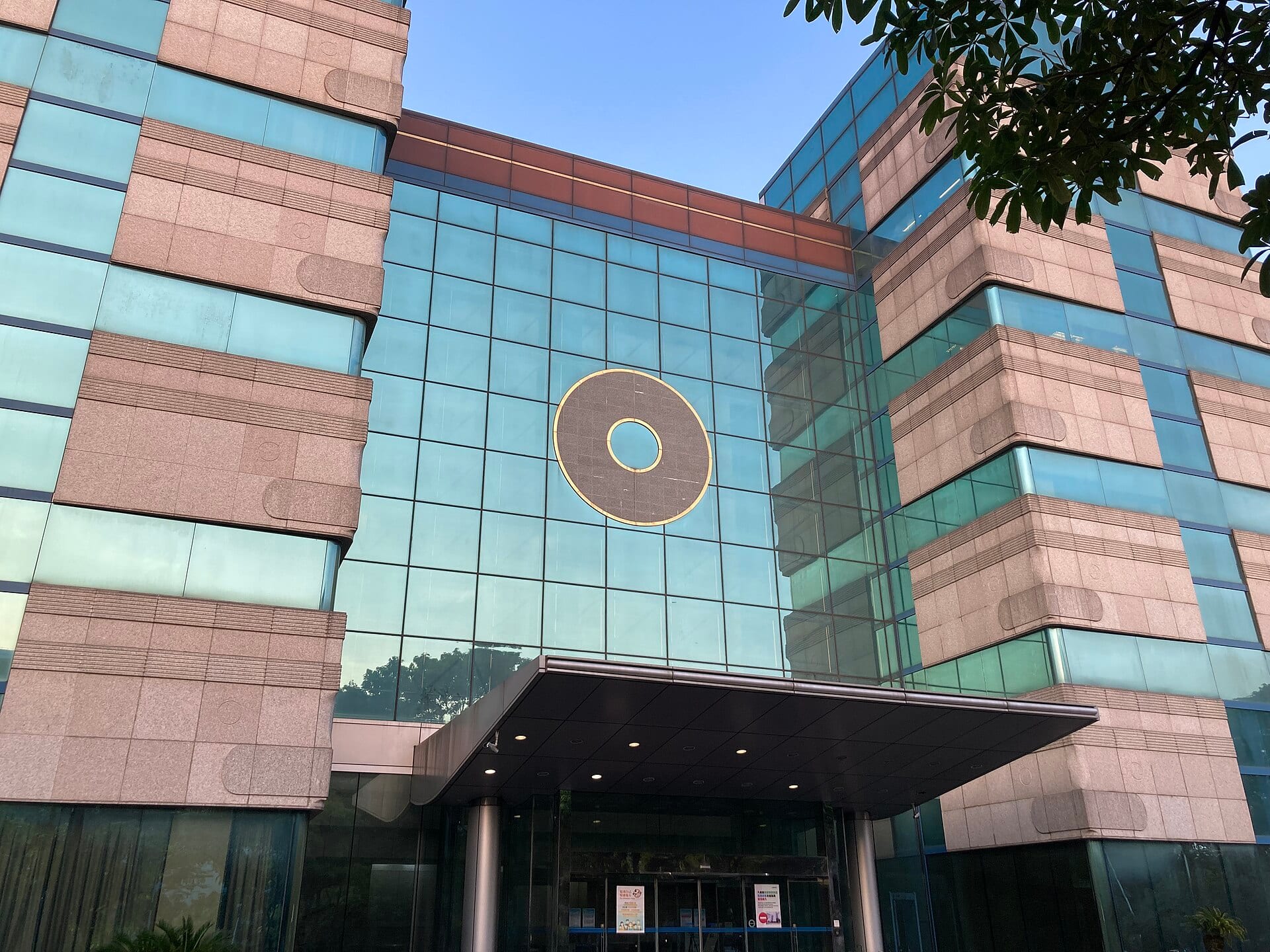
Powerchip won't promise its record sales continue as it sells its newest fab to Micron for $1.8 billion
The Taiwanese foundry told its exchange that a bullish revenue forecast was "media speculation" it would not comment on; three days later the shares fell 6.76% while chip peers rallied. The record numbers are real, and the company's refusal to promise they continue is the more telling fact.
 Richard Tang · 3 min read
The company just declined to underwrite its own boom
On October 12, Powerchip Semiconductor Manufacturing (PSMC), the Taiwanese foundry behind much of the island's mature-node, or older-generation, chip capacity, told the Taiwan Stock Exchange that a newspaper report expecting revenue to grow every quarter this year, with double-digit sequential gains, was "media speculation" it would not comment on 1. The filing confirmed only that the first three quarters had risen sequentially, "reflecting good industry conditions" 1.
Three days later its shares closed 6.76% lower, while UMC, Winbond and Macronix, three other Taiwan chipmakers, each rose five to six percent 1. Nothing in the day's record explains the divergence. What had changed was that the company had put distance between itself and the growth story its buyers were trading.
The record month is real, and mostly price
September net sales set a record at just over NT$7.6 billion, almost double a year earlier, and the company's filing names the causes: rising customer demand, higher volumes and price increases 12. Third-quarter revenue rose about 23% from the second 1, and the second quarter beat consensus on both revenue and earnings 3.
Every quarter of 2026 has set a record
Data
| Net sales | |
|---|---|
| Q1 2026 | NT$13.57bn |
| Q2 2026 | NT$17.29bn |
| Q3 2026 | NT$21.35bn |
The engine is price. PSMC is reported to be seeking rises of up to 40% on some products, as the power needs of AI servers push buyers of power-management chips and microcontrollers into capacity that TSMC−1.74% — TSMC, down 1.74 percent today, the world's largest contract chipmaker, has partly vacated 4. Chip designers say some customers have begun pulling orders forward to beat those hikes, and that this is not a broad recovery 5.
Revenue has climbed almost every month of 2026
Data
| Monthly net sales | |
|---|---|
| Jan | NT$4.62bn |
| Feb | NT$4.22bn |
| Mar | NT$4.73bn |
| Apr | NT$5.05bn |
| May | NT$5.77bn |
| Jun | NT$6.47bn |
| Jul | NT$6.67bn |
| Aug | NT$7.01bn |
| Sep | NT$7.67bn |
PSMC is selling the fab its boom came from
In March the company agreed to sell its Tongluo P5 fab, which it opened in 2024, to Micron+1.10% — Micron, up 1.10 percent today, the US memory company, for US$1.8 billion, with Micron expecting meaningful output of DRAM, the workhorse memory chip, from the site in the second half of 2027; PSMC also said it would phase out low-margin products 61.
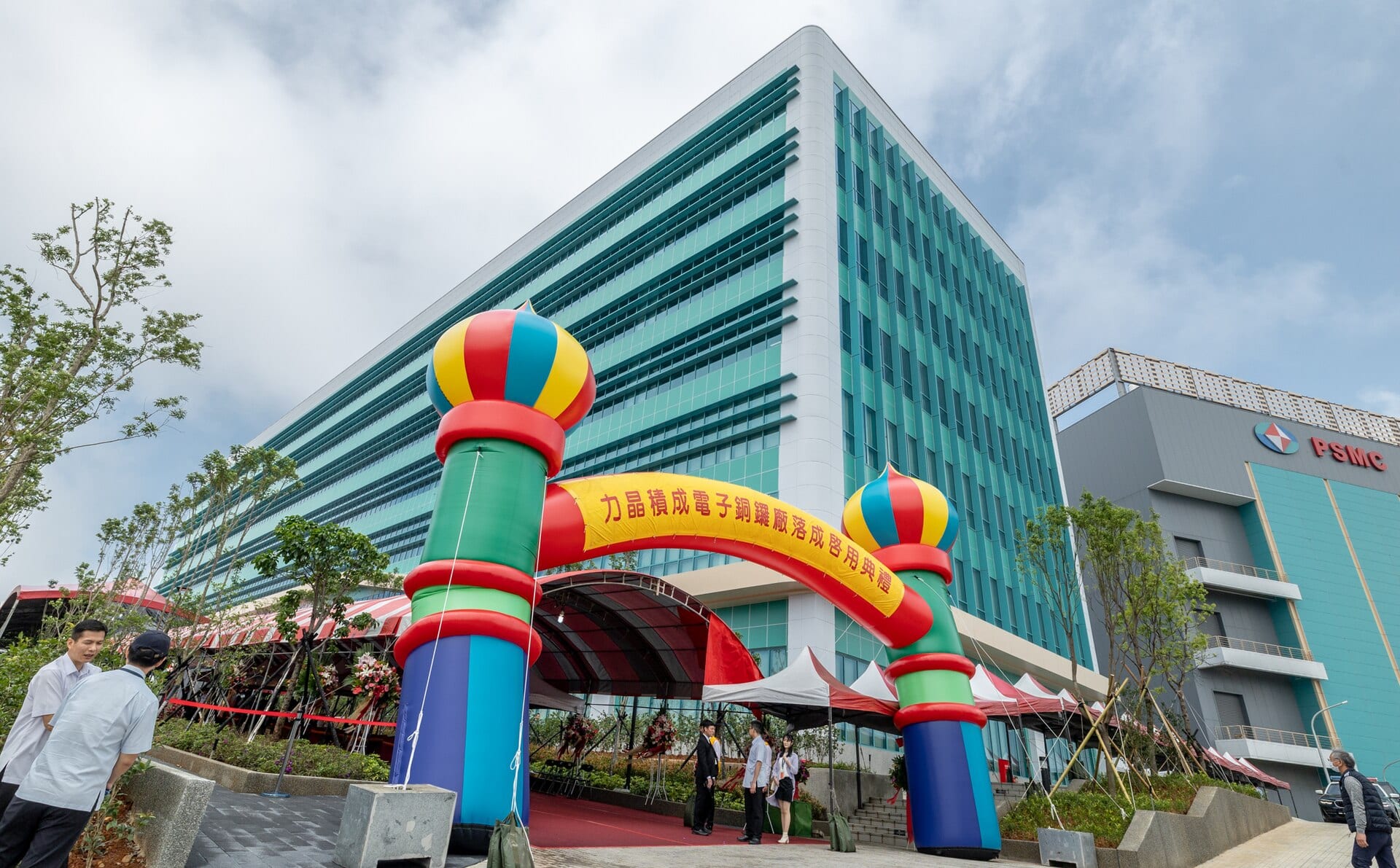
Its next new capacity is the Dholera fab it is building in India with the conglomerate Tata: 50,000 wafers a month across 28 to 110-nanometre processes, with production not expected before 2028 7. Micron, meanwhile, collects the memory shortage PSMC is walking away from, which Taiwan's memory industry expects to last into 2027 1.
Analysts still price the growth Powerchip won't promise
Five analysts rate the stock a Buy, with an average target of NT$99.72 against the NT$66.20 close 81. Foreign investors made PSMC their biggest net purchase on the Taiwan exchange on August 31, and on September 18 only an actively managed ETF drew more of their money 1.
That target needs exactly what the company declined to say: that the prices hold. When customers buy early to beat a rise, this quarter's revenue is partly next quarter's, arrived ahead of schedule. Third-quarter results were due on October 14, the day before the shares fell; what they say about price rather than volume is the marker to watch 3.
By selling its newest fab into the peak, Powerchip is behaving like a company that expects the cycle to turn. The bulls are underwriting a boom its own management refused to promise.
Deepdive
AI-generated from this story and its cited sources. Not investment advice.