Qualcomm pays Huawei for the first time in 25 years, and the real bill lands on ASML
After 25 years of paying Qualcomm, Huawei now collects: the October 5 cross-license makes Qualcomm the net payer and covers LogicFolding, the chipmaking method Huawei built to advance without ASML's EUV machines. ASML's China business, down to 14 percent of system sales, is where the exposure lands.
 Vincent Jiang · 3 min read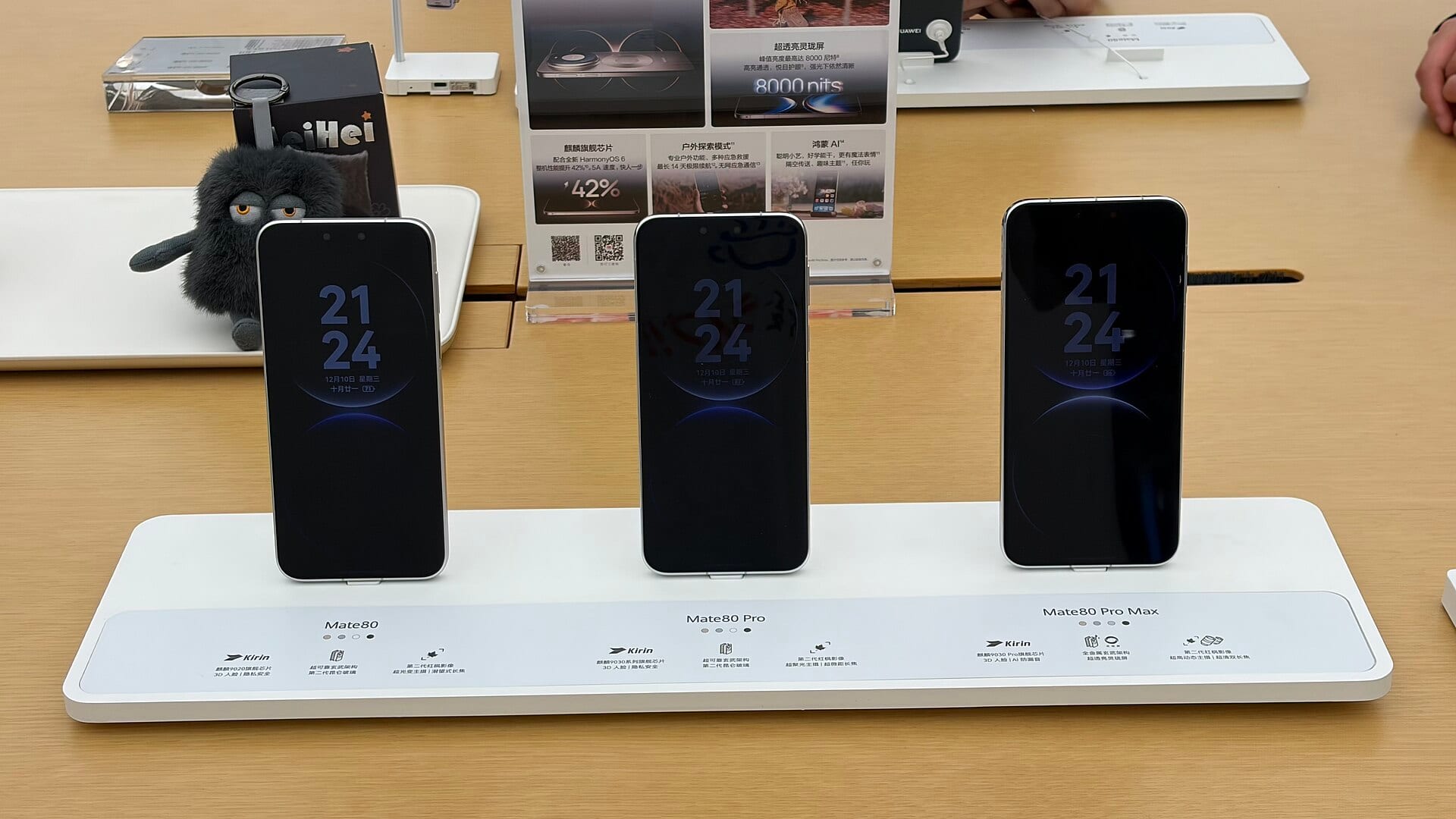
On October 5, 2026, the direction of a 25-year licensing relationship reversed 12. Under a multiyear cross-license spanning 5G devices, AI services and co-packaged optics, Qualcomm became the net payer to Huawei for the first time, with rights to more than 680 Huawei patents 12. Huawei had written the checks since 2001, including $1.8 billion in back fees to settle their last dispute in 2020 2.
A floor above $133.9 million
Neither side named a price 12. The deal still clears the $133.9 million Hart-Scott-Rodino threshold and sits with the FTC for review, which puts a floor under what San Diego now pays the company it spent two decades collecting from 12. Huawei expects its whole licensing book to pass $6.9 billion once this deal closes, on more than 260 agreements with Samsung, Nokia, Amazon and HP 2.
The license is the machine Huawei could not buy
The rights include LogicFolding, the architecture Huawei unveiled months ago to lift performance and narrow the gap with TSMC by moving data faster, because China cannot buy ASML's EUV scanners 1. It already ships in the Kirin 9050 and 9050 Pro processors inside the Mate XT 2, with Huawei claiming transistors roughly 55 percent denser 26. Seven years under US trade restrictions 2 produced a working substitute for the machines the controls keep out, and an American chip leader is now paying royalties on it 1.
343 scanners, already paid for
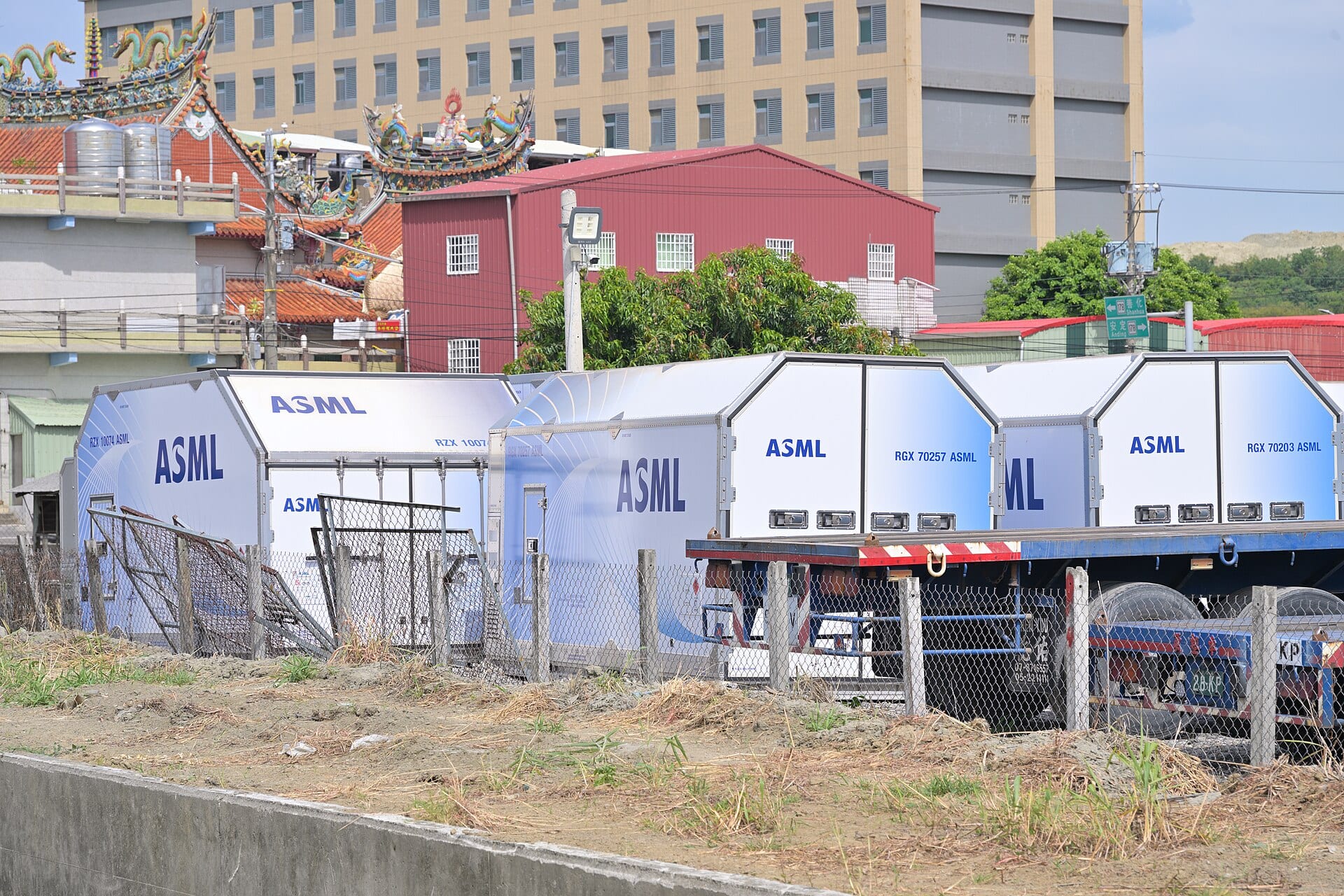
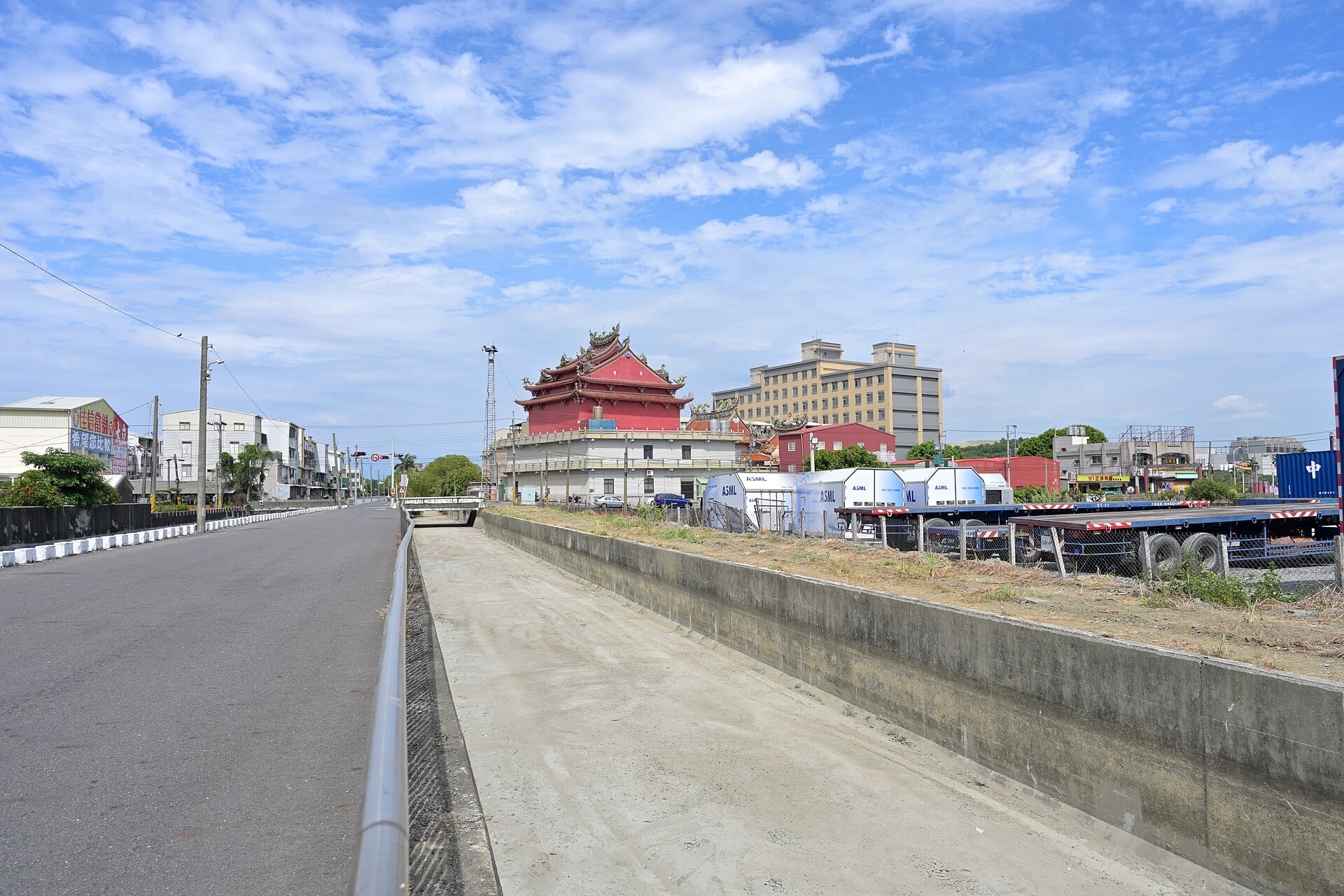
That bypass runs beside a stockpile The Inference counted on October 4 9. A late-September report from the Center for Technology and Statecraft tallies 343 immersion DUV systems inside Chinese-owned fabs by early 2026, about 270 of them ASML NXT:1980i scanners that multipatterning can push to 7nm-class chips 43. Chinese buyers spent more than $13 billion on roughly 90 systems in 2024 and 89 in 2025, about 70 percent of ASML's entire immersion output in those two years 43. China's slice of ASML's machine sales has fallen ever since 47.
China's slice of ASML system sales collapsed from 41% to 14%
Data
| China share of ASML net system sales | |
|---|---|
| 2024 | 41% |
| 2025 | 33% |
| Q1 2026 | 19% |
| Q2 2026 | 14% |
The other 86 percent is booming
The squeeze on ASML has a legislative edge. The MATCH Act, cleared 44 to 0 by the House Foreign Affairs Committee in April, would require ASML to obtain a license to service the tools it has already installed in China 5. Bank of America puts a full cutoff at 14 to 15 percent of revenue and 16 to 17 percent of operating profit 5. No Senate markup had been scheduled as of September 9 5.
The offsets are large. ASML raised 2026 guidance to €43 billion to €45 billion on July 15 and still guides China at about 20 percent of full-year sales 7. Installed-base management brought in €2.76 billion in the second quarter alone, and CFO Roger Dassen says the shrinking China share tracks Dutch export licensing, not demand 5. Intel has just started production on High NA EUV machines that cost more than €350 million each 7.
What decides it
Two readings settle the ASML question: the Senate Banking calendar for the MATCH companion bill, and the China line in ASML's next quarterly report 5. Both branches of the Washington vote cap the China book. Pass the ban and the service annuity on 343 installed tools runs toward zero 45. Block it, and a US-validated bypass running beside 270 seven-nanometre-capable scanners says China's EUV-class orders never had to be placed 14. Whether those orders ever come back is a question no document answers. Either way, the order book was spent in advance.
Deepdive
AI-generated from this story and its cited sources. Not investment advice.