Robinhood's retail fund now holds a stake in a munitions maker fielded in Ukraine
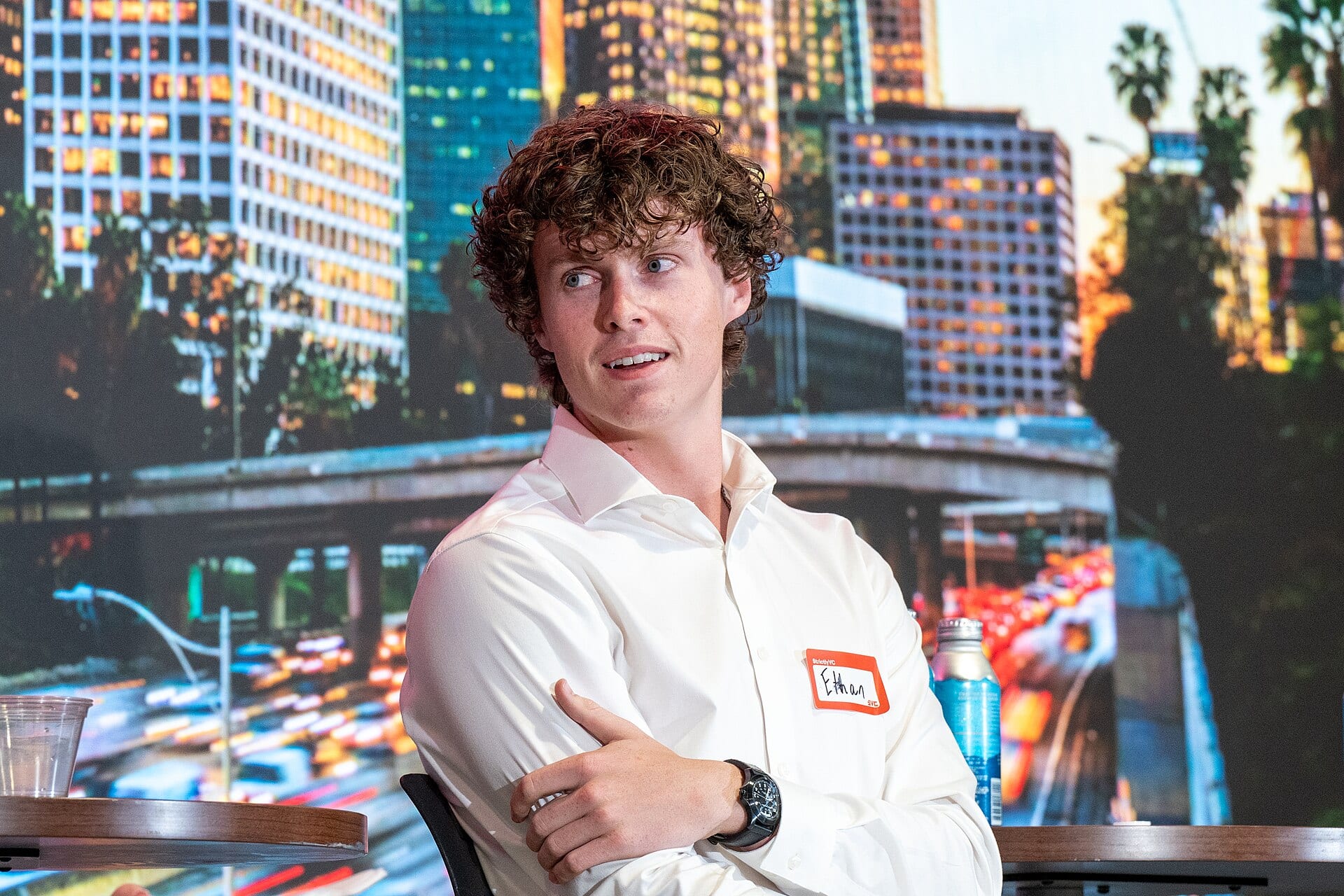
Isengard Industries closed its seed round on October 13, eleven days after a NYSE-listed Robinhood fund named it among 46 Y Combinator startups it backs. Retail shareholders now hold a thin slice of a company that says its weapons are already in use against Russian forces.
 Vincent Jiang · 3 min read
The seed round closed at 19:55 UTC
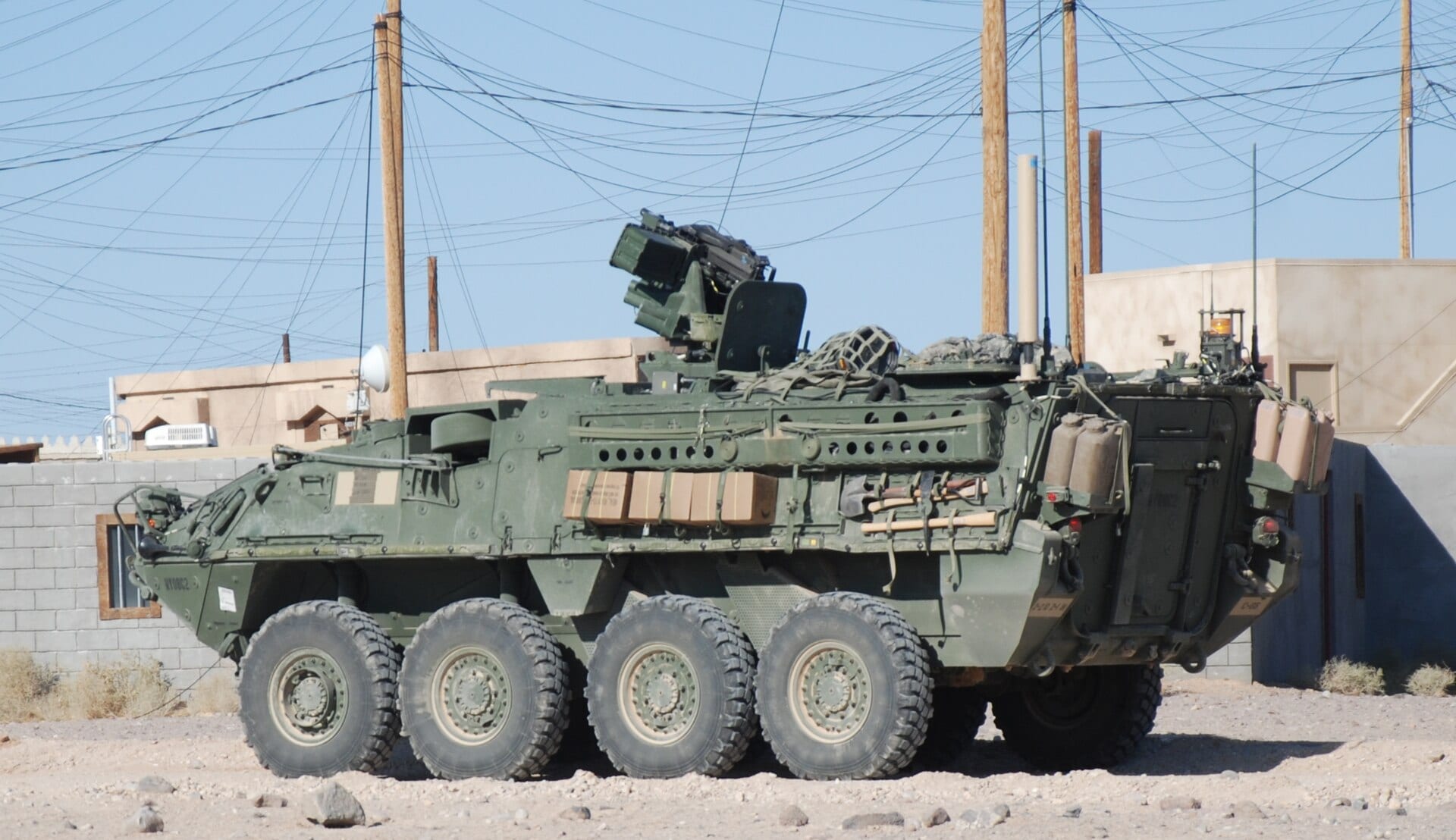
At 19:55 UTC on October 13, 2026, the website of Isengard Industries flipped its banner to "seed round closed" 1. The St. Petersburg, Florida company builds AI-guided strike drones and precision munitions, and its chief executive, Francisco Serra-Martins, is a former Australian Army combat engineer who co-founded one of Ukraine's largest deep-strike drone firms 12. Three of its five aircraft sit at TRL 9, the top rung of the technology-readiness scale: qualified, fielded and, the company says, in use against Russian forces 1.
Retail money is on the cap table
Backers named on the site are Y Combinator, the startup accelerator, plus Backswing Ventures, Sterling Road, A3 Management Group and Serra-de Estrela Investments; Backswing announced its participation on August 4 134. The name that changes the story arrived on October 2. Robinhood+1.19% — Robinhood, up 1.19 percent today Ventures Fund II, a NYSE-listed fund run by the brokerage Robinhood that launched with about $225.5 million in August at $25 a share, disclosed $15.75 million across 46 Y Combinator Summer 2026 startups, in checks of $100,000 to $600,000, Isengard among them 56. Anyone holding RVII shares now holds a piece of a munitions maker already in combat. At the top of that range, the check is about a quarter of one percent of the fund.
Priced as the batch's exception
Two investors told TechCrunch that Isengard drew one of the loftiest valuations in a batch otherwise priced "far more grounded" than recent cohorts, on $10 million of revenue already booked 2. Tampa Bay's wider market cooled around it: third-quarter venture deal flow slipped to $170 million 7. Serra-Martins states the wager in one line: "War is won in the factory as much as at the front" 3.
The receipts, and what stays withheld
Two production cells build today, 10,127 square feet in St. Petersburg and 8,073 in Warsaw, against a planned 3,000 airframes a month that the company itself labels a target, not current output 1. Named end users include Ukraine's 3rd Assault Brigade and 28th Airborne, the Ukrainian intelligence community, and a U.S. Army IDIQ, an indefinite-delivery contract whose program details are withheld 1.
Both sides of a 500-company war market
Ukraine counts more than 500 drone firms, and the field is consolidating. Swarmer, an Austin-based drone-software company founded in Ukraine, signed a September 9 agreement to buy ground-robot maker Ratel Robotics for up to $224 million 8. Serra-Martins sits on the buying side too: a business he owns recently acquired a Ukrainian drone company 8. Kyiv's Airlogix is in talks to raise $100 million at over $2 billion 9.
Robinhood's whole YC batch is pocket change beside one drone deal
- Estimate
Data
| Value | |
|---|---|
| RVII batch, 46 startups | $15.75M |
| Airlogix round, in talks (estimate) | $100M |
| Swarmer-Ratel cap, if closed (estimate) | $224M |
| Airlogix valuation, in talks (estimate) | $2,000M |
The tell is output, not valuation
Isengard's valuation stays private, and RVII does not break out its check. What prices this company is monthly output from the two cells, still a target. The fourth quarter brings Swarmer's closing window, Airlogix's round, and the first test of whether "weapons of mass production" is a rate card or a slogan.
Deepdive
AI-generated from this story and its cited sources. Not investment advice.