Robotaxi Firms Are Buying Up the Garages Before the Votes
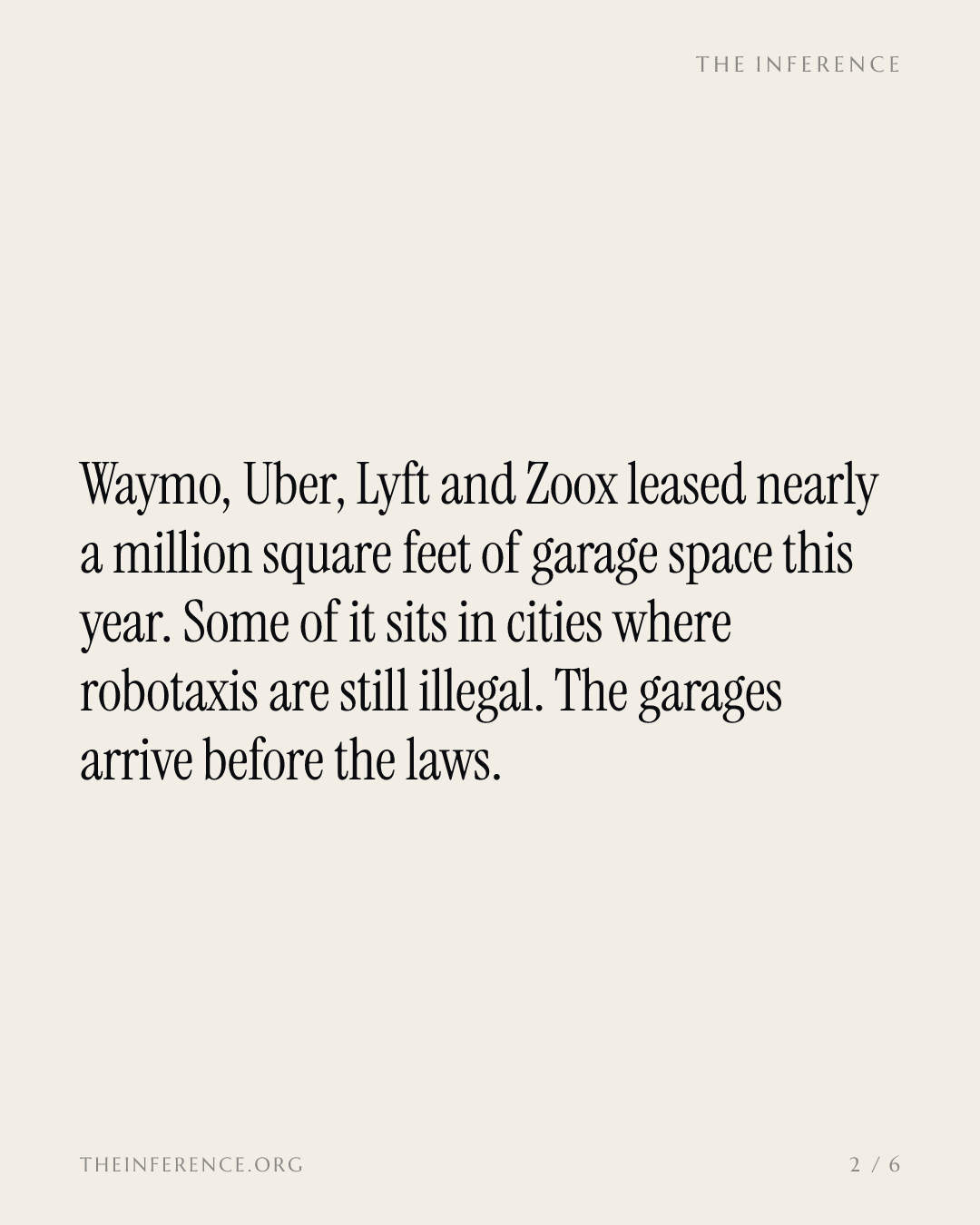
Waymo, Uber, Lyft and Zoox signed leases for nearly 1M SF of industrial space in 2026 alone, some of it in cities that have not legalized driverless rides. The choke point is not the concrete; it is the power queue, the council vote and the trust.
 Vincent Jiang · 3 min read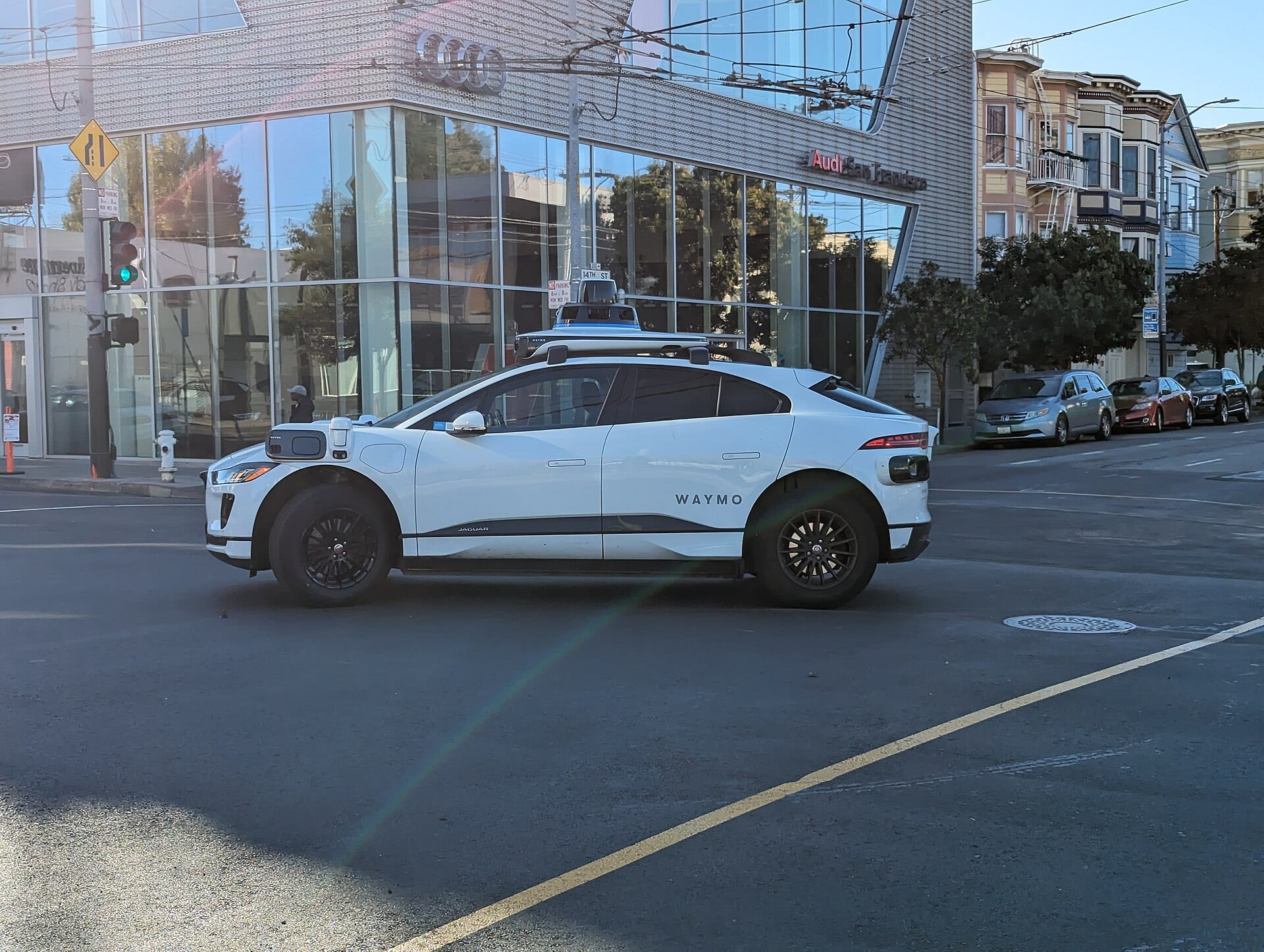
The leases are outrunning the laws
Robotaxi operators are signing depot leases faster than city councils pass laws. This year alone, Lyft, Uber, Waymo and Zoox took nearly 1M SF of industrial space to store, clean, charge and repair fleets, against a combined 830K SF across all of 2022 through 2025, in single-source Cushman & Wakefield figures reported by Bisnow on 28 September 2026 1. Tenants keep their names off the deals, brokers say, so landlords do not raise rents and opponents do not mobilize 1.
The leases reach cities where none of the four can operate
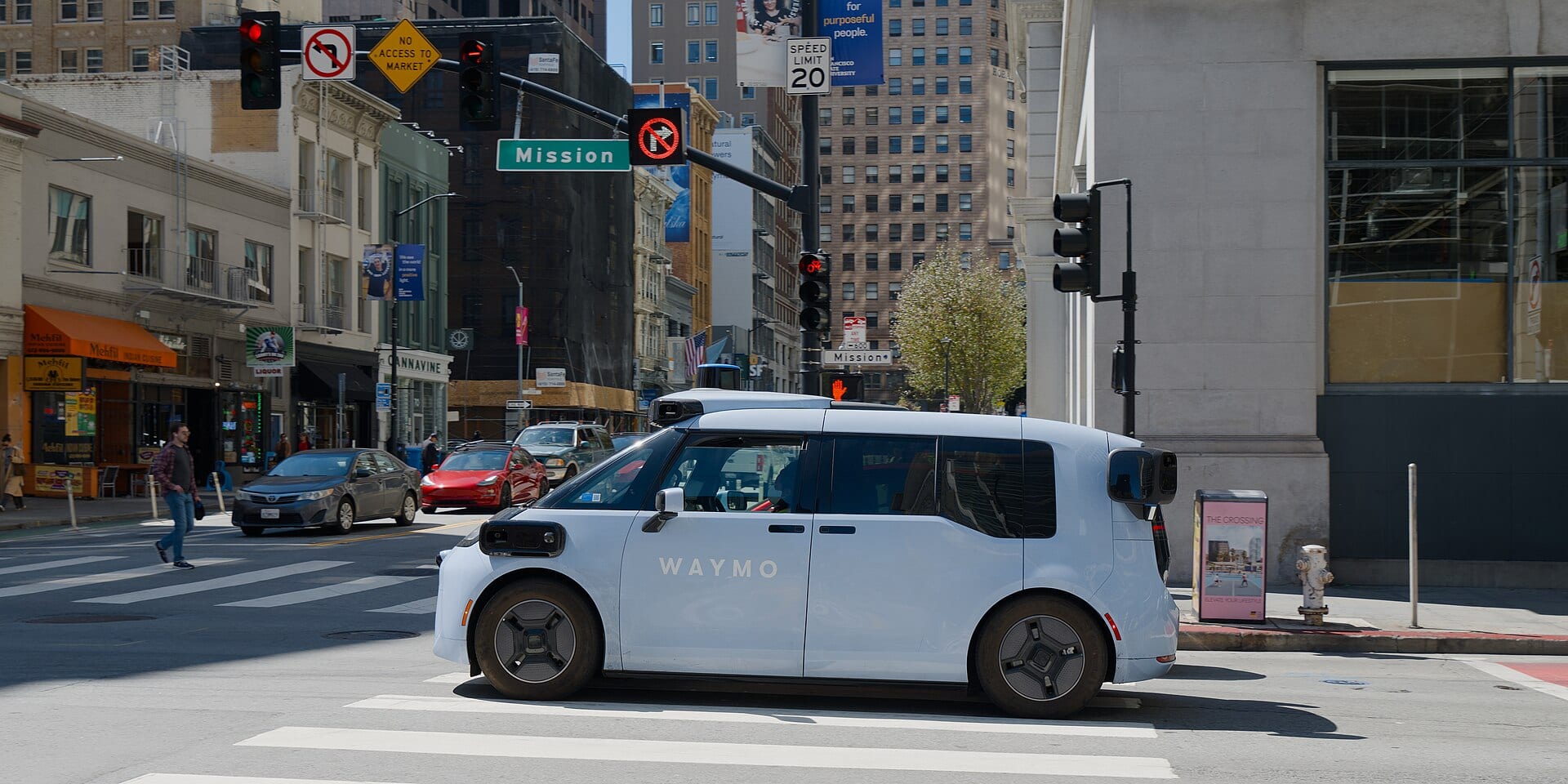
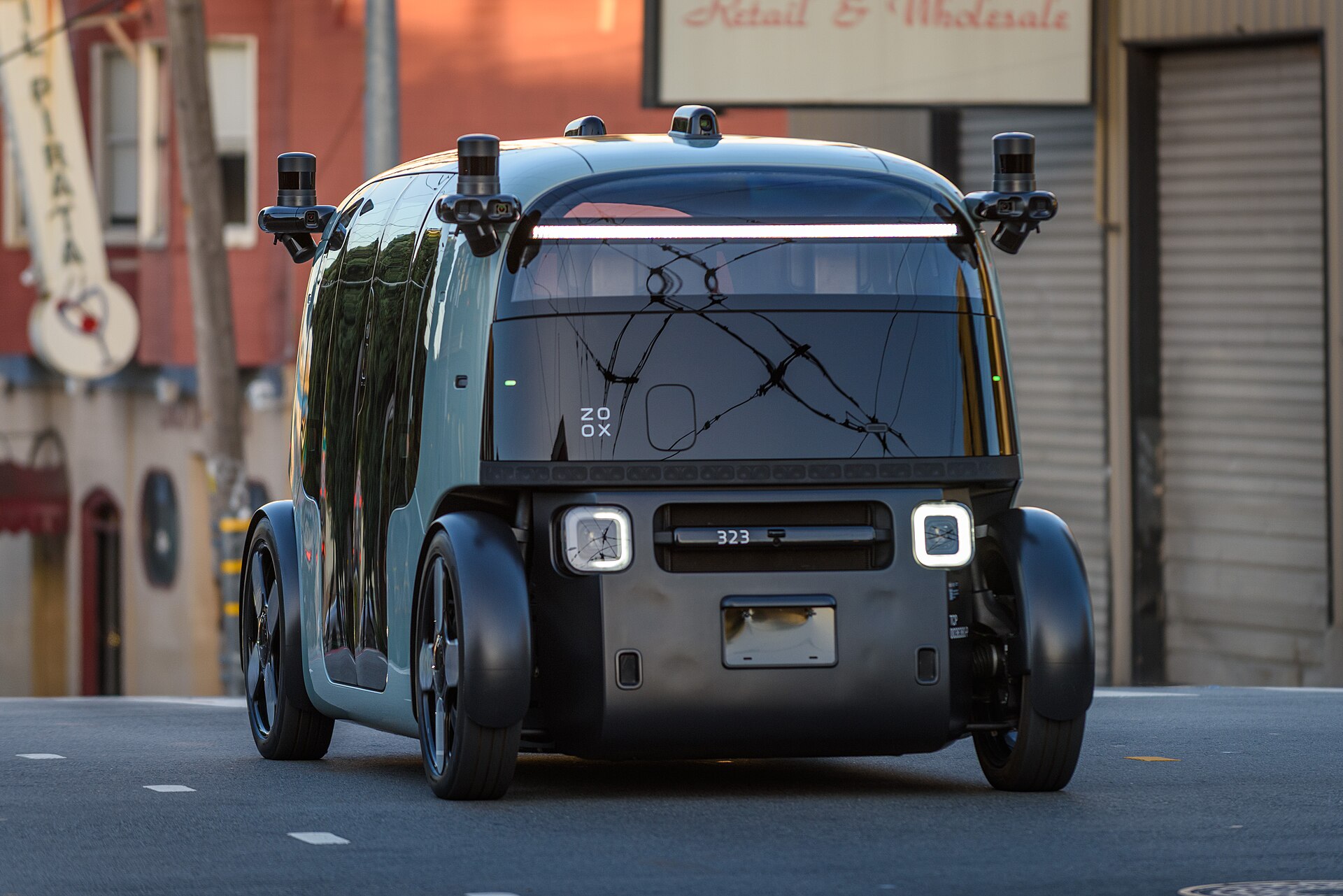
The leasing has not stayed inside legal markets. Operators are hunting 50K to 100K SF in Long Island City and the South Bronx, where none of the four can legally operate 18. The named 2026 deals add up to 196K SF: Lyft's FlexDrive broke ground in April on an 80K SF Waymo depot near Nashville's airport 5; Uber holds a 50K SF Houston depot with a dedicated charging pit stop ahead of a mid-2027 launch 7; Zoox signed 34K SF in Hayward, beside its 219K SF plant (single-source) 1; and Waymo is building a 32K SF service center in Northeast Washington, across from a Metrobus depot 2.
Four named depot deals of 2026 total 196K SF; Waymo's is where no fare can start before 2028
Data
| Value | |
|---|---|
| Lyft FlexDrive, Nashville | 80K SF |
| Uber, Houston | 50K SF |
| Zoox, Hayward | 34K SF |
| Waymo, Washington D.C. | 32K SF |
Waymo's pitch: tens of millions and hundreds of jobs
Waymo told the D.C. Council it has "committed tens of millions of dollars" to service centers in Wards 5 and 7, and that its local workforce will grow from dozens to hundreds 3. In Nashville, roughly 70 depot workers, about half of them former Lyft drivers, charge and wipe down the cars two to three times a day 6. The cars cannot clean themselves.
The other side calls it a job killer
"It's a job killer. Make no mistake about it," SEIU Local 32BJ's Jaime Contreras testified at a 13 July 2026 hearing that drew 81 witnesses across 17 panels 34. New York has already ruled: Mayor Zohran Mamdani let Waymo's testing permit lapse on 31 March 2026, and Governor Kathy Hochul pulled a statewide pilot proposal a month after proposing it 8. Religious groups and unions plan a 6 October 2026 rally against the D.C. bill (single-source) 1.
The choke point is the power queue
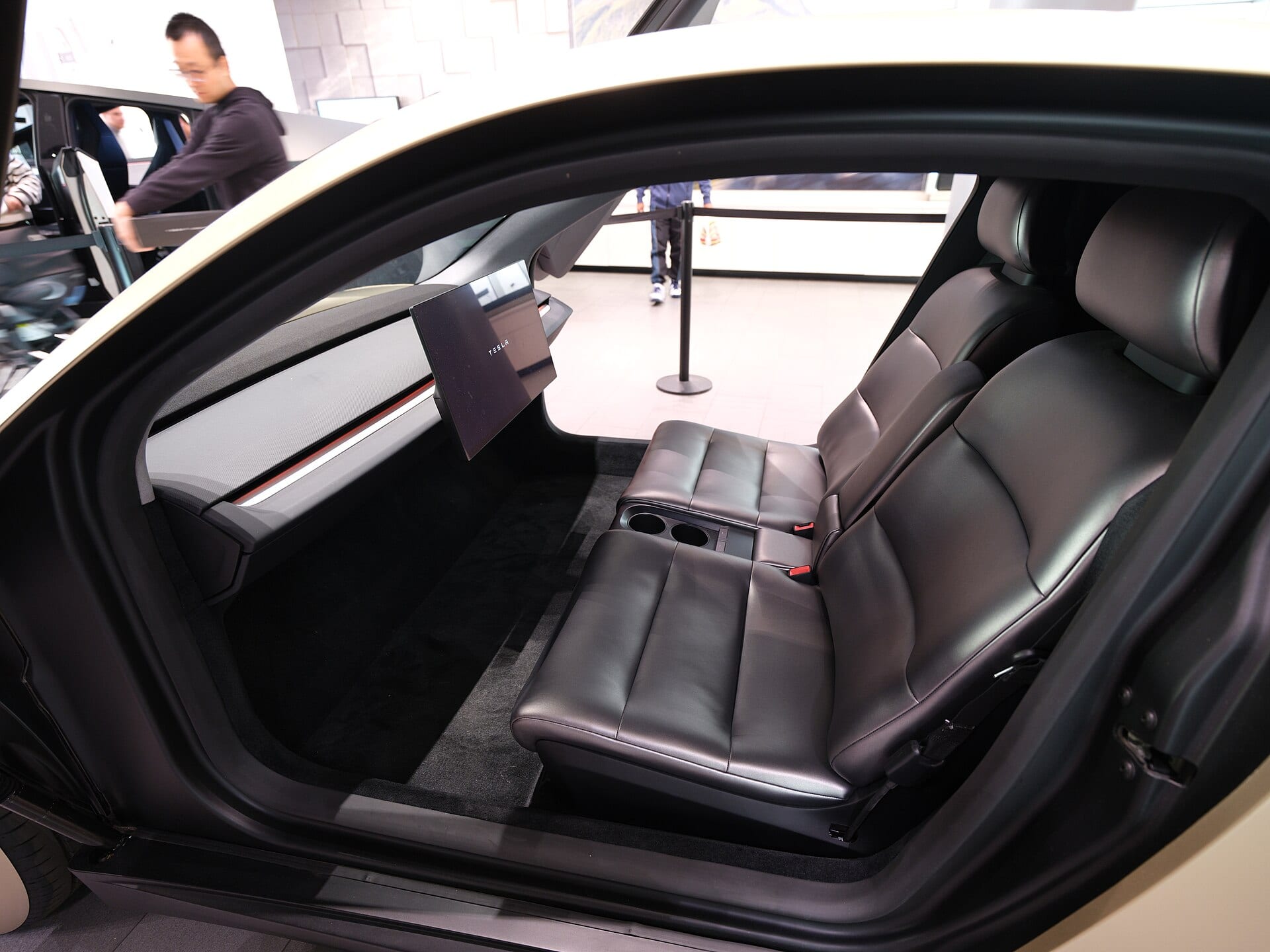
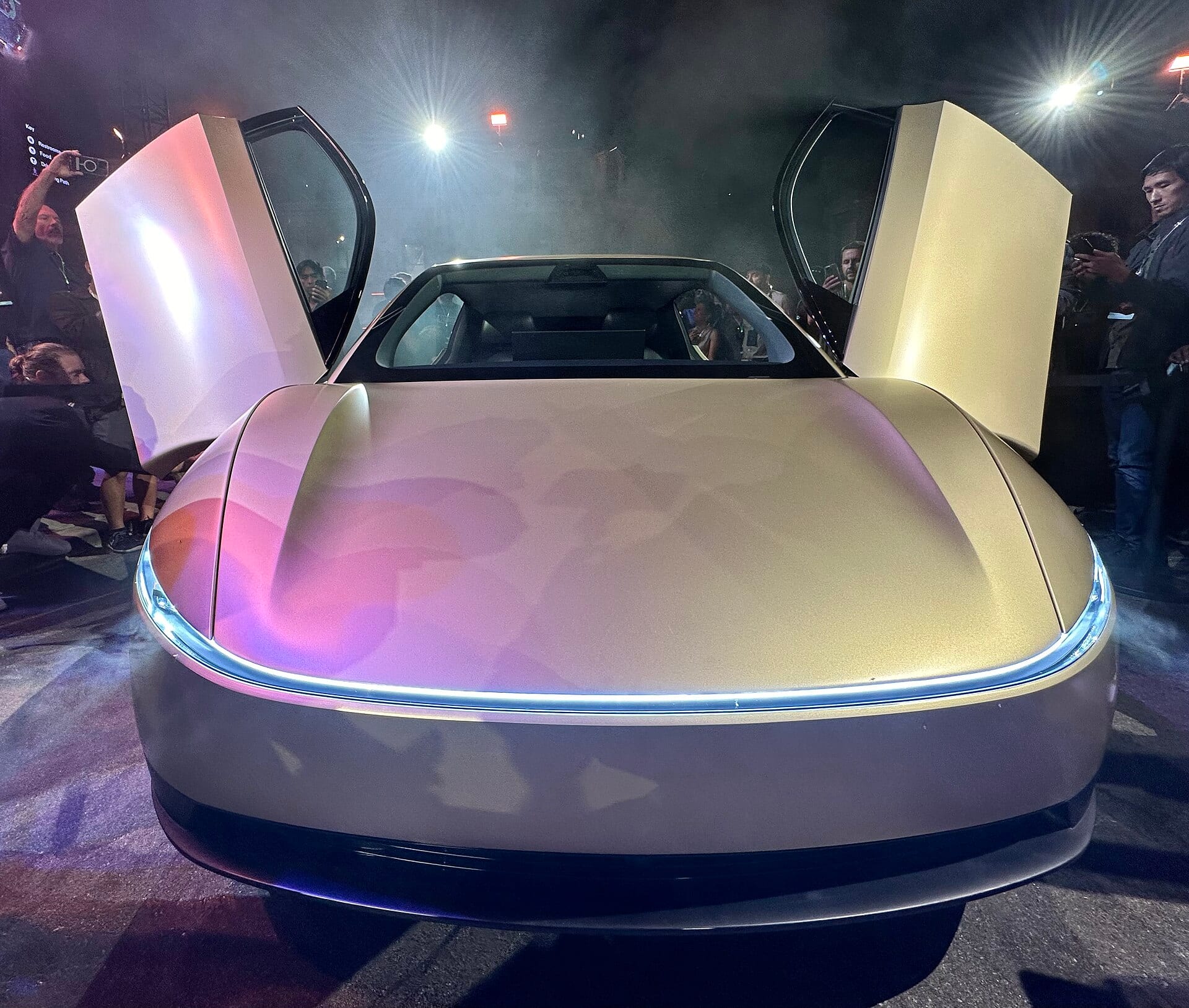
A depot is not a parking lot; it is a substation application. ConEd hookups at depot scale take years and are not provided on spec 1. Each lease is a bet that a utility queue, a council vote and public trust land in that order. The federal version of that bet is due 30 September 2026, when Tesla must show NHTSA, under oath, how a no-pedal Cybercab is legal to sell; Zoox took the slower route and won an exemption capped at 2,500 vehicles a year 9.
A 200-car cap, a 15-cent tax and a 2028 start
Ward 6 council member Charles Allen's bill caps fleets at 200 vehicles until 1 January 2028 and funds driver retraining with a 15-cent-per-mile tax 3. A final vote could come this fall or winter, and fares cannot start before 2028 in any case 2. Nashville's depot opens in October with cars already in service 6. Washington's opens toward a vote that may not land before winter.
How this brief was made
01Gathered & sourced354 channels · 1,849 articles▾
Agents swept 354 channels and ingested 1,849 articles, then de-duplicated and ranked them for signal.
02Verified & cross-validated9 claims · 28 data feeds▾
Every one of 9 load-bearing claims was checked against primary sources, with 28 live data feeds reconciling the figures and charts.
- 1Bisnow via Yahoo Finance, Robotaxi Firms Quietly Growing Real Estate Footprint, Even Where They're Not Yet Legal, 28 September 2026
- 2Axios DC via MSN, Waymo expands DC footprint amid lobbying for council bill, 6 August 2026
- 3WTOP, 'Job killer', independence creator: Testimony on bill to allow autonomous taxis in DC, 14 July 2026
- 4WJLA 7News, DC Council hears testimony on legislation that could pave the way for robotaxis, 13 July 2026
- 5WKRN News 2, Flexdrive by Lyft begins construction on major Waymo hub in Nashville, 16 April 2026
- 6Business Insider, They were Lyft drivers. Now they're cleaning Waymos., 25 August 2026
- 7TechCrunch, Uber will bring its premium robotaxi service to Houston in 2027, 17 June 2026
- 8The Next Web, New York City has defeated Waymo, and the taxi lobby is the reason, 21 June 2026
- 9Electrek, NHTSA orders Tesla to prove its Cybercab is legal to sell, under oath, 15 September 2026
03Reviewed & edited1 human editor▾
One editor read the draft against the evidence, tuned the framing, and signed off before it shipped.
Become a contributor
Reporting on the business of AI and want it read? We take pitches from outside contributors who bring primary sources and a number worth arguing about.
Deepdive
AI-generated from this story and its cited sources. Not investment advice.