Space Force adds $985 million for national security launches; Blue Origin is still not certified to fly

The $985 million ceiling added Monday to the NSSL Lane 2 program follows shares set in 2025, and Blue Origin, the only awardee not certified to fly, cannot draw on its share. With Vulcan grounded after Sunday's failure, one company is carrying America's most critical launches.

Richard TangRichard Tangtwo-minute read
Share
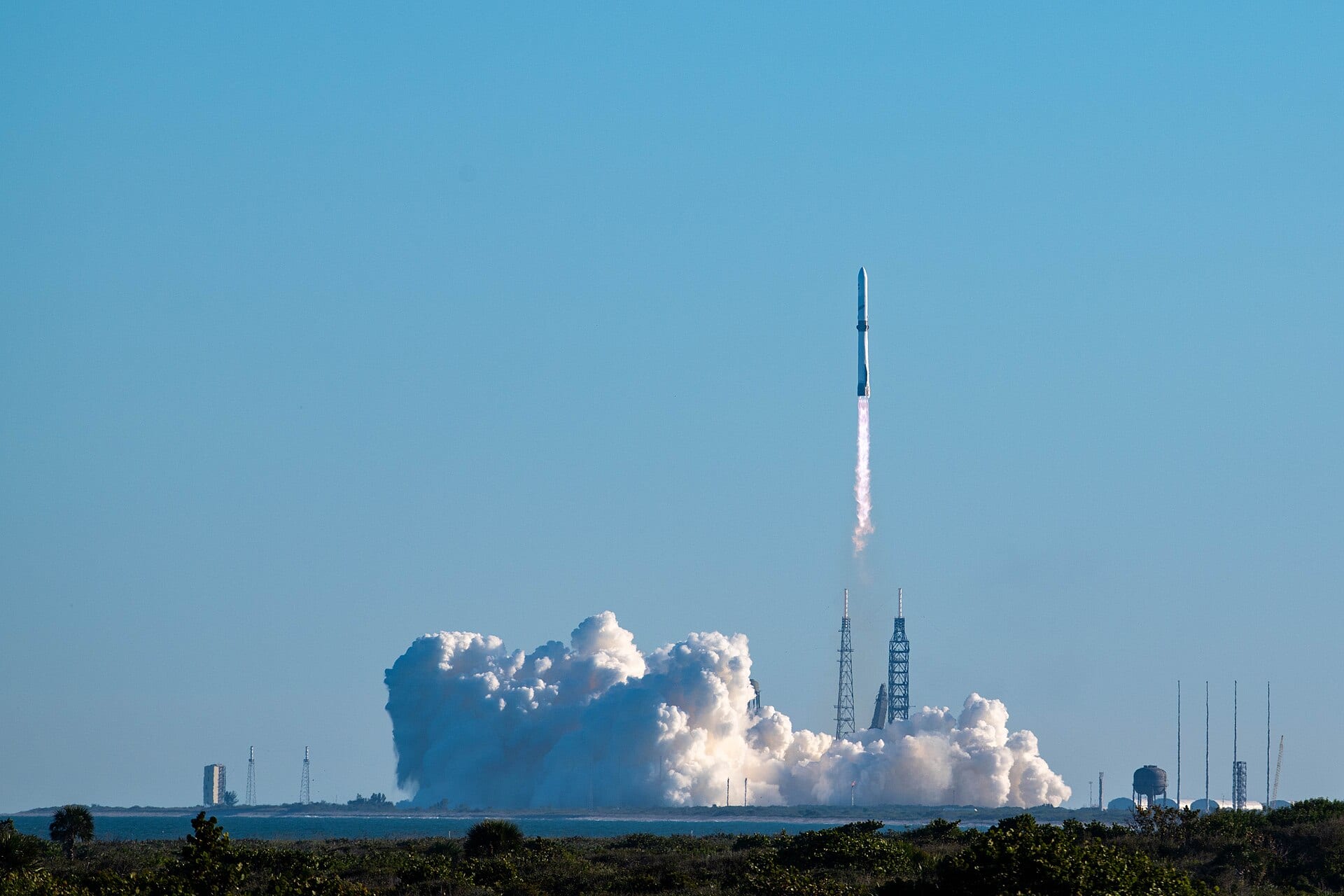
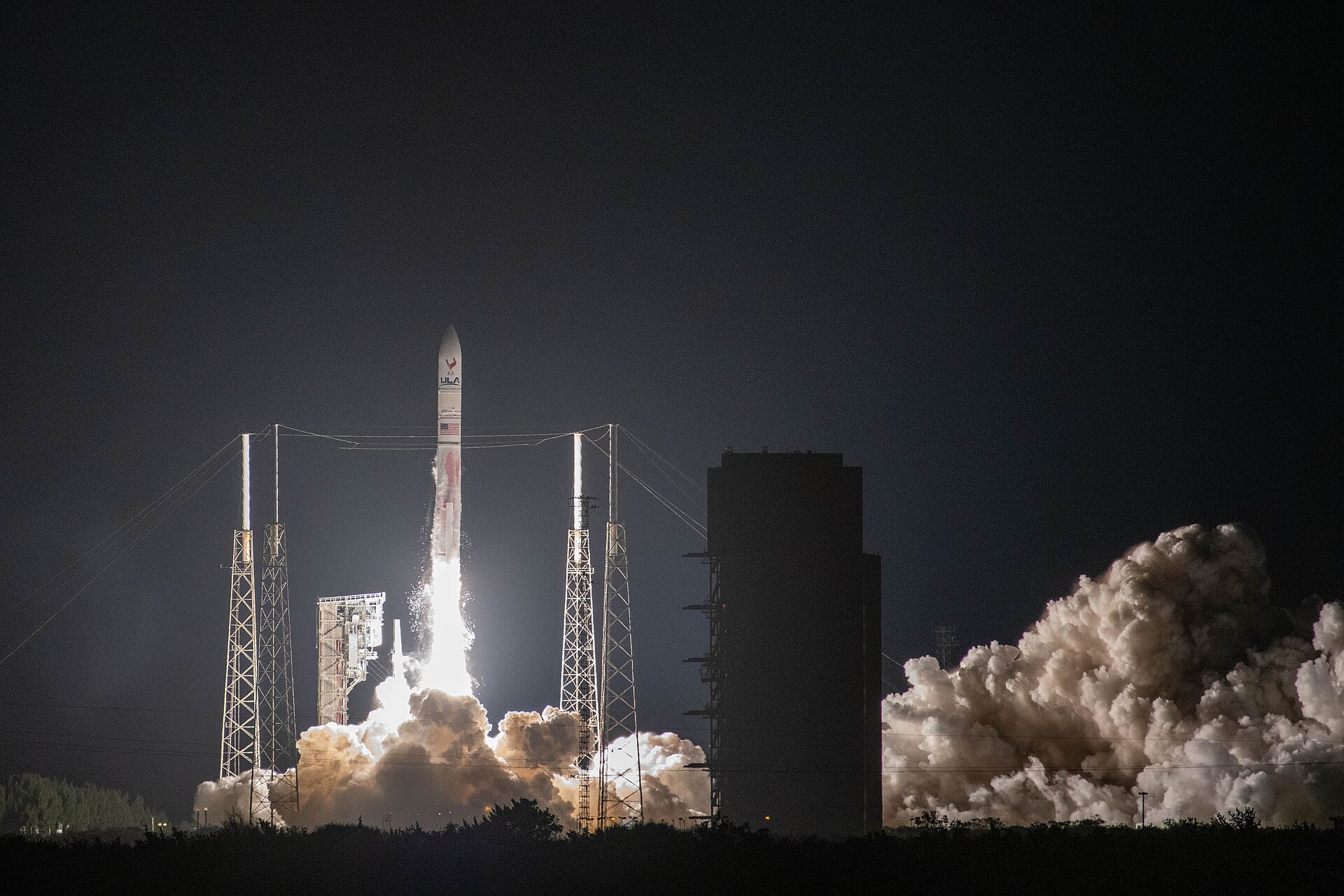
A New Glenn rocket climbs away from its launch pad at Cape Canaveral, a column of exhaust and steam below it against a clear blue sky
A New Glenn rocket lifts off from Space Launch Complex 36 at Cape Canaveral Space Force Station, Florida, on Nov. 13, 2025. Blue Origin's vehicle is still not certified to fly national security missions.

The Space Force put up to $985 million more on the table for national security launches on Monday, and the timing did the reporting for it: one of the three winners cannot fly any of it 13. SpaceX+1.88% — SpaceX, up 1.88 percent today, United Launch Alliance and Blue Origin all received contract modifications under the NSSL Phase 3 Lane 2 program, with a combined ceiling of $985 million, no funds obligated at award, and work running to April 2033 13.

The award landed a day after ULA's Vulcan rocket failed ten minutes into a flight and destroyed 40 Amazon Leo satellites, ULA's first total mission failure since 2006, with its military launches already paused since February 46.

Lane 2's $13.68B split: Blue Origin's $2.39B share is locked until New Glenn certifies

Blue Origin's $2.39B Lane 2 share stays locked until New Glenn flies and certifies

$0B$2B$4B$6BSpaceX$5.92BULA$5.37BBlue Origin$2.39B
Data
Value
SpaceX$5.92B
ULA$5.37B
Blue Origin$2.39B
April 2025 NSSL Phase 3 Lane 2 contract awards, combined $13.68B across 54 missions. Blue Origin holds 7 of those missions but is not certified to fly them. Source: GovConWire, 17 Nov 2026.1

The new money follows the 2025 shares

Lane 2 was awarded in April 2025 at $13.68 billion across 54 missions: 28 to SpaceX, 19 to ULA, 7 to Blue Origin 1. Those shares decide who can draw on the new money, and only SpaceX is flying. Blue Origin holds seven missions but is still not certified for Lane 2 1.

Of Blue Origin's four-flight certification path, two flights succeeded by December 2025, a third left its satellite in a too-low orbit in April, and a fourth vehicle exploded in a static fire test on May 28, wrecking its only New Glenn pad 4. It has not flown since 4. Blue Origin's $2.39 billion share, like its slice of Monday's ceiling, stays locked until New Glenn flies again and passes certification 14.

One rocket is carrying the program

Federal law requires at least two launch vehicle families able to carry national security payloads. With Vulcan grounded pending a second investigation and New Glenn padless, SpaceX is the only company flying these missions 45. That is the real reading of Monday's announcement: the government added ceiling to three providers, but capacity, not paperwork, is the constraint.
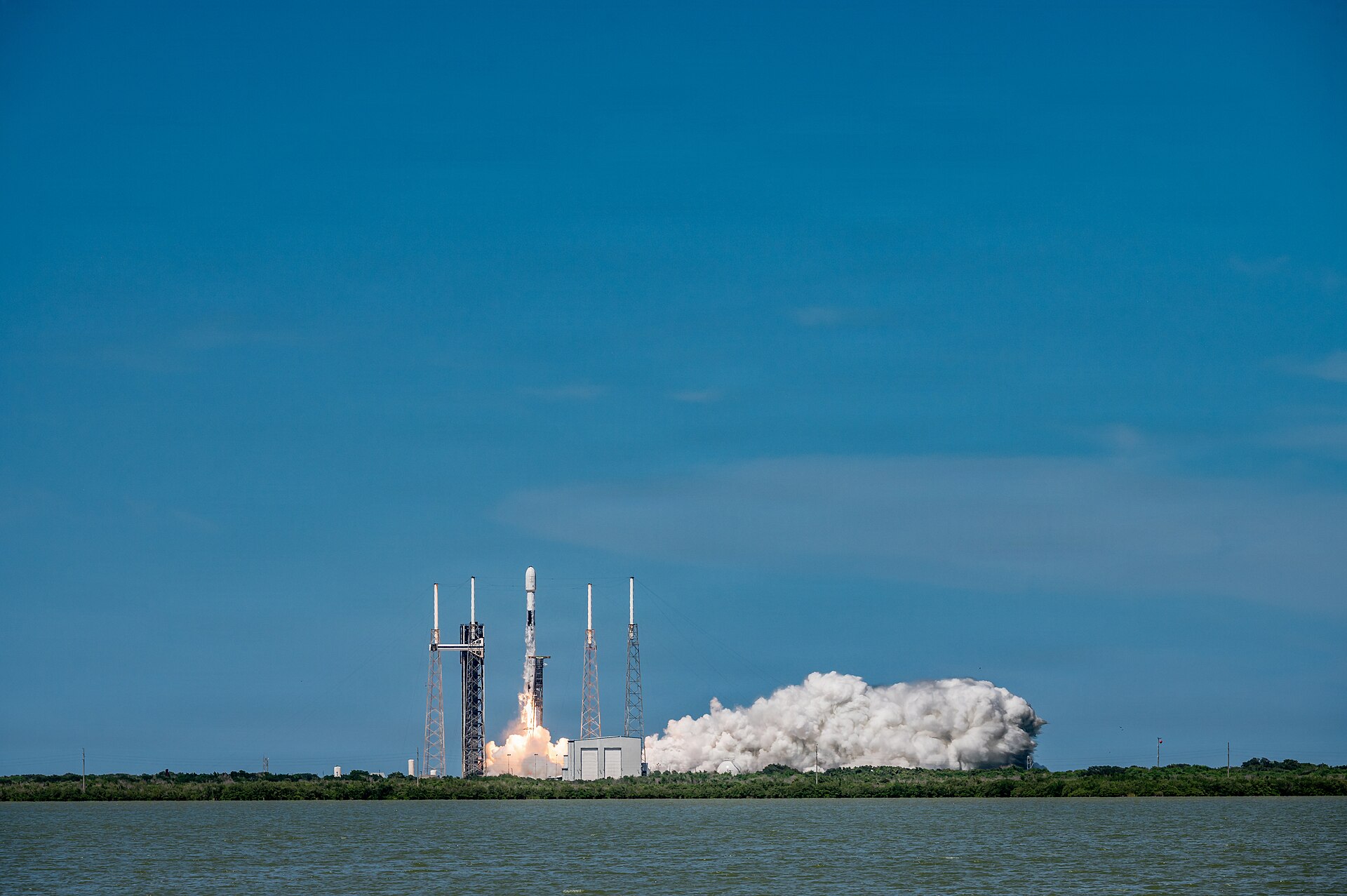
A Falcon 9 rocket lifts off from its pad beside the water at Cape Canaveral, a large cloud of exhaust rolling across the tree line
A Falcon 9 launches the O3b mPOWER-F mission from Space Launch Complex 40 at Cape Canaveral Space Force Station, Florida, in September 2026. SpaceX is the only Lane 2 awardee currently flying national security missions.U.S. Space Force photo by Senior Airman Tyler Moody

For investors, the listed exposure runs through Boeing+0.03% — Boeing, up 0.03 percent today and Lockheed Martin+1.06% — Lockheed Martin, up 1.06 percent today, each owning half of a ULA that cannot fly its 19 missions, and Rocket Lab, the only other listed US name on the Lane 1 list, whose Neutron has not flown and has no open slots until the 2030s 45. SpaceX, which also launches its rival Amazon's−0.75% — Amazon, down 0.75 percent today Leo satellites on Falcon 9, remains the only provider delivering, and every grounded competitor month widens its lead 5.

Get Robotics & Defense by email, free

Robots, self-driving vehicles, drones and AI in defense. In our daily email, every weekday.
Loading SPCX

Reader comments

0 comments

    More in Robotics & Defense

    All in this topic →

    Robotics & Defense

    Tesla opens Cybercab orders at $29,990 with a mandatory $299 monthly fee and eight crashes on file

    The car carries a $29,990 price and a mandatory $299 monthly subscription; the driverless fleet behind it has a median pre-crash speed of 1 mph. Tesla's zero-injury record is real, but it is a record of a fence, and buyers are now paying for the fence as if it were the software.

    Robotics & Defense

    Omron raises its profit target to ¥88 billion and is closing the South Carolina plant it opened in 2024

    Six days after Omron reported a 161.5% jump in first-half profit and raised its full-year target to ¥88 billion, word of the shutdown surfaced only on local television. Shareholders betting the guidance is durable, and the plant's 162 promised hires, both carry the risk.

    Robotics & Defense

    Tesla bets €3 billion on a million-robotaxi German plant that still needs a permit and a price

    Giga Berlin would become Germany's largest car plant by capacity, making a driverless taxi whose paying passengers so far are all in Texas and Florida. The open links in the chain are regulatory approval and who funds the fleet, and Tesla shareholders are carrying both.

    Robotics & Defense

    Kratos booked a record $1.04 billion of orders, and the stock still hit a 52-week low

    A record $1.037 billion in orders and a $2.65 billion backlog met a GAAP operating loss, negative free cash flow and a stock at its 52-week low, because the buildout is being paid for with shareholder money. The dispute over when bookings become cash is the trade.

    Robotics & Defense

    Amazon loses 40 satellites as ULA's Vulcan fails 10 minutes in, its first mission failure in 20 years

    ULA's first mission failure in 20 years grounds the rocket and cost Amazon 40 satellites. The failure's location is contested between the first stage and the upper stage, and every reading runs through a supplier, including Blue Origin's BE-4, the engine behind two grounded rockets.

    Robotics & Defense

    Germany, Netherlands and France move off Palantir's military software, its foreign book $376 million a quarter

    Three of its biggest European military buyers set dated exits from its software this week, taking slices out of the international book and the growth story its $405 billion valuation has already priced in. The substitutes, Helsing, Thales, Safran and Systematic, get paid instead.

    Subscribe to TheInference for free