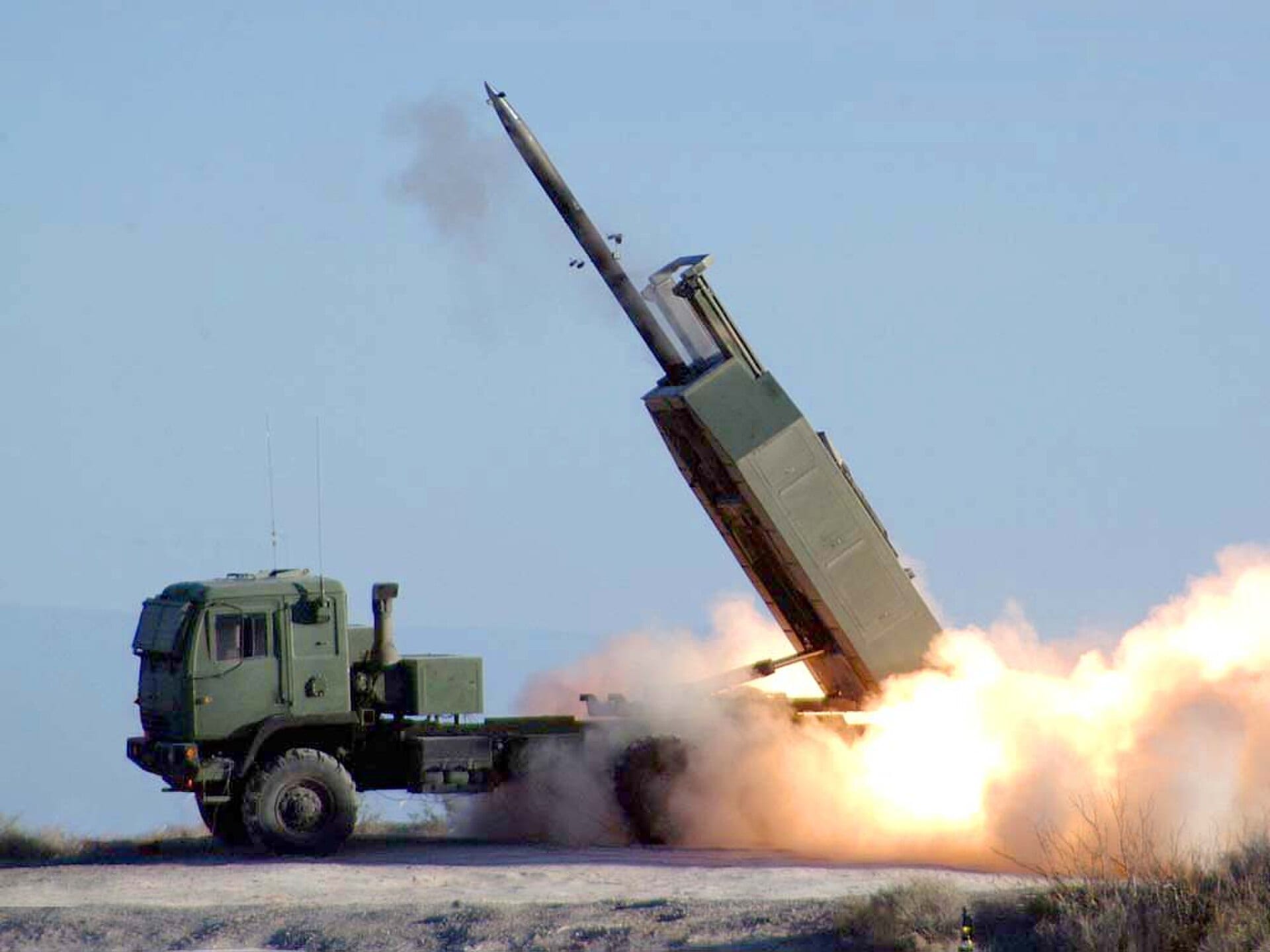
The Army invites second builders for Lockheed Martin's $4.9 billion missile contract; replies due October 30
The Army opened bidding on Lockheed Martin's own missile, with responses due October 30, after the Iran war gutted US missile stocks. The bottleneck is not factories but the intellectual property Lozano calls "the keys to the kingdom".
 Richard Tang · 3 min read
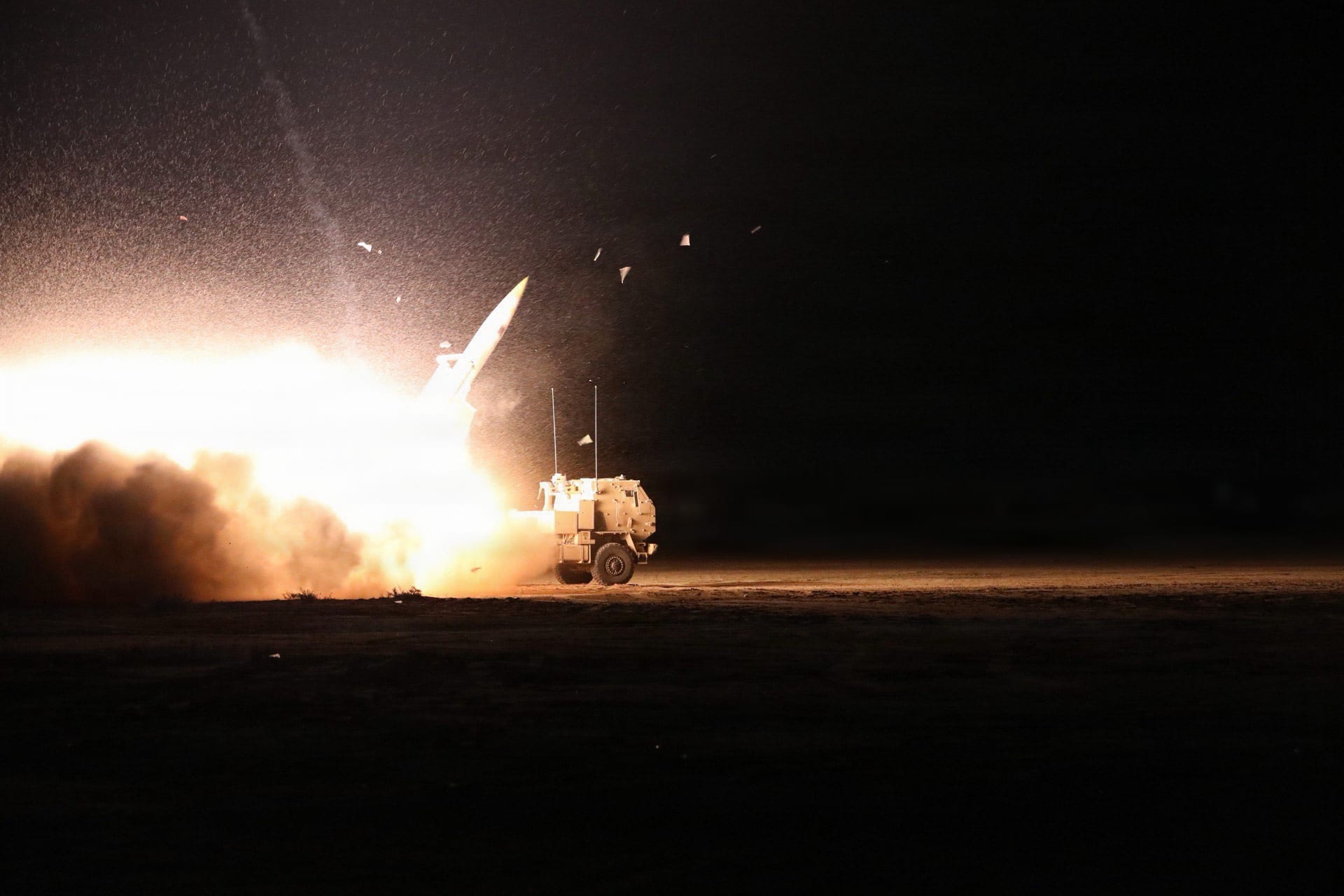
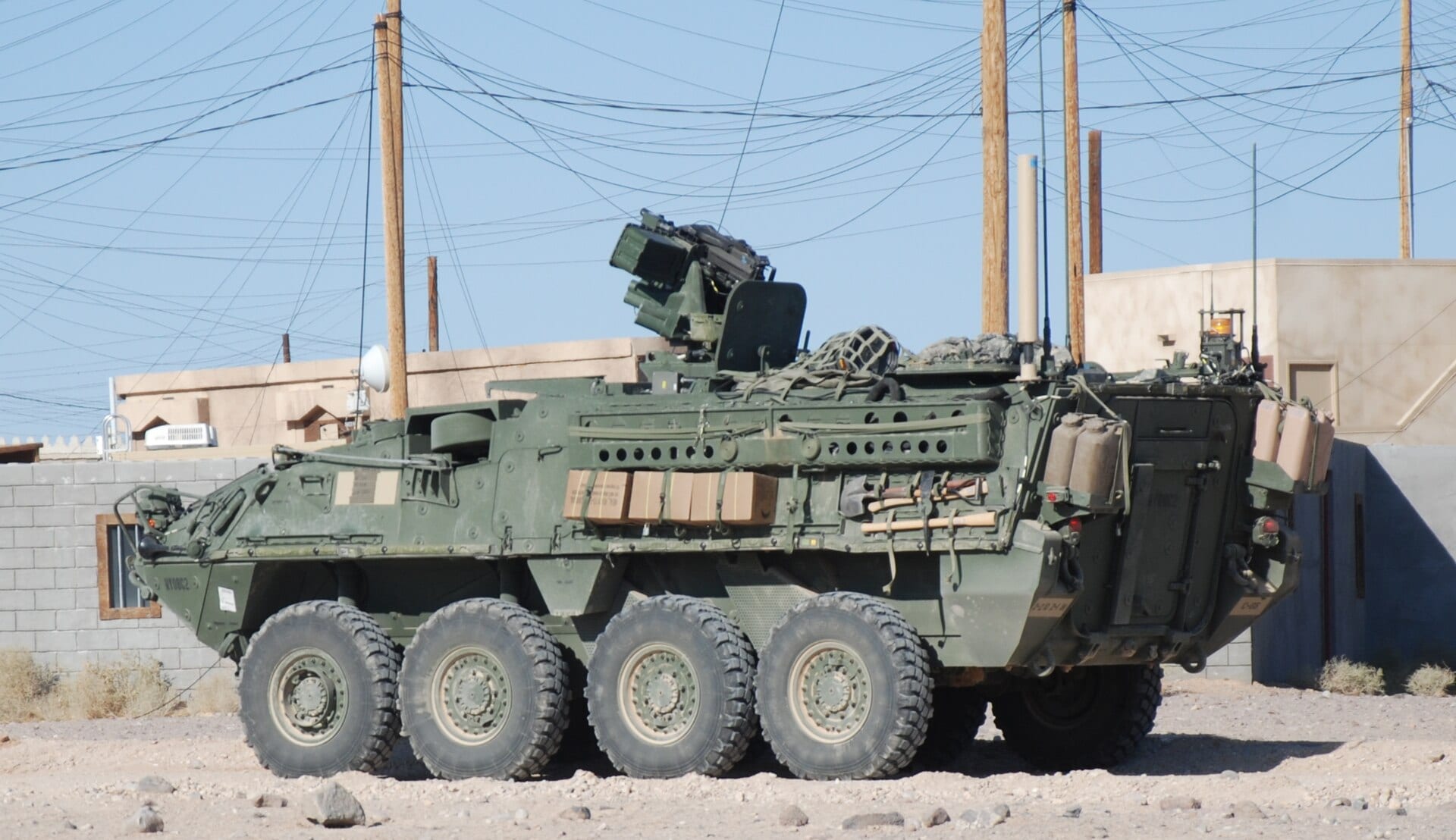
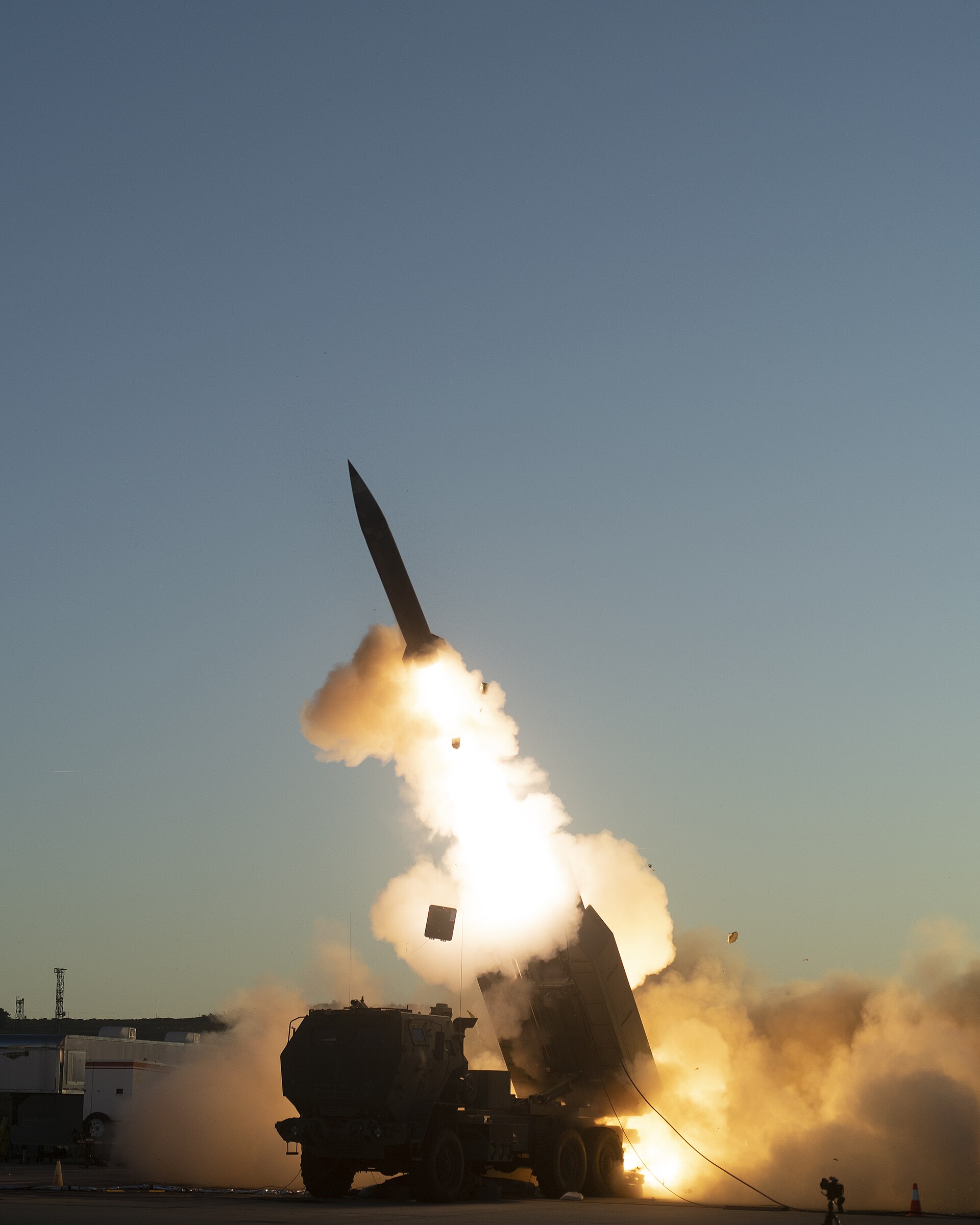
The Army put Lockheed Martin's+0.10% — Lockheed Martin, up 0.10 percent today PrSM monopoly on the clock. On October 14 it published a SAM.gov notice asking who else can build PrSM Increment 1, the deep-strike missile Lockheed currently makes alone under a $4.9 billion contract that began with an order for 400 missiles. Responses are due October 30. The trigger is depletion: the Congressional Budget Office estimates the Iran war has burned one-half to two-thirds of US missile-defense interceptors since June 2025, and rebuilding could take five years even at higher production rates 12. Magazine depth has gone from planning assumption to urgent requirement.
The Army says the quiet part about sole-source programs
What makes this notice different from a routine market survey is who is asking and how. Lt. Gen. Frank Lozano, the Army's fires acquisition chief, said at AUSA this week that he wants "multiple solutions in production" and that the Army has to "break the old tradition" of competing down to a single vendor, which creates "a choke point and a manufacturing constraint" 3. The Army is doing something rarer than seeding a next-generation contest: inviting second sources for a missile already in production, with first operational use behind it in Operation Epic Fury against Iran 1. Lockheed has promised to quadruple capacity, and the Army is not alleging failure, but it is no longer treating one line as enough.
The bottleneck is Lockheed's intellectual property
Lozano was explicit about where a second source gets stuck: the Army must "secure the intellectual property that allows me to farm those rights out," and for some companies that IP is "the keys to the kingdom" 3. The Army holds technical data only to the line-replaceable-unit level, enough for a new entrant to assess the work but not necessarily to master it 1. That gap is why the September selection of five firms, Lockheed, Anduril$123.86B — Anduril, private, latest valuation $123.86B, Castelion~$1B — Castelion, private, latest valuation ~$1B, Mach Industries~$570M — Mach Industries, private, latest valuation ~$570M and RTX, to prototype the 1,000-kilometre Increment 4 does not qualify any of them to build Increment 1; the Army says the two competitions are separate 13.
What investors should watch, and when
The read is timing, not a verdict on Lockheed. The competitive fly-off for Increment 4 is planned for fiscal 2027, but the two-week clock on this notice means the second-source question for the existing missile gets answered first 3. Watch who files by October 30: a credible respondent with production facilities, such as Castelion or Mach Industries, would mark the first direct challenge to Lockheed's PrSM line. No qualified second source exists today, and the Army says none has been selected, so Lockheed's position is intact until someone answers 1.
| Date | What happens |
|---|---|
| October 14, 2026 | Army publishes a SAM.gov notice seeking second builders for PrSM Increment 1 |
| October 30, 2026 | Responses to the notice are due |
| Fiscal 2027 | Competitive fly-off planned for the 1,000-kilometre Increment 4 |
| Until a second source qualifies | Lockheed Martin remains the only producer of Increment 1 |
The broader point: the Army is trying to convert a wartime lesson, that single-source munitions programs are strategic liabilities, into standing procurement policy, with Lozano aiming for two to four producers per capability 3. That is a real shift in how the defense industrial base gets paid, and the new entrants positioned for the low end of that mix are the ones watching this notice most closely. The race that matters is not for the next missile but for the right to build the one that already works.
Deepdive
AI-generated from this story and its cited sources. Not investment advice.