The Army's five-way missile fly-off pits $13 billion Castelion against Lockheed and RTX for a 1,000-km round
The Army's five-way PrSM Increment 4 fly-off puts Castelion, now valued at $13 billion, and Benchmark's $25 million Furientis seed against Lockheed and RTX for a 1,000-km HIMARS missile, with shelves nearly empty.
 Vincent Jiang · 3 min read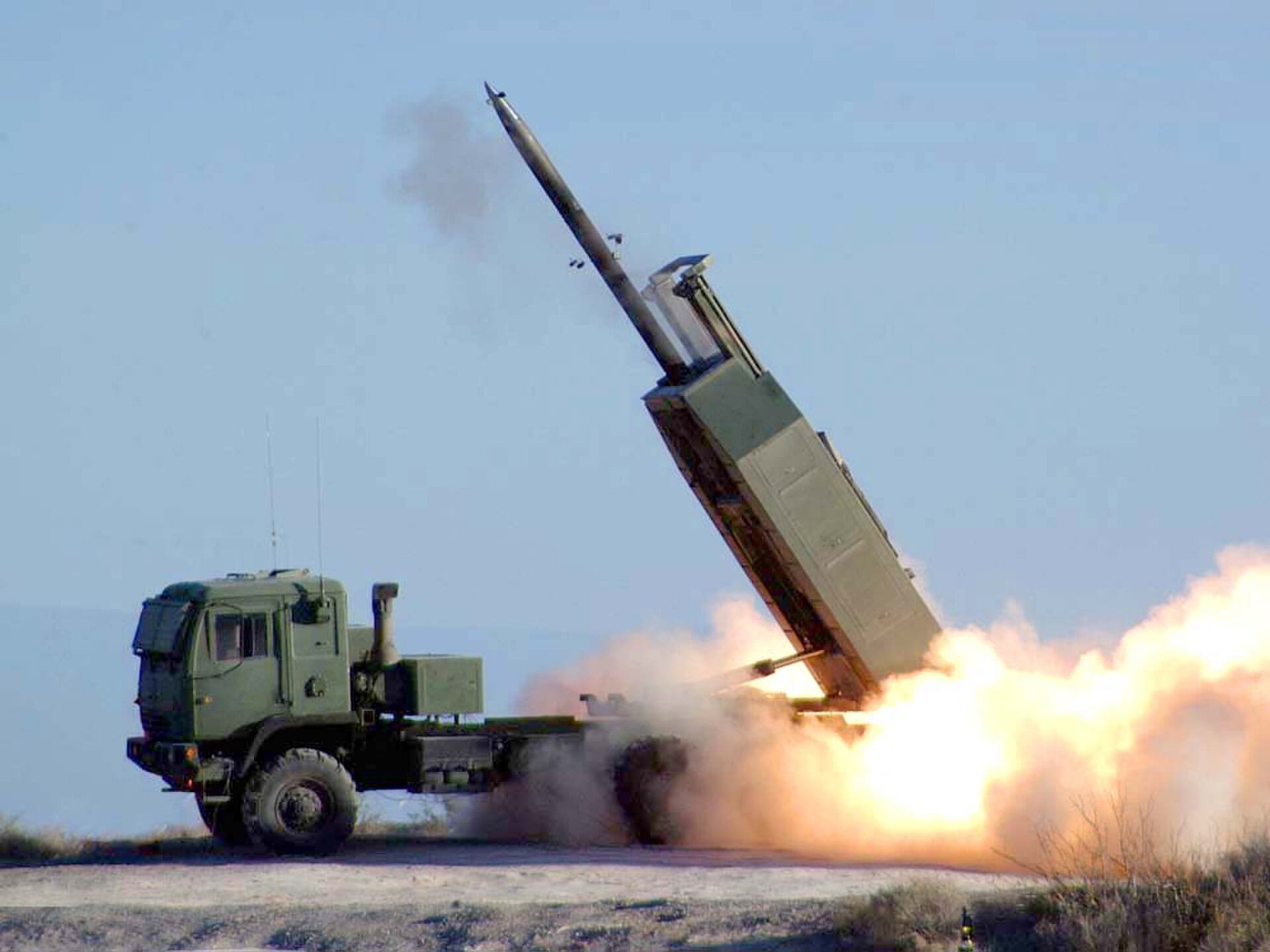
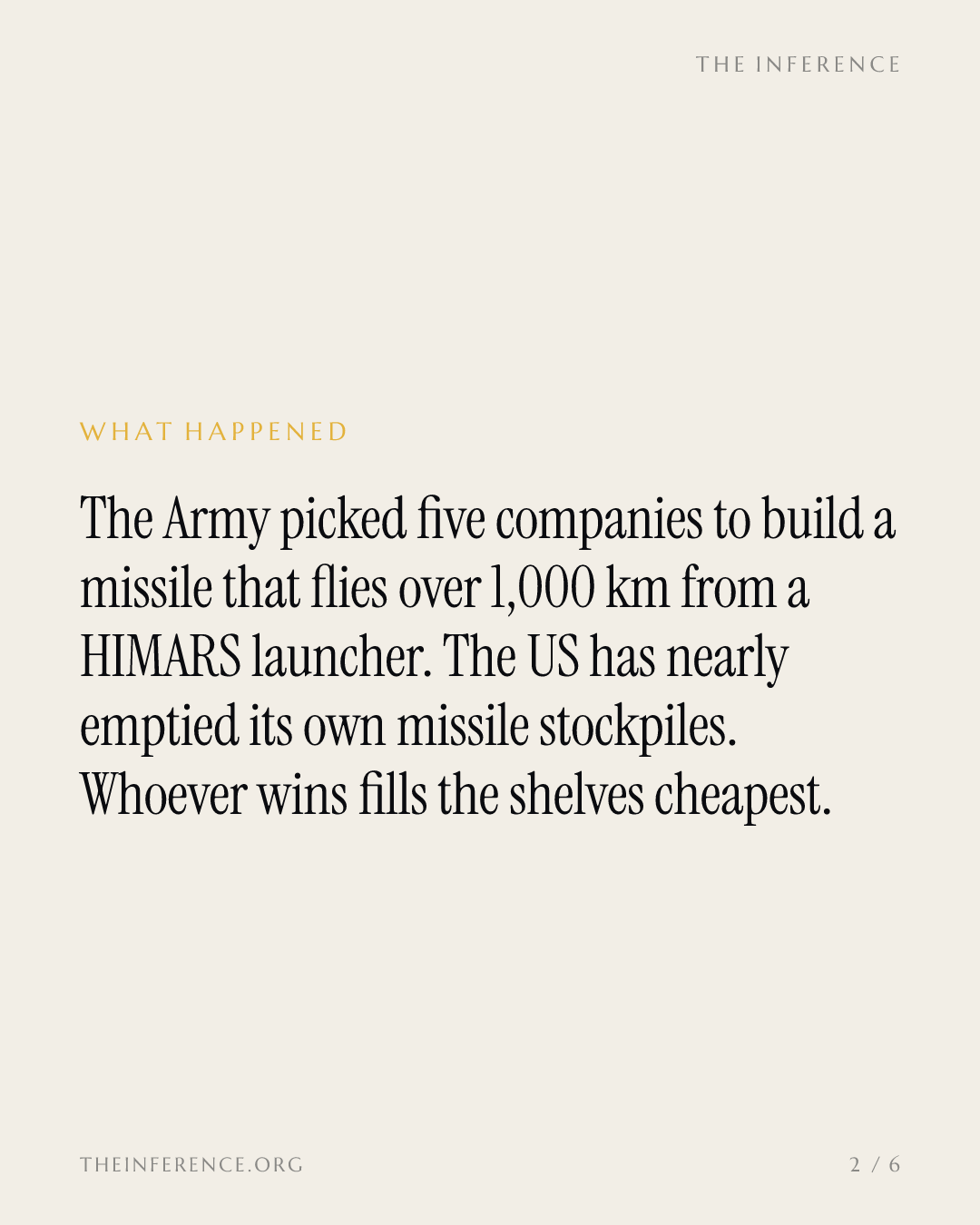
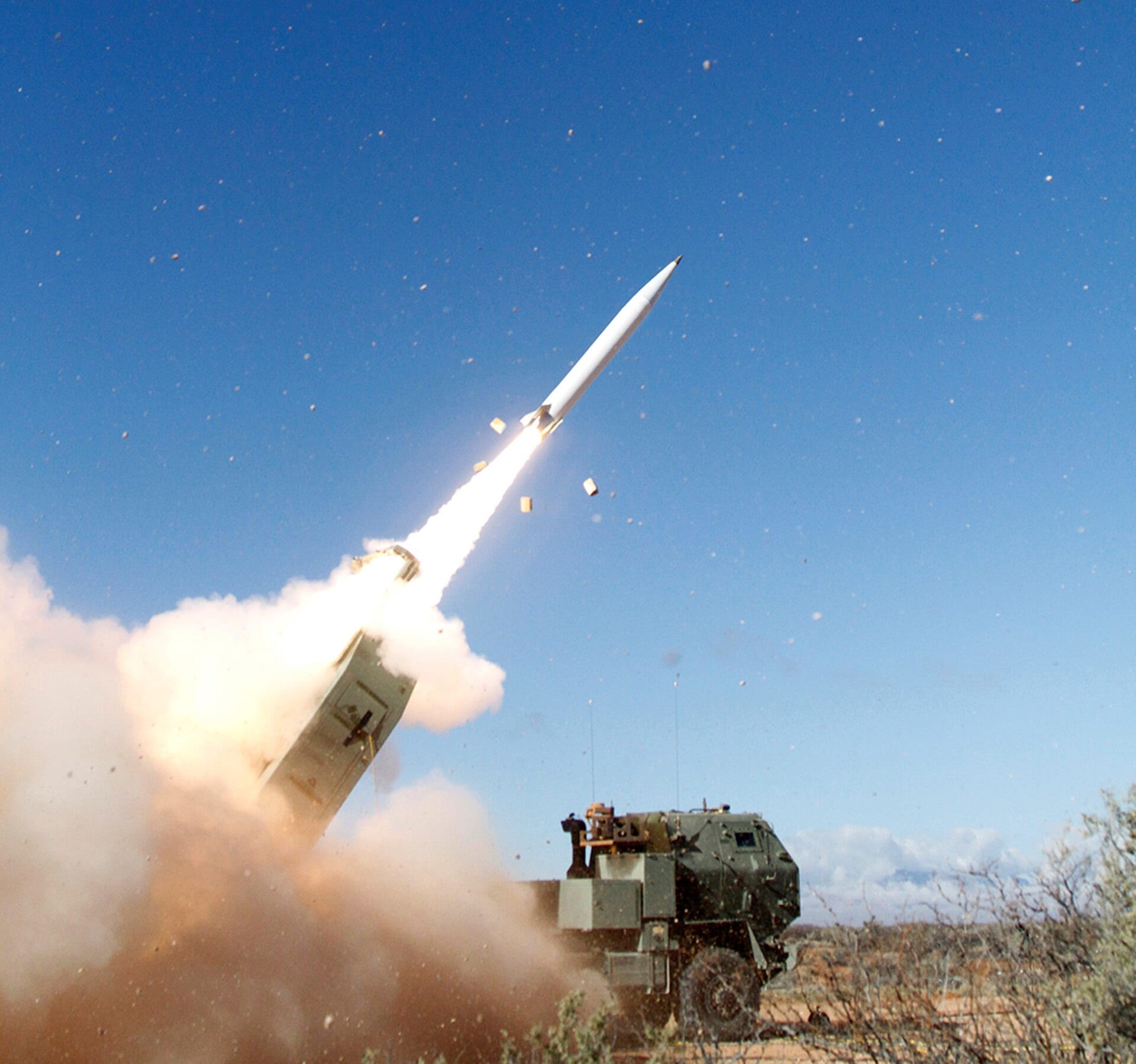
The US Army has put five contractors under Other Transaction Authority agreements to prototype PrSM Increment 4, a missile that flies more than 1,000 km from HIMARS launchers at moving ships 4. Anduril, Castelion, Lockheed Martin, Mach Industries and RTX get a first fly-off in fiscal 2027 and a final one in fiscal 2028 45. Behind the hardware contest sit two capital models racing the same primes, and the cheapest one just banked Silicon Valley's first pure-defense seed.
Two ways to fund a missile company
Castelion exists because Bryon Hargis liquidated a large slice of his SpaceX stock and covered salaries out of pocket from the late-2022 founding until the seed closed in April 2023, deploying roughly two-thirds of his savings 1. Since then: a $350 million Series B in December 2025, about $50 million from the Navy for Blackbeard prototypes and flight tests, a first production order of 444 rounds for $43.6 million under a delivery order with a $200 million ceiling, and a $1 billion Series C in August at a $13 billion valuation led by JPMorganChase, Andreessen Horowitz and Carlyle 1267.
Furientis, founded by Castelion alumnus Brody Franzen, took Benchmark's first pure-defense bet: $25 million at a $125 million valuation, a funded Pentagon contract inside a year, and a dozen launches on a $5 million pre-seed 3. Franzen's arithmetic is the whole thesis: the Navy receives 300 to 500 interceptors a year, while China claims to build 3,000 anti-ship cruise missiles a month, an annual rate of about 36,000 3.
China's claimed annual cruise-missile output is 90 times the Navy's yearly interceptor supply
- Estimate
Data
| Value | Range | |
|---|---|---|
| US Navy interceptors received per year | 400 missiles/yr | 300–500 missiles/yr |
| Furientis target, systems per factory per year (estimate) | 1,000 missiles/yr | — |
| China claimed anti-ship cruise missiles per year (estimate) | 36,000 missiles/yr | — |
The shelves are already empty
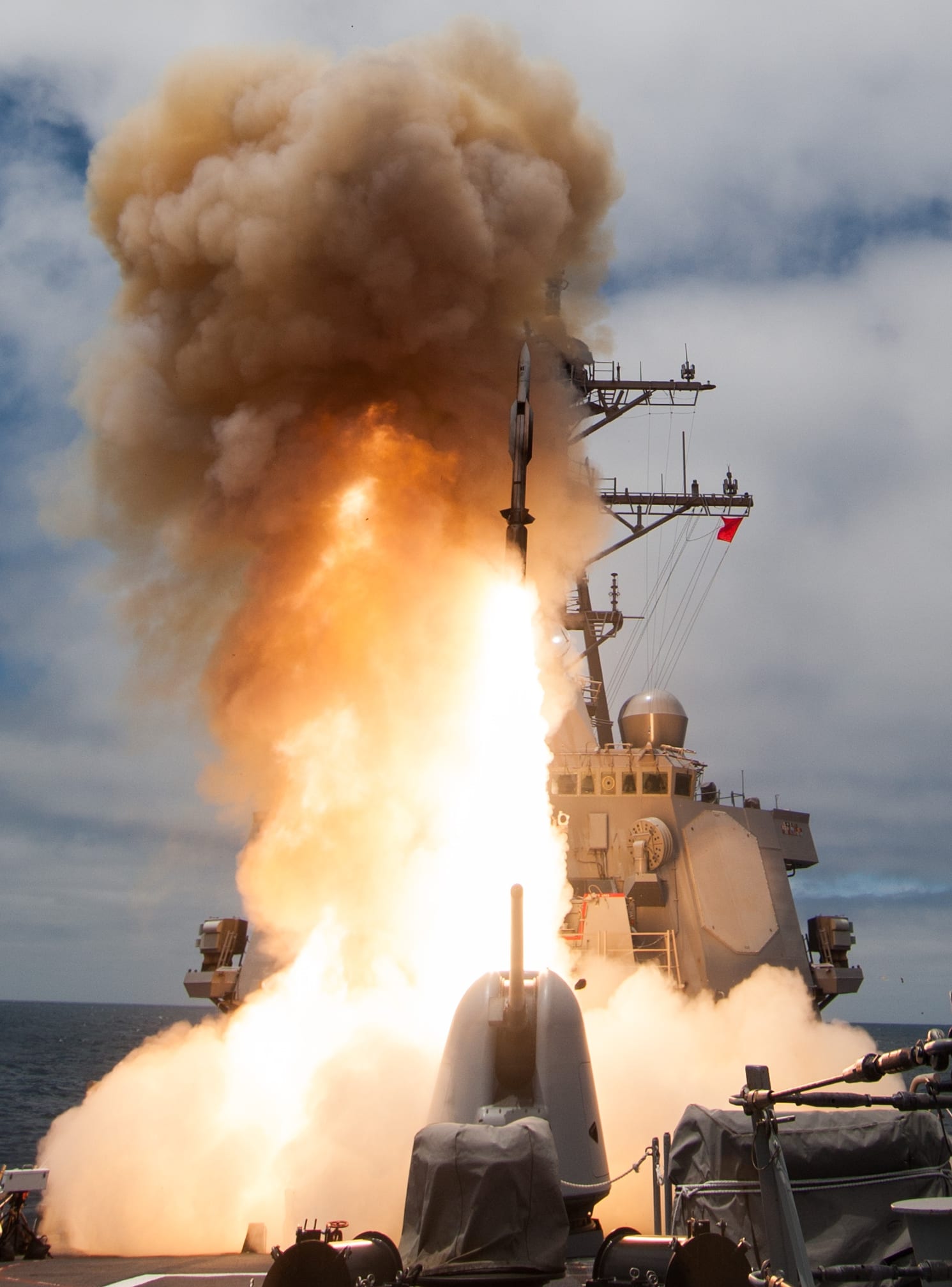
Taxpayers pay either way, and the timing is not theoretical. The Army fired PrSM Increment 1 in combat against Iran in March, and Reuters reported in August that the US had used virtually all of its ATACMS and PrSM stockpiles 58. CSIS estimated that about 65 percent of Patriot interceptors were expended between February and July 8. Magazine depth is the problem both camps are selling against.
The incumbent carries the balance-sheet risk
Lockheed is not neutral. It holds a $1.21 billion PrSM Increment 2 award from mid-September and an L3Harris ramjet bet for Increment 4 5. The mechanism is pricing power, and it runs through the same empty shelves: a startup win in the fiscal 2027 down-select hands the Army a second source for a cheaper 1,000-km round, which erodes what the franchise can charge precisely when the buyer, scraping bare stockpiles, is buying on cost per magazine 358. A prime win instead makes Castelion's $13 billion mark look like the top of a cycle.
Lockheed's Increment 2 award is six times Castelion's entire Navy order ceiling
Data
| Value | |
|---|---|
| Lockheed PrSM Increment 2 award, Sept 2026 | $1,210M |
| Castelion Navy delivery-order ceiling | $200M |
| Castelion first production order, 444 rounds | $43.6M |
The watch-item is the fiscal 2027 down-select: it reprices Castelion's mark and Lockheed's franchise at the same stroke.
Deepdive
AI-generated from this story and its cited sources. Not investment advice.