Visa's stablecoin settlement passes $25 billion a year, up tenfold
OpenAI's new agent wallet runs on Visa's cards with no crypto in it, while stablecoin issuers settle what they owe on Visa's own rail. Two separate books, one network collecting on both, and the rules for an agent's disputed purchase are still unwritten.
 Vincent Jiangthree-minute read
Agent payments went live on the card networks
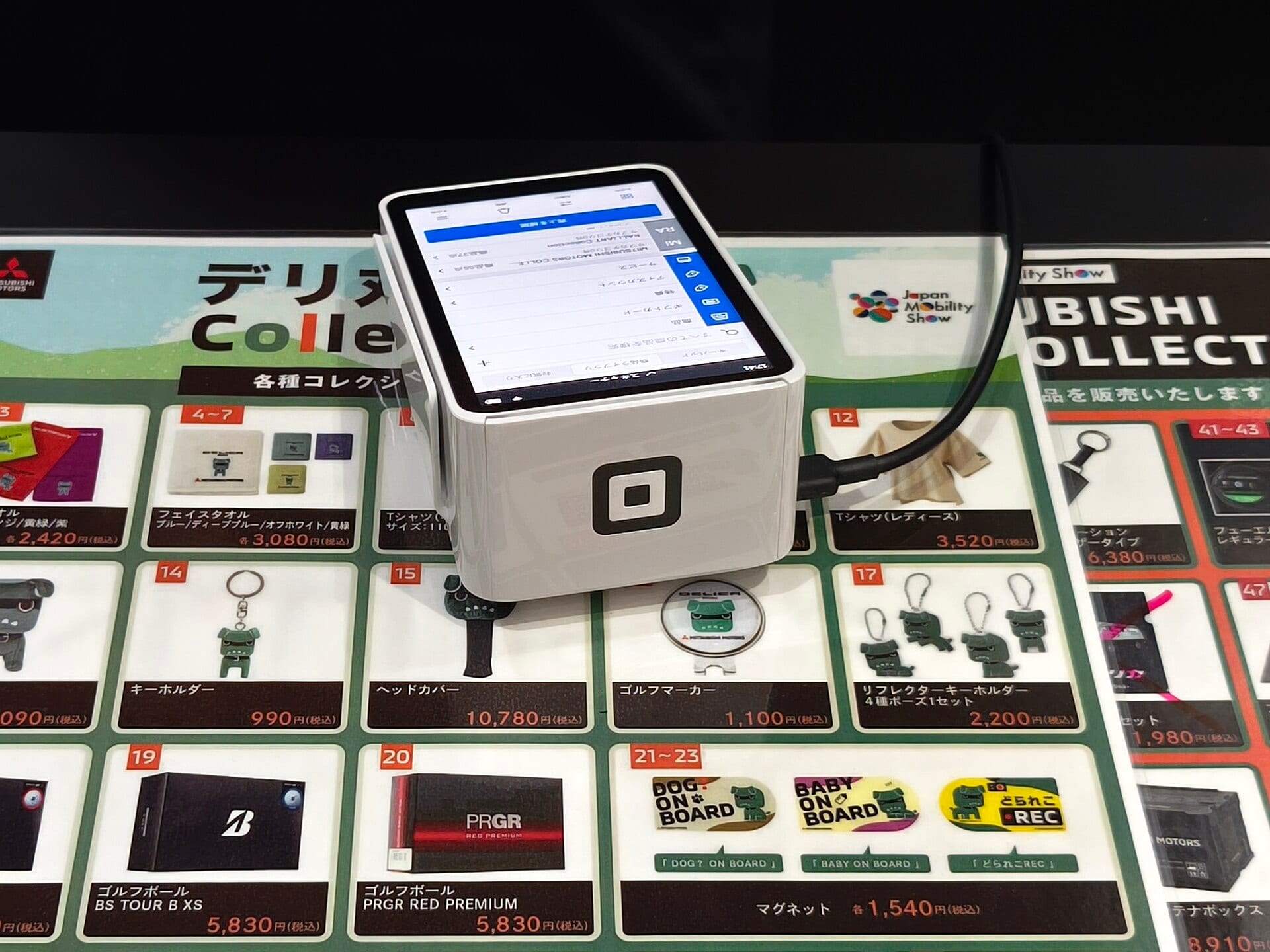
On November 13, 2026 OpenAI switched on ChatGPT Wallet with American Express+0.24% — American Express, up 0.24 percent today, Mastercard+1.34% — Mastercard, up 1.34 percent today and Visa+1.13% — Visa, up 1.13 percent today: a card is entered once, each purchase needs a fingerprint or a face scan, and the agent never sees the card number 1. OpenAI$1.18T — OpenAI, private, latest valuation $1.18T says the wallet uses no blockchain and no stablecoin, only fiat rails 2.
The same day, Meta+2.23% — Meta, up 2.23 percent today and Sierra~$10B — Sierra, private, latest valuation ~$10B, the agent-software firm co-founded by former Salesforce−0.26% — Salesforce, down 0.26 percent today co-chief Bret Taylor, released Poppy, a protocol that lets an assistant prove which user it acts for at a merchant 2. The stake for Visa holders: the network collects on both rails, and the cost of an agent's mistake has no payer yet.
Two books, billed separately
After a card is tapped, money must move between the bank that issued the card and the bank serving the merchant. Visa's settlement program lets those issuers and acquirers settle in stablecoins over a blockchain instead of legacy rails 3. The book widened twice this week: the Monad blockchain joined as the tenth supported chain on November 10 3, and on November 12 Anchorage Digital, a federally chartered crypto bank, added Western Union's dollar token USDPT to settle what partners owe on VisaNet, Visa's card network 4.
The agent wallet earns the other book: each purchase runs as an ordinary card transaction, rewards and chargeback protections kept, so Visa collects the fee it already collects on cards 12. Mastercard sits on both launch lists too 2; what it did not show this quarter is a second book.
Settlement grew tenfold while cards grew 9 percent
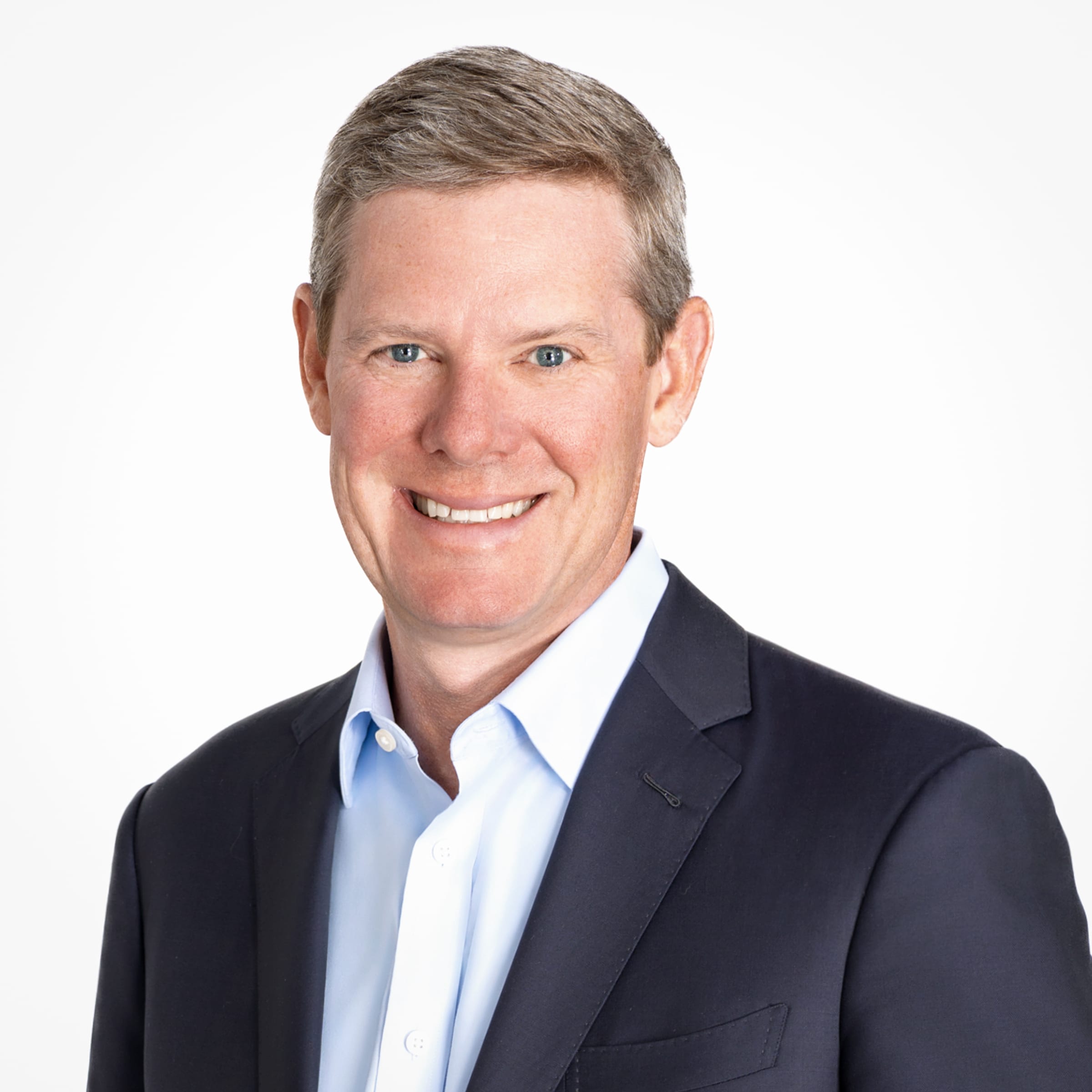
On the October 27 call, chief executive Ryan McInerney put the settlement business above a $25 billion annualized run rate, ten times last year's pace, across five stablecoins on ten blockchains 5. The run rate was $7 billion when Visa added five chains in April 3.
The card book is larger and slower. More than 225 stablecoin-linked card programs are live, up more than 70 percent on the year, on roughly five million cards in more than 50 countries; transaction volume is up more than 150 percent 6. All payments volume grew 9 percent to $4.1 trillion in the quarter, on net revenue of $12.1 billion, up 13 percent 7.
Stablecoin card volume grew 150 percent; all payments volume 9 percent
The stablecoin book grows at triple digits; the card book at single digits
Data
| Value | |
|---|---|
| Stablecoin-linked card volume | 150% |
| Stablecoin-linked card programs | 70% |
| All payments volume | 9% |
Where an agent's mistake would land
For now the card networks keep the agent channel, and Amazon−1.16% — Amazon, down 1.16 percent today is the merchant refusing the risk: it has blocked Meta's Muse assistant from buying at all 8. The wallet preserves a cardholder's chargeback rights 2; banks have not said those rights cover a purchase the assistant chose and the human confirmed with a face scan 2. Visa booked a $474 million litigation provision last quarter, down from $903 million a year earlier 7. Agent disputes, if they come, land on that line.
What the January print decides
The banks are building their own coin regardless: 21 institutions, Goldman Sachs−0.23% — Goldman Sachs, down 0.23 percent today, Citigroup−0.45% — Citigroup, down 0.45 percent today and Bank of America+0.71% — Bank of America, up 0.71 percent today among them, have committed about $270 million to Project Faro, a dollar stablecoin targeted for the first half of 2027 9. McInerney framed the race himself: "It is clear that in agentic, trust is the biggest barrier to scale" 5. The January-quarter print shows which book grew.
Get Economy by email, free
How AI moves rates, banks, payments and the wider economy. In our daily email, every weekday.




Reader comments
0 comments