Washington Bans Huawei's Chips the Same Day Huawei Reveals 100 Million Kirins Shipped
An FCC rule effective October 13 blocks any new US-bound device carrying Huawei-designed logic. The same day, Huawei declared volume production of a phone chip built without Western tools, and the listed trade in bonding equipment fell anyway.
 Vincent Jiang · 3 min read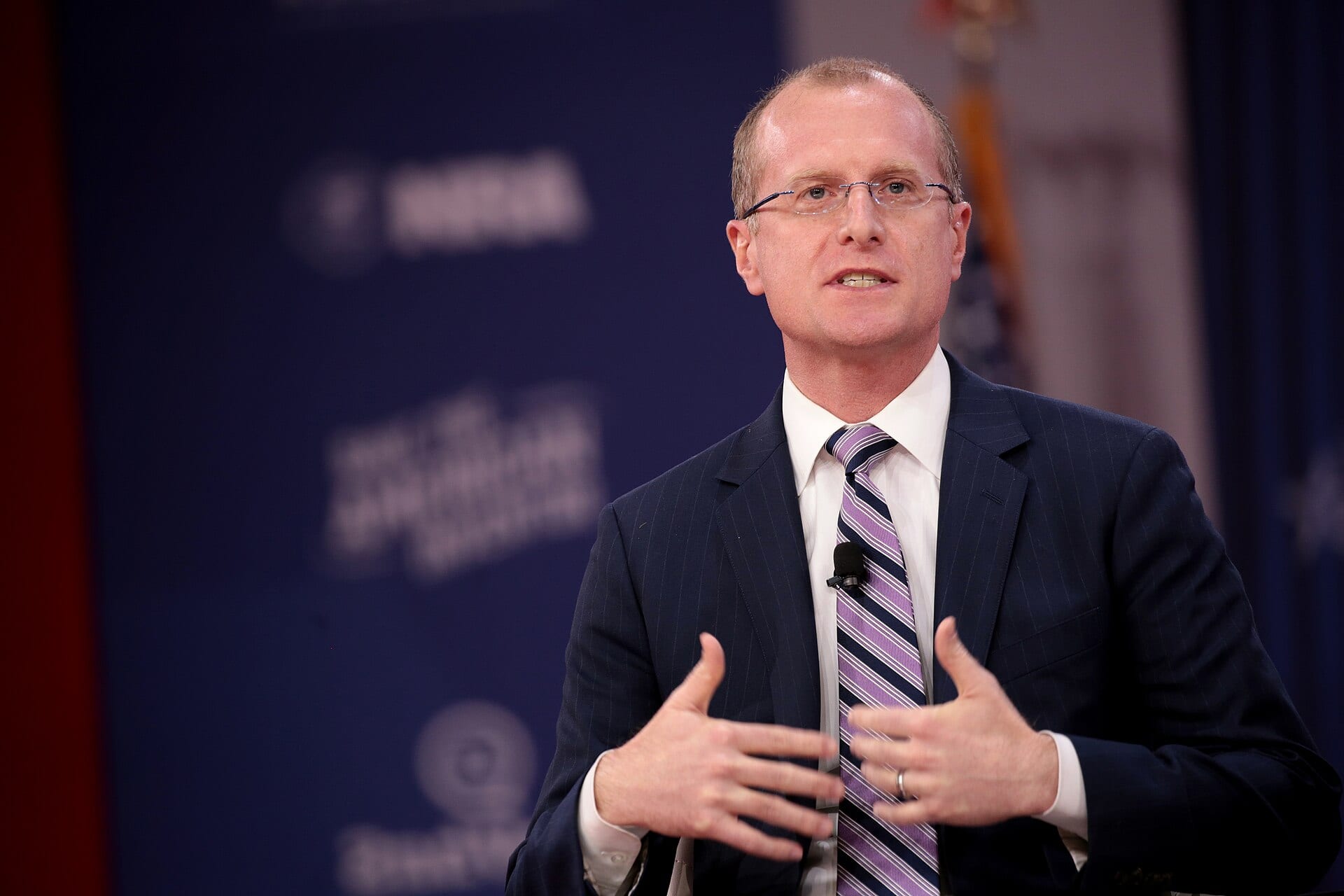
Tuesday, October 13 cut both ways in the chip war. A Federal Communications Commission rule took effect that day, barring new wireless devices that contain logic hardware from Huawei, ZTE, Hikvision, Dahua or Hytera from the US authorization they need to reach the American market 12. The same day in Shanghai, Huawei said its Kirin 9050, a phone processor built without Western chipmaking tools, is in volume production 34.
The ban now reaches inside the box
Adopted in July, the order closes what FCC Chairman Brendan Carr calls the component part loophole: a router or camera could win authorization even when a covered company made the chip inside. Applicants must now certify every logic-bearing component is Huawei-free 2. Cut off since 2020 from TSMC−2.88% — TSMC, down 2.88 percent today, the world's largest contract chipmaker, and from extreme-ultraviolet lithography, the light that prints the finest transistors, Huawei stacks circuits instead of shrinking them 35. The Kirin 9050 carries more than 50 million hybrid bonds, the vertical links between stacked chip layers; transistor density is up 53.5 percent, and the 9050 Pro claims 41 percent better large-core CPU efficiency and 140 percent more AI-engine compute 34. "The Kirin 9050 series has successfully achieved mass production with the support of China's domestic electronics supply chain," the company said 3.
The tool trade blinked anyway
Huawei has shipped more than 100 million Kirin devices since 2023 3, and its foldables top 20 million units, above 70 percent of China's market 6. A Kirin 2027 prototype has already hit a 1-micron bond pitch, finer than the 9050's 1.5, with more than 100 million vertical connections; Xu Songyu, product head for Huawei's wireless-device chips, said testing is meeting company targets 47. Yet ASMPT, the Hong Kong-listed bonding-equipment maker, fell 3.28 percent to HKD 153.20 the day after the briefing, even as JPMorgan named advanced packaging a supply bottleneck and forecast wafer fab equipment spending growing 31, 38 and 17 percent through 2028 4.
Chip-tool spending peaks in 2027, the year Huawei targets 1-micron bonds
- Wafer fab equipment market growth (%, JPMorgan forecast)
- Estimate
Data
| Wafer fab equipment market growth (%, JPMorgan forecast) | |
|---|---|
| 2026 (estimate) | 31 |
| 2027 (estimate) | 38 |
| 2028 (estimate) | 17 |
Self-graded tests, shrinking shelves
Meeting targets is Huawei's own yardstick. The 1-micron result sits in a preprint by He Tingbo, who leads Huawei's semiconductor business, not in third-party tests, and a prototype is not a production line 7. Bernstein puts the 9050 Pro about 30 percent behind Apple's+0.41% — Apple, up 0.41 percent today 2nm A20 Pro; stacking burns extra wafers per chip, and memory prices have added more than $200 to each phone's cost 8. China's smartphone market fell 15.4 percent in the third quarter, the sixth straight drop, to 57.9 million units, though Huawei alone grew among major brands, on 12.2 million units 9.
The clock both camps share
The FCC's pending proposals would extend the ban to all components and to software, backed by mandatory bills of materials that the Semiconductor Industry Association opposes 2. Huawei's next scheduled proof is a phone shipping in 2027 with 1-micron bonds 7. Watch which arrives first: the finer bond, or the ingredient label on every US-bound device.
Deepdive
AI-generated from this story and its cited sources. Not investment advice.