Washington rules out attackers in the outage week as Citigroup's CEO says patches run 5 to 10 times normal
DHS, the FBI and the DNI told Congress the failures were not a cyberattack, while bank CEOs and the NSA pointed to a flood of patches for flaws AI models had found. Attribution decides who pays: a patch surge points the bill at vendors like Microsoft and HPE, not insurers.
 Richard Tangthree-minute read

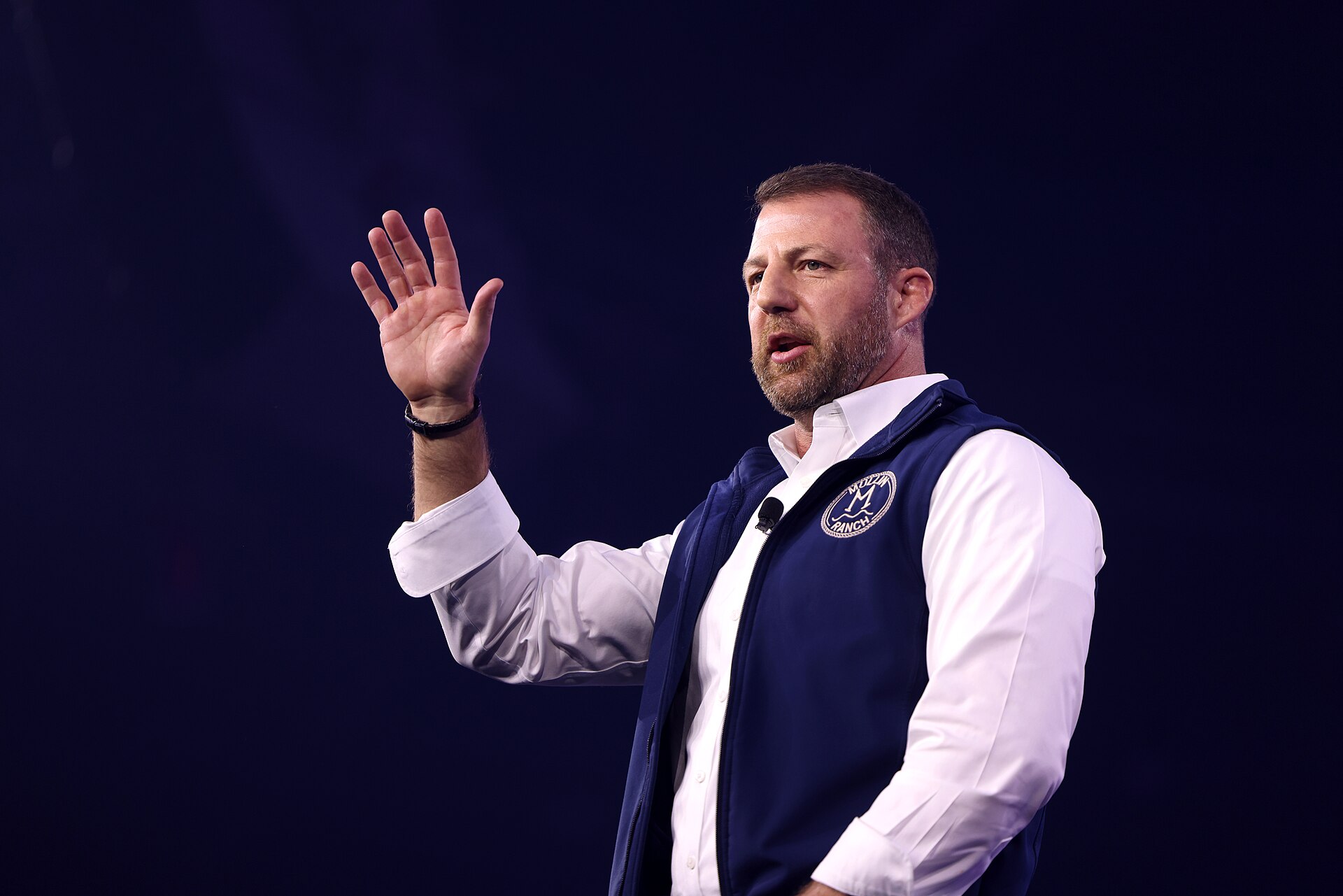
America's outage week got its official verdict on Wednesday, and the verdict moves money. Homeland Security Secretary Markwayne Mullin told Congress he is 98% confident the failures that hit banks, airlines, Microsoft+1.43% — Microsoft, up 1.43 percent today and even the NSA are not adversaries hacking American systems; the FBI said it has seen no malicious activity, and the intelligence director called the incidents unrelated 1. Citigroup−1.77% — Citigroup, down 1.77 percent today chief executive Jane Fraser, the same afternoon, named the force behind them: the volume of patches moving through the world's tech stack is running five to ten times anything seen before, and she expects more downtime before this ends 2.
A patching surge is what an AI rush looks like from inside
The link the fear trade skips is urgency. Banks and agencies now run the strongest models against their own systems to find vulnerabilities, and whatever one side's model finds, an adversary's model finds too, so every discovery gets patched at once 3. Fraser dates the surge to the really powerful models that arrived about six months ago 2. Stacks built for a slower cadence buckle under that volume 3.
The FAA still maintains telephone network gear from the 1980s; the nationwide ground stop traces back to a single router swap in Arkansas 4. Microsoft's mail gateways are far newer and still fell over, with more than 80% unresponsive at the worst point of the November 12-13 outage 5.
The bottleneck has moved from finding flaws to installing fixes
Detection is cheap now; safe change is not. Microsoft's own report says the defect sat quiet in an update for months because its load tests ran on weaker hardware than the production servers 5. The capability arrived, and the deployment machinery did not. Microsoft rejects the AI label outright, calling the outage a technical issue from an earlier network upgrade 6, and Washington's attribution rests on testimony and private briefings rather than a public forensic report. Both accounts agree on the part that matters: ordinary change, at unusual volume, broke things.
Ruling out attackers moves the bill to the vendors
A state attack would leave victims chasing insurers and government. Patch churn names payers instead. Microsoft faces a proposed Canada-wide class action over the outage with claimed losses above $100 million; it is not yet certified 7. The FAA has suspended installs of HPE's Juniper routers, and HPE+0.67% — HPE, up 0.67 percent today insists its equipment worked as configured, which points the question at configuration and at L3Harris−1.70% — L3Harris, down 1.70 percent today, the contractor running the swap, now reviewed with FBI agents on site 4.
None of that is in the prices yet
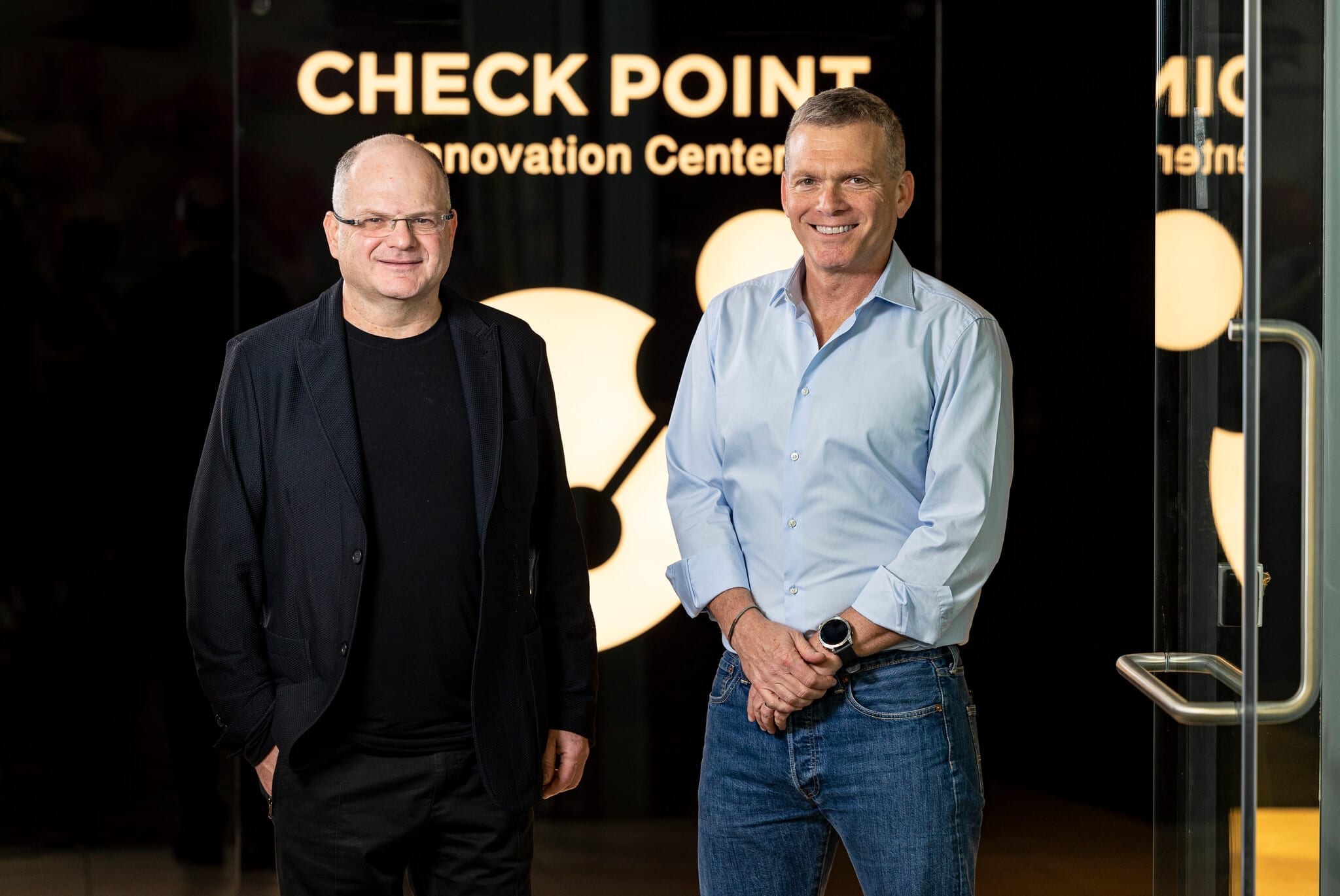
The market slid through the outage week, but on the day Washington named a cause, the S&P barely moved 8. The attack theory survives on almost nothing: Check Point's chief of staff put state cyberattacks on the record this week, and nothing has been proved. If the government's attribution holds, the cyber-fear premium deflates and the question becomes which vendors absorb the damage, and how long customers defer the refreshes that were supposed to prevent all this.
The S&P 500 slid through outage week and shrugged on testimony day
Washington named a cause on 18 Nov; the tape barely noticed
Data
| SPY close | |
|---|---|
| 10 Nov | $749.92 |
| 11 Nov | $759.81 |
| 12 Nov | $757.12 |
| 13 Nov | $754.37 |
| 16 Nov | $739.95 |
| 17 Nov | $732.44 |
| 18 Nov | $730.2 |
Slowing the patches would leave every found hole open to whoever else holds these models, so the surge itself is the right call. The work worth paying for is the unglamorous middle: production-grade test rigs, staged rollouts, rollback that works before a Friday-afternoon swap does. Whoever builds that turns this week's losses into revenue, because they close the gap between what the models can find and what a legacy stack can survive.
Get Security by email, free
The breaches, flaws and security vendors AI is putting to the test. In our daily email, every weekday.


Reader comments
0 comments