Waymo drove 13.1 million California miles in September and nearly half carried no passenger
Waymo's quarterly filing to the California Public Utilities Commission pairs record ride counts with unpaid miles growing faster than trips. That ratio, not the ride count, is what Alphabet, Tesla and Uber investors are pricing in the robotaxi race.
 Richard Tangthree-minute read
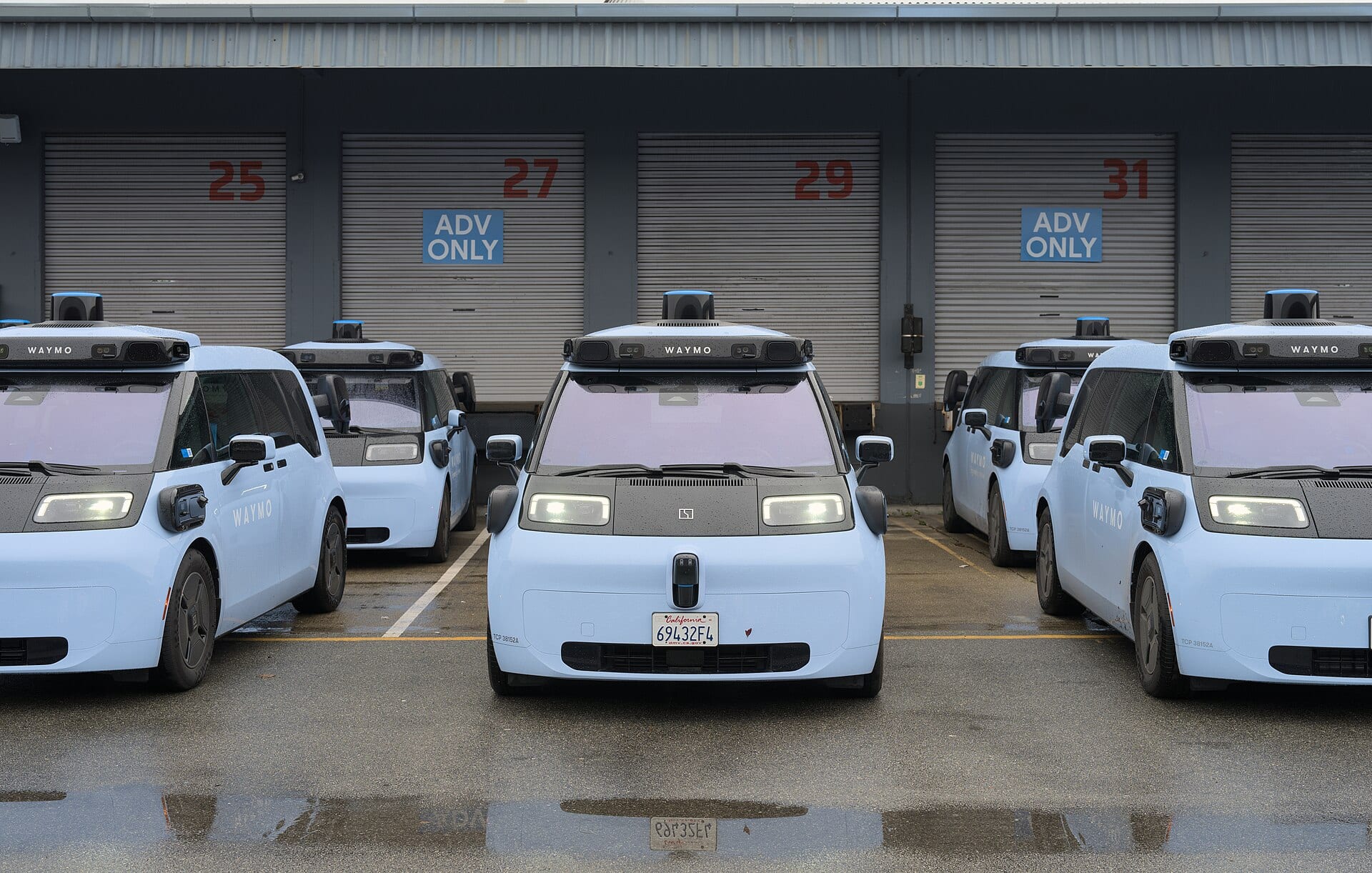
Waymo's driverless fleet gave a record 1.53 million paid rides in California in September 1. The quarterly filing with the California Public Utilities Commission that counts them also counts the cost of staging them, and that half of the ledger is moving the wrong way 1.
Of the fleet's 13.12 million vehicle miles, 6.67 million carried a passenger, 1.80 million were driven to pickups and 4.66 million were empty repositioning 1. Everything that earned no fare, pickup runs included, came to nearly half the fleet's driving, against about 45% in July 1. The driving itself is solved; moving the car to the rider is the business, and it worsened as the fleet grew.
Nearly half of Waymo's September miles carried no passenger
- With a passenger6.67M50.8%
- Empty repositioning4.66M35.5%
- To the pickup1.8M13.7%
Data
| Slice | Value | Share |
|---|---|---|
| With a passenger | 6.67M | 50.8% |
| Empty repositioning | 4.66M | 35.5% |
| To the pickup | 1.8M | 13.7% |
Miles with nobody aboard are outgrowing the rides
Trips rose about a fifth from July to September, while miles carrying no passenger rose about half 1. A robotaxi has no driver to pay, but every unpaid mile still burns vehicle time, charging, cleaning, insurance and depreciation. Removing the driver cut the taxi model's biggest cost, which leaves the unpaid mile as the main expense that scales with the fleet. The filing covers California only 1.
Passengerless miles are outgrowing paid miles in Waymo's California fleet
Miles with nobody aboard grew faster than miles with a passenger every month this quarter
- With a passenger
- To the pickup
- Empty repositioning
Data
| With a passenger | To the pickup | Empty repositioning | |
|---|---|---|---|
| July | 5.18M | 1.47M | 2.83M |
| August | 5.51M | 1.56M | 3.63M |
| September | 6.67M | 1.8M | 4.66M |
The widening Other Bets loss has other causes
Other Bets, the Alphabet−1.04% — Alphabet, down 1.04 percent today segment that houses Waymo, lost just over $2 billion last quarter on $372 million of revenue, against a $1.4 billion loss a year earlier 2. Alphabet's 10-Q attributes the widening mainly to employee compensation and third-party services fees, not to ride growth 2.
Waymo did take on its first debt in October, a $5 billion term loan 38. The filing cannot say why utilization slipped: it reports miles, not fleet size or per-ride cost 1. Dispatch may be lagging demand, or cars may have been staged ahead of the territory Waymo added across five cities in late October 3.
Rivals are landing on that weakness
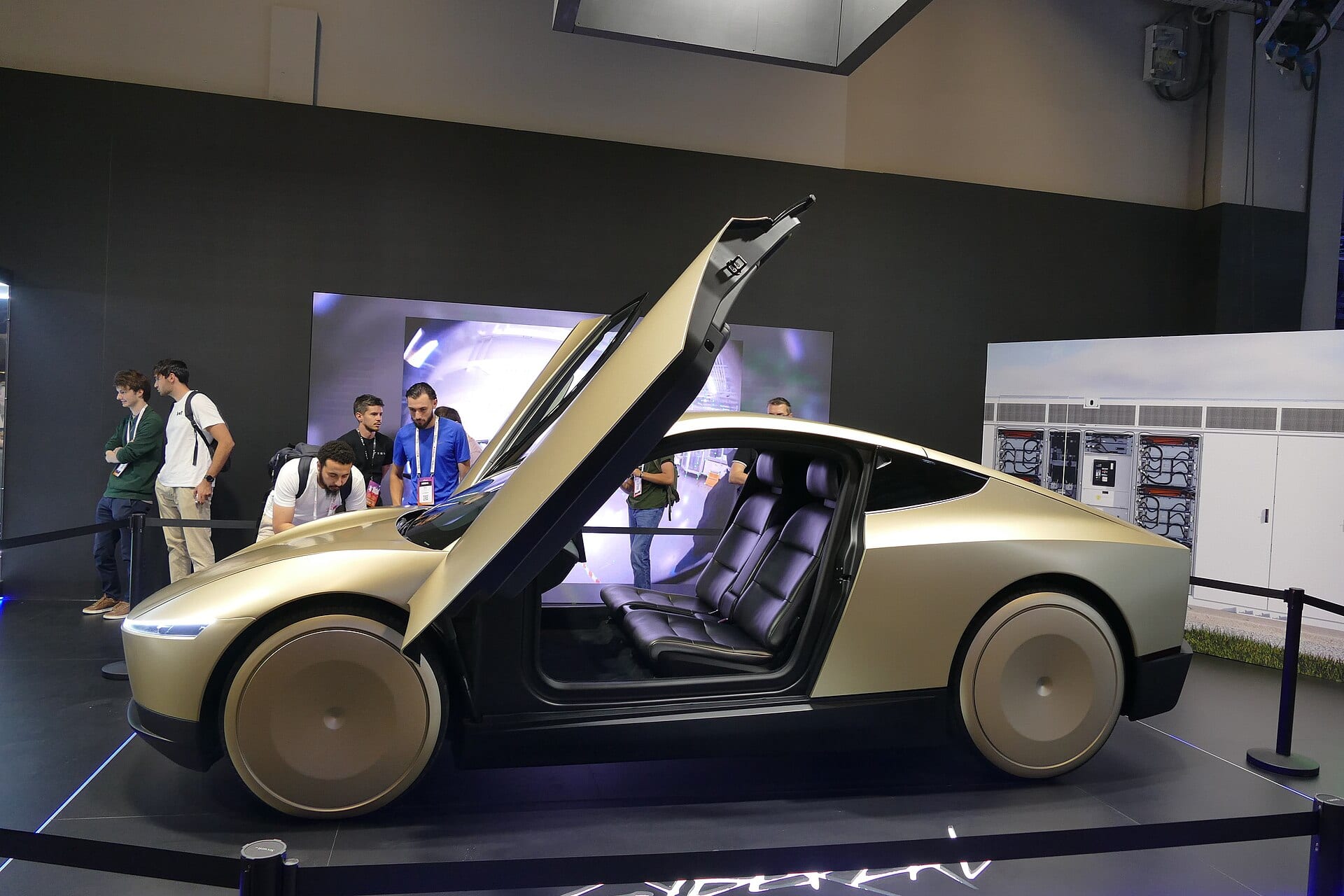
Tesla's−6.32% — Tesla, down 6.32 percent today Cybercab, a two-seat robotaxi built for paid trips and nothing else, began carrying paying passengers in Dallas on November 19, its second city after Austin 45. Waymo already runs fully driverless service in parts of Dallas, so the fleets now compete for the same riders 4. A car built to be cheap per trip competes best against a fleet whose driving earns nothing nearly half the time.
California's Department of Motor Vehicles barred Waymo from the state's freeways after its cars repeatedly entered active construction zones, and Waymo paused freeway rides nationwide on November 17 6. Repositioning now runs on slower surface streets, which pushes the unpaid share the wrong way. Uber−1.78% — Uber, down 1.78 percent today, which today books Waymo's Austin and Atlanta rides, loses that exclusivity in January 2028 7.
The next filing decides whether the growth stuck
None of this argues against robotaxis. The service works at scale, and the remaining value sits one layer up, in the forecasting and dispatch software that turns a solved drive into a full car. The next quarterly filing covers the months in which the new territory fills in 3. If the passengerless share falls, the growth was bought once. If it keeps climbing, every new ride costs more unpaid driving than the one before. Alphabet's fourth-quarter Other Bets loss will price the same months in dollars 2.
Get Robotics & Defense by email, free
Robots, self-driving vehicles, drones and AI in defense. In our daily email, every weekday.

Reader comments
0 comments