Castelion flew Blackbeard from a stand-in for the HIMARS pod, turning the contest into a price fight
The test points to Blackbeard firing from launchers the Army already owns, so its fight with the defense primes (the largest contractors) turns into a price fight. The money behind it is conditional: Navy orders, a venture round at a $13 billion valuation, New Mexico tax credits inside the factory, and an Air Force award with no disclosed value.
 Richard Tangfour-minute read
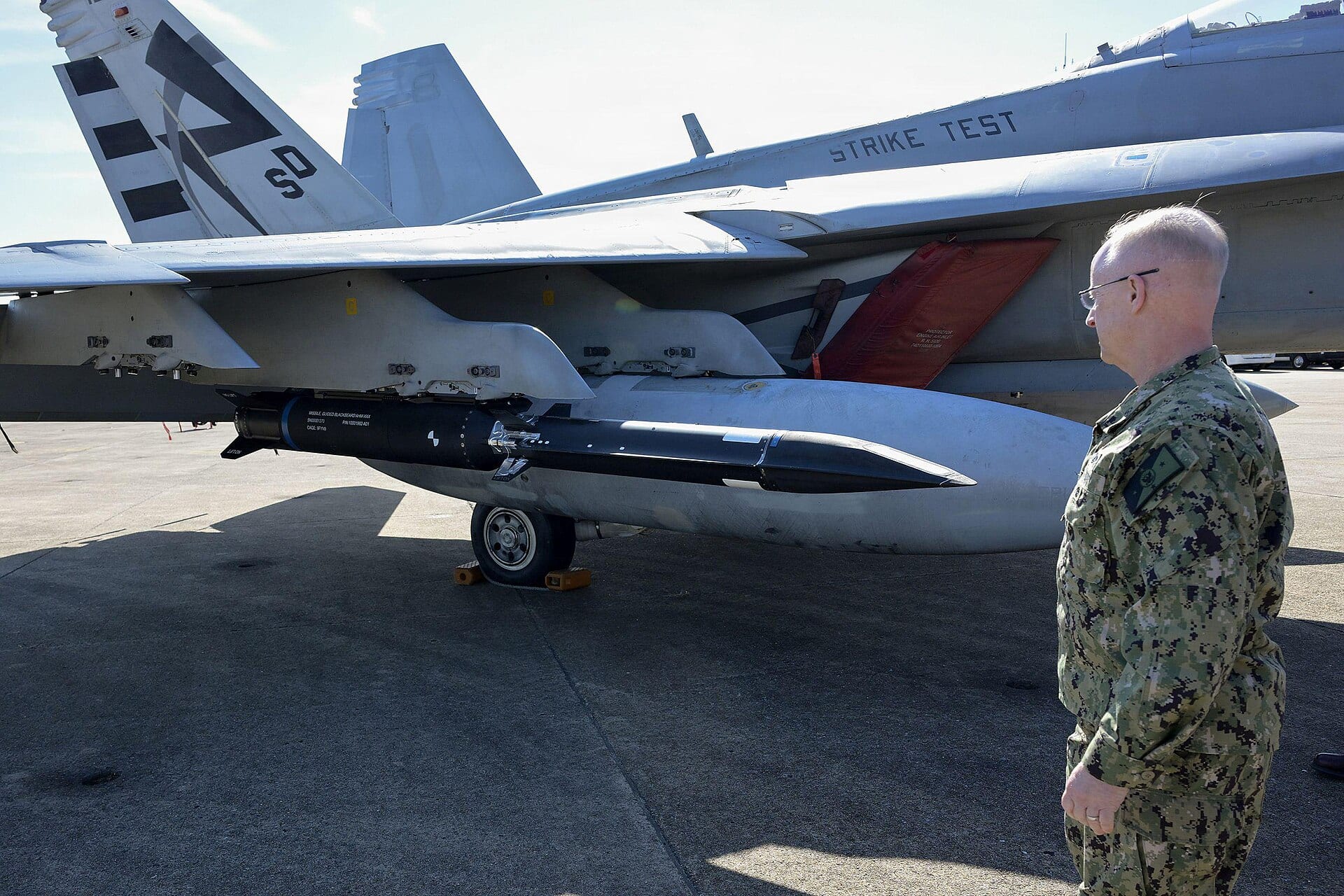
On November 18, 2026, the Army disclosed that Castelion~$1B — Castelion, private, latest valuation ~$1B has flown a two-stage Blackbeard hypersonic missile from a stand-in for the rocket pod the Army's launchers already load, steering itself with thrust-vector control in the first stage 12. The demonstration changes the economics: a missile built for the pods the Army already loads needs no new launcher fleet, so the contest over fielding it turns on price per round.
The missile now fits the launchers the Army already owns
Castelion, the hypersonic missile startup founded by former SpaceX−4.53% — SpaceX, down 4.53 percent today executives, has flown Blackbeard for more than a year 13. The flights run at Dugway Proving Ground, the Army's test range in the Utah desert 13.
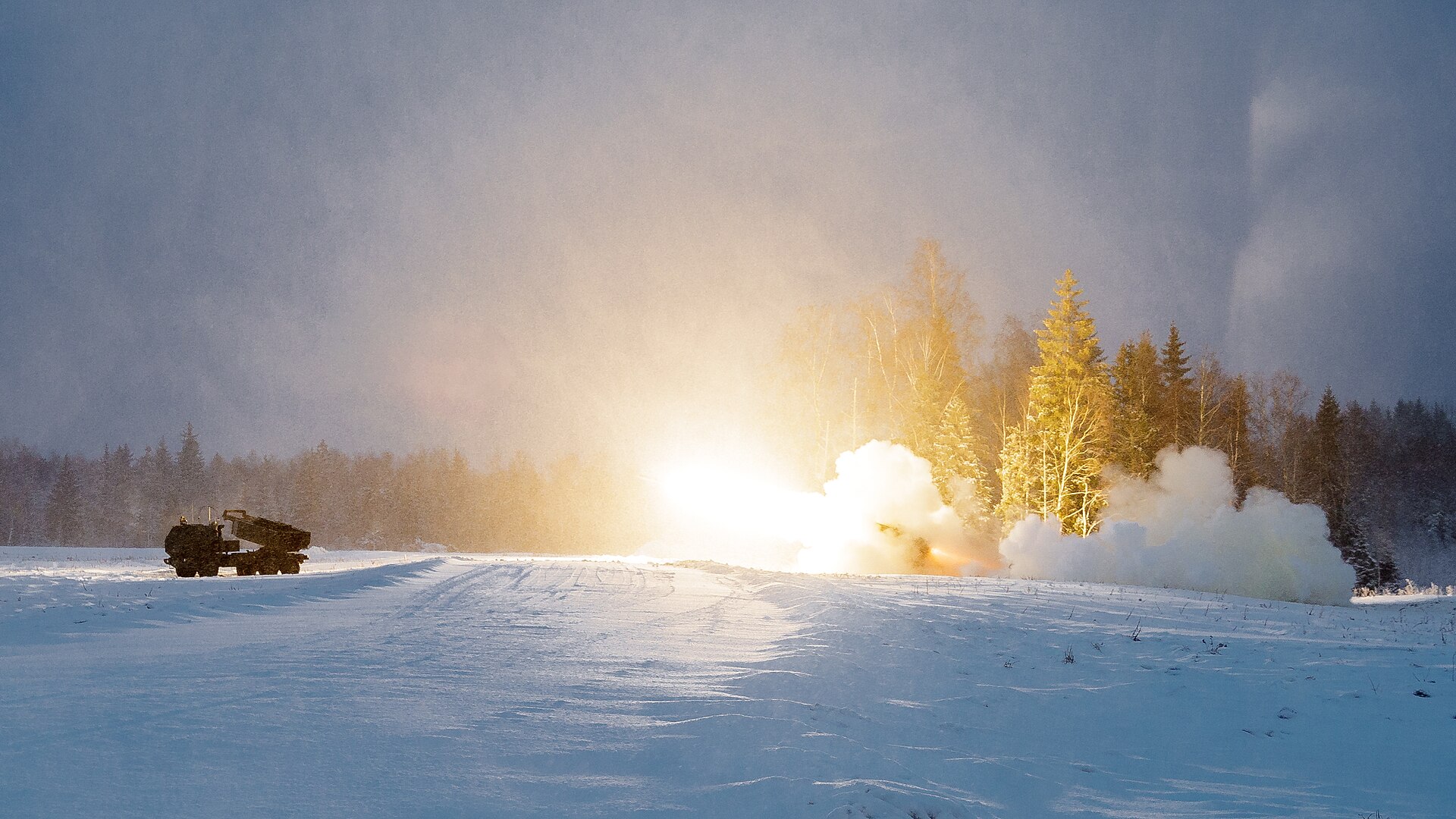
Testing moved from single-stage to two-stage designs, culminating in a launch from a surrogate of the multiple launch rocket system family of munitions pod, the canister the Army's rocket launchers load in the field 1. Blackbeard is designed to fire from those existing launchers, including HIMARS, the High Mobility Artillery Rocket System, the Army's truck-mounted launcher 2.
Shared launchers turn the contest into a price fight
When the launcher is shared hardware, the missile is bought like ammunition. Blackbeard is designed to cost less than $500,000 a round 3. The Air Force has written a matching ceiling into its Counter-Air Missile Program, a plan to buy supersonic ground-launched missiles that shoot down aircraft at 1,000–3,500 rounds a year 4.
The Air Force awarded Castelion two prototype contracts on September 22 for the missile, its launch pod and a containerized launcher, a shipping container fitted to fire missiles; the company announced them on Monday 56. Design, construction and flight testing run over about two years 6. On November 12 Anduril$124.31B — Anduril, private, latest valuation $124.31B, another defense startup, said the Air Force had picked it to prototype a launcher meant to fire missiles from several manufacturers 47.
The disclosed money is Navy and private
The money already moving is easy to trace. The Navy signed a production order for Blackbeard worth up to $200 million in September 5. An earlier order funds fifty rounds for early operational capability, the first rounds fielded before full-rate production 8.
Castelion raised $1 billion in August in a round co-led by the venture firm Andreessen Horowitz, the private equity firm Carlyle and the bank JPMorgan Chase−1.36% — JPMorgan Chase, down 1.36 percent today 9, and we measured the Navy's per-round price against that round's valuation in our report of November 3, 2026.
Private capital dwarfs the Navy's disclosed money, and the Air Force award has no number
The largest conditional piece of the stack is unpriced
- Estimate
Data
| Value | |
|---|---|
| Series C round (Aug. 2026) | $1,000M |
| Navy production order (Sept. 2026) (estimate) | $200M |
| Navy fifty-round order (Aug. 2026) | $90M |
The company now holds agreements with all three services: Navy, Army and Air Force 5, and is building a 1,000-acre campus near Rio Rancho, New Mexico 5. The one award with no number attached is the Air Force's: the prototype contracts carry no disclosed value 56.
Nothing in the counter-air program has flown yet
No Counter-Air Missile Program missile has been shown in flight, and the Air Force has not announced a date for the first test shot 4. Castelion plans to begin manufacturing Blackbeard next year 5, and the New Mexico site is meant to turn out thousands of rounds a year eventually 3.
The listed defense primes Lockheed Martin−1.11% — Lockheed Martin, down 1.11 percent as of its last quote and RTX face Castelion in the Army's fly-off for a 1,000-kilometer missile that must fire from HIMARS launchers 10, as we described in October. Lockheed's own Dark Eagle hypersonic program is reportedly three years behind schedule 3.
New Mexico taxpayers carry the campus; investors hold the upside
The pod test points to Blackbeard firing from launchers the Army already fields, though the Army calls its Dugway work developmental testing, not an endorsement or certification of commercial systems 1. The money around the program already settles who pays, who gains and who carries the risk. New Mexico taxpayers carry the campus through state and local tax credits and bonds 5. Castelion's investors hold the upside, marked at the $13 billion valuation the August round set 9. Castelion carries the risk of design, construction and flight testing inside two years 56.
What to watch is whether the missile, its launch pod and its launcher clear flight test and integration on that two-year clock, and whether Blackbeard enters mass production next year 56. Dugway adds the next fixed date: from February 1 to 5, 2027, it hosts an electromagnetic unreliability test for counter-drone systems and low-cost interceptors, assessing them under communications and navigation disruptions 1.
Get Robotics & Defense by email, free
Robots, self-driving vehicles, drones and AI in defense. In our daily email, every weekday.



Reader comments
0 comments