xAI's Grok 4.8 entered training 57 days late with no price card; Anthropic pays SpaceX $1.25 billion a month
The 57-day wait bought a serving stack xAI wrote itself, and the delay ends with no scores and no price. For a SpaceX shareholder, the unpublished price card for 4.8 is the next receipt.
 Richard Tangtwo-minute read
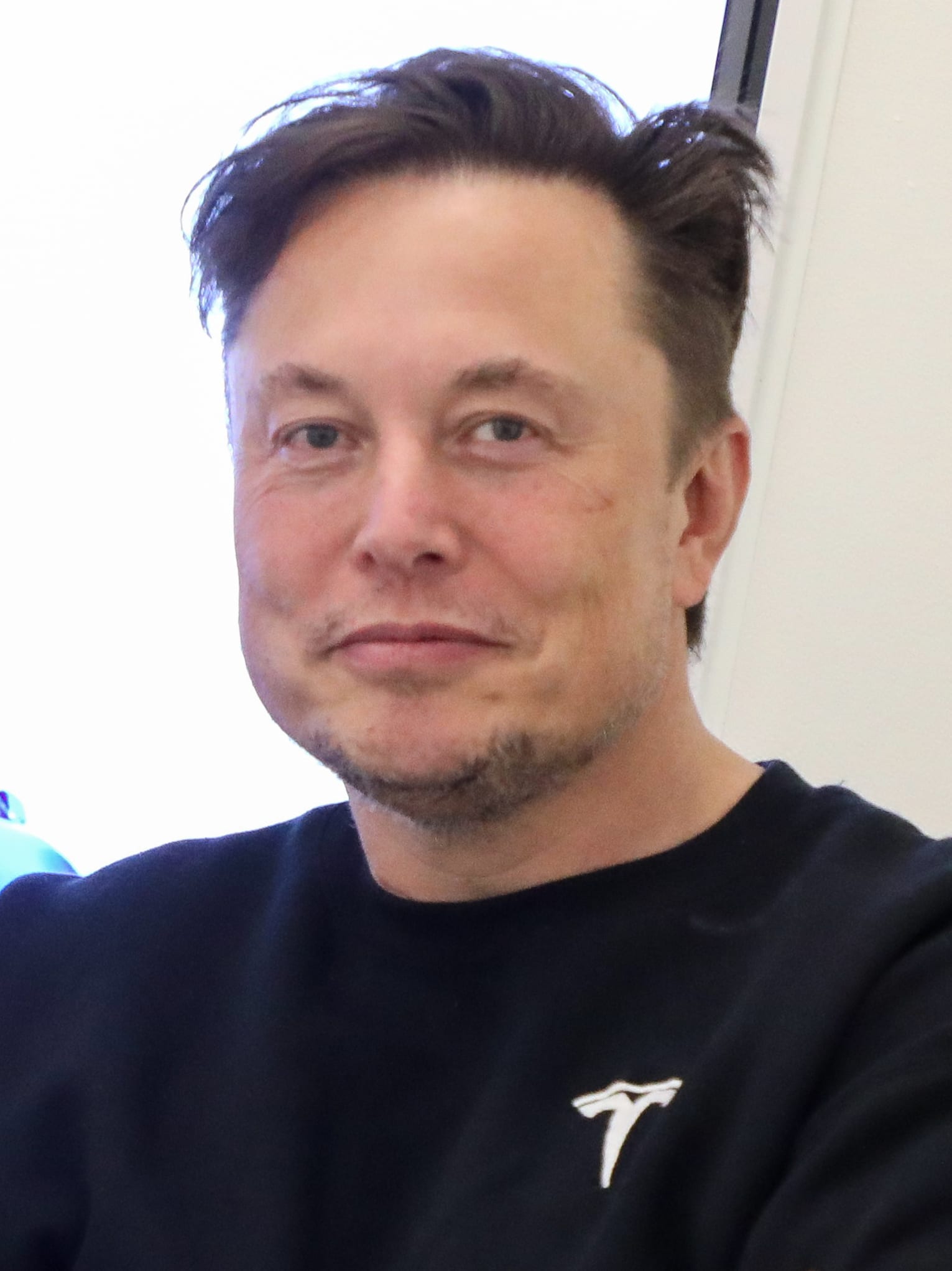
xAI$200B — xAI, private, latest valuation $200B put Grok 4.8 into reinforcement learning on November 10, 57 days after Elon Musk said it would start RL that week, and it arrives with no benchmark scores and no price card 1. Musk's explanation is that xAI spent the time "dumping JAX/SGLang" and rewriting its entire training and serving stack in C/C++ 1. For a SpaceX+1.03% — SpaceX, up 1.03 percent today investor, what matters is not the evals but what the model costs to serve, and what it sells for.
The rewrite is a margin decision
The delay reads as an investment in the serving layer. Back on September 14, Musk had already described Grok 4.8 as "a 2.5T model trained with our new C++ software stack" 1; this week's post extends that rewrite from training into inference, the step that answers users. The old stack ran on JAX, a research project rather than an official Google product, and SGLang, an open-source serving framework 1.
Owning that code is the margin fix for a business that reaches roughly 118 million monthly users and collects from only about 2.4 million paying SuperGrok subscribers, xAI's paid subscription tier 2. Musk admitted in early November, as we reported, that serving Grok Bot costs more than those subscribers pay 3.
Price tells the same story. Grok 4.7, launched September 21, sells at $2 per million input tokens and $6 at output 1. Anthropic$350B — Anthropic, private, latest valuation $350B cut Claude Fable 5.2 to $8 and $40 on November 9, the eve of its own IPO; Google's+0.31% — Google, up 0.31 percent today catalog listed Gemini 4 Carbon at $4 and $20 on November 10 1. A lab that undercuts its rivals on price needs its own code to turn electricity into answers cheaply.
Grok 4.7 undercuts the new frontier models on input and output tokens
Grok 4.7 undercuts the new frontier models on both input and output tokens
- per million input tokens
- per million output tokens
Data
| per million input tokens | per million output tokens | |
|---|---|---|
| Grok 4.7 | $2 | $6 |
| Gemini 4 Carbon | $4 | $20 |
| Claude Fable 5.2 | $8 | $40 |
Who pays xAI today is Anthropic
xAI sits inside SpaceX, which has filed to go public; its website footer already reads SpaceX Super Intelligence LLC 1. SpaceX's prospectus says Anthropic agreed to pay $1.25 billion a month for compute, a package that includes roughly 325,000 Nvidia−4.65% — Nvidia, down 4.65 percent today GPUs 1. That customer is the reason the price card matters: SpaceX's AI segment absorbs most of the company's capital spending, $16.4 billion of $19.6 billion in the third quarter, and needs revenue that covers it 1.
The number to watch is the price 4.8 ships at
If 4.8 ships on code xAI wrote itself at 4.7's prices, the AI segment can serve cheap tokens profitably and rent the same capacity to the labs it undercuts. If the stack underperforms, the 57 days and that capital spending have no product to show for them. Musk's rollout to Bot users this week will show whether the foundations hold; the price card will show whether they pay.
Get Model by email, free
The AI labs, their models, and the business behind them. In our daily email, every weekday.