Anduril pitches Steelfin at less than half Lockheed Martin's PAC-3 MSE cost; no variant has flown
Anduril's new interceptor family claims most of a Patriot PAC-3's capability for under half its cost. No variant has been flight-tested and no quantity is contracted, but the Pentagon is already shopping the cheap end of the market, and Lockheed Martin is defending both ends of its own ladder.
 Richard Tang · 4 min read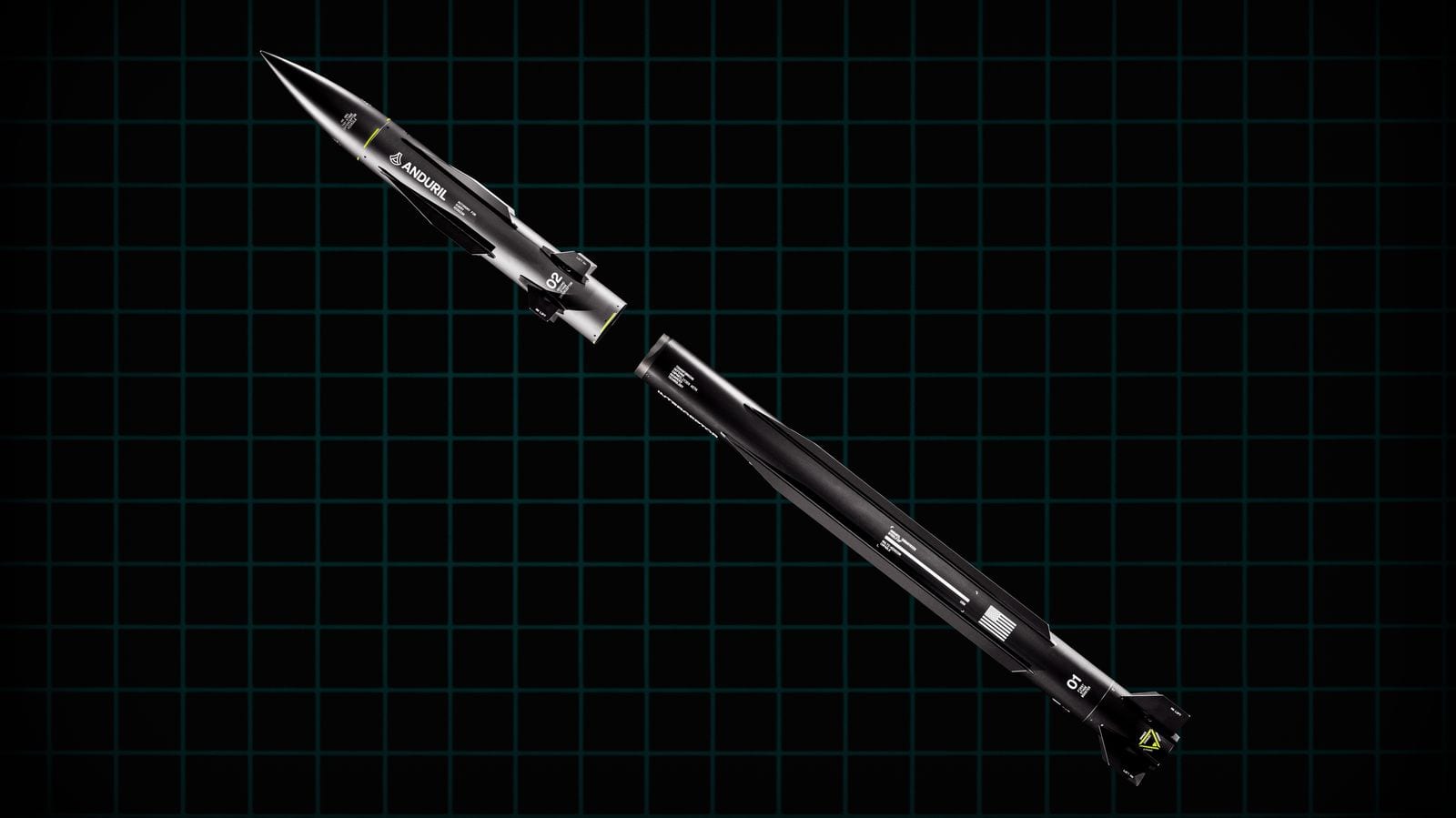
Anduril$116.89B — Anduril, private, latest valuation $116.89B unveiled the Steelfin interceptor family at the Association of the U.S. Army's annual convention on October 12, 2026, and the announcement that matters is a price list 12. Steve Milano, who leads Air Dominance and Strike at Anduril, said a Steelfin variant would fly about 80 percent of the Patriot PAC-3 MSE's mission for less than half that interceptor's cost 13. A larger one, he said, would cover the entire THAAD mission for a fraction of the price, and a naval version more than 80 percent of an SM-2's capability for a third of the cost 13.
Anduril claims 80 to 100 percent of each mission at half the price or less
- Mission Anduril says Steelfin covers
- Price as share of the incumbent's
- Estimate
Data
| Mission Anduril says Steelfin covers | Price as share of the incumbent's | |
|---|---|---|
| vs PAC-3 MSE (estimate) | 80% | 50% |
| vs THAAD (estimate) | 100% | — |
| vs SM-2 Block IIIC (estimate) | 80% | 33% |
Steelfin arrives unproven
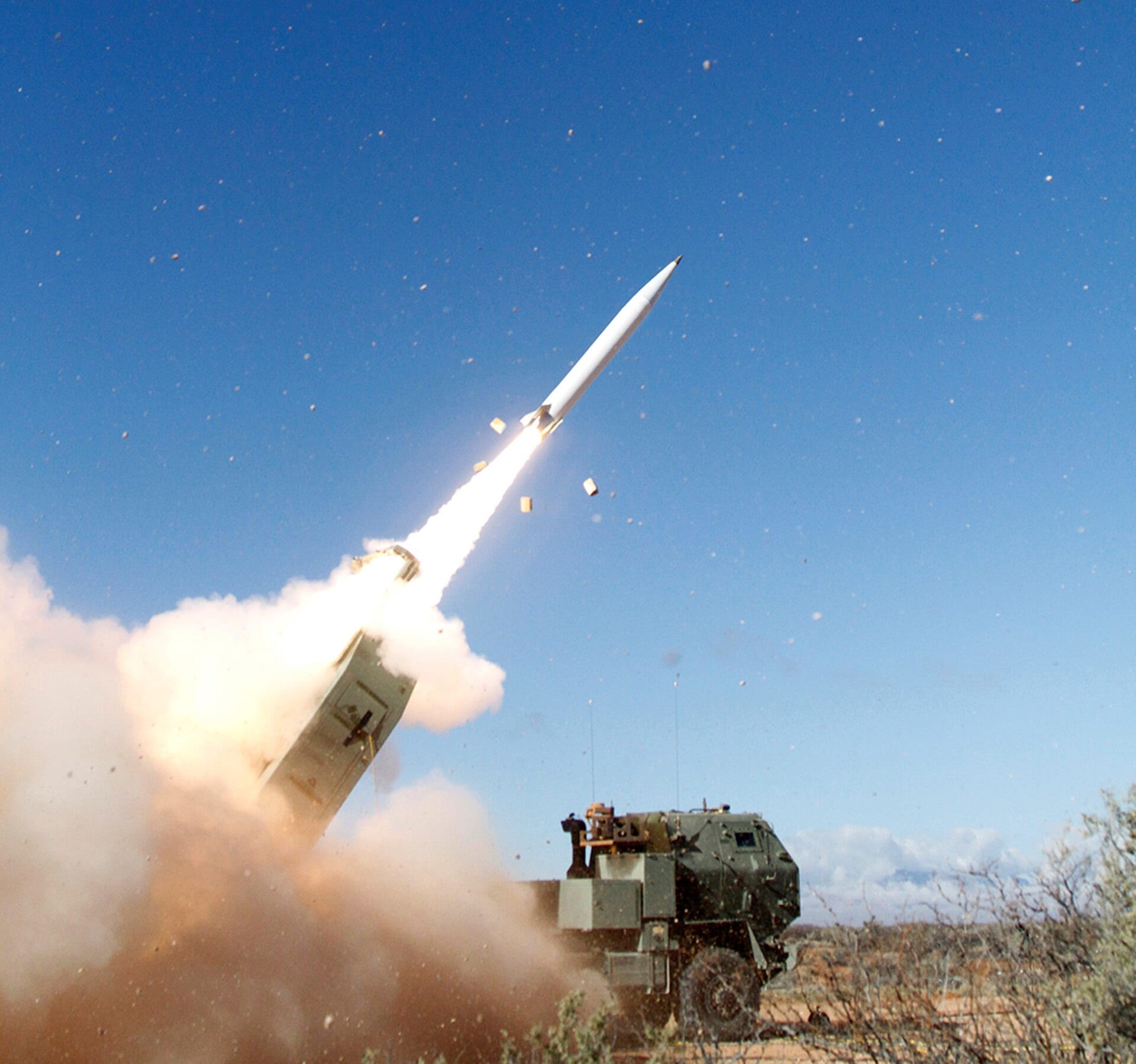
Lockheed Martin−1.25% — Lockheed Martin, down 1.25 percent today builds both of the Army missiles in those claims: the PAC-3 MSE, or Missile Segment Enhancement, the current Patriot round, and THAAD, the Army's high-altitude shield 45. The threat to Lockheed is not one missile but the manufacturing doctrine behind the claims: a common production line able to attack every product at once. Steelfin arrives unproven. Ballistic tests with representative vehicles are done, but no variant has been flight-tested, the first flights come in 2027, and no quantity is contracted 16.
The interceptors Steelfin attacks cost $2.5M to $15.5M a shot
Data
| Value | |
|---|---|
| THAAD | $15.5M |
| PAC-3 MSE | $5.3M |
| SM-2 Block IIIC | $2.5M |
The design is a production line
Steelfin is a two-stage missile: a booster that changes with the mission, and a terminal stage that shares one airframe, one set of avionics, one software base and one set of interfaces across every variant 6. Open interfaces let Anduril buy seekers and other components from competing suppliers, commercial parts included 67.
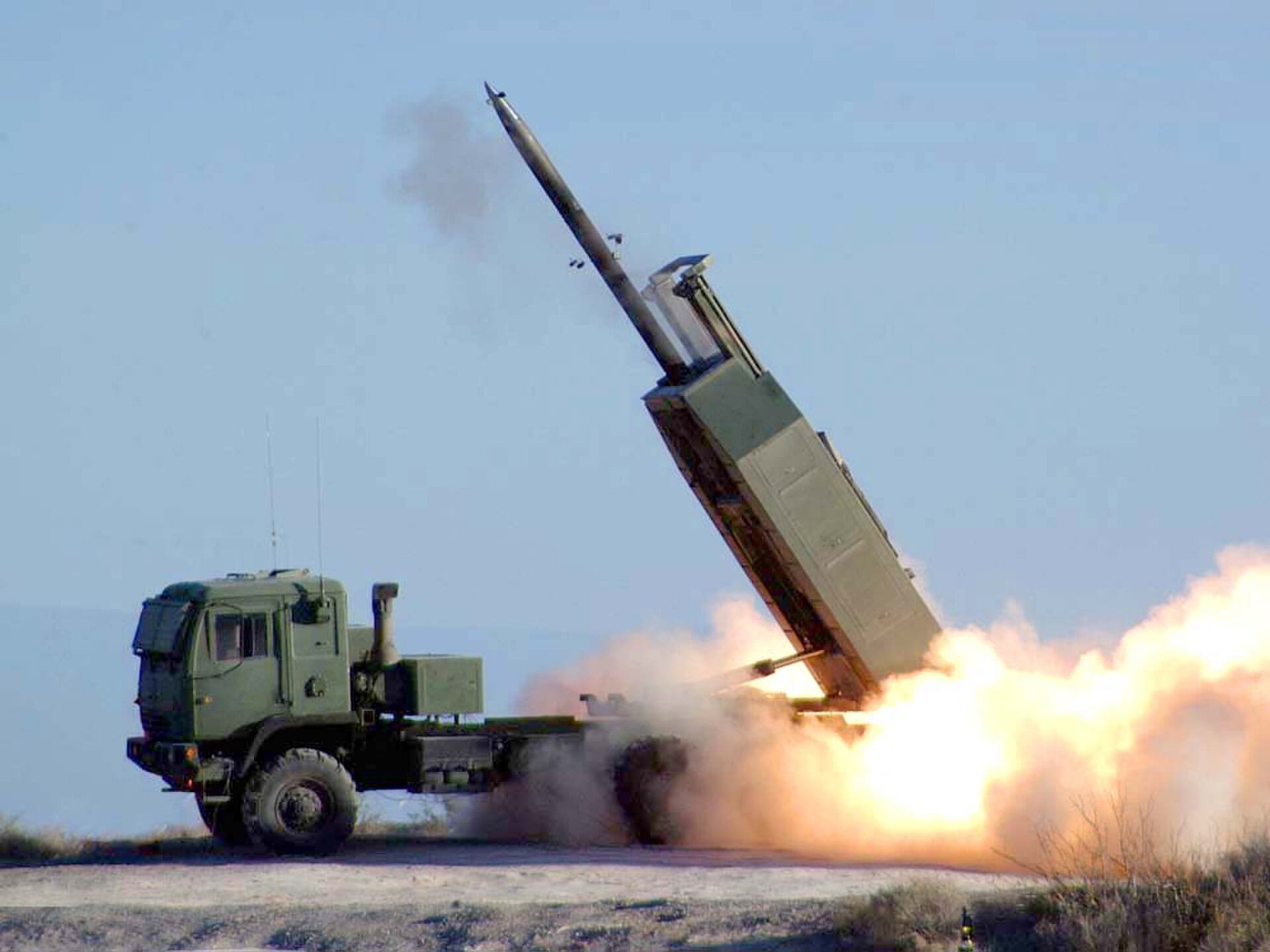
The cost claim lives in the factory: every variant moves through one line with the same tooling and technicians, so output shifts toward whichever missile the fight demands 6. Anduril plans several thousand interceptors a year at first, full-rate production by the end of 2028 or the start of 2029, and volumes Milano puts "closer to hundreds of thousands" if demand arrives 26. The variants fit launchers and fire control the force already fields, the Patriot M903A2, the Navy's Mk 41, the Army's Typhon, AEGIS and IBCS, so a buyer adds missiles rather than infrastructure 16.
The buyer moved first
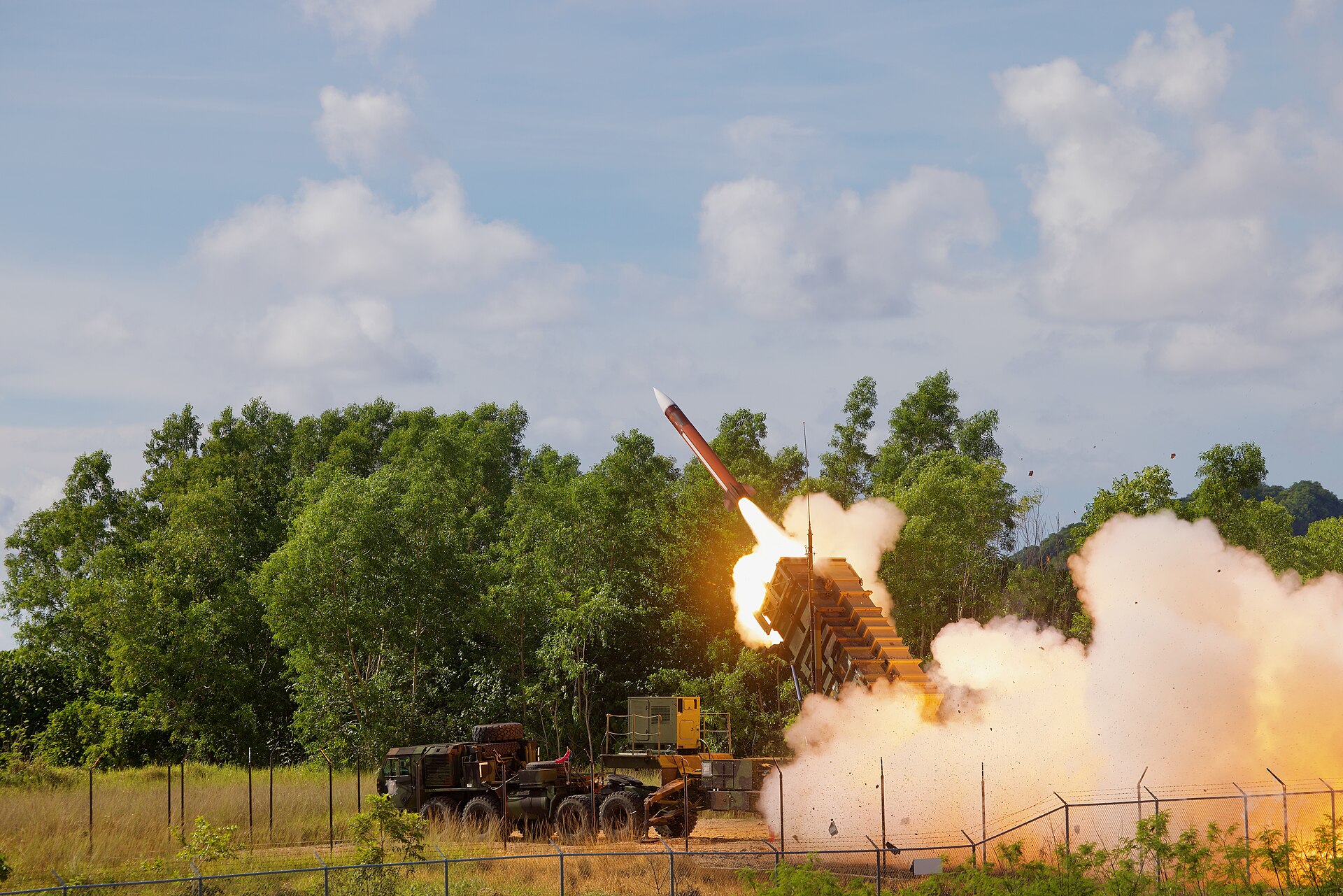
Anduril president Christian Brose told reporters the force is "struggling with a set of legacy interceptors that are not scalable" against drones and missile raids 2. Procurement agrees with him. In May the Army asked industry for a Patriot-compatible interceptor under $1 million, and the Navy is pursuing its own modular missile family 1. Anduril is already through one gate, picked after the Army's xTech Apex Intercept competition to advance to testing and demonstrations in that low-cost program 2.
Lockheed is defending both ends of its ladder
Lockheed has the exposure, and it is already moving. A seven-year PAC-3 agreement announced in January was raised in July by a modification worth up to $53.86 billion, lifting the multiyear total to $58.62 billion, with the aim of more than tripling annual output 5. Days before Anduril's launch it unveiled the PAC-3 Edge, a more capable Patriot round for the Army's Future Interceptor program, alongside the PAC-3 ACE, a cheaper interceptor pitched at under half the MSE's price 589.
The incumbent is segmenting its own market before anyone takes it away. The open difference is the factory: Lockheed's cheaper round will come off the same Camden, Arkansas line as the exquisite one, while Anduril intends to build most Steelfin subassemblies at Arsenal-1, its plant in Ohio 25.
The missing link is certification
Anduril has never fielded a surface-to-air missile, and modular interceptor programs have a long record of compromise 1. Fitting existing launchers is not the same as being cleared to fire from them; every configuration still has to pass integration and safety testing 3. Until variants fly in 2027 and a contract names a quantity, the price numbers stay a pitch 16.
Two decisions for the calendar
Anduril is private, valued at $61 billion in May, so the fight has one listed side: Lockheed owns the franchises under attack 10. Holders can put two decisions on a calendar: the Army's award under that sub-$1 million solicitation 1, and Future Interceptor testing in 2027, which Lockheed's Edge enters against one unnamed rival, the same year Steelfin first flies 125. Anduril declines to say whether it is that rival 2. Whoever certifies a cheap missile into launchers the Pentagon already owns will deserve the volume that follows.
Deepdive
AI-generated from this story and its cited sources. Not investment advice.