The Army Paid Lockheed $1.2 Billion, Then Put Its Next Missile Up for Bid
Fifteen days after paying Lockheed Martin $1.2 billion for PrSM Increment 2, the Army split Increment 4 among five prototype shops, three of them venture-backed. Refills are certain; the franchise is now contestable.
 Vincent Jiang · 4 min read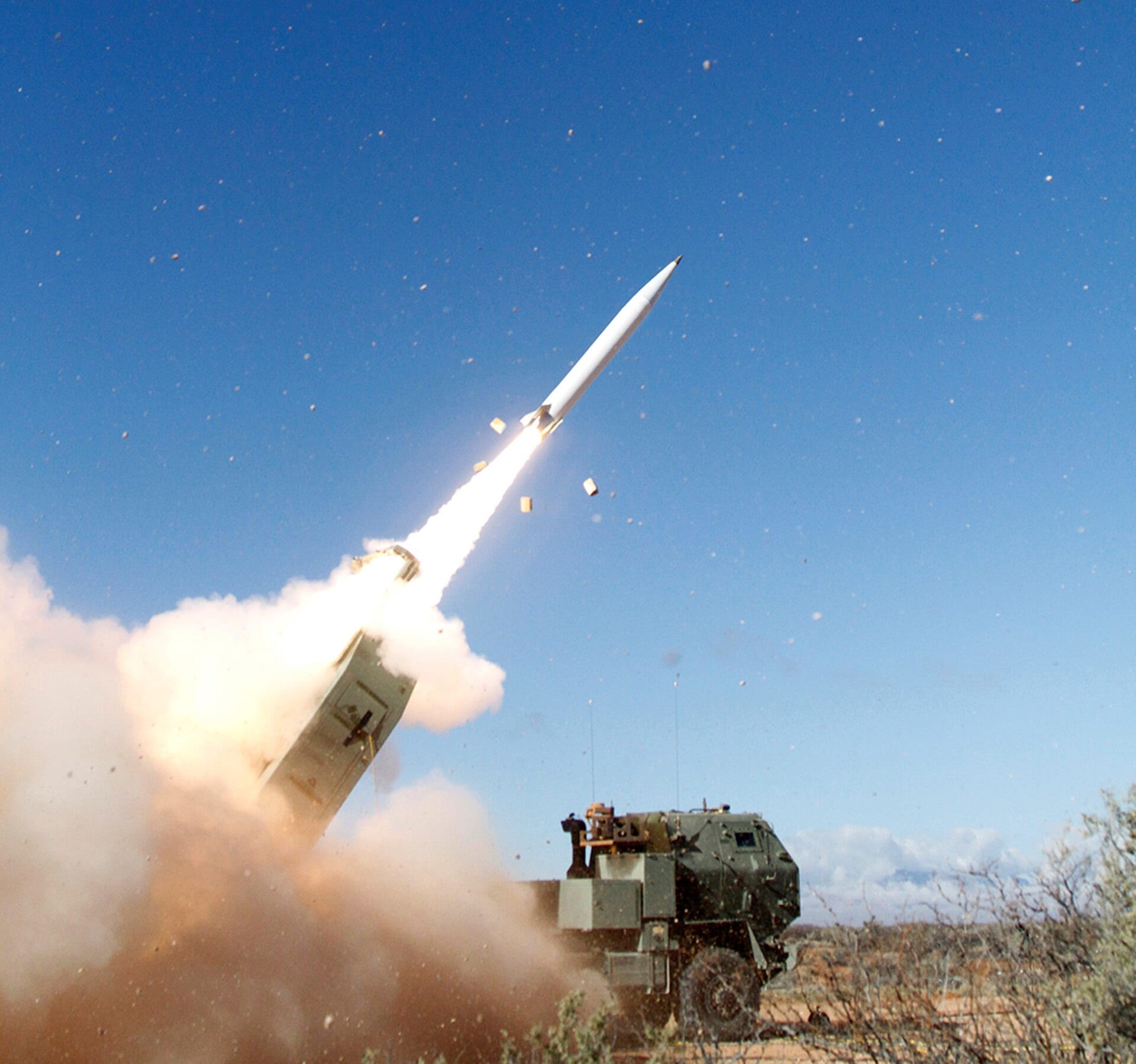
One missile, two decisions, fifteen days apart
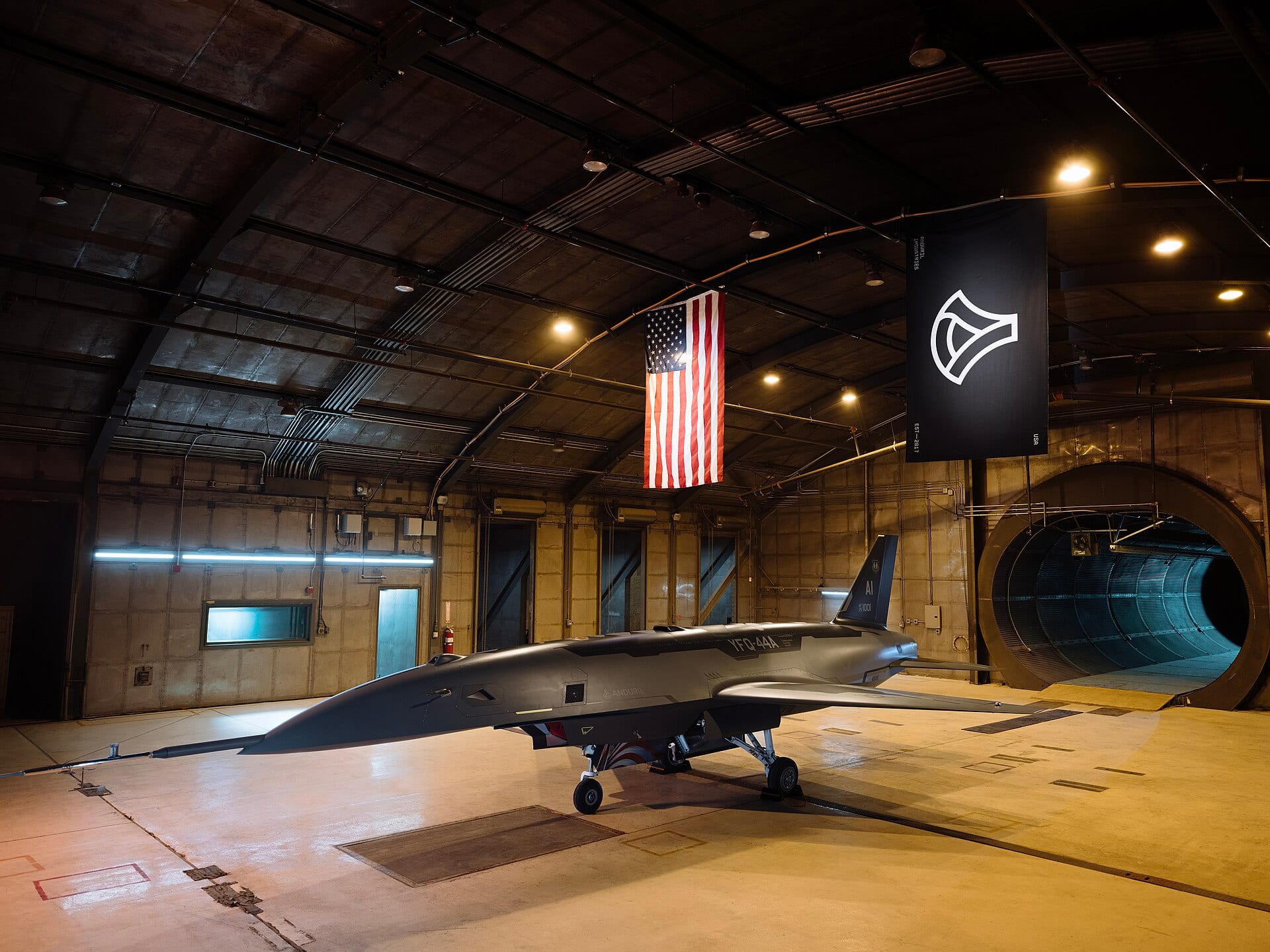
On 14 September 2026 the Pentagon awarded Lockheed Martin (NYSE: LMT) $1.2 billion for early-operational-capability Precision Strike Missile (PrSM) Increment 2 munitions, with work running to September 2031 1. Fifteen days later the Army signed five separate prototype agreements for Increment 4 and dropped Lockheed into a race with Anduril, Castelion, Mach Industries and RTX (NYSE: RTX) 2. No dollar value was attached to any of the five 3.
Lockheed's current line is the prize: in June the Army expanded a $4.9 billion Increment 1 contract to $13.3 billion, roughly 1,000 missiles a year between fiscal 2025 and 2032 1, the production line Increment 4 is positioned to inherit.
An empty magazine makes refills certain, not the franchise
PrSM was fielded in the opening salvos of the war with Iran that began 28 February 2026, and Reuters has reported Washington expended "virtually all" of its PrSM and ATACM missiles in the conflict 1. Refill money reaches the incumbent by default. The future was repriced in April, when the Army re-solicited Increment 4, restarting a competition it had awarded in 2023 to Lockheed and an RTX-Northrop Grumman team 3. Northrop Grumman is absent from the new five 2; RTX, which declined to comment, now bids alone 3.
The range ask doubled while the field grew from two to five
Increment 4 must launch from HIMARS and hit moving ships and relocatable land targets at 1,000 kilometers or greater 2. The baseline in service is built to exceed 400 km 4; Increment 2, now in early operational capability, was designed for 500 3. A fiscal 2027 fly-off cuts the field, a final fly-off follows in fiscal 2028, and the April solicitation allows a final down-select as late as fiscal 2030 3.
The range ask doubled: Increment 4 must reach 1,000 km
- Stated range
- Estimate
Data
| Stated range | |
|---|---|
| Increment 1 (in service) | 400 |
| Increment 2 (in production) | 500 |
| Increment 4 (required) (estimate) | 1,000 |
The venture bench arrives with its own money
Castelion closed a $1 billion Series C in August at a $13 billion valuation, equity co-led by JPMorganChase's Strategic Investment Group, Andreessen Horowitz and Carlyle (NASDAQ: CG), on top of more than $500 million in US military contracts over 18 months by its own count 5. The money will fund "a longer-range strike weapon" that "will use components and manufacturing techniques from Blackbeard", the company said; no range, cost or timeline was disclosed, and nothing on the record ties that weapon to its Army entry 5.
That is the Army half of a bet whose Navy half this publication tallied on 27 September: a $200 million Blackbeard production award on 15 September, after $23.4 million in June for pre-production prototypes 6, and two test articles flown on a Super Hornet at Patuxent River last week 7. Castelion was contracted last year to fit Blackbeard on HIMARS 8.
Anduril raised $5 billion at a $61 billion valuation in May; Mach Industries was Sequoia's first defense investment 910. Three of the five bidders run on venture money, $6 billion of it raised this year by Anduril and Castelion alone, with Castelion's New Mexico factory self-funded 5. The Army buys five shots at the successor missile; the dilution sits with private holders, not the taxpayer.
The incumbent keeps the lead until a fly-off says otherwise
Lockheed already holds the contracts for the first two increments 8, and Army budget documents expect Increment 4 to pair new propulsion and a new warhead with the Increment 2 seeker 4. In June, Lockheed and L3Harris demonstrated a "flawless booster-to-ramjet handoff" toward an air-breathing design meant to exceed 1,000 km, with full flight tests due this fall 34.
The same play ran again within a day
On 30 September the Air Force and the Defense Innovation Unit named seven firms to replace the MQ-9 Reaper at about $10 million per airframe, 500 wanted by 2032, after Iran operations cost dozens of Reapers 11. Watch the fiscal 2027 fly-off, Lockheed's fall flight tests, and whether its 2023 award carried over, a question the company has not answered 3. Either way the magazine gets refilled; who loads the next one is now up for bid.
Deepdive
AI-generated from this story and its cited sources. Not investment advice.