Arizona's AI power boom now turns on a 63-year-old coal plant and a rate case
Pinnacle West trades at a premium to Duke on the expectation that Arizona's data-center-driven load doubles and compounds into earnings. Whether it compounds, or lands on household bills, is now a decision for the state's utility commission, with a coal plant's life and a rate case in the balance.
 Richard Tang · 3 min read
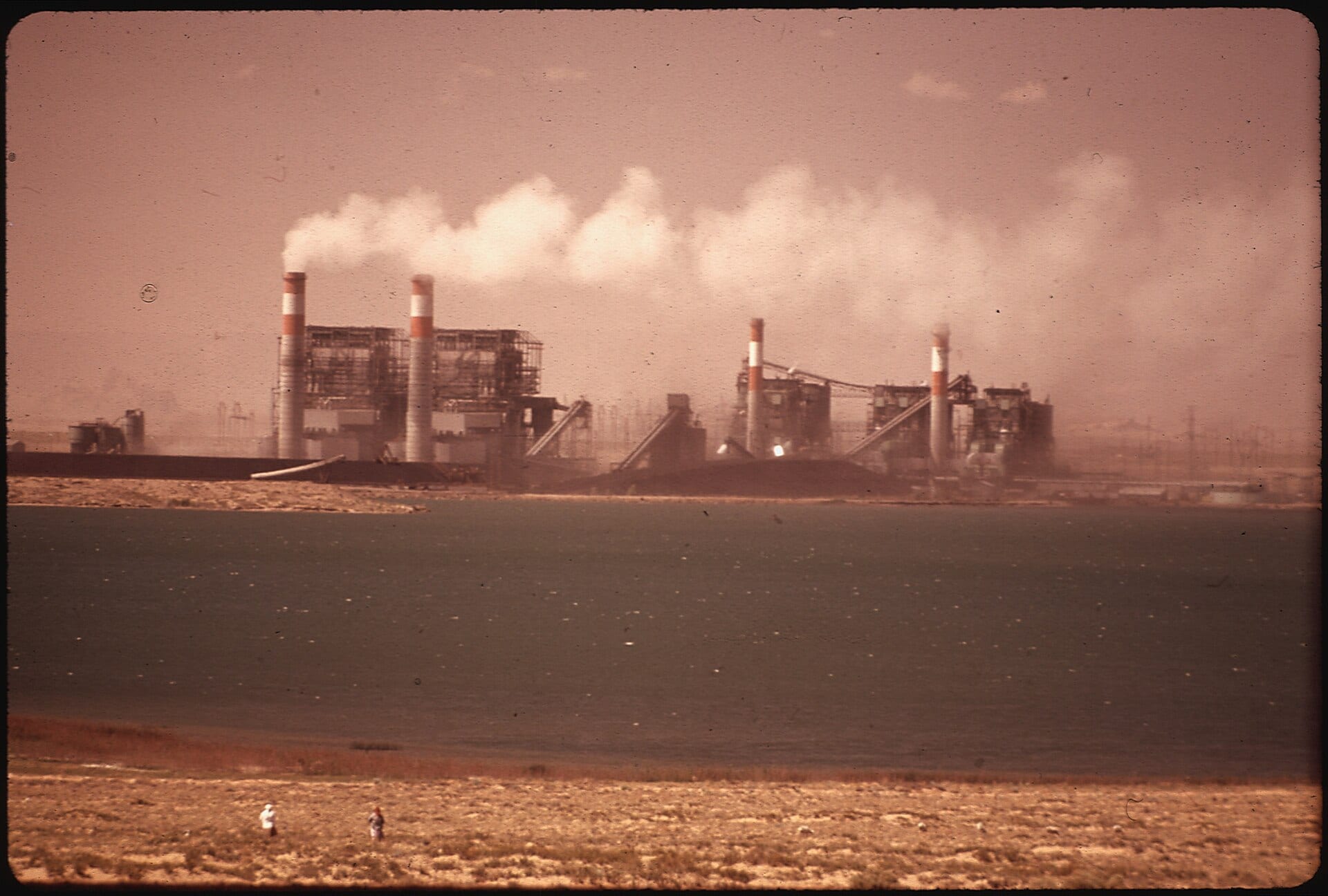
The AI build-out in Arizona has left the engineering stage and entered the accounting one. Arizona Public Service (APS), the state's largest electric utility, told investors this month that it now expects electric sales to grow 5-7% a year through 2030, up from 4-6% 1. Its 2025-2028 capital plan rises to about $10.8 billion 1. The first physical consequence is a 63-year-old coal plant 12, and whether all that spending compounds into earnings now rests with the Arizona Corporation Commission, not with the data centers.
The doubling is booked, not forecast
Compute is the load. In Arizona the buyers are data centers and the chip fabs clustering around them, and sales to those extra-high-load-factor customers are up 13.6% so far this year 1. APS put the scale in one line on the Nameplate podcast: "It took us 140 years to get to nine gigawatts, and we're going to double that over the next 10 to 15 years" 3. Behind the committed growth sits a queue APS has not signed but says it must be ready to serve: more new demand than the entire grid the utility spent a century building 1.
APS must be ready for uncommitted load more than twice the grid it runs today
Data
| Value | |
|---|---|
| Peak demand, 2025 | 8.6 GW |
| Committed growth | 4.5 GW |
| Uncommitted queue | 20 GW |
The first move is to keep coal running
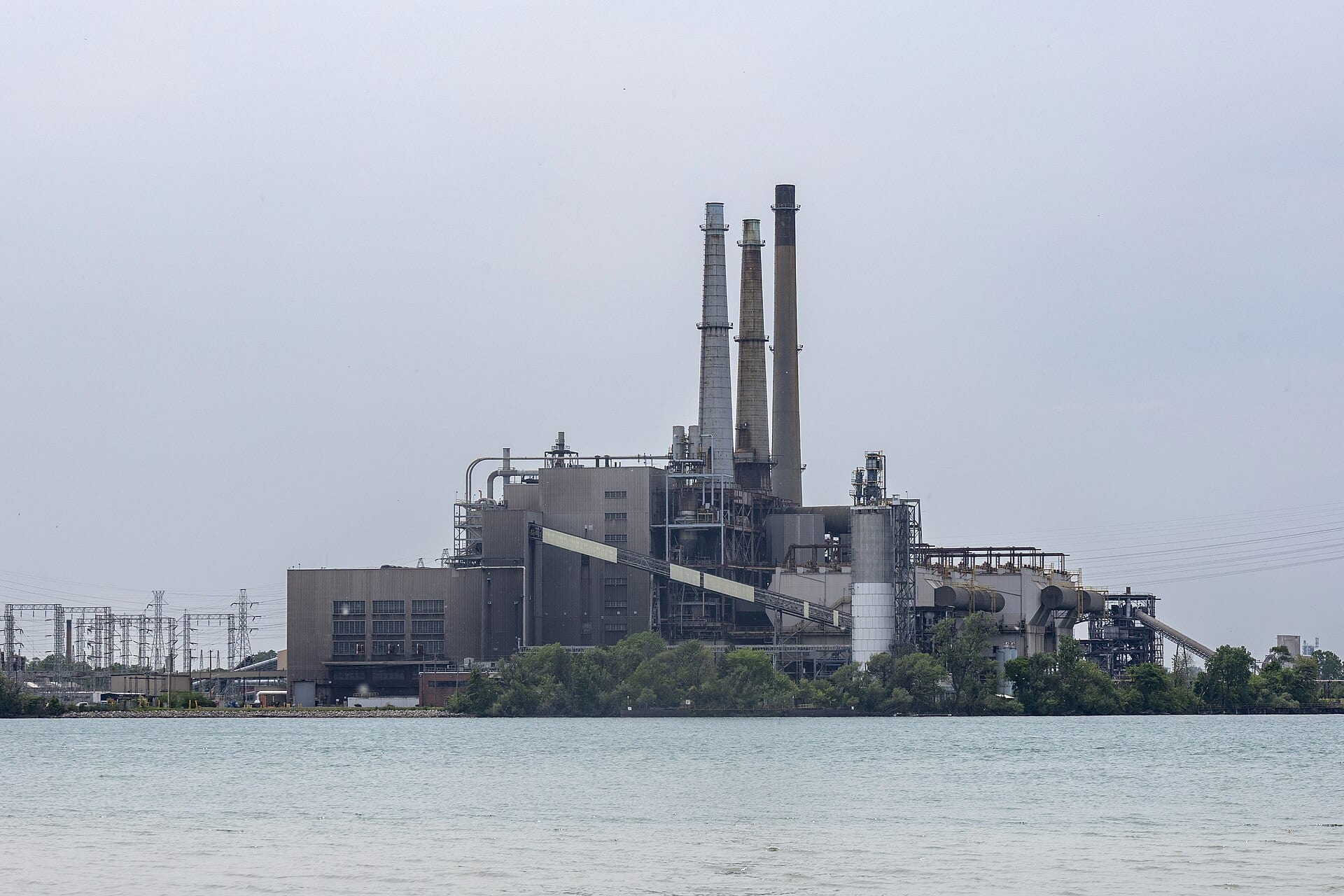
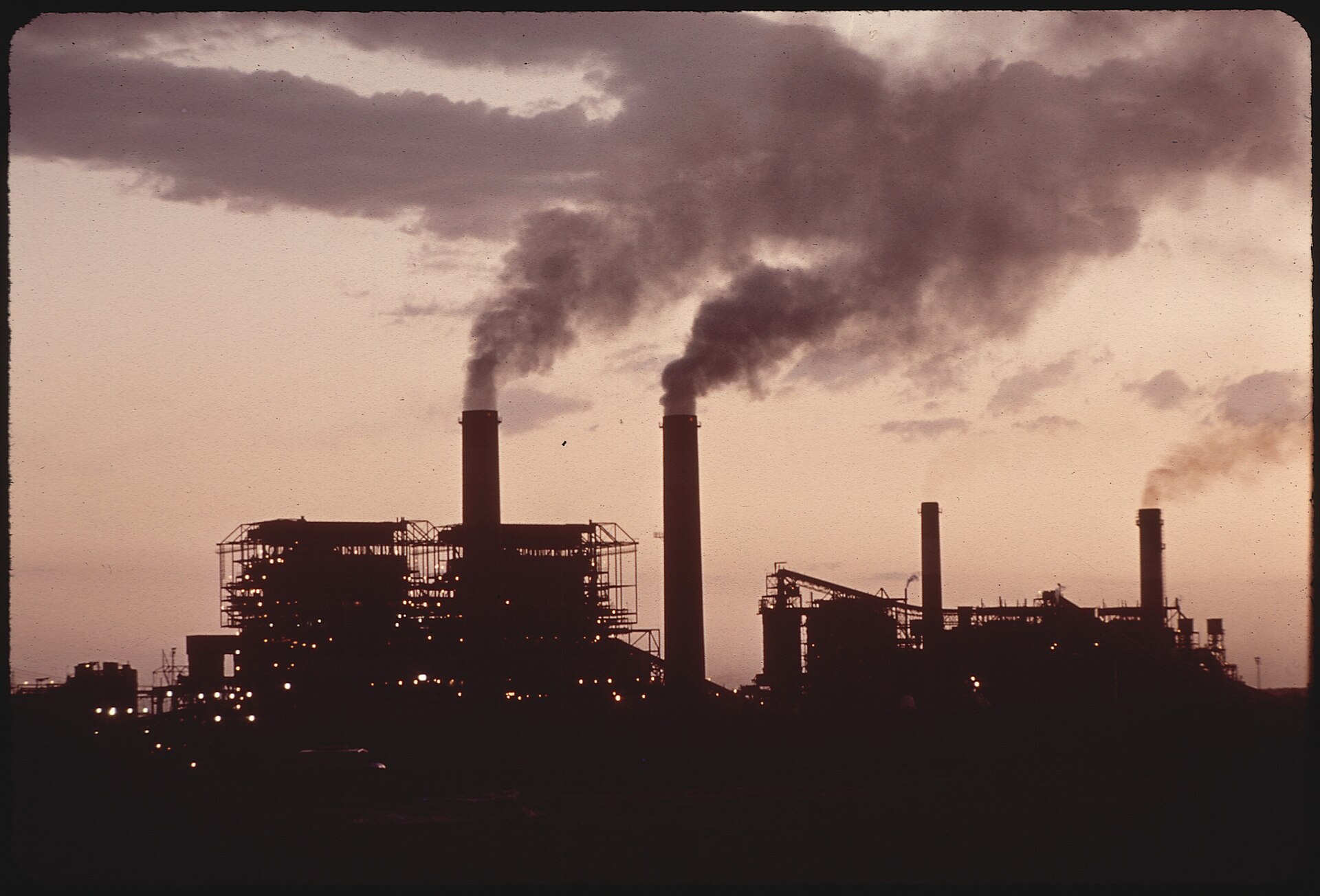
Generation comes before wiring. APS's current resource plan had it exiting the Four Corners plant, its last coal station, in 2031 2. A confidential September agreement with Navajo Transitional Energy Company, whose mine supplies the plant's coal, could keep it running until 2038 2. APS says staying longer lowers customer costs 2; the mine and plant also provide about 35% of the Navajo Nation's general fund 4. The updated resource plan that settles the plant's future reaches the commission this month 2.
Who pays for the growth is the contested layer
Pricing sits on top of the plant. APS has proposed "direct assignment of generation costs (to large loads) to ensure growth pays for growth" 1. That principle is disputed on the record: a consumer advocate alleges households and small businesses paid $587 million toward data-center growth between 2023 and 2025, an analysis APS calls misleading, while in its open rate case APS is seeking a 45% increase on large-load customers 5. Residential customers get a $14 credit on their November bills 6, and two commission seats are on the same month's ballot 5.
The premium waits on the commission
Pinnacle West+1.81% — Pinnacle West, up 1.81 percent today, APS's parent, trades at 19.85 times earnings against Duke Energy's+2.08% — Duke Energy, up 2.08 percent today 18.24 7. That premium pays for the doubling before anyone has ruled on who funds it. The load is observable; the price is a projection until the commission decides the rate case and the resource plan. Growth paying for itself is the right design, and the fastest way to keep building. The dated markers are the plan this month and third-quarter results before the open on November 3 7.
The doubling is booked. The invoice is still being negotiated.
Deepdive
AI-generated from this story and its cited sources. Not investment advice.