Blue Origin asks the FAA for 50 launches a year from a pad that has flown once in 2026
A 68-page draft environmental assessment is the first public cadence figure behind the $140bn round: up to 50 New Glenn launches a year from the only pad the rocket has. Comments close 30 October, which makes the FAA docket the one live clock on a forecast of more than $30bn of revenue by 2030.
 Vincent Jiang · 3 min read
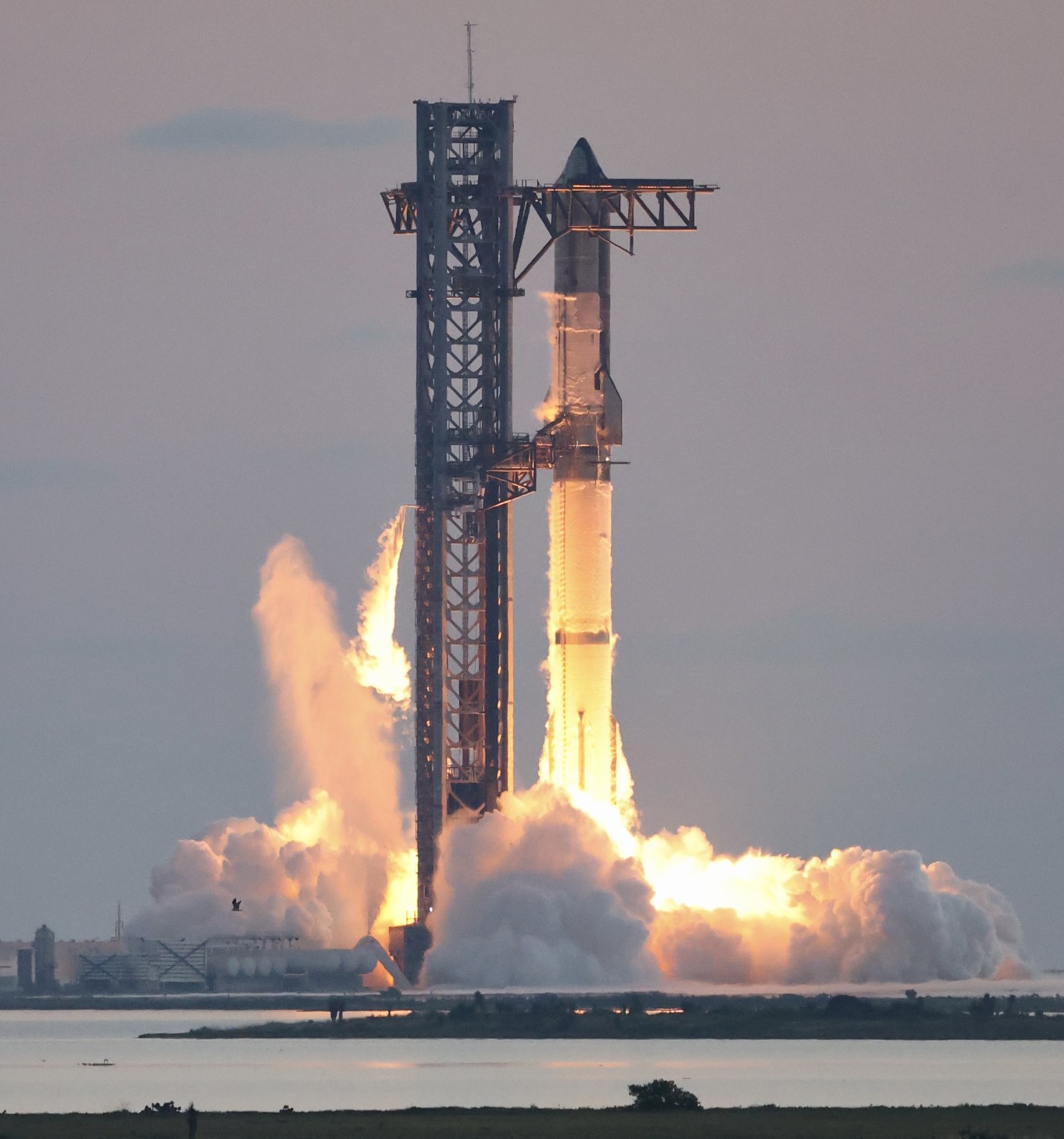
The FAA signed its notice on 24 September, the same day the terms of Blue Origin's first outside round reached print, proposing to raise the maximum New Glenn cadence at Launch Complex 36 from 12 launches a year to 50 12. The 68-page draft environmental assessment beneath it covers up to 100 static-fire engine tests and 50 booster landings on ocean platforms a year, concedes "unavoidable adverse effects" and finds none potentially significant 3. Comments close 30 October; the virtual public meeting is 22 October 1.
A ceiling set in 2016, quadrupled in 2026
The old cap was not a plan but a relic: those 12 flights trace to a 2016 Air Force-led environmental review of a heavy-lift vehicle not yet named New Glenn, carried today in license VOL 24-133 4. Fifty a year is nearly a launch a week from a single pad, and the proposed action includes no new construction 1. The second pad, LC-36B, is not scheduled until late 2027 2.
An ask, not a schedule
When The Inference priced the round on 27 September, the number that would settle it had never been published: $10bn raised at $140bn, about 175 times last year's $800m of revenue, against projections of $1.4bn this year and more than $30bn by 2030 2. The docket now supplies the first public figure. No filing breaks that forecast into flights per year, so the ceiling is the only public proxy, and it is a ceiling Blue Origin has never flown anywhere near.
The forecast the cadence would serve: revenue projected from $0.8bn to more than $30bn
- Revenue
- Estimate
Data
| Revenue | |
|---|---|
| 2025 actual | $0.8B |
| 2026 projected (estimate) | $1.4B |
| 2030 projected (estimate) | $30B |
The ask is 50 flights a year. New Glenn has flown three times, ever.
- New Glenn launches per year
- Estimate
Data
| New Glenn launches per year | |
|---|---|
| 2025 actual | 2 |
| 2026 to 3 Oct | 1 |
| License cap today | 12 |
| Requested cap (estimate) | 50 |
Three flights, ever
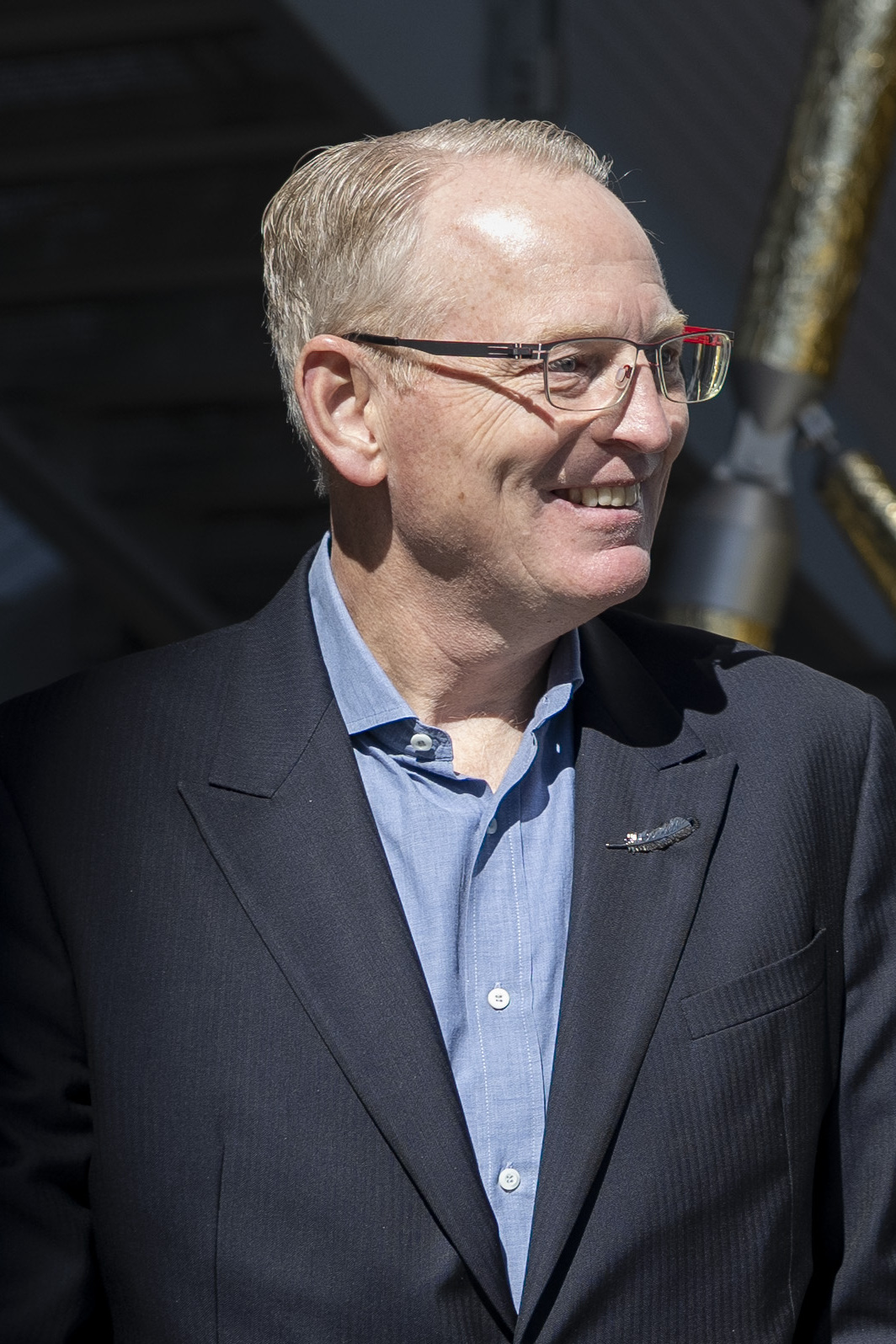
New Glenn has flown three times in its life: January 2025, November 2025 and this 19 April, when the upper stage failed and an AST SpaceMobile satellite was lost 5. A 28 May static fire, traced to a main oxygen valve on one BE-4 engine, wrecked the pad; the fourth flight was to carry 48 Amazon Leo satellites 6. Chief executive Dave Limp still sees "a path to launch this year" 3.
The queue keeps signing anyway
The round was oversubscribed, and the valve fix is a retrofit 62. The same week, NASA put the bigger New Glenn 9×4 on its NLS II contract, open for orders through June 2030 7, while Blue Moon's first lander slipped to early 2027 at the soonest 6. The benchmark to break is 109 Cape launches last year, nearly all of them SpaceX 3. A license to fly 50 is permission, not a schedule.
The clock is public
What settles the valuation is unchanged from 27 September: how many times New Glenn actually flies in 2027 2. Until then the docket is the scoreboard, with the FAA in the lead and NASA and the Air Force inside the review as cooperating agencies 1.
Deepdive
AI-generated from this story and its cited sources. Not investment advice.