Canva launches its own Craft image model as Ideogram prices editable design files at up to 32 cents
Ideogram and Canva shipped rival models for the same job on October 22, and every rung of AI-assisted design now carries a public price: a cent for an image, six cents for an edit, up to 32 cents for a file a designer can own. Buyers win on price; the platforms that once rented models now build them.
 Vincent Jiangthree-minute read
Two launches, one job, hours apart
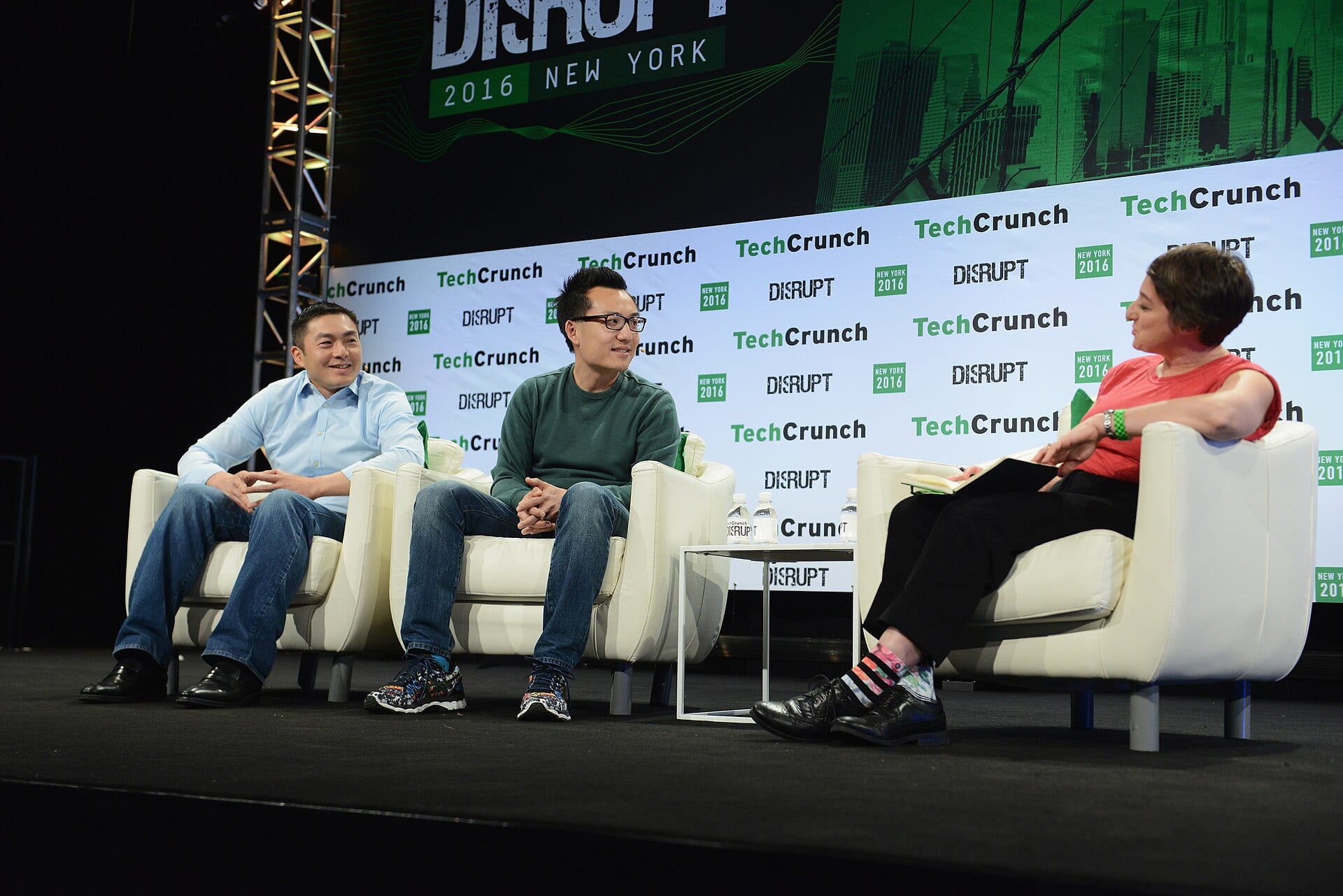
Ideogram, a Toronto image-model startup co-founded by Mohammad Norouzi, released Vector 1.0 on October 22, its first model that returns editable SVG design files instead of flattened pixels 1. A generated design costs $0.13 to $0.32 and converting an existing image costs $0.10, with the files opening in Adobe−2.90% — Adobe, down 2.90 percent today Illustrator and Figma+2.01% — Figma, up 2.01 percent today, every shape and color still editable 23. The same day, Canva, a design platform used by more than a quarter of a billion people, announced Craft, its first image model built and trained in-house 45.
The ladder, in cents
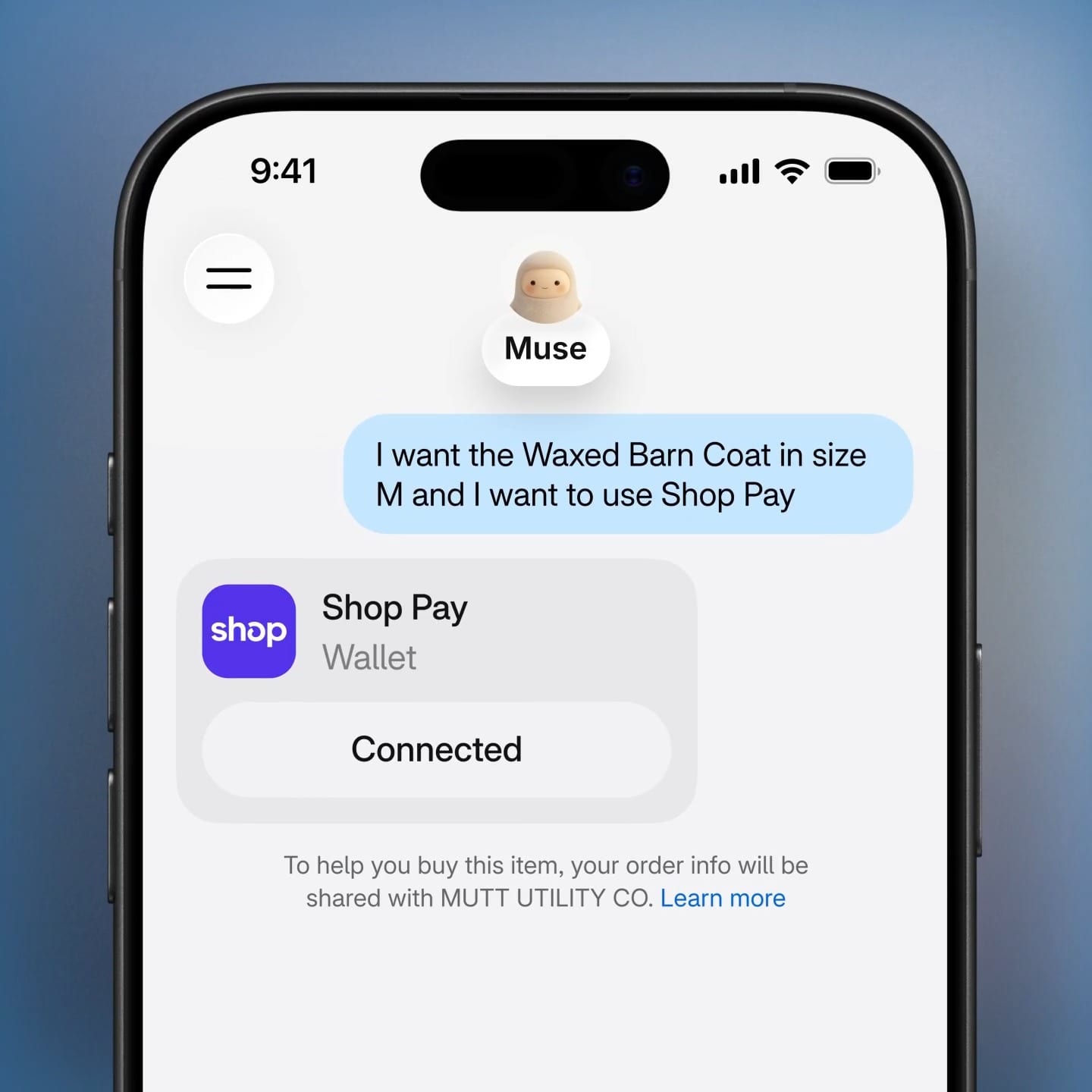
Line the week's numbers up and one piece of creative output now has a public price ladder. Meta's+1.11% — Meta, up 1.11 percent today Muse Image (Nasdaq: META), out of Meta Superintelligence Labs since July, lists at a flat $0.01 per image through Meta's model API 6. Krea~$290M — Krea, private, latest valuation ~$290M 3, released on October 15 by a startup a fraction of the big labs' size, edits at native 2K resolution in under eight seconds for $0.06 7. Ideogram's rungs sit above both because the product is a file a designer keeps rather than a picture to post 2.
From a cent to 32 cents: what one AI design output costs
Data
| Value | |
|---|---|
| Meta Muse Image | $0.01 |
| Krea 3 edit | $0.06 |
| Ideogram: image to vector | $0.1 |
| Ideogram: text to vector, low | $0.13 |
| Ideogram: text to vector, high | $0.2 |
| Ideogram: high with references | $0.32 |
Canva stopped buying and started supplying
The complication is that the platform running these models now builds its own. Canva trained Craft on millions of its own templates, ships it in Dream Lab and its public API, and says owning the model gives it control of cost, quality and speed after years of running outside models 58. It claims fourth place on the crowdsourced DesignArena board, behind three OpenAI$1.18T — OpenAI, private, latest valuation $1.18T models, a claim the Australian Financial Review put to a side-by-side test on October 23 9.
The pressure shows: Canva tracked about $4 billion in revenue last year, cut its 2026 growth forecast, and external analysts marked its valuation down from roughly $42 billion to $35 billion 8. For sellers priced by the output, the biggest buyer in design just built its own supply.
Ideogram's answer is the enterprise contract
A day before the launch, on October 21, Ideogram posted its first enterprise account-executive roles in New York, hiring sellers to close six- and seven-figure deals for custom branded models 10. The posting says the company has raised nearly $100 million, led by Andreessen Horowitz and Index Ventures, and aims to triple its headcount within a year 10.
Krea shows the squeeze at the other end of the ladder: PricingSaaS has tracked 13 pricing changes on its plans since June, nine in the past 90 days, and its Pro card now advertises 450 example Nano Banana 2 images where it recently showed 257, on unchanged compute 11.
Quality still belongs to the giants
The counterweight is rank. The three models ahead of Krea 3 Ultra on Arena's multi-image-edit board all belong to OpenAI, and Meta's Muse sits ninth on Artificial Analysis at 1,131 Elo 76. The vector premium is unproven too: nobody outside Ideogram has published a test of whether its files arrive as clean layers or a tangle of paths 6.
Two dates will settle the trade: Craft reaching outside assistants through Canva's MCP connector, listed as coming soon 5, and Ideogram converting its first enterprise hires into signed contracts. The cent buys the picture; the thirty-two cents buy the file nobody has to redraw.
Get Applications by email, free
How AI is changing the software people and companies use. In our daily email, every weekday.