SpaceX catches a Starship upper stage from orbit, the step full reuse needed
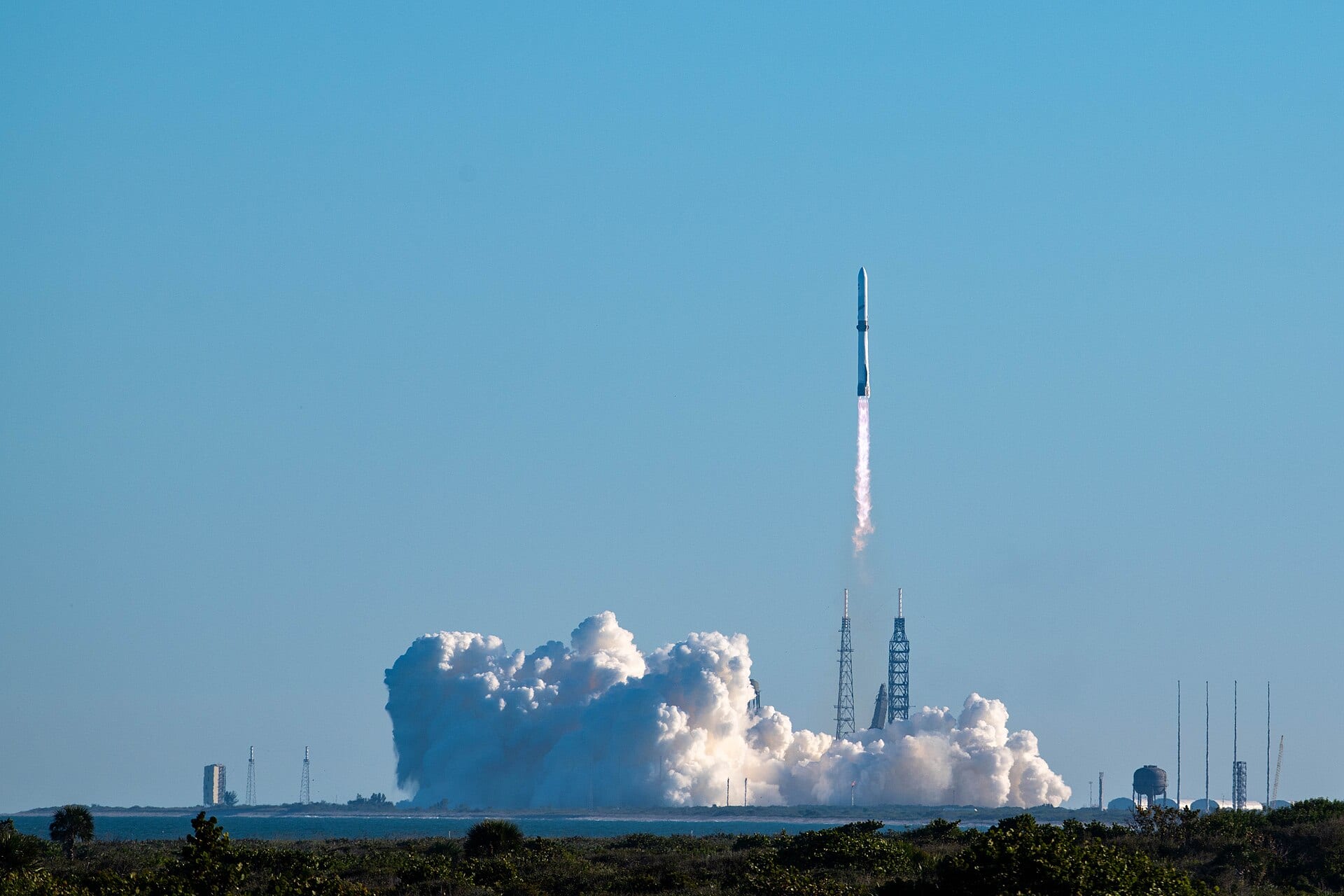
SpaceX recovered a Starship upper stage from orbit for the first time, the step that makes full rapid reuse real. The catch did not lift the stock; this week's action is a reported $4 billion bond sale, the first slice of a $40 billion AI chip financing.
 Richard Tangthree-minute read
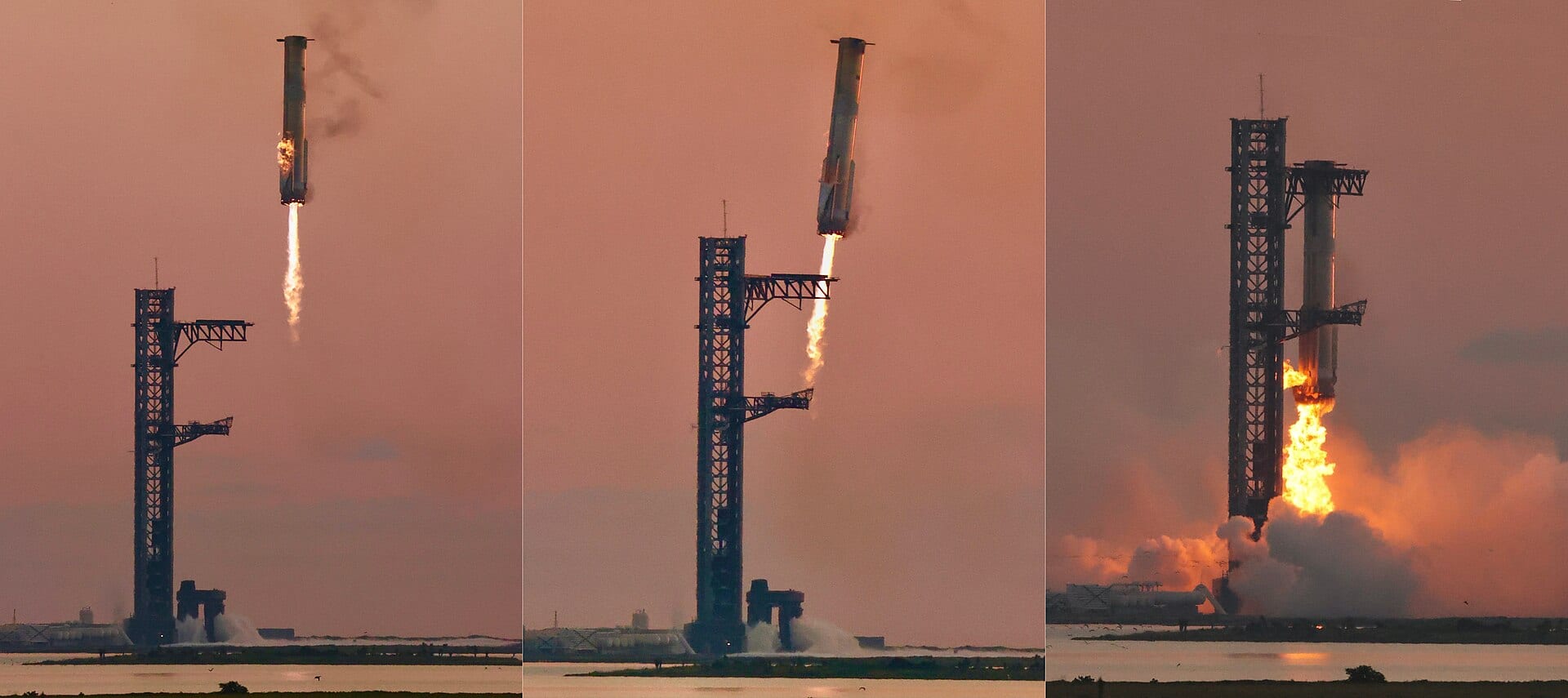
Five days after the catch, SpaceX+2.06% — SpaceX, up 2.06 percent today is still posting the picture: the Starbase tower crew standing under the first Starship brought back from orbit 1. The catch came on 14 November, roughly 22.5 hours after Flight 15 lifted off from South Texas, and it is the first recovery of an orbital rocket's upper stage 2. Nasdaq lit its Times Square tower for the flight and saluted the company's Nasdaq-listed ticker, SPCX 3, with displays taking over the square 4. For SPCX holders, the bigger event this week is in the debt market: SpaceX is reported to begin selling $4 billion of bonds within days 5.
The ship was the half still missing
SpaceX had already caught the Super Heavy booster in the tower's arms three times 2. The ship is the harder half, returning from orbital velocity through reentry heat, and the company's own record shows what was at stake: its workhorse Falcon 9 and Falcon Heavy rockets have launched 716 times, and every one of those flights threw away its upper stage 6.
Flight 15's Ship 42 was photographed in orbit by Starlink satellites checking its heat shield, and judged in good shape before the catch 2. The booster missed its own catch after a low-fuel alarm and splashed down in the Gulf of Mexico, so the double recovery is still owed 2.
Full reuse is what carries the AI buildout
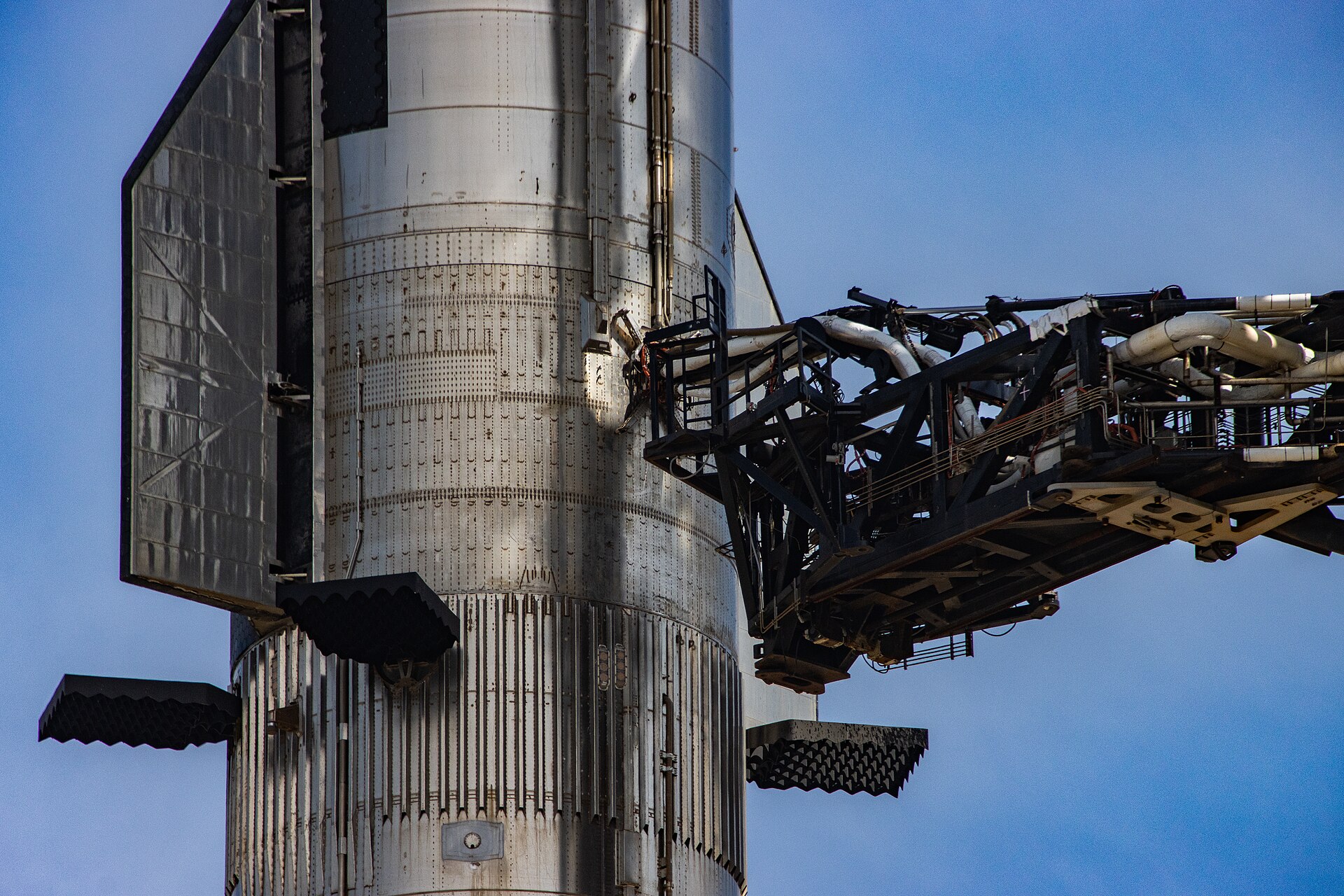
The flight also carried working payload: 26 Starlink V3 broadband satellites deployed in orbit, the second such batch toward a planned 100,000-satellite constellation, with Elon Musk describing Starmind beyond it, an AI data-center constellation of a million spacecraft 2. Assembling these megaconstellations will require an incredible launch cadence, and the catch is key to that vision, in SpaceX's words, because it enables quicker inspection, refurbishment and reflight 2.
The chain is short: reuse cuts the cost per kilogram to orbit, and cheap mass to orbit is what makes megaconstellations and orbital compute financeable. The recovery is now observed; the cadence is still projection.
The money moved on the debt, not the catch
SpaceX trades on Nasdaq as SPCX 57, and even a historic Starship catch could not lift the stock, as 24/7 Wall St's market desk put it 5. The 3% rise to $141.32 came on 17 November, after a Bloomberg report, unconfirmed by the company, of a $4 billion bond sale this week, the first slice of a $40 billion plan to buy Nvidia's−2.37% — Nvidia, down 2.37 percent today next-generation Vera Rubin chips 57.
Goldman Sachs+0.14% — Goldman Sachs, up 0.14 percent as of its last quote and Apollo are expected to underwrite 7, and a special-purpose company managed by Apollo-backed Atlas SP would buy the chips and lease them to SpaceX for five years, keeping the debt off the balance sheet and its investment-grade rating intact 57. What the borrowing funds is already reported: the Super Intelligence segment took in $7.6 billion last quarter, up 830% year over year 5, the company's first profitable quarter on file 8.
SPCX revenue reached $14.6B in Q3 2026, up 161% year over year
Data
| Revenue | |
|---|---|
| Q1 '25 | $4.07B |
| Q2 '25 | $4.07B |
| Q3 '25 | $5.58B |
| Q4 '25 | — |
| Q1 '26 | $4.69B |
| Q2 '26 | $7.81B |
| Q3 '26 | $14.58B |
Capex nearly quintupled in 18 months, to $19.6B in Q3 2026, past revenue
Data
| Capex | |
|---|---|
| Q1 '25 | $4.14B |
| Q2 '25 | $2.83B |
| Q3 '25 | $6.88B |
| Q1 '26 | $10.11B |
| Q2 '26 | $18.37B |
| Q3 '26 | $19.59B |
The next tests are a reflight and a bond price
One claim needs quarantining: that Anthropic$350B — Anthropic, private, latest valuation $350B pays SpaceX $1.25 billion a month appears in no statement or report this piece could reach 6. The dated tests are two. One is turnaround: how fast Ship 42 is inspected, refurbished and stacked again, the minimal processing between flights that SpaceX names as the program's goal 6. The other is credit: the sale could begin this week into a market where Wells Fargo−1.44% — Wells Fargo, down 1.44 percent as of its last quote warns heavy tech borrowing is already straining demand for corporate bonds 57. Its pricing is the market's first verdict on the $40 billion plan 57.
Get Robotics & Defense by email, free
Robots, self-driving vehicles, drones and AI in defense. In our daily email, every weekday.

Reader comments
0 comments