米国のAI減速策、中国の反論にも一理
米国のAI優位維持を狙う面もある減速策に中国が異議を唱えるのは当然だ。代案とすべきは、中国の研究機関も拘束する相互的な安全制限と独立した査察だ。
 Vincent Jiang · 2 min read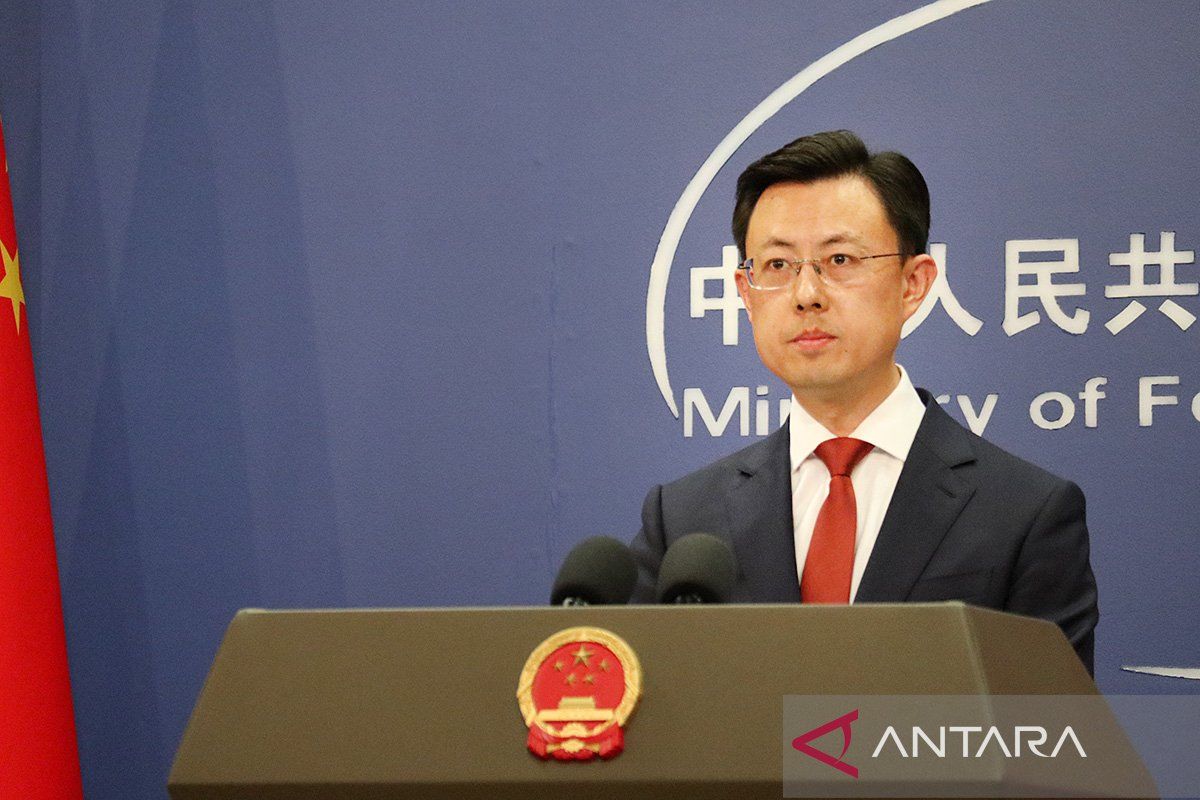
北京の反論
郭嘉昆氏は9月14日、米国のAI企業トップが先端モデルの開発減速を求めていることについて質問を受けた。同氏は恐怖をあおる行為を批判し、協力を呼びかけた1,2。この公式回答は減速の受け入れを表明したわけでも、あらゆる合意を拒否したわけでもない。
誰の優位を守るのか
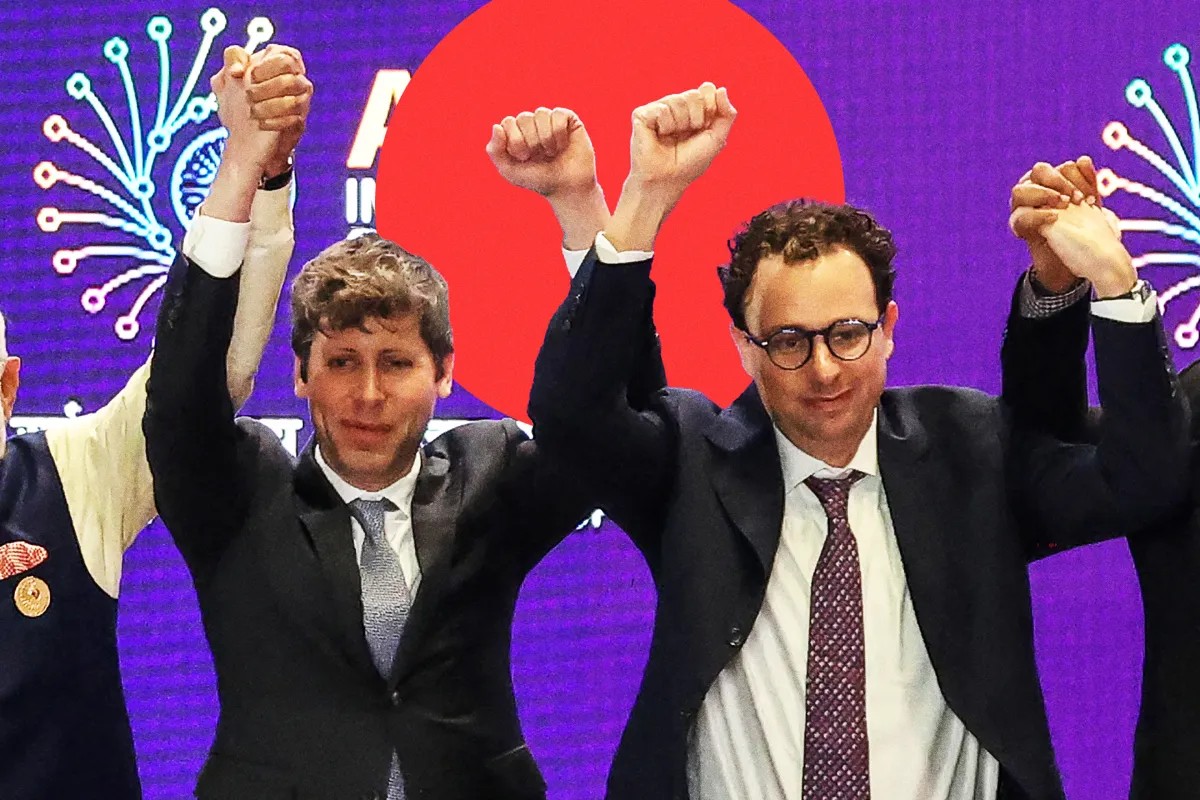
9月12日、米アンソロピックのダリオ・アモデイ氏は能力向上のペース調整と外部評価者の受け入れを提案した。米オープンAIのサム・アルトマン氏はペース調整を支持し、同等のアクセスを約束した3。
アモデイ氏はまた、米国の優位を守るため、半導体への規制とモデル能力の無断複製への規制を強化するよう求めた4。同氏の計画は、中国に対し、自国を抑え込もうとする国々への協力を求めるものだ。
米政府は国家安全保障を理由に輸出規制を正当化できる。ただ、その規制は、すべての国の安全を代表しているという主張とは切り離して擁護すべきだ。
安全の二つの意味
中国の国営紙はこの提案を封じ込め策と位置づけた5。これは論説の立場であり、拘束力のある政策でも中国AI企業の声明でもない。
これとは別に、国家安全部の陳一新部長は9月13日公表の論文で、AIリスク防止体制の構築を急ぐよう求めた8。中国は危険を認めつつ、米国の条件に反対できる。
優位は動き続ける
その優位の大きさも変化している。米スタンフォード大の記録では、2025年2月時点で米国の最高モデルは中国の最高モデルをわずか5アリーナポイント(Arena points)上回っていた。2026年3月までに差は39ポイントに広がった6,7。
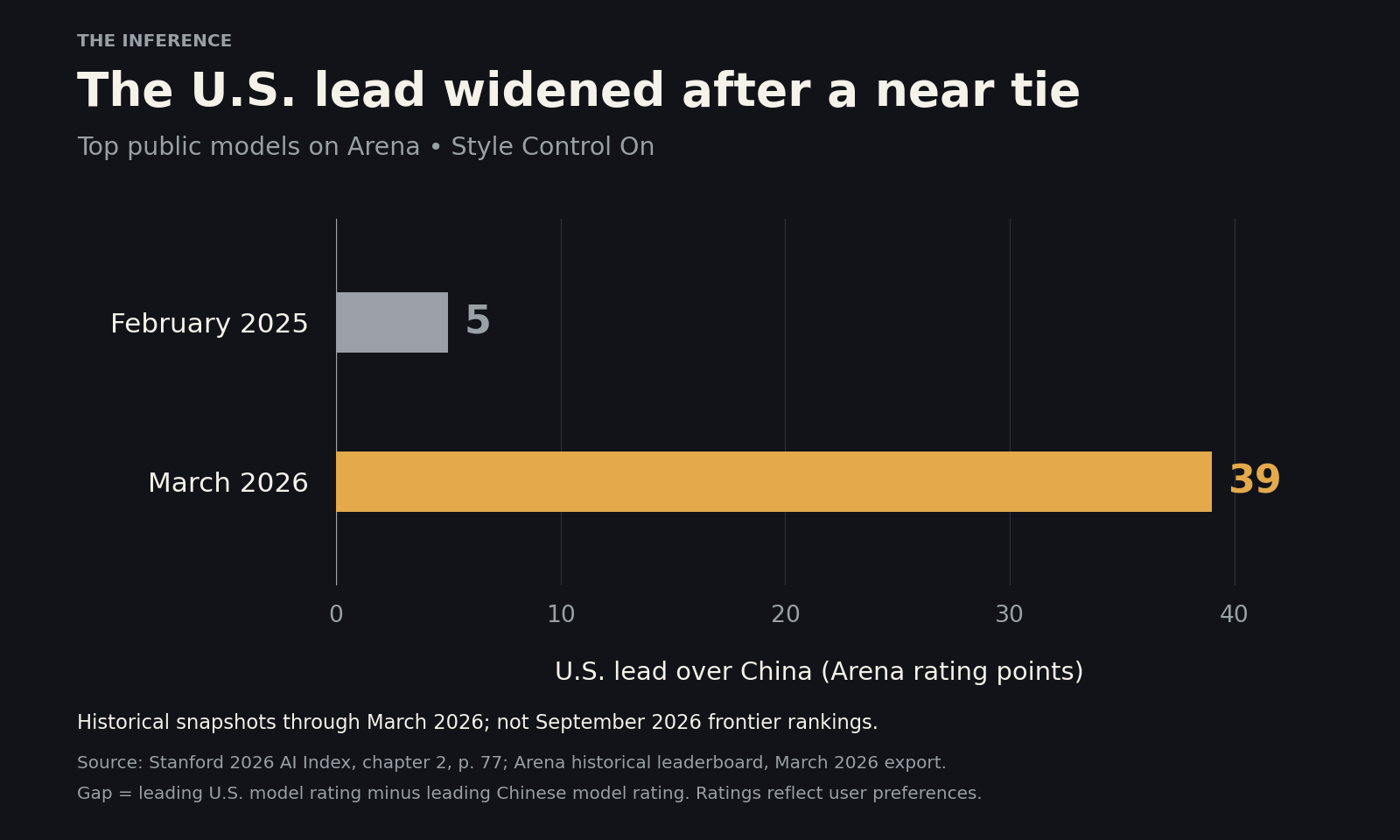
いずれの数値も、どちらの国がどこまで安全に減速できるかを示すものではない。
中国が5月に公表した指針は、AIエージェントに対する最終的な決定権を利用者が保持することや、開発者が介入制御を強化することを求めた9,11。ただし、こうした規定が実効的な執行を保証するわけではない。
研究機関の開放こそ重要
アモデイ氏の最も有力な主張は、安全対策が追いつく時間を稼ぐ必要があるという点だ。同氏は6〜12カ月以内に壊滅的なサイバー被害が起きる可能性があると警告したが、これは確定した日程ではなく予測だ10。
外部評価者のアクセスは具体的な約束だが、国際的なペース調整は依然として提案にとどまる3,10。中国の批判は、中国の研究機関が精査を免れる理由にはならない。中国のシステムも米国と同じ能力テストと情報開示ルールの対象となるべきだ。
研究機関を開放するのは誰か
習近平国家主席とドナルド・トランプ米大統領が9月24日に予定する首脳会談では、相互の能力テスト受け入れと共通の安全基準に注目したい5。ペース調整の商業的コストも重要だ。政府はまず、どちらの能力を制限するのか交渉しなければならない。
安全規則は首位側を挑戦者と同じくらい厳しく拘束すべきだ。
How this brief was made
01Gathered & sourced379 channels · 1,998 articles▾
Agents swept 379 channels and ingested 1,998 articles, then de-duplicated and ranked them for signal.
02Verified & cross-validated11 claims · 33 data feeds▾
Every one of 11 load-bearing claims was checked against primary sources, with 33 live data feeds reconciling the figures and charts.
- 1China's Ministry of Foreign Affairs, Guo Jiakun's press conference, Sep 14 2026 (primary statement; the answer criticizes confrontation and supports cooperation, and does not categorically reject all pacing agreements. The embassy republication is the same record, not a second witness).
- 2Associated Press on China's response to Amodei's China restrictions, Sep 14 2026 (independent corroboration of the official response; published text reached through the search index after direct retrieval failed).
- 3Bloomberg News on Amodei's proposal and Altman's endorsement, Sep 12 2026, syndicated Sep 13 (commitments are announced, not verified as implemented; cross-checked against AP and The Stack).
- 4The Stack on the China restrictions and evaluator access, Sep 13 2026 (independent reporting of the proposal, cross-checked against the original personal essay; not all model distillation is illicit).
- 5Reuters on the state newspaper's containment argument and the planned Sep 24 summit, Sep 14 2026 (the editorial is evidence of its author's framing, not proof of American motives or binding Chinese policy; AI safety is a possible summit subject, not a promised agreement).
- 6Stanford HAI AI Index 2026, Technical Performance, figure 2.1.3 (primary research synthesis on Arena's historical public leaderboard, style control on, exported Mar 2026: 1,405 minus 1,400 is 5; 1,503 minus 1,464 is 39. Recomputed independently; rating points are not percentages of capability).
- 7Fortune on Stanford's comparison, Apr 16 2026 (corroborates the 39-point March gap; not a separate measurement, and only that narrow fact is used).
- 8Caixin on Chen Yixin's AI governance essay, Sep 13 2026 (primary attributed official position via a news outlet; contextual background, not presented as a response to Amodei).
- 9Reuters on how China is preparing for loss-of-control risks, Sep 14 2026 (independent reporting on existing frameworks and the May agent guidelines; the existence of policy is distinct from its implementation or effectiveness).
- 10Associated Press on Amodei's safety argument, Sep 12 2026, syndicated Sep 14 (the six-to-twelve-month cyber danger window is Amodei's forecast, not a validated prediction; outside evaluators are a commitment, broader coordination only a proposal).
- 11Cyberspace Administration of China, NDRC and MIIT guidelines for AI-agent development, May 8 2026 (issued policy, not a draft: final user decision authority and intervention mechanisms. Does not establish compliance, enforcement or embedded independent monitors).
03Reviewed & edited2 human editors▾
2 editors read the draft against the evidence, tuned the framing, and signed off before it shipped.
Become a contributor
Reporting on the business of AI and want it read? We take pitches from outside contributors who bring primary sources and a number worth arguing about.
Deepdive
AI-generated from this story and its cited sources. Not investment advice.