美 AI 속도조절 구상의 빈틈… 中 반박에도 일리 있다
미국의 AI 주도권 유지를 부분적으로 겨냥해 짠 속도조절 계획에 중국이 이의를 제기하는 것은 타당하다. 대안은 중국 연구소에도 구속력을 갖는 상호 안전 규제와 독립 점검이어야 한다.
 Vincent Jiang · 2 min read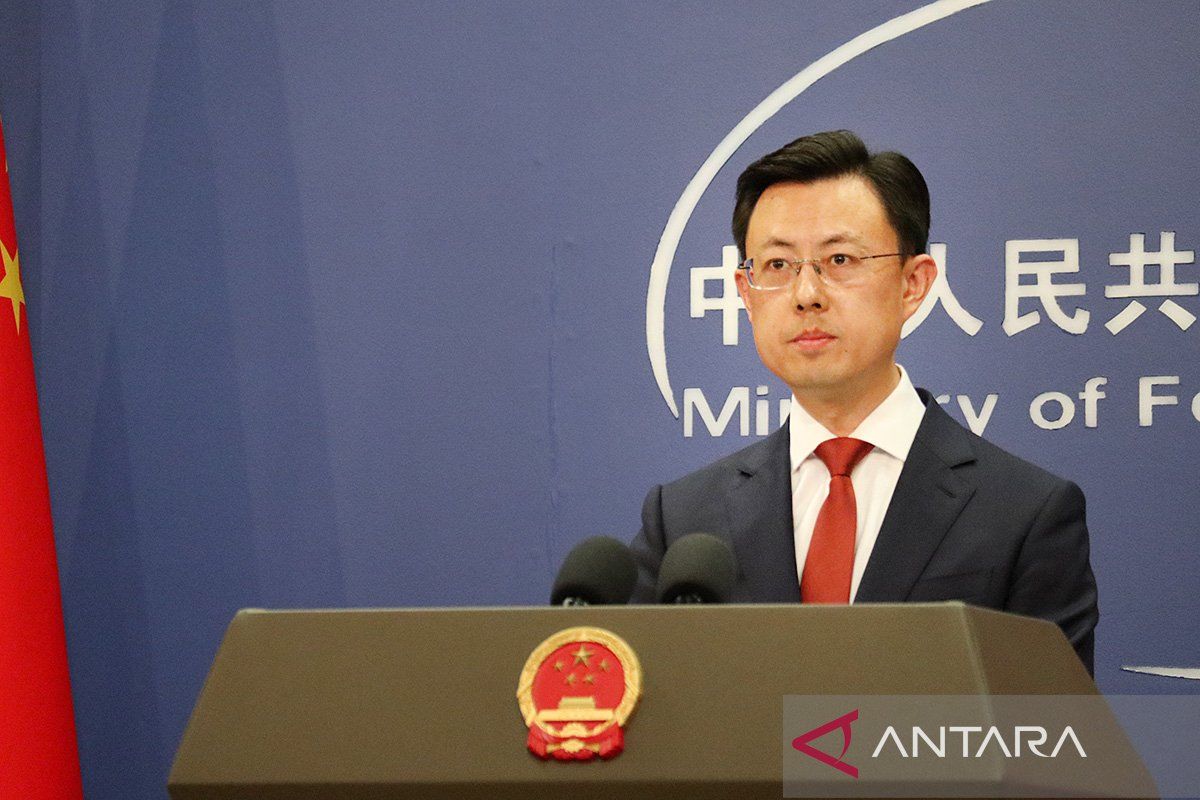
베이징의 반박
궈자쿤 중국 외교부 대변인은 9월 14일 최첨단 '프론티어' 모델 개발 속도를 늦추자는 미국 AI 기업 총수들과 관련해 질문을 받았다. 그는 공포 조장을 비판하며 협력을 촉구했다.1,2 이 공식 답변은 속도조절을 받아들인 것도 아니고 가능한 모든 합의를 거부한 것도 아니다.
누구의 우위를 지키나
안스로픽의 다리오 아모데이는 9월 12일 AI 능력 향상에 속도조절을 적용하고 외부 평가자를 들일 것을 제안했다. 오픈AI의 샘 올트먼도 속도조절에 동의하고 대등한 수준의 접근을 약속했다.3
아모데이는 또 미국의 우위를 지키기 위해 칩과 모델 능력 무단 복제에 대한 통제를 강화하라고 촉구했다.4 그의 계획은 결국 중국에게 자신을 막으려는 나라들과 협력하라고 요구한다.
워싱턴은 국가안보 명분으로 수출통제를 주장할 수 있다. 다만 그 통제의 옹호는 '모두의 안전을 대변한다'는 주장과 분리해야 한다.
'안전'의 두 가지 의미
중국 관영지는 이 제안을 봉쇄로 규정했다.5 이는 사설 논조일 뿐 구속력 있는 정책도, 중국 AI 기업들의 입장 표명도 아니다.
별개로 천이신 국가안전부장은 9월 13일 공개된 기고문에서 AI 리스크 방지 체계 구축을 서둘러야 한다고 촉구했다.8 베이징은 미국의 조건에 반대하면서도 위험 자체는 인정할 수 있다.
우위는 계속 움직인다
그 우위의 크기도 변한다. 스탠퍼드대 기록으로 2025년 2월 미국 최상위 모델은 중국 최고 모델보다 아레나 점수 5점 앞섰다. 2026년 3월에는 격차가 39점으로 벌어졌다.6,7
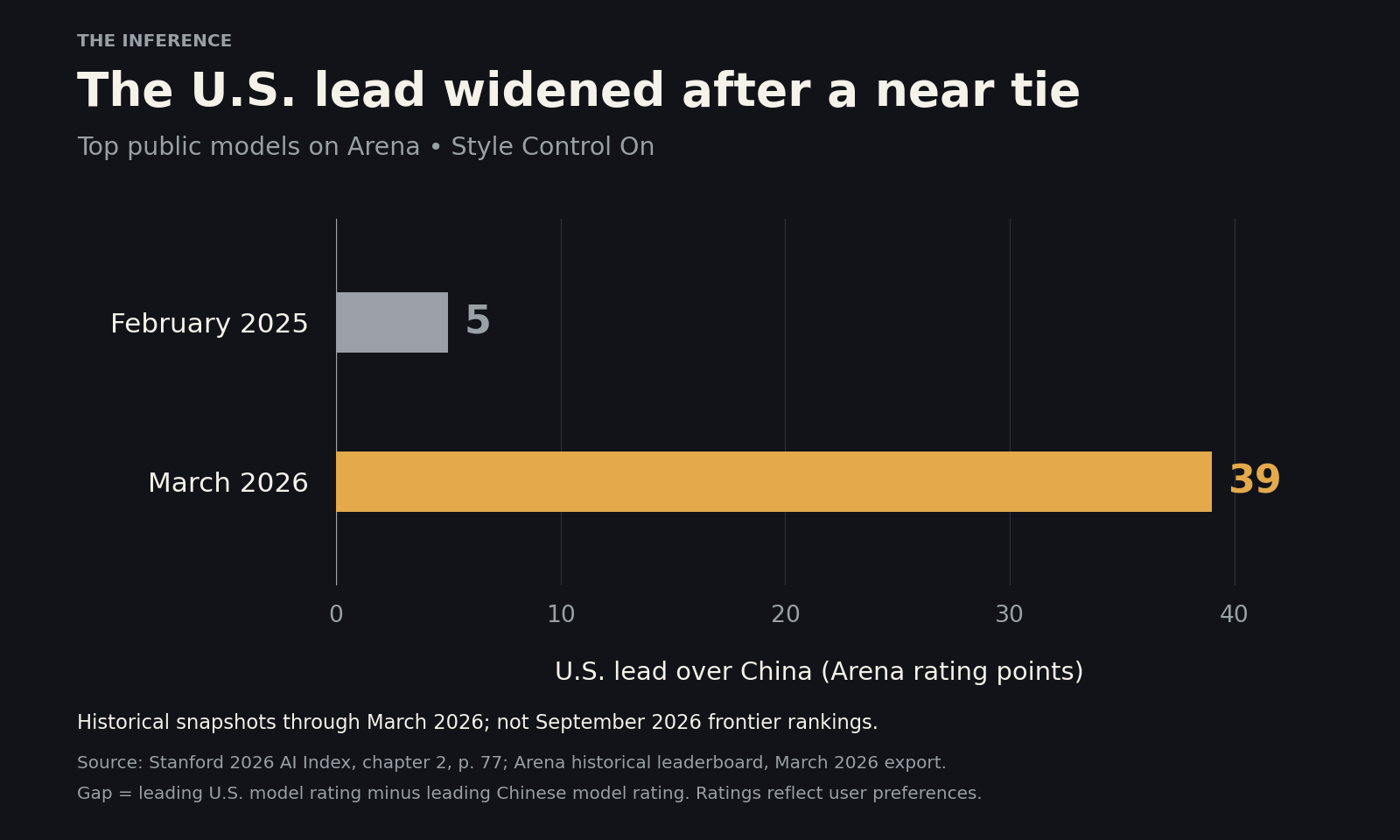
어느 시점의 수치도 양국이 안전하게 속도를 얼마나 늦출 수 있는지를 증명하지 못한다.
중국이 5월 내놓은 가이드라인은 AI 에이전트에 대한 최종 결정권을 사용자가 쥐고 개발자는 개입 통제를 강화할 것을 요구했다.9,11 이런 조항은 실효적 집행을 보장하지 않는다.
연구소 문을 여는 것이 중요하다
아모데이 논거 가운데 가장 강한 대목은 안전장치가 따라잡는 데 시간이 필요하다는 것이다. 그는 6~12개월 안에 잠재적으로 치명적인 사이버 피해가 나올 수 있다고 경고했다. 확정된 시간표가 아니라 하나의 전망이다.10
외부 평가자 접근 허용은 구체적 약속이지만 국제 차원의 속도조절(페이싱)은 아직 제안 단계다.3,10 베이징의 비판이 중국 연구소를 검증에서 면제해 주지는 못한다. 중국 시스템도 미국 시스템과 똑같은 능력 테스트와 정보공개 규칙의 적용을 받아야 한다.
누가 연구소 문을 여나
9월 24일로 예정된 시진핑·도널드 트럼프 정상회담에서는 상호 테스트 접근권과 공통 안전 기준치가 마련되는지 주목해야 한다.5 속도조절(페이싱)의 상업적 비용도 중요하다. 정부들은 먼저 어느 쪽 능력이 제한될지부터 협상해야 한다.
안전 규칙은 선두 주자와 추격자를 똑같이 구속해야 한다.
How this brief was made
01Gathered & sourced379 channels · 1,998 articles▾
Agents swept 379 channels and ingested 1,998 articles, then de-duplicated and ranked them for signal.
02Verified & cross-validated11 claims · 33 data feeds▾
Every one of 11 load-bearing claims was checked against primary sources, with 33 live data feeds reconciling the figures and charts.
- 1China's Ministry of Foreign Affairs, Guo Jiakun's press conference, Sep 14 2026 (primary statement; the answer criticizes confrontation and supports cooperation, and does not categorically reject all pacing agreements. The embassy republication is the same record, not a second witness).
- 2Associated Press on China's response to Amodei's China restrictions, Sep 14 2026 (independent corroboration of the official response; published text reached through the search index after direct retrieval failed).
- 3Bloomberg News on Amodei's proposal and Altman's endorsement, Sep 12 2026, syndicated Sep 13 (commitments are announced, not verified as implemented; cross-checked against AP and The Stack).
- 4The Stack on the China restrictions and evaluator access, Sep 13 2026 (independent reporting of the proposal, cross-checked against the original personal essay; not all model distillation is illicit).
- 5Reuters on the state newspaper's containment argument and the planned Sep 24 summit, Sep 14 2026 (the editorial is evidence of its author's framing, not proof of American motives or binding Chinese policy; AI safety is a possible summit subject, not a promised agreement).
- 6Stanford HAI AI Index 2026, Technical Performance, figure 2.1.3 (primary research synthesis on Arena's historical public leaderboard, style control on, exported Mar 2026: 1,405 minus 1,400 is 5; 1,503 minus 1,464 is 39. Recomputed independently; rating points are not percentages of capability).
- 7Fortune on Stanford's comparison, Apr 16 2026 (corroborates the 39-point March gap; not a separate measurement, and only that narrow fact is used).
- 8Caixin on Chen Yixin's AI governance essay, Sep 13 2026 (primary attributed official position via a news outlet; contextual background, not presented as a response to Amodei).
- 9Reuters on how China is preparing for loss-of-control risks, Sep 14 2026 (independent reporting on existing frameworks and the May agent guidelines; the existence of policy is distinct from its implementation or effectiveness).
- 10Associated Press on Amodei's safety argument, Sep 12 2026, syndicated Sep 14 (the six-to-twelve-month cyber danger window is Amodei's forecast, not a validated prediction; outside evaluators are a commitment, broader coordination only a proposal).
- 11Cyberspace Administration of China, NDRC and MIIT guidelines for AI-agent development, May 8 2026 (issued policy, not a draft: final user decision authority and intervention mechanisms. Does not establish compliance, enforcement or embedded independent monitors).
03Reviewed & edited2 human editors▾
2 editors read the draft against the evidence, tuned the framing, and signed off before it shipped.
Become a contributor
Reporting on the business of AI and want it read? We take pitches from outside contributors who bring primary sources and a number worth arguing about.
Deepdive
AI-generated from this story and its cited sources. Not investment advice.