Four robot dogs, one chaperone: Skild AI's $14 billion airport debut
Skild AI's newest named customer is Pittsburgh International Airport: four robots, two charging stations and a company minder on site for six months, at an undisclosed price. Nine months after a $1.4 billion round set the valuation above $14 billion, the commercial record behind the mark is still company-reported.
 Vincent Jiang · 3 min read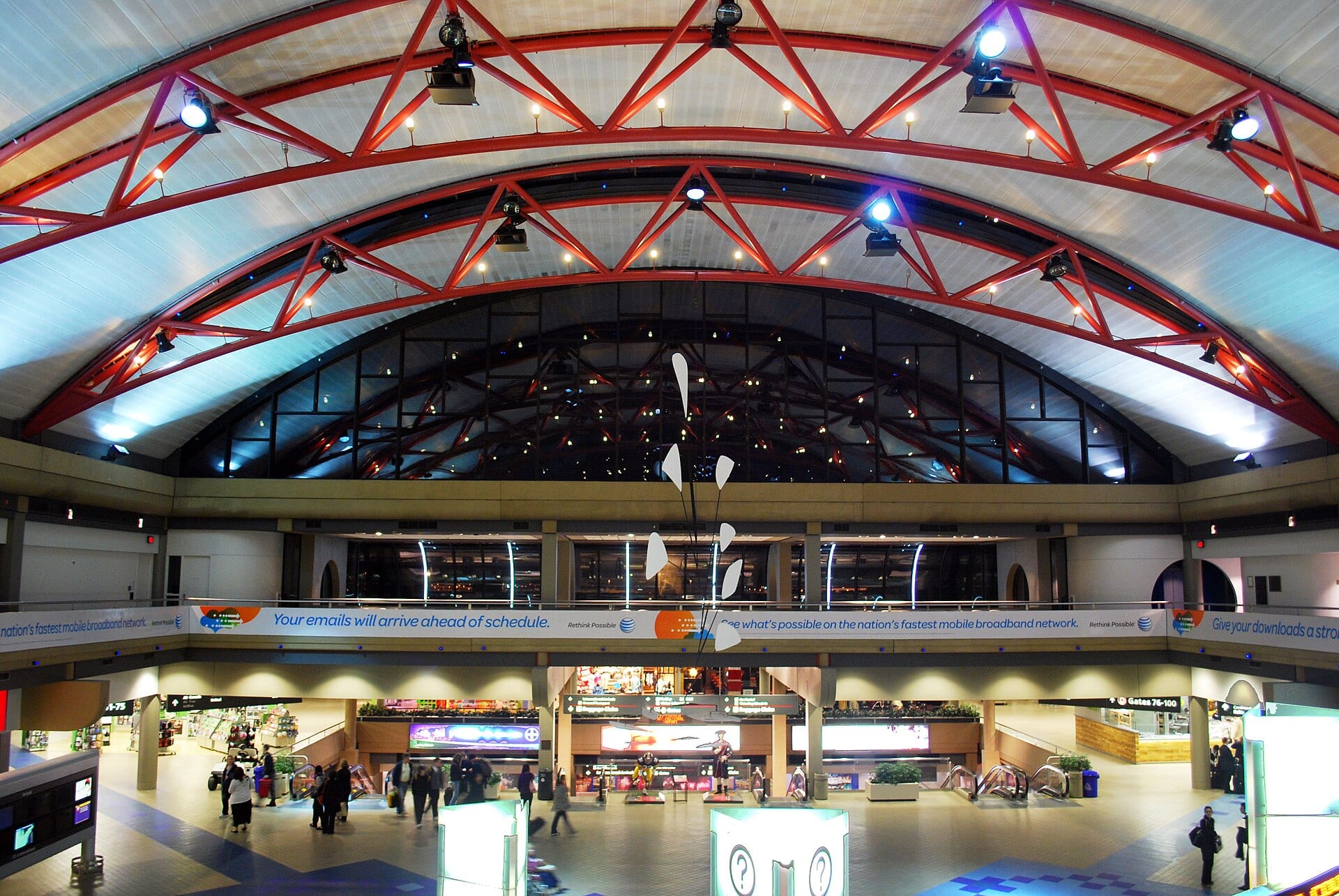
Four dogs clock in at PIT
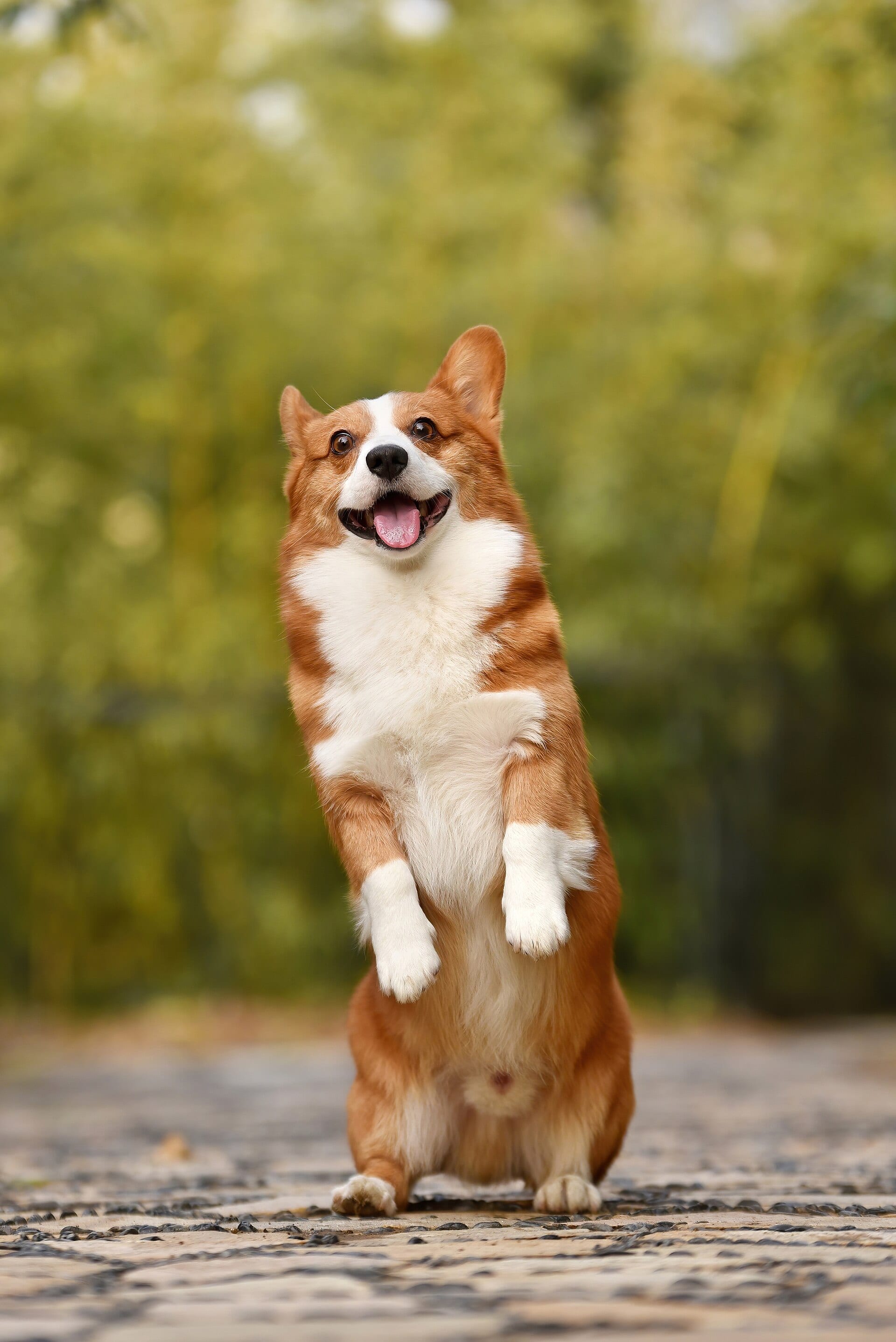
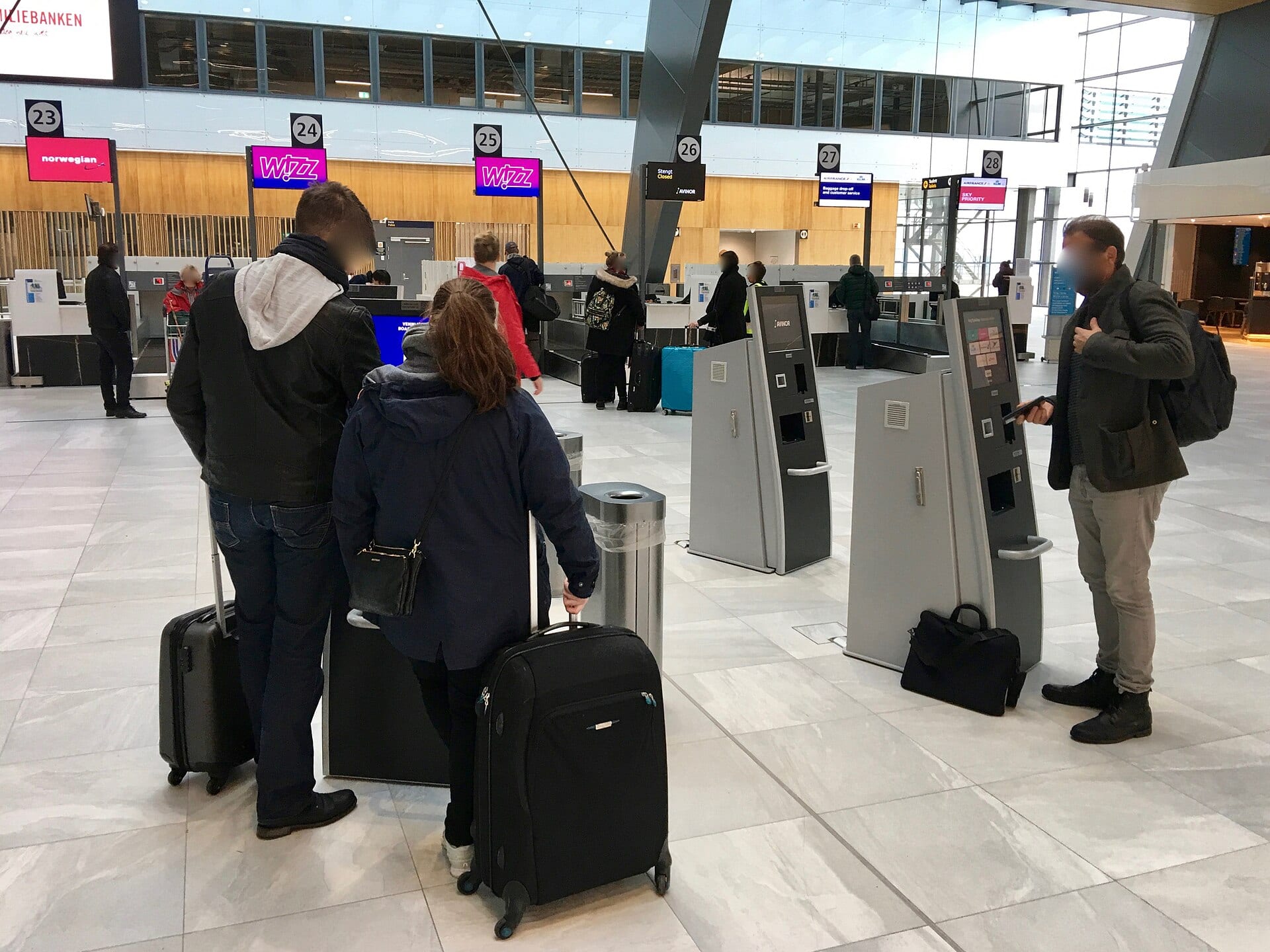
Four Skild AI quadrupeds report for work at Pittsburgh International's Airside Terminal, with two charging stations and a six-month schedule 13. First duty is mobile air-quality readings; later phases add full trash bins, spills and crowding 3. A Skild employee stays on site for the whole pilot, and blocking any sensor stops the robot 2. The announcement landed on 29 September, as Pittsburgh hosted the IROS robotics conference 3.
What $1.4 billion bought
The airport is the newest name on Skild's customer list, and the deployments the public record names so far are private operators: an Nvidia factory in Houston, Sumitomo wire plants, Mitsui's kitchens 89. The list lengthened after SoftBank led close to $1.4 billion into Skild in January at a valuation above $14 billion, with Nvidia's venture arm, Jeff Bezos and Samsung among the backers 5. The prior round, $300 million in July 2024, valued the company at $1.5 billion 56.
Valuation up more than ninefold in 18 months between rounds
- Round size
- Valuation
Data
| Round size | Valuation | |
|---|---|---|
| Jul 2024 | $0.3B | $1.5B |
| Jan 2026 | $1.4B | $14B |
The book is self-graded
Every commercial number under the mark is company-reported: more than 60 paying customers, up from eight at the start of 2026; a $100 million revenue run rate ten months after the first deployment; $50 million booked; roughly 90 percent from robotic manipulation, including dual-arm cells building Nvidia Blackwell systems with Foxconn in Houston 689. The risk sits with the funds and secondary buyers holding marks that divide by that self-reported book, while supervised pilots pass for traction. Nothing in the public record separates production revenue from supervised pilots, and no price was disclosed for the airport work. September's crowd-pleaser was a demo: S1 playing soccer after 140 years of simulated self-play 47.
A $14B mark on a $100M run rate
Data
| Value | |
|---|---|
| Post-money valuation, Jan 2026 | $14B |
| Total raised to date | $2B |
| ARR run rate, Sep 2026 | $0.1B |
| Revenue booked in 10 months | $0.05B |
The sandbox's base rate
PIT's xBridge program has tested about 35 technologies since 2020 2. Two became permanent fixtures: Zensors wait-time tracking and Carnegie Robotics floor scrubbers 2. Both earned permanence doing routine, repeating work, which is exactly the assignment the dogs now hold: bins, spills, air.
Skild's answer is the work itself
"Deployments themselves are the best future," Skild's Robert Belle-Isle said before Tuesday's airport demo at PIT, arguing real places teach fastest 2. Founders Deepak Pathak and Abhinav Gupta put it harder: seeing is not believing in robotics, and deployment is what matters 8. Both are fair, and neither prices the mark. By the company's own egg metric, a week to cook the first egg and two months to make it reliable, six supervised months is roughly week one 8.
Whether the chaperone ever leaves
Later phases may pair the dogs with BioFlyte's airborne bio-threat sensors and try food delivery; the airport is separately eyeing Gecko Robotics for window washing 23. The tell is whether the four outlast the pilot the way the scrubbers did, and whether any public customer ever runs them without the chaperone.
Deepdive
AI-generated from this story and its cited sources. Not investment advice.