Judge voids wildlife approval for the first US seabed mining sale, 31 million acres, due November 19
A federal judge vacated the Endangered Species Act basis for Thursday's $3 million-a-tract seabed auction off American Samoa, but issued no injunction and the agency still lists the sale. The exposure is private marks in seabed-mining names, not listed stocks.
 Vincent Jiangthree-minute read

A ruling 72 hours out
Three days before the first United States deep-sea mining lease sale, a federal judge pulled its legal floor out. Judge Jill Otake of the US District Court in Honolulu ruled November 16 that the National Marine Fisheries Service violated the Endangered Species Act when it signed off on the auction in February 2026: the agency reviewed the sale and the survey work a lease allows, and "did not even attempt to consider the potential effects of post-leasing activities," the exploration and mining the leases exist to enable 1.
Her 41-page order called the review "cramped, expedited, informal" and apparently unprecedented for outer continental shelf leasing 2. "As extinction is permanent, caution and foresight before acting are necessary," she wrote 2.
31 million acres at 19 cents an acre
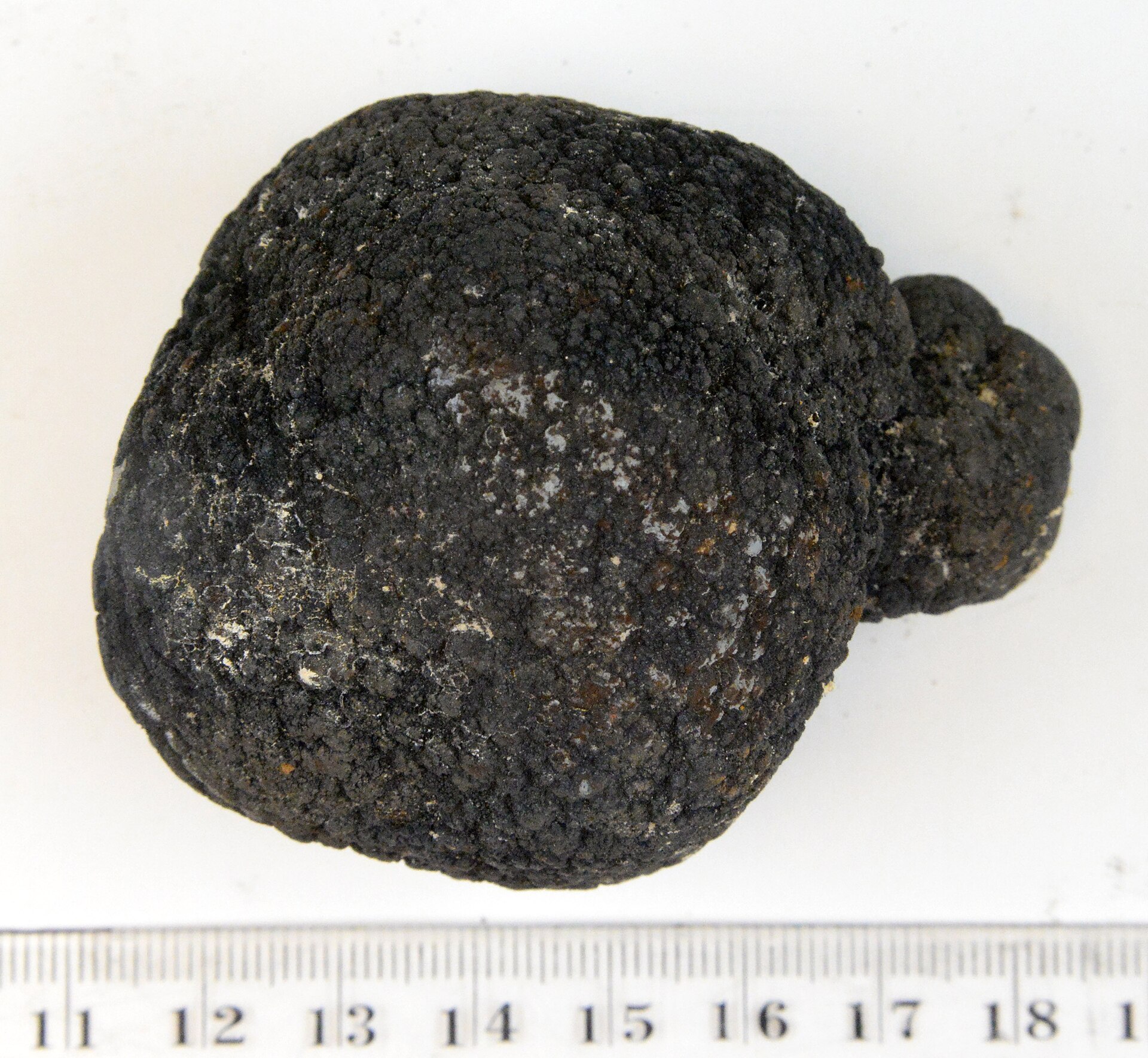
The Interior Department's Marine Minerals Administration plans to auction two tracts off American Samoa's Manu'a Islands, about 16.3 million and 15.2 million acres, minimum bid $3 million each, for polymetallic nodules and ferromanganese crusts 1. At the floor the two tracts would fetch $6 million, roughly 19 cents an acre: the auction tests whether America can lease its seabed at all, not who pays 1.
The process opened in June 2025 after an unsolicited request from Impossible Metals, an American mining company, less than two months after President Trump's offshore critical minerals order 1. Interior Secretary Doug Burgum told G20 energy ministers in September that permits could come "within months" 1.
Vacated, not stopped
The order vacated the wildlife letter but issued no injunction. The agency still listed the November 19 sale on November 17, and a spokesperson said it is "currently working to address the issues raised in the court's opinion" 3. In a parallel challenge to the sale itself, Otake wrote that if the government proceeds, bidders "will be on notice that the Court has determined that NMFS violated the Endangered Species Act" 3. Earthjustice attorney Chris Eaton+0.49% — Eaton, up 0.49 percent today called the ruling a win for the whales, sharks and turtles of American Samoa's waters 1.
No ticker, only private marks
There is no ticker here. The exposure sits in private marks: Impossible Metals, backed by Y Combinator, closed a Series A with the family of FedEx−0.46% — FedEx, down 0.46 percent today founder Fred Smith that media reports put near $25 million at a roughly $110 million valuation, making the family its second-largest shareholder 4.
Its Eureka robot picked about 450 grams of nodules from more than 4,000 meters in a September scientific dive, announced November 9 4. A gram-scale sample against an auction whose legal basis was vacated 72 hours out is not a reason to pay up 5. The International Seabed Authority has approved no commercial exploitation anywhere, and land-based nickel and cobalt producers keep selling 5.
The other gates
A second suit, filed October 19 by a council of Manu'a chiefs with the two conservation groups, argues the Outer Continental Shelf Lands Act does not authorize mineral leasing in any US territory, so a redone consultation may not be the only gate 6.
Impossible Metals' chief executive Steve Curnutte counters that "Eureka is proven, patented, and ready," scaling by adding robots one at a time rather than riser-pipe infrastructure 7. Governor Pulaali'i Nikolao Pula called the sale "a historic moment" on the day of the ruling, while warning that tuna "supports thousands of livelihoods" 1. Next reads: whether Thursday's auction runs, and the Marianas sale on December 16, challenged by the same lawyers 1.
Get Policy & Labor by email, free
The rules governments write for AI, and what AI does to jobs. In our daily email, every weekday.




Reader comments
0 comments