KKR's $17 billion USI sale to Aon frees $3.3 billion after tax, and the CFO has not decided on a split
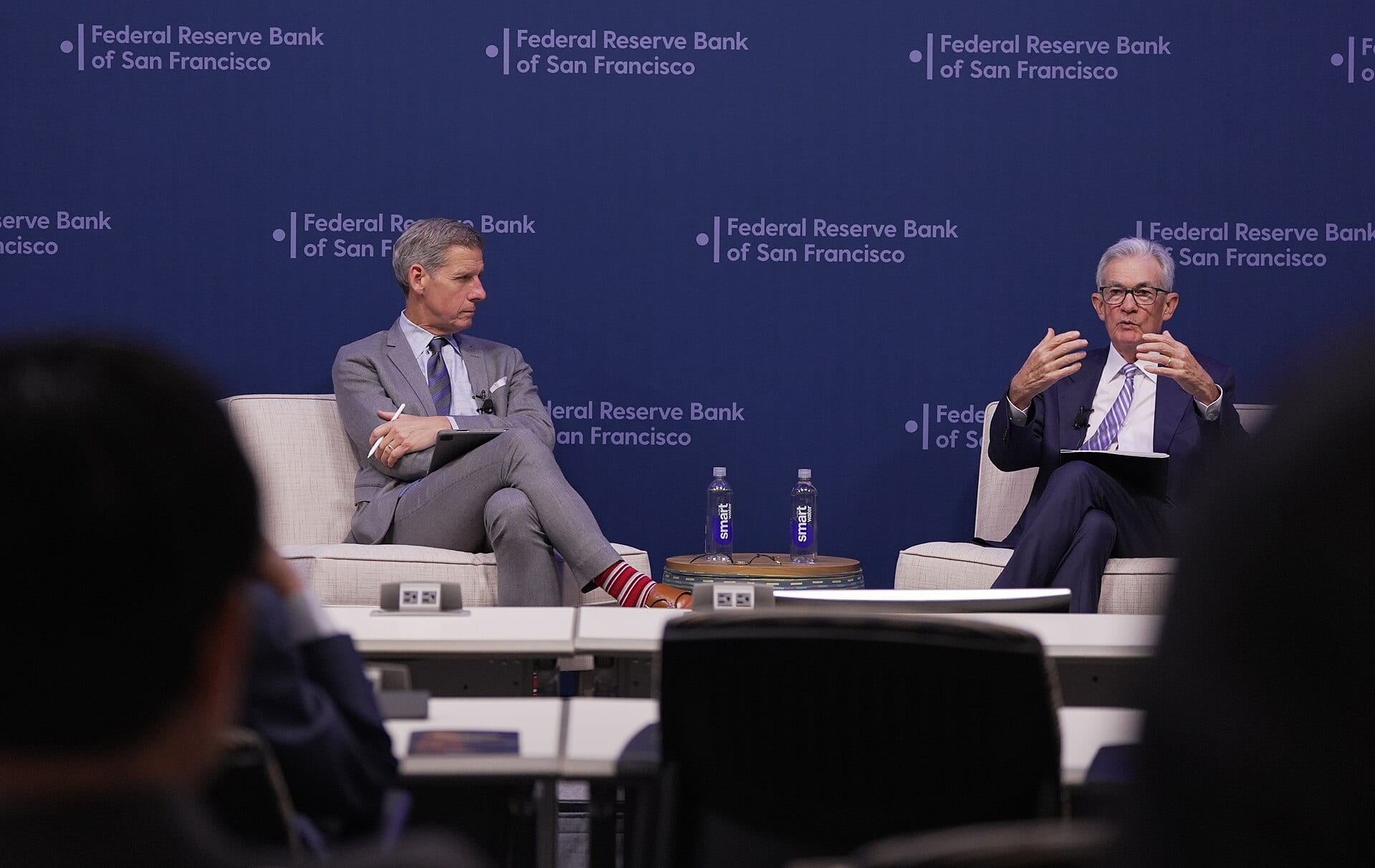
KKR's $17 billion sale of USI Insurance Services to Aon frees roughly $3.3 billion of after-tax cash that CFO Rob Lewin says has no fixed destination, while the stock KKR would buy back with it now trades far below the price at which the deal was struck.
 Vincent Jiangthree-minute read
On August 31, KKR agreed to sell USI Insurance Services, the insurance brokerage it bought in 2017 for about $4.3 billion as its first core private equity deal, to Aon for $17 billion in cash 3. The exit was priced at roughly 6 times the equity KKR−0.59% — KKR, down 0.59 percent today put in and 3.4 times its total balance-sheet capital 3. The deal has not closed; both firms expect it to settle in the fourth quarter of 2026 3.
The size of the check is now on the record. Subject to closing, KKR expects about $3.3 billion of after-tax proceeds and about $2.0 billion of Adjusted Net Income, more than $2.00 per share 3. At the BMO Financials Conference on November 10, Chief Financial Officer Rob Lewin repeated the figures and corrected the moderator, who had called the $3.3 billion profit; it is liquidity, with the profit at more than $2 billion, and the price ran a 33 percent premium to USI's unaffected valuation mark 1.
No home for the money yet
Lewin named four destinations, Strategic Holdings, insurance, acquisitions and buybacks, and said allocation depends on the opportunities at hand, with no fixed split 1. That is the whole trade in one sentence: the cash exists, and nobody has been told where it lands.
The repurchase case got better after the deal was struck
KKR has already spent more than $900 million buying back its own stock this year at an average of about $92 a share, roughly 10 million shares 1. When the firm decided in August to monetize USI, its stock traded near $110 1. At the average price paid, each repurchased dollar bought about 16 percent more of the company than it would have at the deal price 5. The stock has since recovered to about $100 5.
KKR repurchased shares at $92, well under the $110 price when the USI sale was decided
KKR bought its own stock about 16 percent below the price at which it struck the USI deal
Data
| Value | |
|---|---|
| August 2026 deal price | $110 |
| Buyback average, YTD | $92 |
| Recent quote | $100.61 |
The redeployment case waits until 2030
Management has not been idle. It has agreed to buy three businesses for Strategic Holdings: Integer, Gen II Fund Services, a fund administrator taken from Hg and General Atlantic for $5.1 billion 6, and A1 Garage Door 1.
KKR says the three will largely replace USI's foregone operating earnings by 2030 while using less capital 1; on the earnings call it put them at roughly half of USI's contribution by 2028 5. The segment earned about $232 million last year, is guided above $350 million for 2026, and is projected above $1.1 billion by 2030 14. Every redeployed dollar pays off on that far horizon; a buyback pays today.
Strategic Holdings operating earnings: $232 million in 2025, projected above $1.1 billion by 2030
The replacement earnings KKR is buying arrive on a 2030 horizon, not before
- Estimate
Data
| Value | |
|---|---|
| 2026 guidance (estimate) | $350M |
| 2030 projection (estimate) | $1,100M |
| 2025 actual | $232M |
Record fee earnings back the bull case
The bull case is credibility: Q3 fee-related earnings hit a record $1.3 billion at a 71 percent margin, with $146 billion of dry powder 2, and Bloomberg Intelligence wrote that the sale puts 2026 adjusted net income well ahead of the firm's earlier $7-a-share goal 4. The $2.00 per share of ANI lands in the fourth quarter whichever way the money goes 3.
The close comes first, then the first hard split
The close is expected in Q4 2026 3. Watch the next earnings call for the first hard split of the proceeds, and whether buybacks accelerate at a price still below where the firm struck the deal.
The real question is not whether KKR made money on USI. It did, spectacularly. The question is whose hands the next $3.3 billion ends up in.
Get Economy by email, free
How AI moves rates, banks, payments and the wider economy. In our daily email, every weekday.