Lenovo's AI boom and its memory bill come from the same place
Lenovo says AI demand offsets the memory squeeze. The pricing data says AI demand is what drives it, and the October 29 results are where the claim meets the second-half cost base.
 Vincent Jiang · 3 min read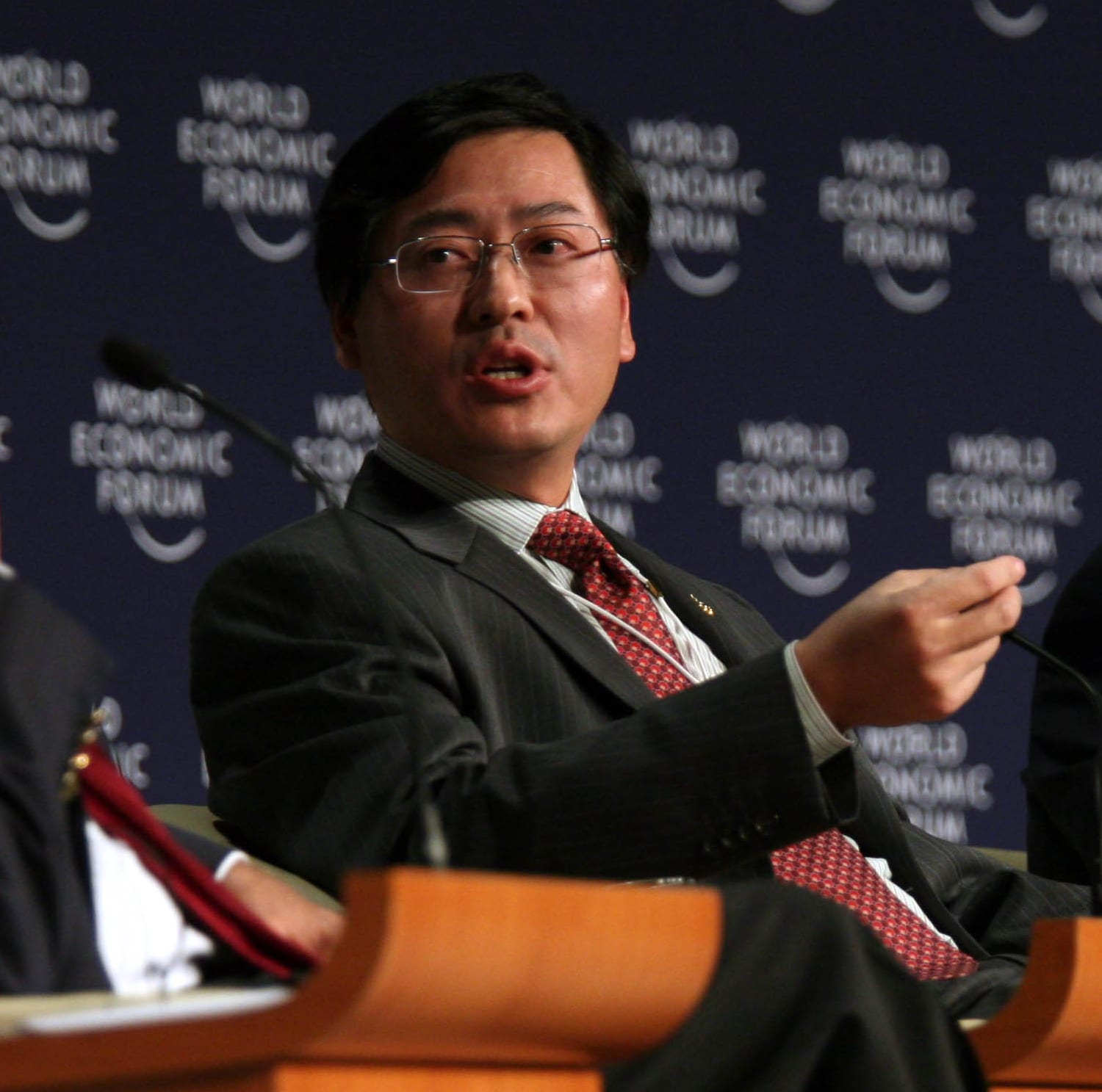
The claim: a $100 billion year on top of a memory shortage
Yang Yuanqing's case is simple arithmetic: memory is expensive, and AI is bigger. "We accurately anticipated supply shortages and cost increases (of memory chips), and addressed it successfully," the chief executive said after the June-quarter report, putting Lenovo−8.08% — Lenovo, down 8.08 percent today on track for $100 billion of revenue this fiscal year 1. At HKD 35.40, the stock trades above JPMorgan's September 9 Overweight target of HKD 30; the October 29 report is the verdict 2.
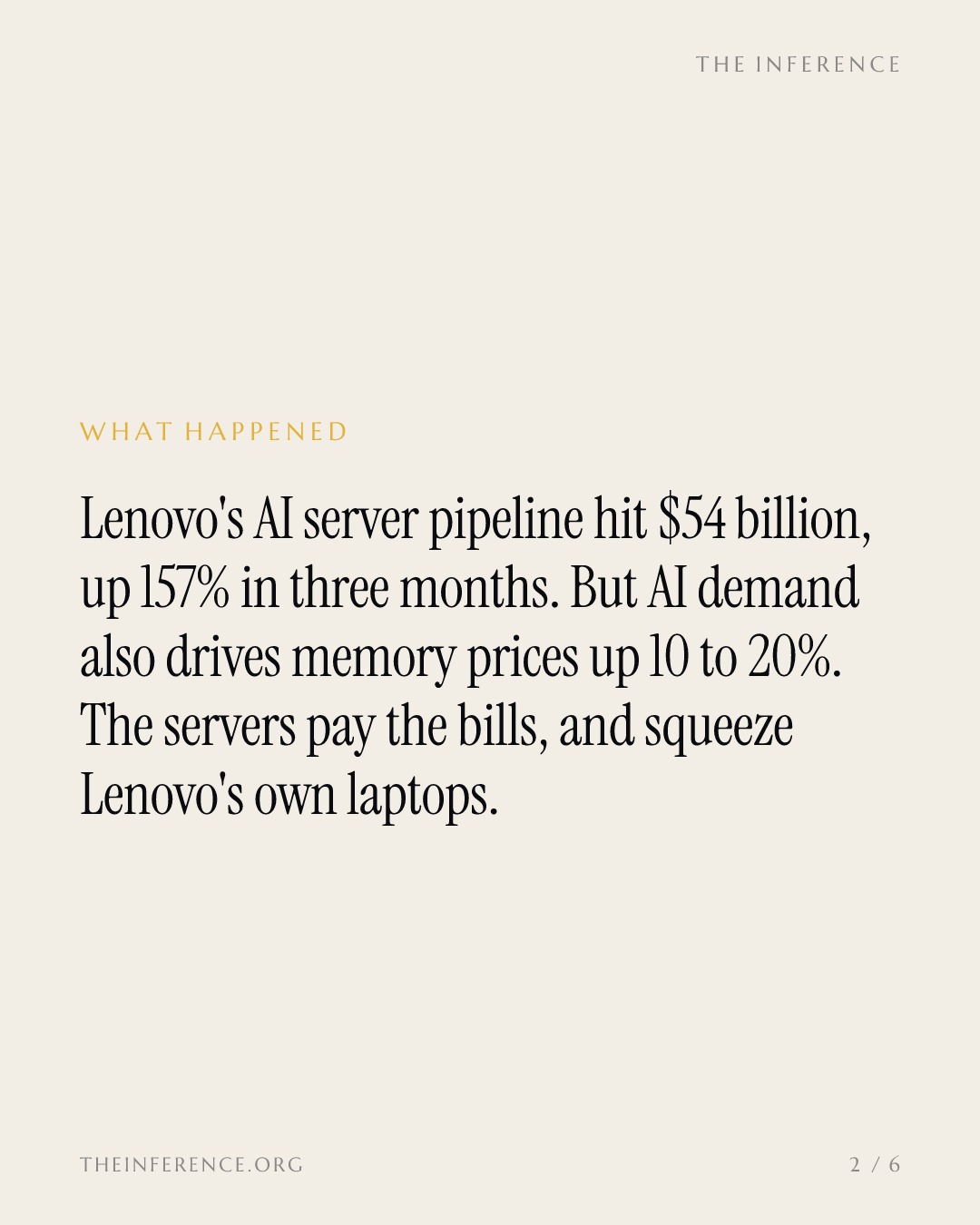
The quarter behind the pledge delivered revenue up 43% to $26.94 billion, the strongest growth in five years, and an AI server order pipeline of $54 billion, up 157% from $21 billion three months earlier 13. Lenovo's own release calls it the strongest quarter in the company's history 4.
The servers causing the squeeze are Lenovo's fastest business
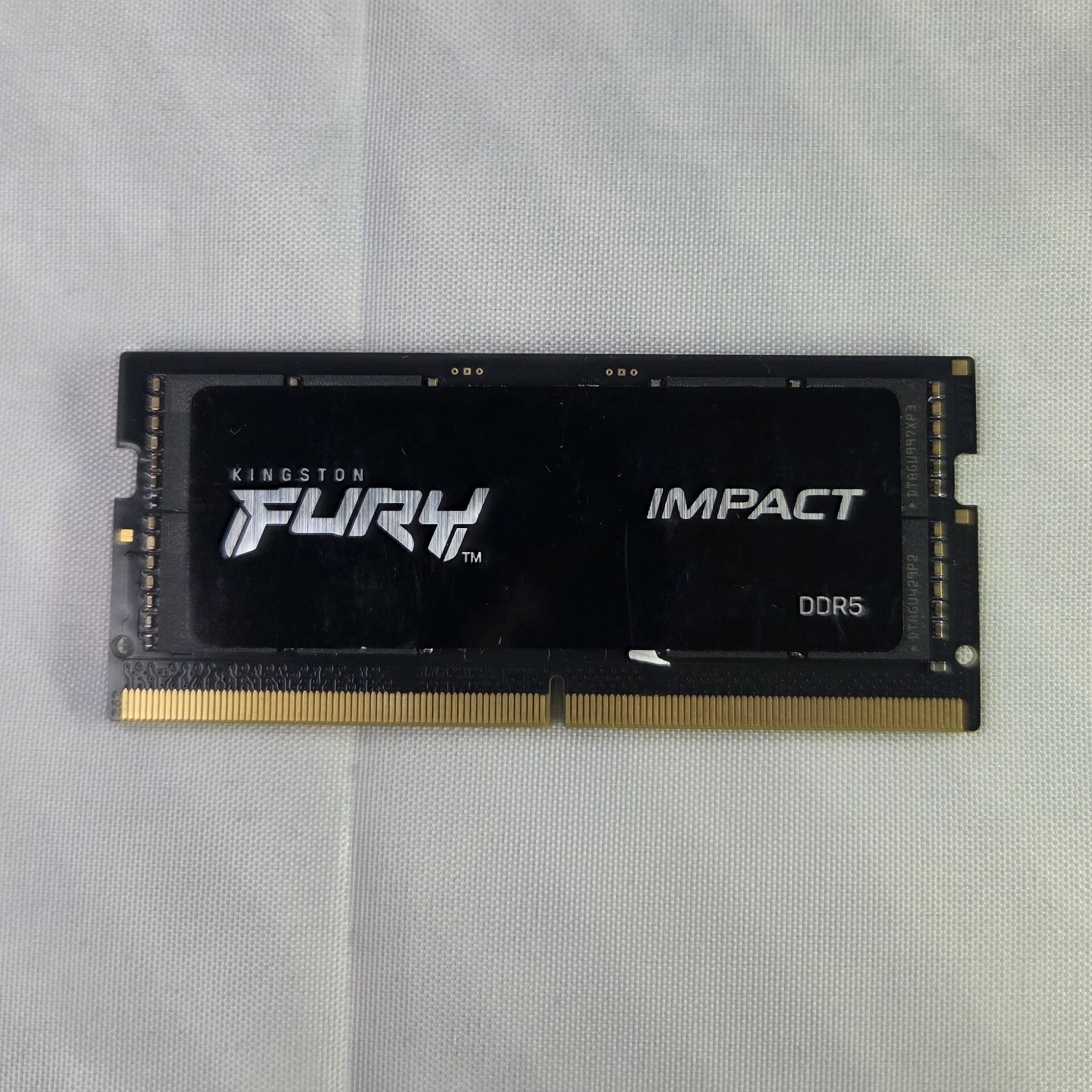
TrendForce expects conventional DRAM contract prices to rise another 10 to 15% in the fourth quarter and NAND flash 15 to 20%, because suppliers keep steering advanced-process capacity toward high-performance server products; PC DRAM supply could fall further in 2027 as capacity migrates to servers 5.
Lenovo sells servers into the same demand that is repricing its components, though no source splits its own AI-server orders from industry-wide demand. Its infrastructure unit grew 98% to $8.5 billion at a 9.1% operating margin, while the PC and phone unit, still 64% of revenue, grew 27% to $17.1 billion at 7.1% 23.
Servers doubled while PC units fell in Lenovo's June quarter
Data
| Value | |
|---|---|
| Servers (ISG) | 98% |
| AI-related revenue | 60% |
| Group revenue | 43% |
| PCs and phones (IDG) | 27% |
| Global PC unit shipments | -2% |
The bill lands on PC buyers first
Lenovo has raised PC prices twice this year, into a market that shrank 2% to 16.6 million units in the second quarter, the first decline since the first quarter of 2025; Lenovo held 25.6% share 1.
Yang concedes unit demand stays constrained and counts on higher average prices to carry revenue 1. Lenovo Philippines president Michael Ngan puts his own numbers on the same quarter: DRAM up to 15%, NAND up to 20% in the fourth quarter 2. HSBC expects the real procurement hit to surface in the second half as cheaper inventories run out 6.
The defense: margins widened anyway
Gross margin rose to 16.5% from 14.7%, and adjusted net income climbed 176% to $1.075 billion, the first quarter above $1 billion 37. The reported $609 million net loss came from a $1.7 billion non-cash warrant revaluation, not operations 1. The caveat that matters: a pipeline is committed demand, not delivered revenue 3.
The October 29 test
Results land on October 29 2. The ADR fell 3.1% the morning after record results, a measure of what is already priced in 7; parent Legend Holdings' 31.4% stake more than tripling this year to over $17 billion 8 shows the same from the owner's side.
Watch one number: the devices unit's 7.1% margin. The machines in the $54 billion pipeline are the same ones pulling memory out of Lenovo's laptops.
Deepdive
AI-generated from this story and its cited sources. Not investment advice.