Microsoft asks Trump to spare Chinese AI transceivers from an FCC ban; Eoptolink jumps 17%
US rivals cannot replace the Chinese volume for at least two years, so an abrupt ban would strand AI chips Microsoft and other cloud buyers already own; the market re-rated Eoptolink 17% higher in one session.
 Vincent Jiangtwo-minute read

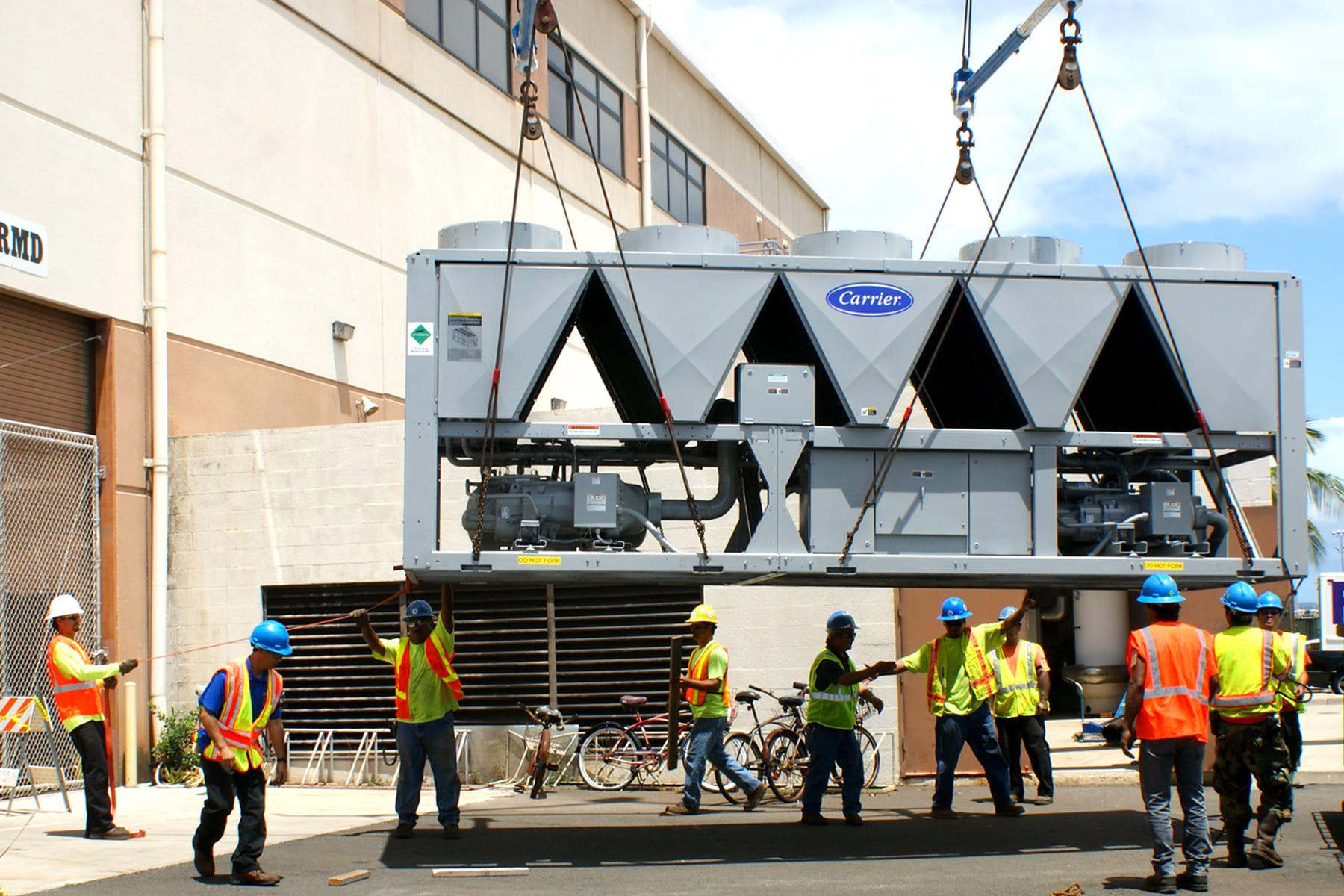
A tiny part worth billions sits between Washington and the AI buildout. Microsoft+0.64% — Microsoft, up 0.64 percent today has pressed the Trump administration to halt a Federal Communications Commission (FCC) plan to ban new Chinese-made optical transceivers, the modules that turn electrical signals into light so fiber-optic cables can link servers inside AI data centers, Reuters reported on November 10 4. Eoptolink Technology, one of the two Chinese firms that make them, jumped 16.97% to CNY 215.00 on November 11, a $44.9 billion market value, as the market priced Chinese supply staying in the game 2.
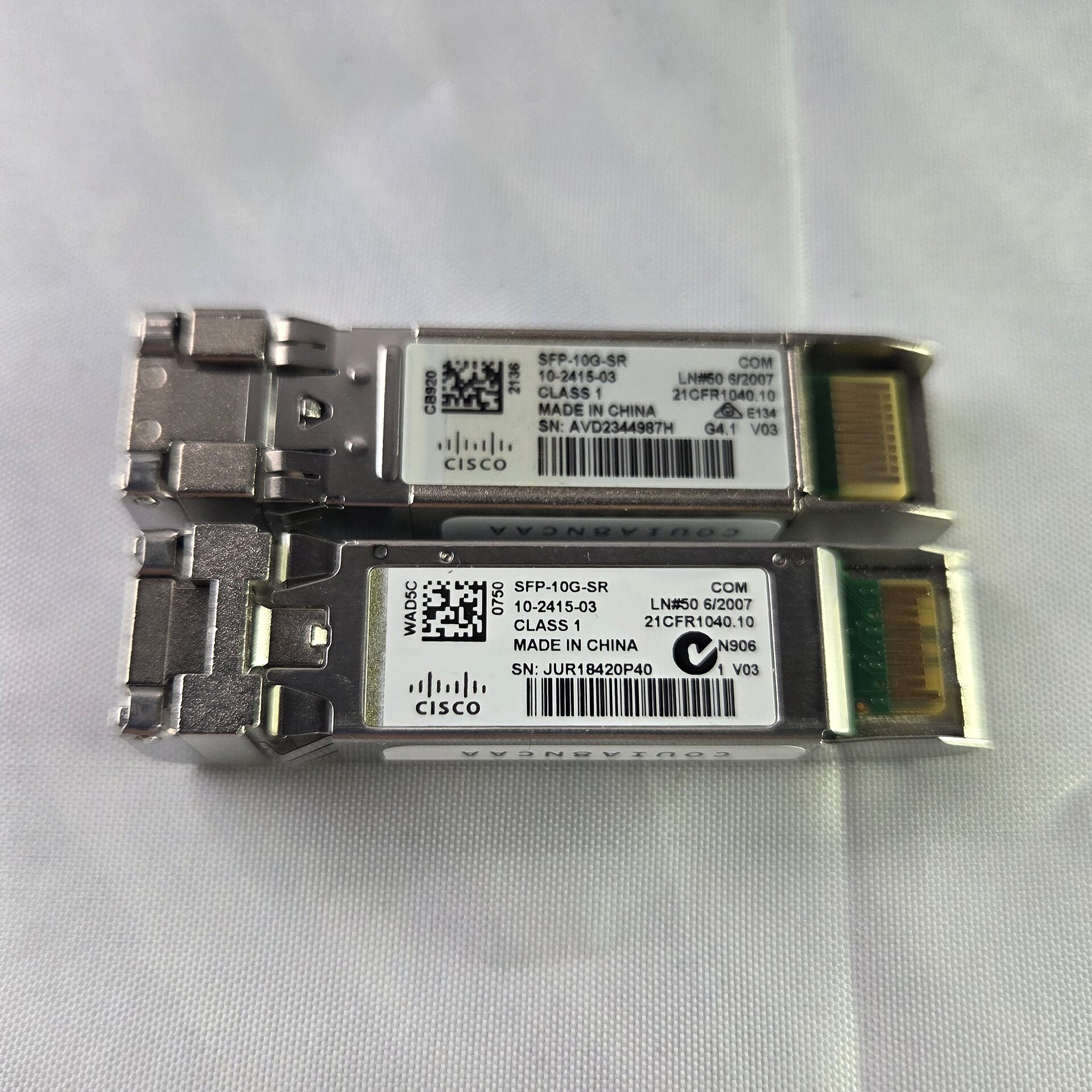
Washington's side of the fight is security: US officials worry Beijing could use the modules to steal data, install malware or disrupt service inside American data centers 4. The FCC is preparing the restriction at President Trump's request, first signaled in August 5.
America cannot swap them out
China holds about two-thirds of global transceiver unit supply, Counterpoint Research estimates, and the larger Chinese rival, Zhongji Innolight, alone took roughly 27% of 2025 data-center transceiver revenue; it sits on the Pentagon's list of Chinese military-linked companies 1. Both Innolight and Eoptolink sell to top US hyperscalers 1.
Counterpoint and a Foundation for American Innovation report reach the same conclusion: the two listed US optical-component makers, Coherent−0.06% — Coherent, down 0.06 percent today and Lumentum−3.21% — Lumentum, down 3.21 percent today, lack the cleanroom capacity, packaging infrastructure and yield scale to absorb that volume within 12 to 24 months 1. Microsoft had 35 US data centers under construction and 134 more planned as of Cleanview's count 1. The Information Technology Industry Council (ITI) says cloud companies have already bought their AI chips, and its general counsel John Miller warns those chips "could just sit there waiting around unutilized" without the transceivers to connect them 6.
Chinese transceiver makers keep twice the profit American rivals do
Eoptolink kept 35.1% of revenue as net profit, Coherent 16.2%
Chinese transceiver makers kept roughly double the net margin of their American rivals
Data
| Value | |
|---|---|
| Eoptolink | 35.1% net margin |
| Zhongji Innolight | 30.9% net margin |
| Coherent | 16.2% net margin |
| AAOI | 2.3% net margin |
Same product layer, same July-September quarter: Eoptolink kept 35.1% of revenue as net profit, Innolight 30.9%, Coherent 16.2% and Applied Optoelectronics (AAOI), the smaller US listed maker, 2.3% 3. The Chinese vendors are not just bigger; they keep roughly double the profit of their American rivals.
Coherent's net margin took three years to reach 16.2%, still under half of Eoptolink's 35.1%
Data
| Coherent net margin | |
|---|---|
| Q4 '23 | -2.4% net margin |
| Q1 '24 | -1.1% net margin |
| Q2 '24 | -3.7% net margin |
| Q3 '24 | 1.9% net margin |
| Q4 '24 | 7.2% net margin |
| Q1 '25 | 1% net margin |
| Q2 '25 | -6.3% net margin |
| Q3 '25 | 14.3% net margin |
| Q4 '25 | 8.7% net margin |
| Q1 '26 | 10.6% net margin |
| Q2 '26 | 11.8% net margin |
| Q3 '26 | 16.2% net margin |
The likely ban spares what China ships today
A hard ban would be the bull case for Coherent and Lumentum, whose chief executive says calendar 2027 is already "basically booked out" 7, and a cost shock for hyperscaler capex. The likely fix instead: a threshold restricting only 3.2-terabit-per-second parts, which Chinese makers do not ramp until 2028, with installation from 2029 1. Watch whether that threshold holds. If it does, the pricing power behind those margins keeps compounding for quarters longer than US rivals can answer.
Get Data Center by email, free
Who is building AI's data centers, and who is paying for them. In our daily email, every weekday.