Murata walked out of commodity capacitors and handed Yageo a 151% rally
Murata and Samsung Electro-Mechanics hold nearly 90% of AI-server capacitors and are deleting commodity part numbers to keep it. The volume they dropped just handed Yageo a record August and a 151% rally, and the open question is whether China lets Taipei keep it.
 Vincent Jiang · 3 min read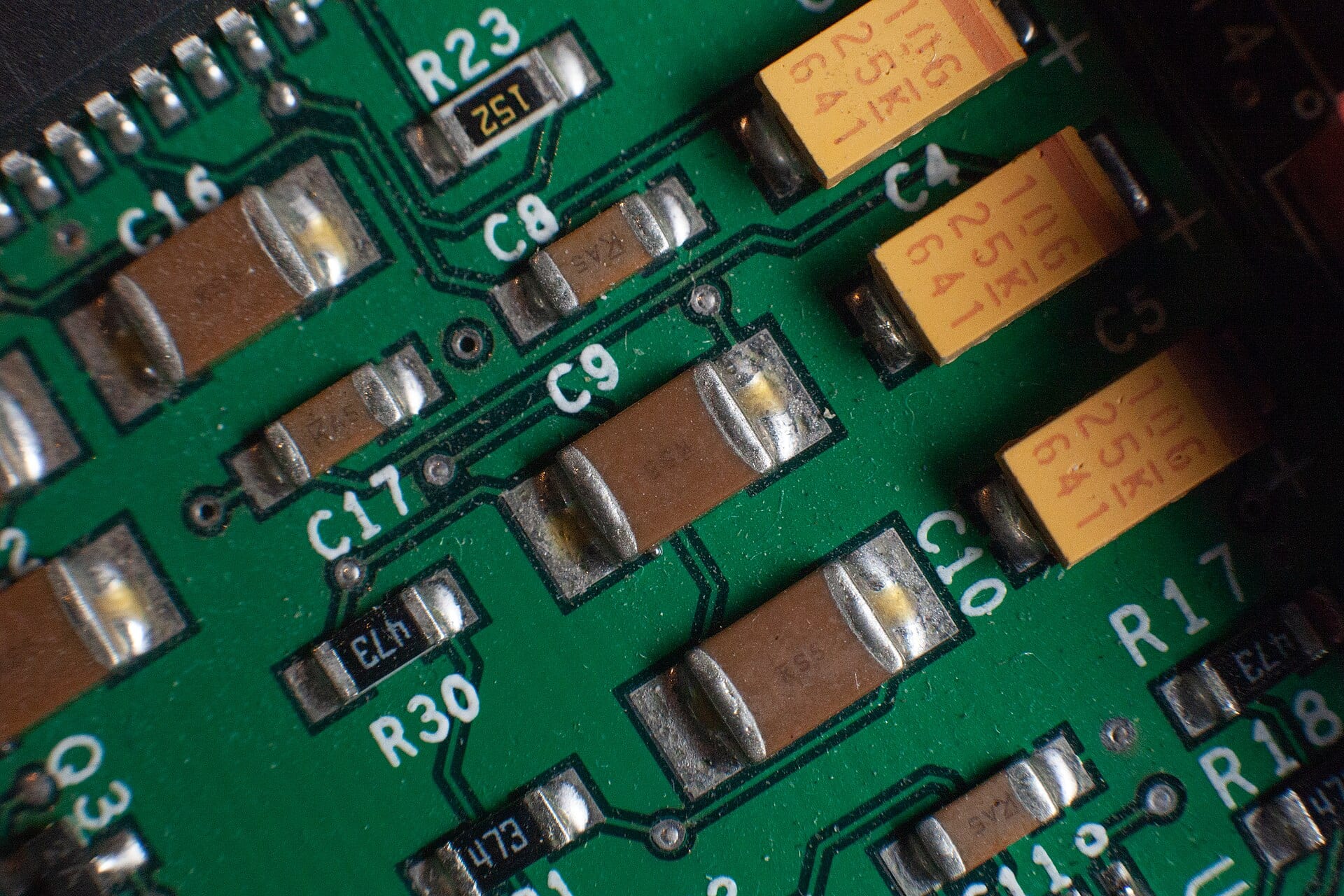
Murata is deleting the part numbers Yageo now lives on
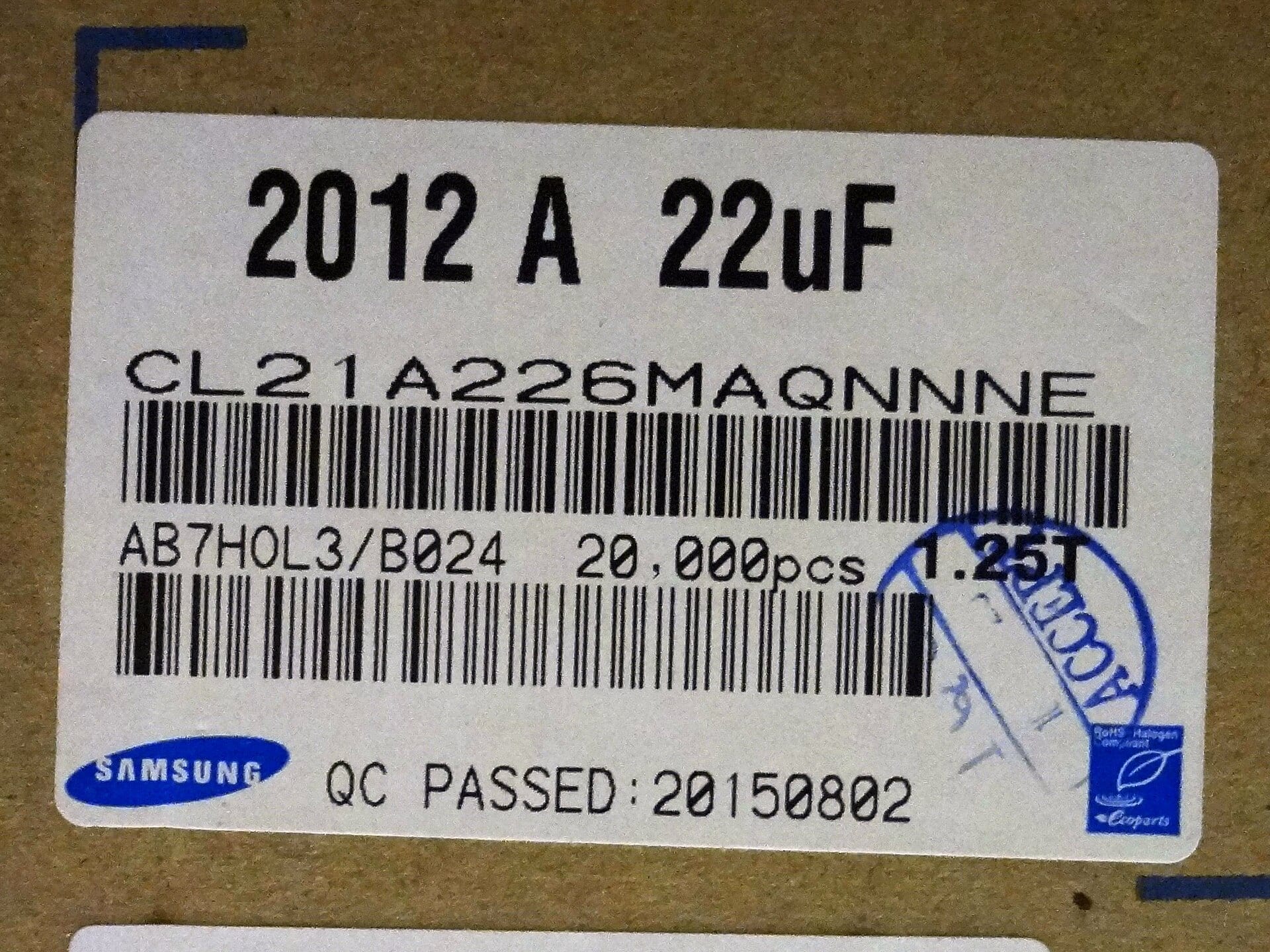
Murata, the world's biggest maker of multilayer ceramic capacitors, told customers it will begin discontinuing commodity capacitors used in IT gear and cars 1, with trade press counting selected models across nine product series 7. The math is brutal and simple: an AI-server MLCC stacks roughly 10 times the ceramic layers of a commodity part, so every high-margin AI batch displaces commodity capacity one-for-one 1. Samsung Electro-Mechanics and Murata together control nearly 90% of AI-server MLCCs, and SEMCO's first-half MLCC average selling price rose 13.9% 1. Walking away from the cheap stuff is how they defend the franchise.
Record months, price hikes, a near-tripled stock
TrendForce says X5R commodity capacity is becoming severely constrained and names Yageo, Walsin and China's Viiyong as third-quarter beneficiaries 1. Yageo's August revenue rose 51.8% year on year to NT$16.332 billion, about US$510 million, a monthly record, with third-quarter utilization guided above 90% 1. Second-quarter net profit rose 89% 2, and capacitor prices went up across the board from 1 July 8. The stock closed at NT$580 on 24 September, up 151.1% this year 2.
After a 151% run, Yageo still sits below the most cautious target
- Estimate
Data
| Value | |
|---|---|
| Close, 24 Sept 2026 | NT$580 |
| Cathay Securities target (estimate) | NT$700 |
| 15-analyst average target (estimate) | NT$1,009.33 |
China is already inside the generic parts
On 29 September, after the Taiwan-gains stories, DIGITIMES reported AI-server MLCC prices still climbing while Chinese suppliers gain ground in generic components 3. In Shenzhen, consumer MLCC spot prices have fallen two-thirds from their June-July peak, and Morningstar's Kazunori Ito says Chinese makers appear well positioned as the majors scale back mature parts 7. DB Financial Investment puts the risk plainly: switching barriers in IT MLCCs are low, so transferred volume can move again as fast as it arrived 1.
The cash went to sensors, not commodity lines
Yageo, the world's largest chip-resistor maker 5, is spending on deals. It paid 7,130 yen a share, about US$740 million, for 50.01% of Japan's Shibaura Electronics, closing a contested tender in October 2025 56, after agreeing in 2022 to buy Schneider Electric's Telemecanique Sensors for about US$729 million 9. One French report now says Yageo believes it overpaid for Telemecanique and is claiming 136 million euros back from Schneider; no second source has surfaced, so that figure stays a claim 4.
The third-quarter print decides it
Cathay Securities initiated at NT$700 on 21 September; the 15-analyst average sits at NT$1,009 2. That gap is the whole argument: the street prices a permanent handover, Cathay a partial one. Murata is already weighing capacity expansion beyond 2028 3, which would make the retreat structural. In commodity parts, loyalty lasts exactly as long as the next cheaper quote. Watch whether X5R volume sticks as Chinese capacity lands, and whether Yageo's Q3 print, due in November, shows the record August was inherited demand or owned demand.
Deepdive
AI-generated from this story and its cited sources. Not investment advice.