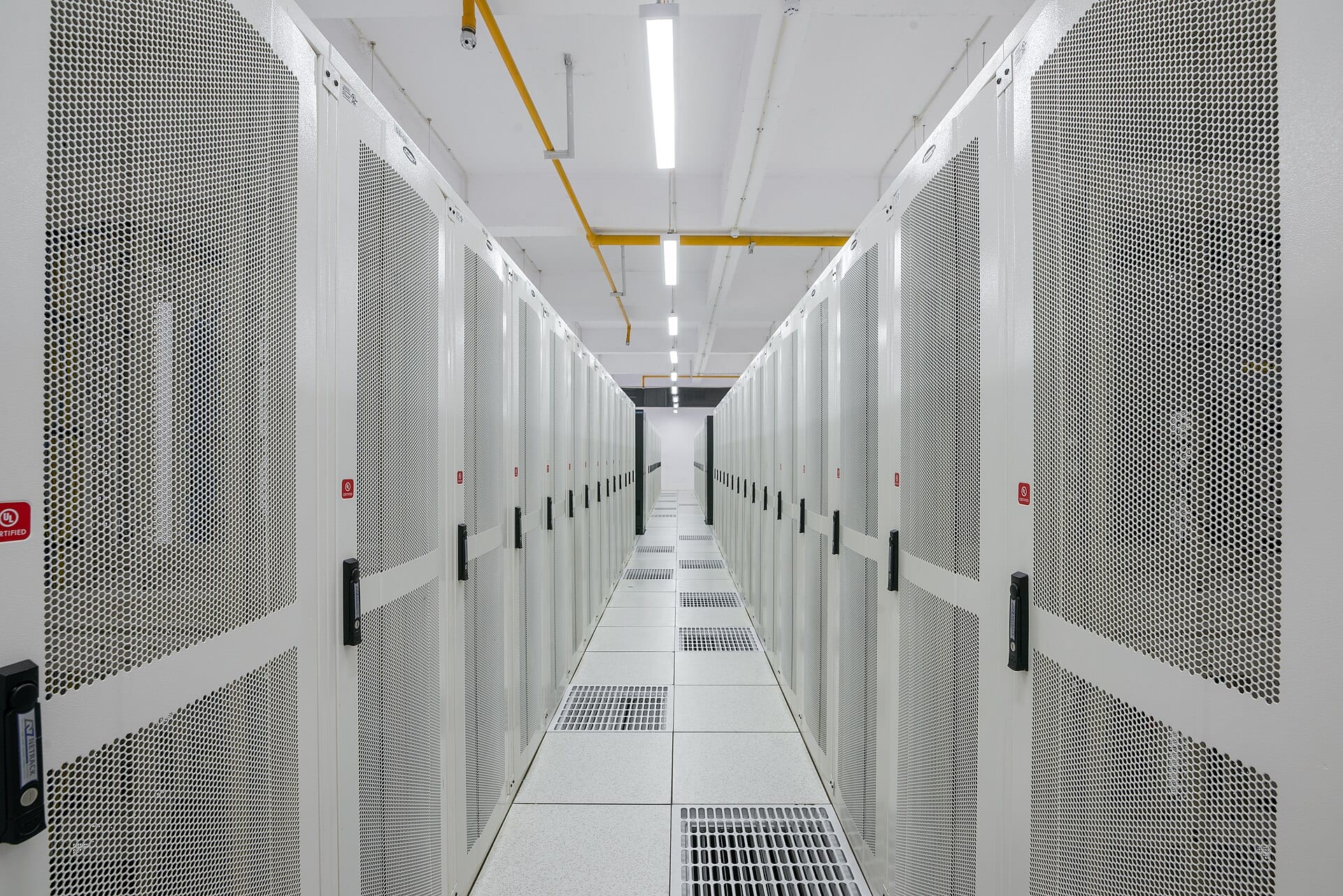
Murati's Thinking Machines just took on Firmus's delivery risk
Mira Murati's lab signed its models to Firmus's Asian AI factories mid-fundraise. The contract is real, but so is the US$3 billion Firmus must raise first, and the OpenAI termination clause shows what a delay would cost.
 Richard Tang · 3 min read
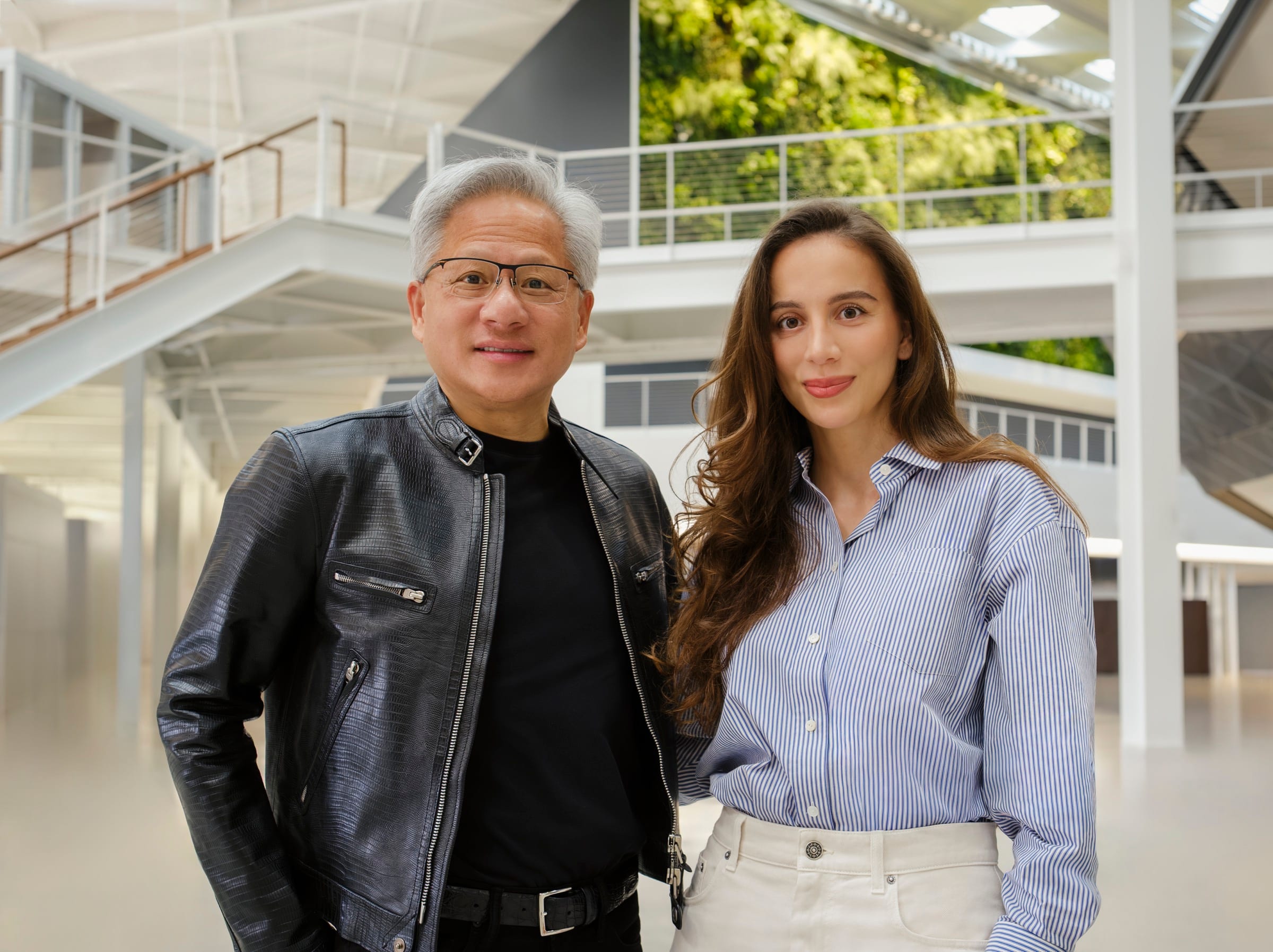
Mira Murati's Thinking Machines Lab$13.50B — Thinking Machines Lab, private, latest valuation $13.50B has contracted to train and deploy its next AI models on Firmus's AI factories in Asia, a multi-year deal announced on October 20 and the Australian builder's first major customer since it withdrew its ASX float on October 9 1. The signing is also the endorsement Firmus needs while its private raise is open: the contract arrived mid-fundraise, and Firmus's investor documents show the build it sells still depends on money it has not yet secured.
Murati's lab has agreed to sit on the losing side of any delay.
The deal is real; so is the financing gap
The deal itself is straightforward. Thinking Machines, which raised a US$2 billion seed at a US$12 billion valuation after Murati left OpenAI$500B — OpenAI, private, latest valuation $500B, becomes an anchor customer for Firmus's AI-Cloud Region in Asia, training on NVIDIA+2.49% — NVIDIA, up 2.49 percent today GB300 systems 1. It is Firmus's fifth named customer, alongside NVIDIA, Fireworks AI~$1.1B — Fireworks AI, private, latest valuation ~$1.1B, OpenAI and Meta−0.42% — Meta, down 0.42 percent today 1. Firmus's executives sell it as proof of demand for purpose-built AI infrastructure 2.
What the money says is the other half. Firmus needs about US$3 billion to help buy chips for its Malaysian and Indonesian factories, it must contribute roughly 15 percent of the chip cost as equity before the rest can be debt-funded, and it is raising from existing backers including NVIDIA, Blackstone−0.01% — Blackstone, down 0.01 percent today and Coatue Management 1.
Timing ties the two events together: after November 30, investors in Firmus's August round earn better conversion terms if the company has not listed, so the signing lands inside the six weeks when that raise needs credibility 1.
The delivery risk is concrete, not hypothetical
The Australian Financial Review's reading of documents circulated to Firmus investors shows OpenAI, anchor tenant for two Kuala Lumpur sites leasing from September 2027, can terminate for material delivery delays that are not remedied 4. The contracted-versus-operating gap is where that risk lives: Firmus has 46 megawatts running in Melbourne and Singapore against 912 megawatts customers including OpenAI and Meta have signed, with its 360MW Indonesia campus due from early 2027 1.
Firmus has sold 912MW and runs 46MW, with 360MW due from 2027
Data
| Value | |
|---|---|
| Signed to customers | 912 |
| Batam campus, due 2027 | 360 |
| Operating now | 46 |
For investors marking Thinking Machines in secondaries or IPO allocations, the plain reading is that this contract adds a new counterparty whose construction and financing delays would hit TML's training roadmap, rather than removing capacity risk. The lab buys GB300 capacity from Google Cloud as well, and NVIDIA holds shares in both Thinking Machines and Firmus while supplying both 1, so the endorsement sits inside one supplier family.
The specific thing to watch next: whether Firmus's US$3 billion raise closes before the November 30 conversion deadline, and whether its investor terms disclose construction milestones tied to the Kuala Lumpur deliveries OpenAI can walk from.
Get Data Center by email, free
Who is building AI's data centers, and who is paying for them. In our daily email, every weekday.