NASA, 달 착륙선 가격 고수했지만 일정은 상실했다
스페이스X 계약, 비용 6% 증가·일정 최소 2년 지연. 연료 보급에는 6일마다 유조선 발사 필수.
 Vincent Jiang · 3 min read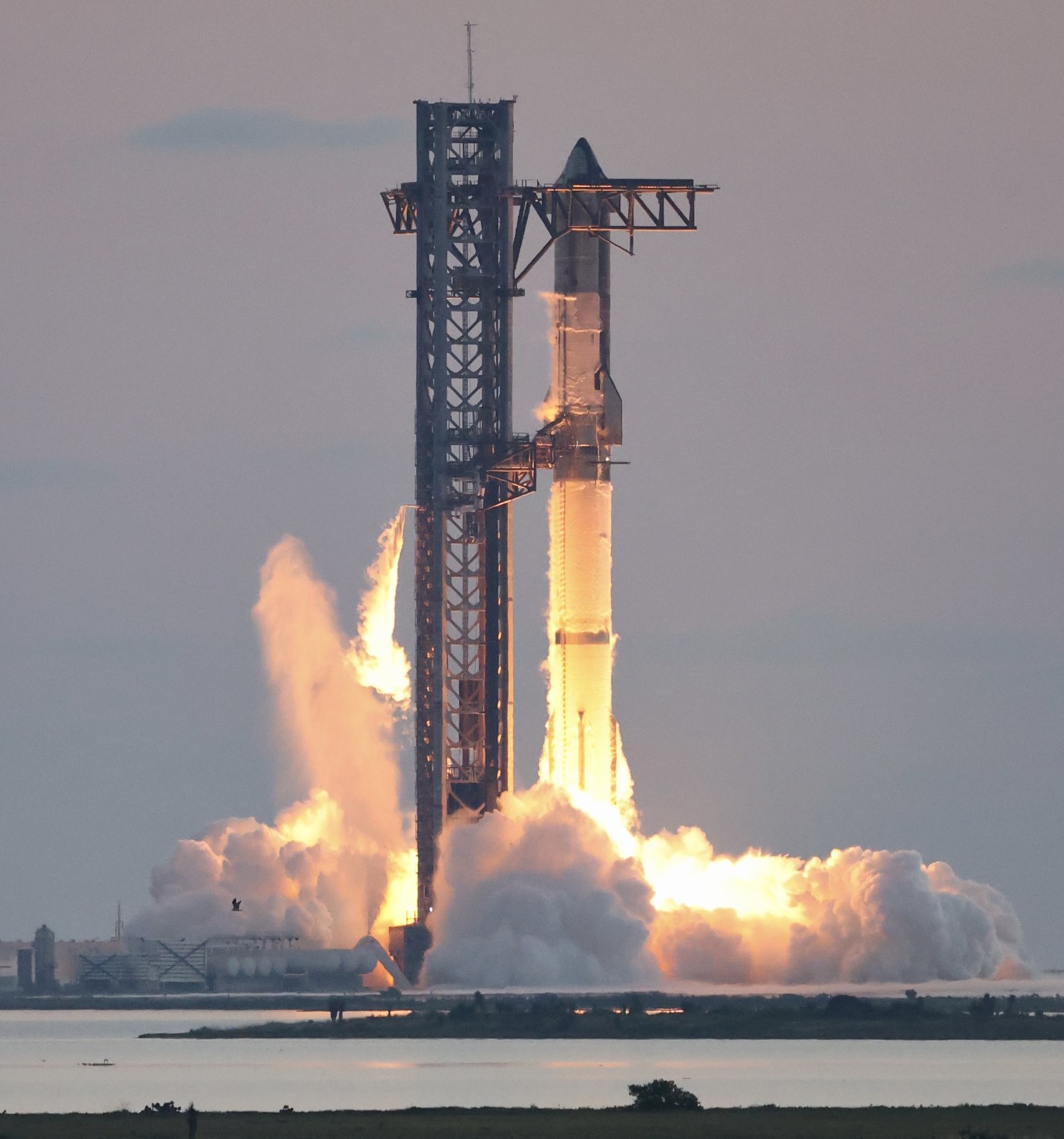
더 이상 착륙이 아닌 임무
아르테미스 III는 다시 달에 발을 디딜 비행이었다. NASA는 2월에 이를 지구 저궤도 유인 시연으로 재지정하고, 착륙을 2028년 아르테미스 IV로 옮겼다.1 우주비행사들은 비행하되, 착륙만 하지 않는다.
정부의 실제 구매 내용
NASA는 2021년 7월 스페이스X에 약 30억 달러 규모의 확정가격(firm-fixed-price) 계약을 줘 착륙선을 개발·시연토록 했다.2 고정 가격이 핵심이다: 제공업체가 초과 비용을 부담하고, 마일스톤 달성 시에만 대금이 지급된다. 해당 업체는 이제 상장 기업으로, 6월에 주당 135달러에 상장했다.9
이 규율은 비용에만 통했고, 다른 것은 통하지 않았다.
기관 자체 감사에 따르면, 해당 계약 비용은 6% 늘었다. 일정도 최소 2년 지연됐고, 감찰관은 더 큰 지연을 예상한다.2 납세자는 청구서에서 보호받았지만, 일정에서는 보호받지 못했다.
고정가격 계약은 금전적 위험만 전가할 뿐, 물리적 위험은 전가하지 않는다.
착륙의 산수
스타십은 한 번의 연료로 달에 갈 수 없다. NASA 보고서에 따르면, 지구 저궤도에 10대 이상 유조선이 채우는 저장소가 있으며, 연료 수집은 승무원 발사 200일 이상 전에 시작된다. 스페이스X는 저장소가 찰 때까지 6일마다 유조선 1회 비행을 목표로 한다.2
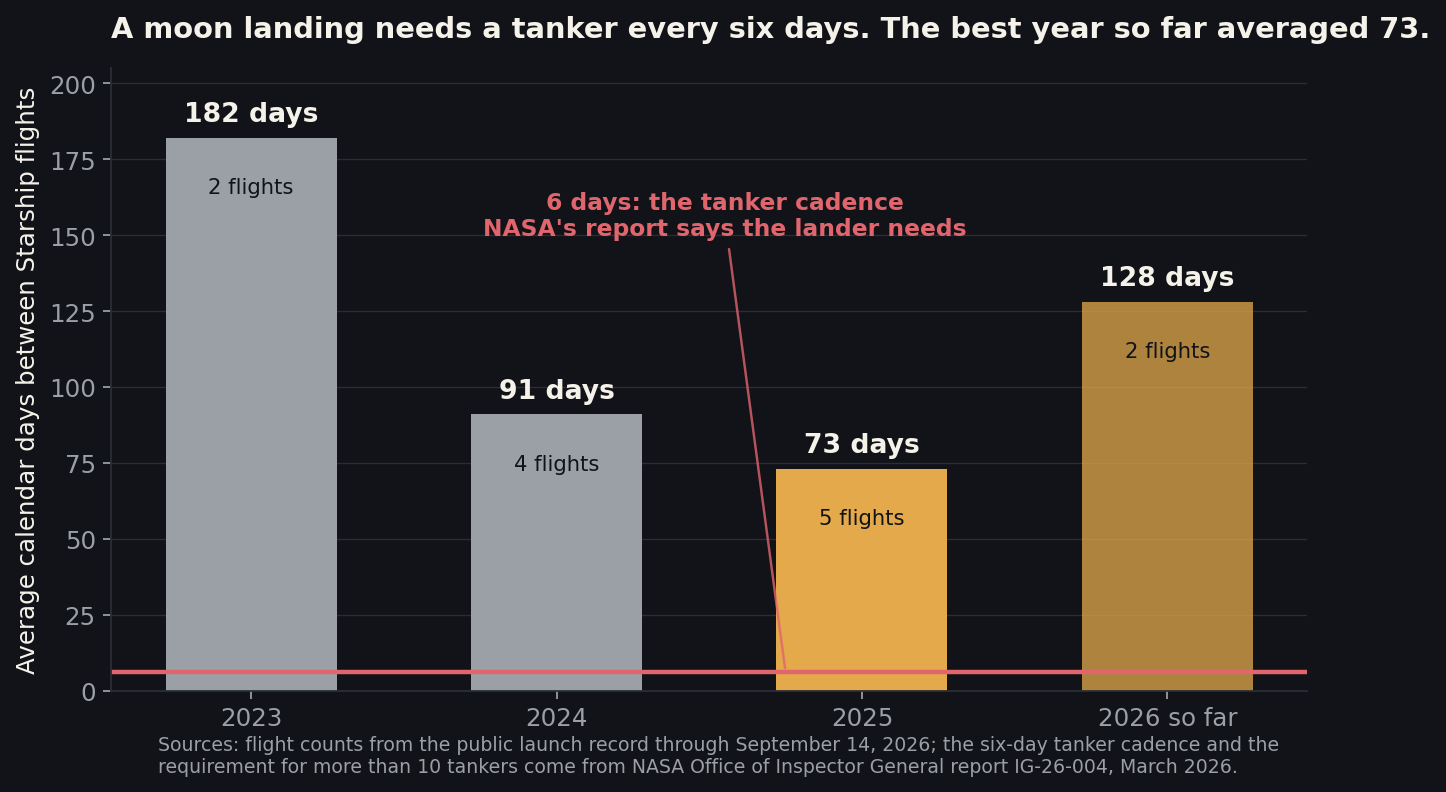
모든 것을 여는 마일스톤은 두 차량 간 극저온 연료 전환(cryogenic propellant transfer)이다. 이 프로그램은 제공업체가 직면한 가장 어려운 문제 중 하나로 꼽는다. 2025년 3월 예정이었으나 2026년 3월로 연기됐고, 상장 후 첫 비행인 7월 13회 비행7 후에도 시도되지 않았다.2,3,8,10
정상이라는 주장
어려운 차량은 늦어지기 마련이다. 지연을 기록한 같은 감사는 계약 방식이 두 제공업체 모두의 비용을 거의 평탄하게 유지했다고 평가한다.2 대안이 분명히 더 빠르지는 않다: NASA가 경쟁을 재개했고, 경쟁 착륙선을 탑재할 예정이던 로켓이 5월 폭발했다.4 일론 머스크는 부분적으로 채운 착륙선도 비행할 수 있다며 연료 보급 추정이 너무 비관적이라고 주장했다.5
이 해명은 비용 질문에는 답하지만, 속도 질문은 그대로 둔다.
주목 포인트
비행 14는 9월 22일 예정이며, 스타링크 위성을 궤도에 올린다.6 중요한 것은 비행 성공 여부가 아니다. 두 스타십이 도킹해 연료를 이동하는지, 그리고 다음 발사까지 며칠이 걸리는지가 관건이다.
달은 이제 로켓 문제가 아니라 속도 문제다.
How this brief was made
01Gathered & sourced362 channels · 2,337 articles▾
Agents swept 362 channels and ingested 2,337 articles, then de-duplicated and ranked them for signal.
02Verified & cross-validated10 claims · 34 data feeds▾
Every one of 10 load-bearing claims was checked against primary sources, with 34 live data feeds reconciling the figures and charts.
- 1NASA Artemis III mission profile, revised Feb 27 2026 (primary record: Artemis III redesignated a crewed low Earth orbit demonstration, landing moved to Artemis IV in 2028).
- 2NASA Office of Inspector General, ‘NASA’s Management of the Human Landing System Contracts’, IG-26-004, Mar 2026 (primary record: ~$3B firm-fixed-price award Jul 2021; 6% cost growth; delay of at least 2 years; more than 10 tankers; propellant aggregation beginning more than 200 days before crew launch; one tanker flight targeted every 6 days; the vehicle-to-vehicle cryogenic transfer test slipped from Mar 2025 to Mar 2026).
- 3Space Daily, 2026 (no large-scale orbital propellant transfer attempted as of the thirteenth flight in July 2026; single-source technical summary).
- 4Spaceflight Now, Jun 4 2026 (NASA urging an alternative launcher for Blue Origin's landers after the New Glenn failure; independent trade coverage).
- 5Wccftech, 2026 (Musk disputing the 16-launch refuelling figure, arguing a partly refuelled lander suffices; company-claimed, via trade coverage).
- 6Space Launch Schedule, accessed Sep 14 2026 (Flight 14 targeted for Sep 22 2026, third flight of Starship V3, first to deploy Starlink satellites into a stable orbit; a schedule, not a result).
- 7Public launch record of Starship integrated flight tests, accessed Sep 14 2026 (2 flights in 2023, 4 in 2024, 5 in 2025, 2 through September 2026; 13 flights with 8 successes and 5 failures).
- 8Spaceflight Now, Jul 25 2026 (Flight 13 mostly successful: booster lost on landing burn, ship survived splashdown intact; independent trade coverage).
- 9CNBC, Jun 12 2026 (SpaceX shares priced at $135 and closed the first day at $161; market report).
- 10CNBC, Jul 24 2026 (first Starship test flight after the listing; independent coverage).
03Reviewed & edited1 human editor▾
One editor read the draft against the evidence, tuned the framing, and signed off before it shipped.
Become a contributor
Reporting on the business of AI and want it read? We take pitches from outside contributors who bring primary sources and a number worth arguing about.
Deepdive
AI-generated from this story and its cited sources. Not investment advice.