New nuclear cost 3.3x more per megawatt under Amazon than Google, six days apart at Constellation
Two 20-year contracts signed six days apart put $3 billion behind 190 MW at Calvert Cliffs and $4.3 billion behind 890 MW of reactor uprates. Neither discloses a power price, so capital per megawatt is the only public signal in the AI nuclear scramble, and it moved 3.3x in a week.
 Vincent Jiang · 3 min read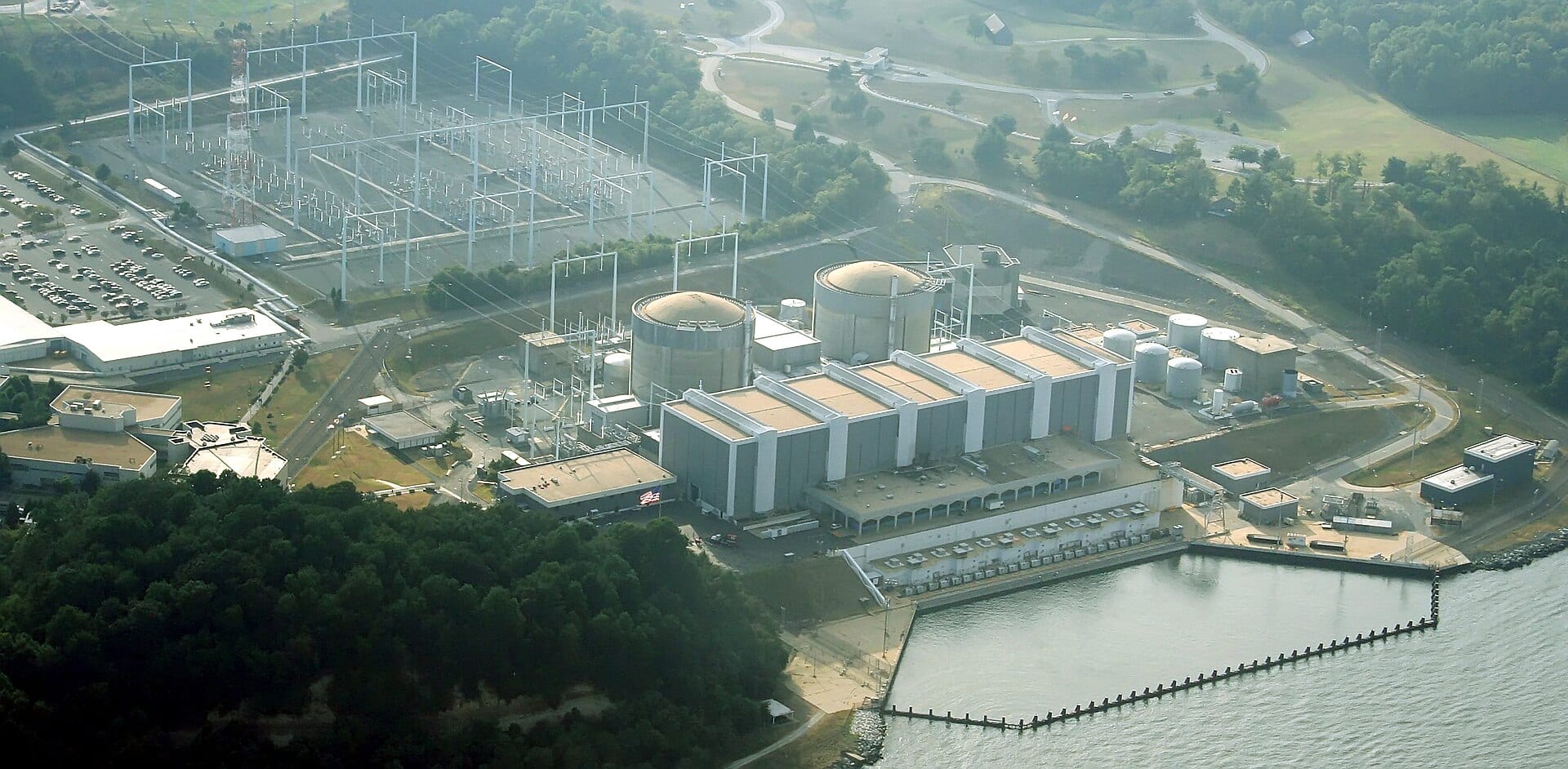
Two prints, six days apart
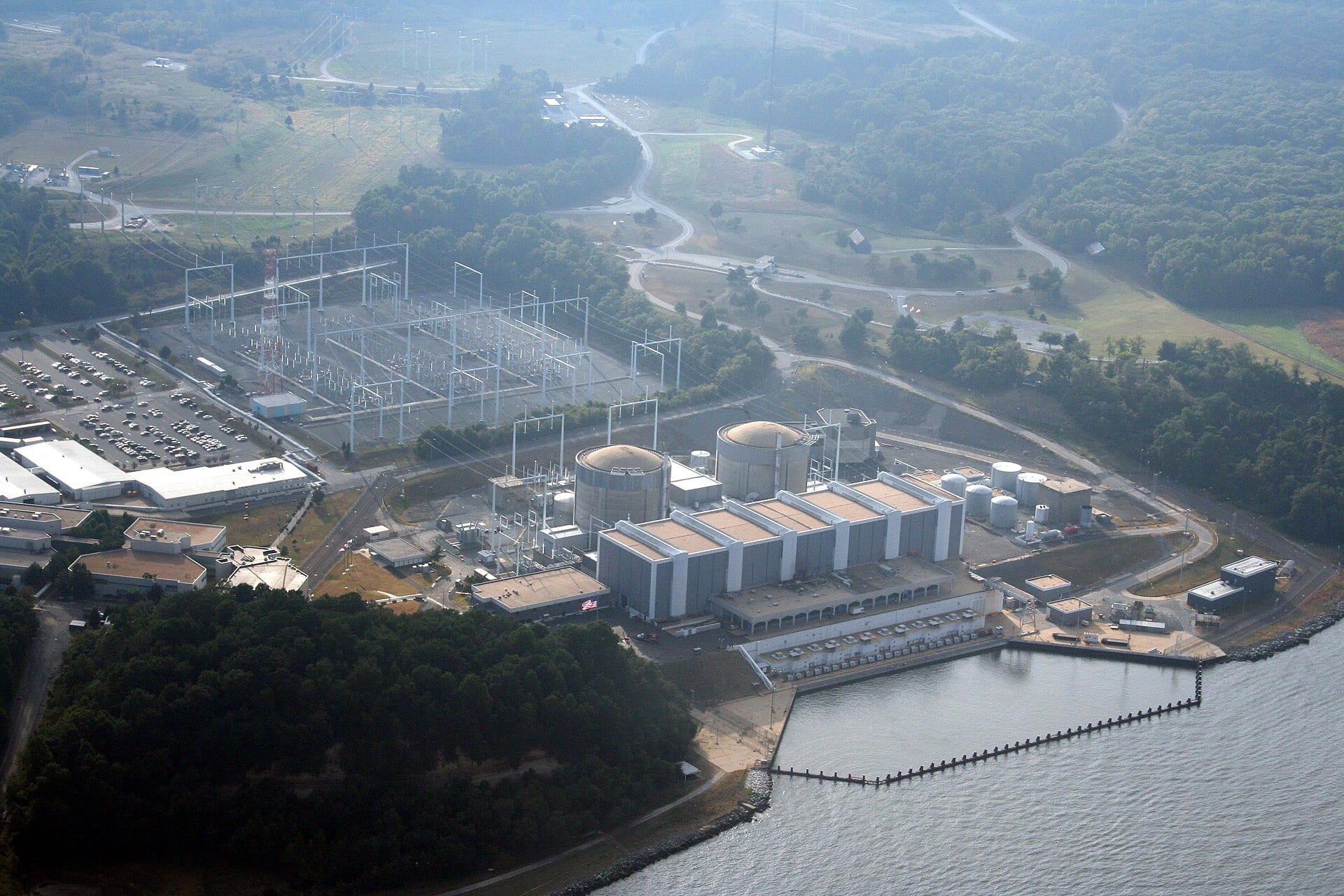
On September 30 Amazon signed a 20-year agreement at Constellation's Calvert Cliffs plant in Maryland: more than $3 billion of investment across the 1,790 MW site, about 190 MW of new capacity due between 2030 and 2032, and a further 20-year relicensing. The deal covers 690 MW of power, uprate included 9.
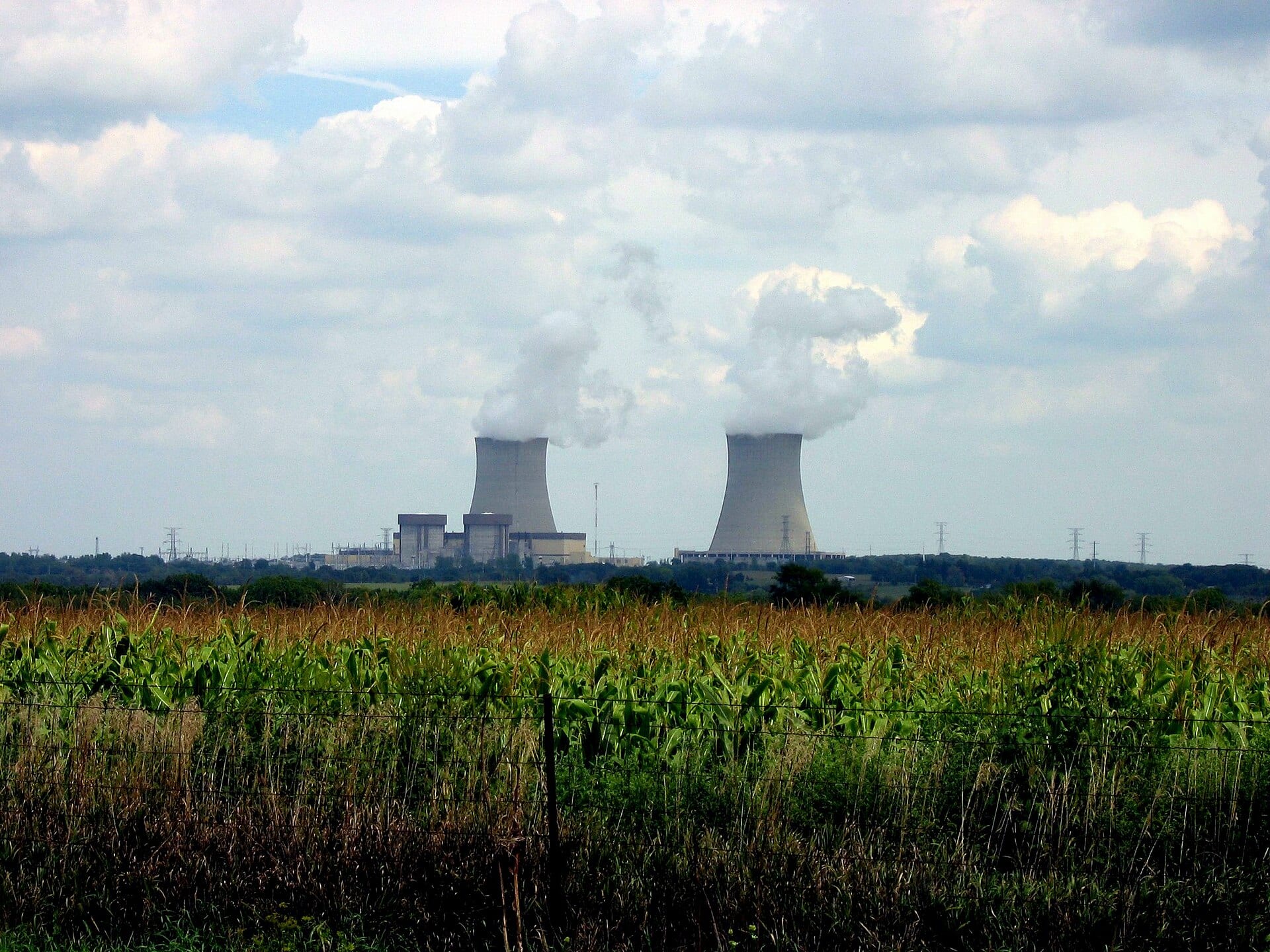
Six days later Google signed for 890 MW of entirely new output, from uprates at 11 reactors in Illinois, Pennsylvania and New Jersey, backed by more than $4.3 billion of Constellation investment, with first power in 2028 and the full amount by the end of 2032 106. A separate 15-year agreement adds 2,700 MW from the existing fleet, 3,590 MW in all 3.
Per new megawatt, that is roughly $15.8 million of capital behind the Amazon print and $4.8 million behind Google's, a 3.3x spread in six days.
The only price signal left
Neither contract discloses a power price 7, and Amazon's $3 billion also buys plant-wide upgrades and a life extension, so the prints are not apples to apples 9. Capital per new megawatt is still the only public price discovery in the nuclear buildout, and it swung by a factor of 3.3 in under a week. Behind it sits real scarcity: PJM is short about 6.8 GW of new capacity 1, capacity prices have risen more than 11-fold since 2024 2, and the grid operator has proposed that data centers bring their own power or face remote shutoff at peak demand 2. Google's deal is a direct answer to that proposal 10, and it sustains roughly 4,400 existing jobs while creating about 7,200 construction jobs across six sites 10.
The buyers carry the risk, Constellation collects
Alphabet's capital spending doubled year over year to $44.9 billion last quarter and hit $132 billion over four; locking two decades of firm carbon-free power is how that bill gets paid 8. Constellation collects on every side. Its shares closed at $300.40, up more than 12% on the day, after entering it down 24% for 2026 45, at 21.6x forward earnings against a 26.2x three-year average 7. A $900 million, 30-year green bond followed 2. The $4.3 billion commitment alone is bigger than any capex year in its filings 11.
One Google contract commits more capital than any Constellation capex year on record
Data
| Capital expenditure | |
|---|---|
| FY2020 | $1.75B |
| FY2021 | $1.33B |
| FY2022 | $1.69B |
| FY2023 | $2.42B |
| FY2024 | $2.57B |
| FY2025 | $2.95B |
The fade: scarcity sold cheap
The bull case says 20-year contracts turn a merchant producer into a contracted compounder that deserves a utility-like multiple 7. The bear case: 2,700 MW of the Google deal is existing output at an undisclosed price, and if power in 2035 fetches more than these contracts pay, the fleet sold its scarcity cheap 78. The same doubt hangs over Vistra, up 10.77%, and Talen, up 12.43%, which rallied on contracts they are not party to 6.
What to watch
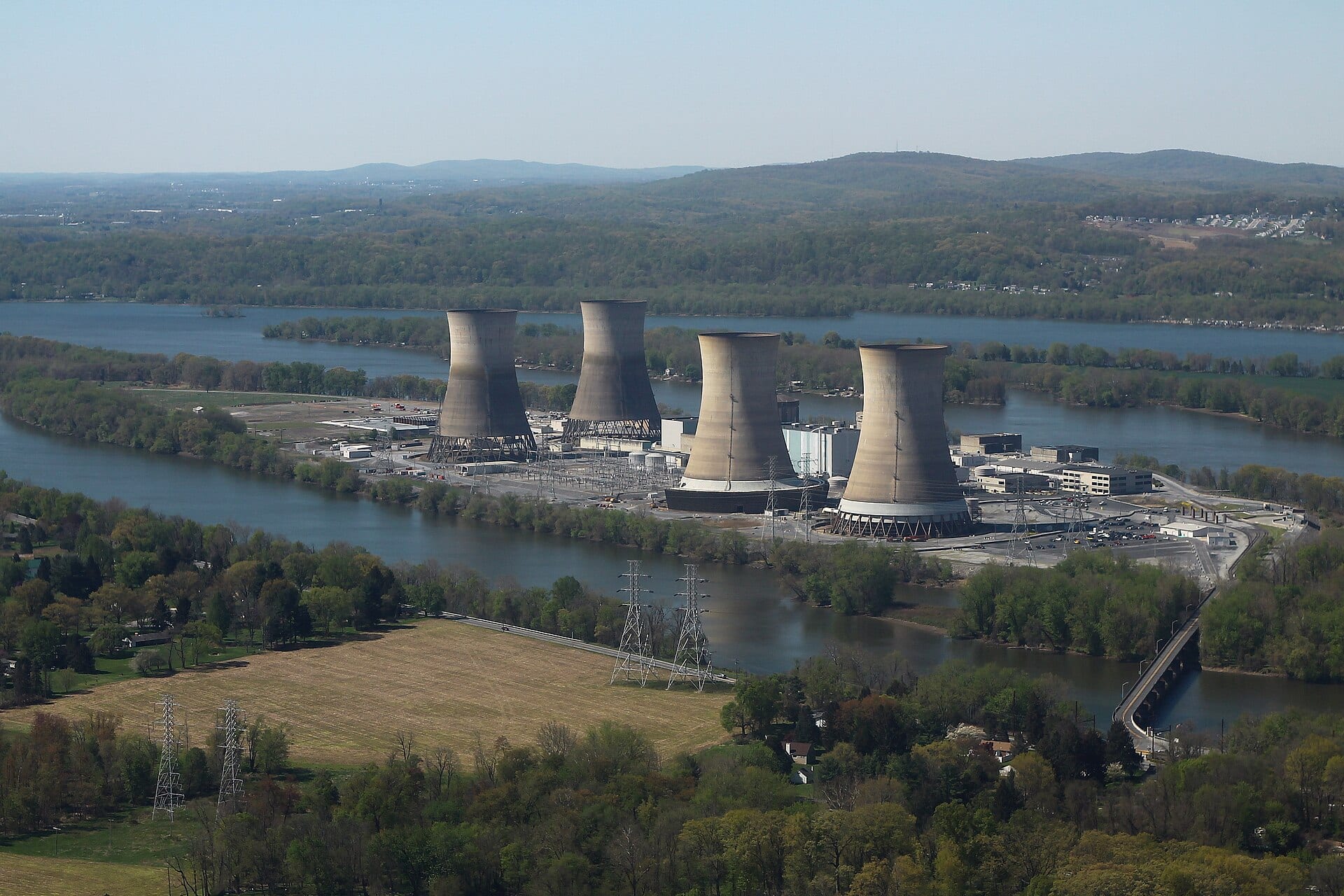
The next print sets the next price. Microsoft, already a Constellation customer through the Three Mile Island restart, is the obvious bidder, with Meta already served at Clinton 7. Then PJM's bring-your-own-power rule, and the first Google uprate in 2028 10. There is no market price for new nuclear yet, only buyers at one seller's door.
Deepdive
AI-generated from this story and its cited sources. Not investment advice.