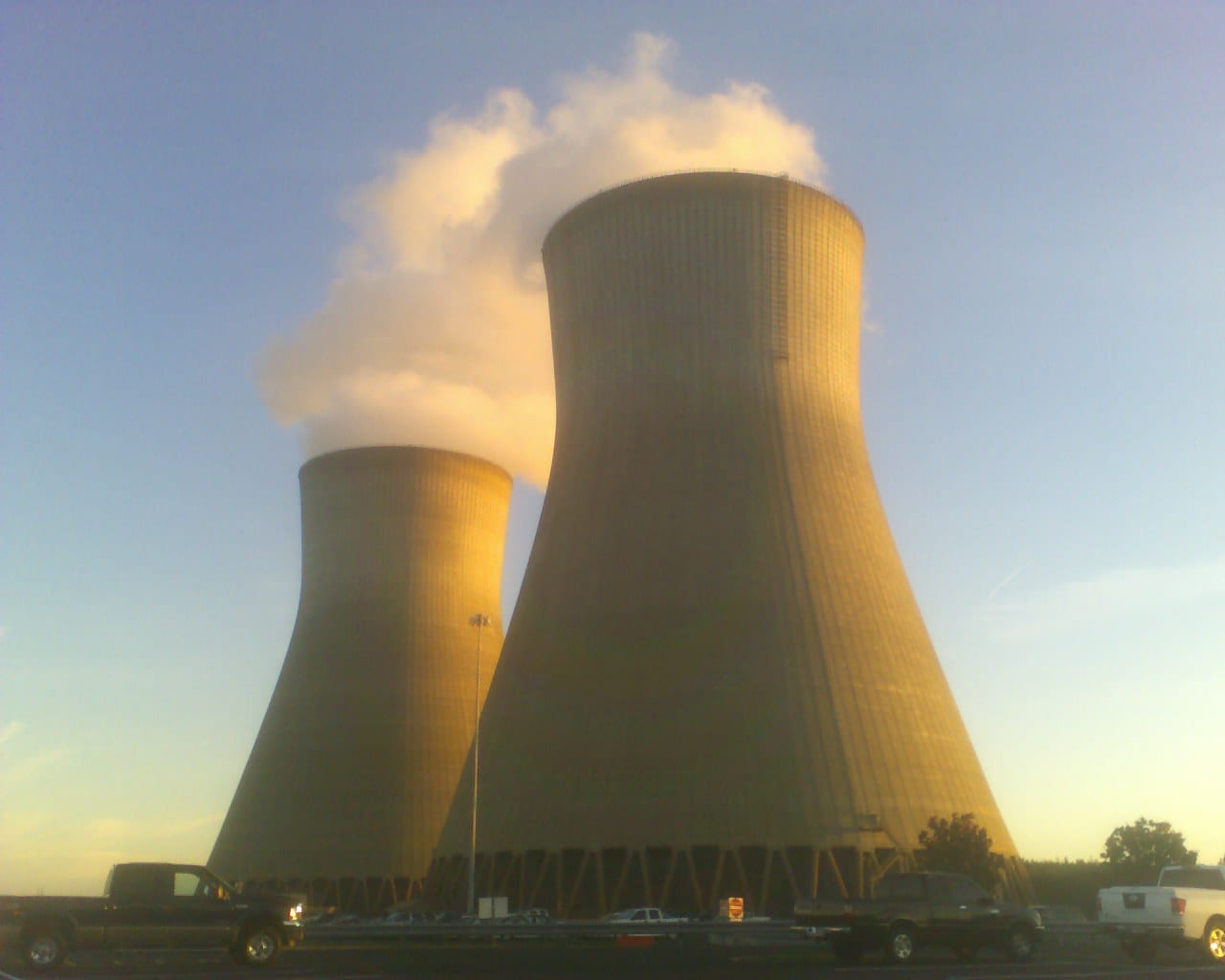
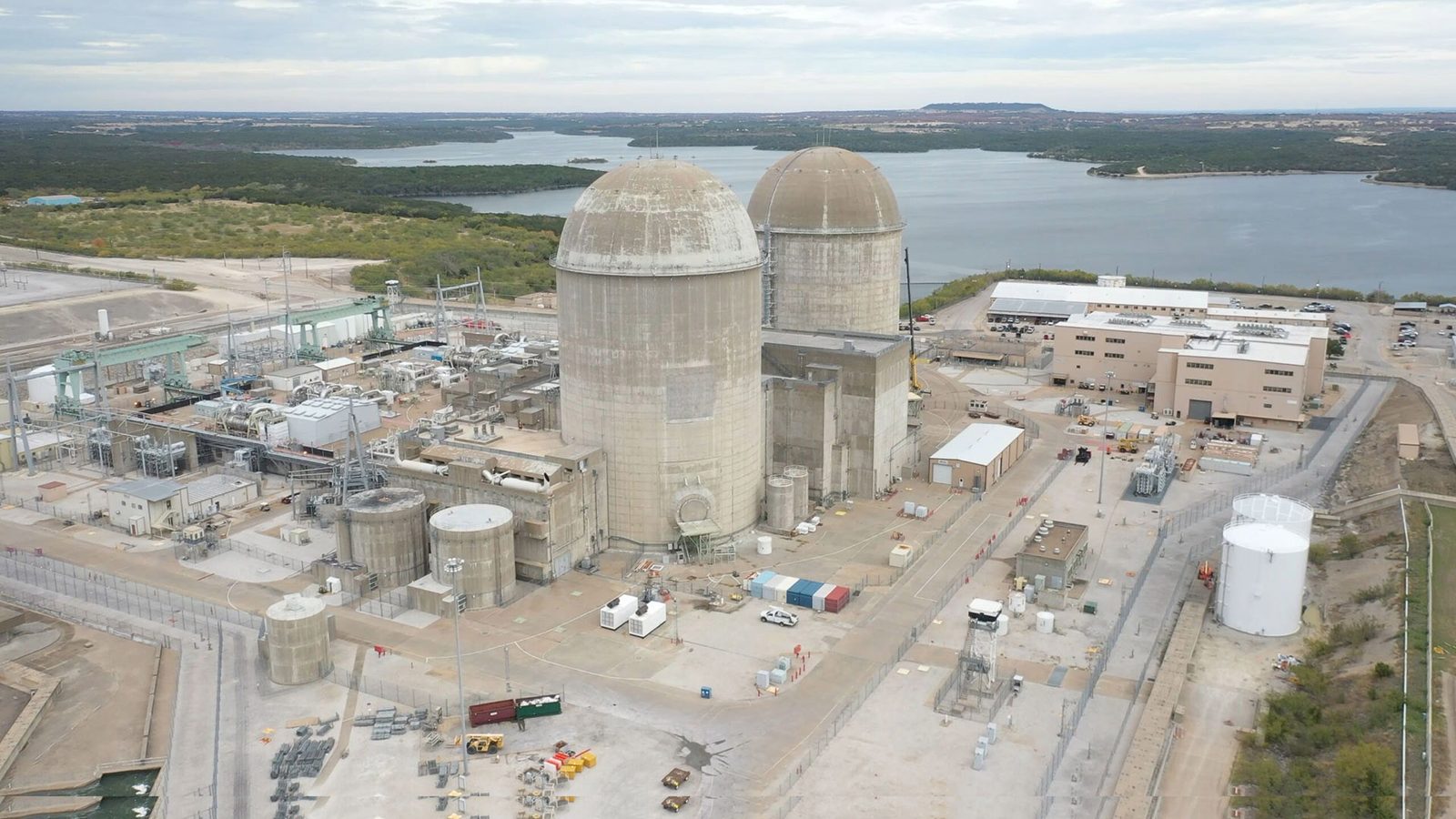
Amazon scrapped its Maryland data center and bought the nuclear plant's power anyway
A 20-year, $3 billion agreement with Constellation funds a 190-megawatt uprate at Maryland's only nuclear plant, weeks after Amazon abandoned the campus next door. Every electron stays on the grid, and the market's next power auction is frozen until February.
 Vincent Jiang · 3 min read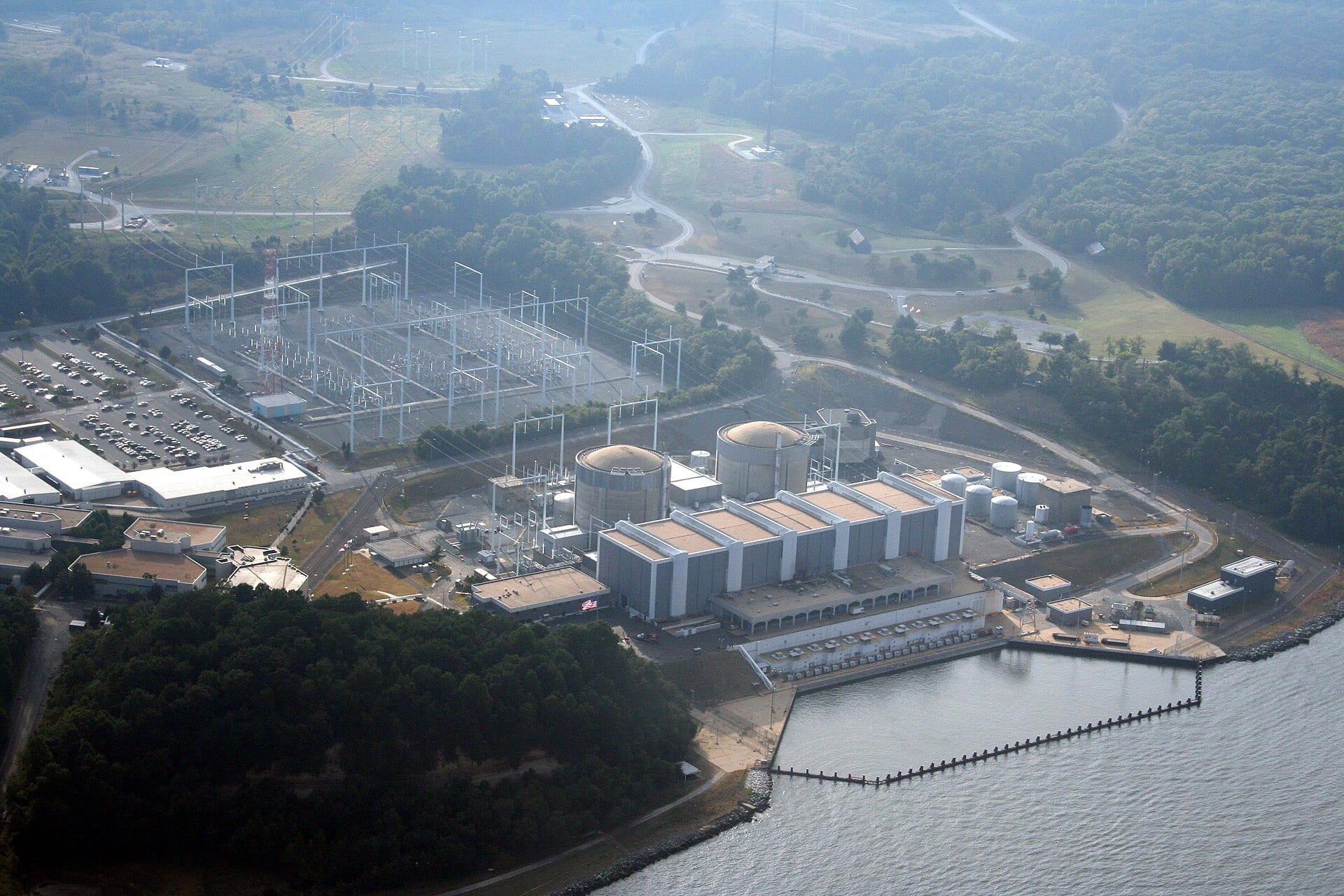
Amazon left the neighborhood, kept the plant
Late on 30 September, Amazon and Constellation signed a 20-year power agreement: 690 megawatts from Calvert Cliffs, Maryland's only nuclear plant, underwriting more than $3 billion of investment at the site 12. In August, Amazon walked away from a hyperscale data-center campus next door after community opposition 13. County politics had already turned: in the June primary, Calvert County voters ousted all three commissioners who opposed a data-center moratorium 3.
Every electron stays on the grid
The money buys a roughly 190-megawatt uprate entering service between 2030 and 2032, lifting the 1,790-megawatt plant to 1,980 23. Nothing flows behind Amazon's fence. All of Calvert Cliffs' output keeps feeding the regional grid, while a retail supply agreement covers Amazon's operations across PJM's 13 states 2. It is Amazon's first deal funding an uprate, and the 20-year revenue certainty underwrites relicensing of reactors whose licenses expire in 2034 and 2036 13.
The uprate lands inside both current licenses, and the 20-year deal outlasts them
- From
- To
Data
| From | To | Change | |
|---|---|---|---|
| Uprate in service | 2,030 | 2,032 | +0.1% |
| Unit 1 license ends | 2,026 | 2,034 | +0.4% |
| Unit 2 license ends | 2,026 | 2,036 | +0.5% |
Price discovery is off until February
The structure lands in a frozen market. On 29 September, FERC suspended PJM's reliability-backstop auction for five months, to 28 February 2027, amid a fight over who pays for new supply in a region short more than 6,800 megawatts 45. "Existing customers should not be left paying costs attributable to new demand," FERC Commissioner Lindsay See wrote 4. Constellation fell 4 percent on 30 September to $254.02, then recovered about 2 percent on the deal 567.
The uprate was the called shot
The day before the signing, Jefferies analysts wrote that contracts on existing assets "will be rare" and "nuclear uprates have the higher probability of success" 5. Amazon's deal is precisely that: new capacity bolted onto a running plant. Vistra's Meta contract draws 2,176 of its 2,609 megawatts from operating units, while Constellation's Microsoft deal waits on the Crane restart 6. The whole trade had already repriced.
Constellation's 22% one-year drop is the shallowest of the four big power producers
Data
| Value | |
|---|---|
| NRG Energy | -41% |
| Vistra | -30% |
| Talen Energy | -28% |
| Constellation | -22% |
The bulls' answer: the load is still coming
The skeptics have receipts. Morningstar's Travis Miller argues hyperscalers have preferred integrated utilities, and the data-center market is less attractive than investors expected two years ago 5. Constellation says co-location at Calvert Cliffs remains possible, though "nothing is in the works" 3. And demand keeps arriving: bots and agents now generate about 57 percent of web requests, and agent traffic grew more than 1,700 percent in a year 89.
Watch the filing, not the rally
The next readings are dated: PJM's revised backstop filing, which FERC says it will act on promptly, and the 28 February deadline 45. If uprates become the template, the premium belongs to operating plants with room to grow, not to land waiting for a tenant. The AI boom still wants nuclear power. It just stopped needing to live next door to it.
Deepdive
AI-generated from this story and its cited sources. Not investment advice.