Nvidia's $279 billion backs an estimated 37% of the world's 2027 AI memory
Morgan Stanley estimates put Nvidia, Alphabet and AMD at 85% of 2027 high-bandwidth memory, Nvidia alone at roughly 37%, backed by $279 billion in disclosed supply commitments. The DDR5 market is paying the toll now, and the next reading lands at Nvidia's November earnings.
 Vincent Jiang · 3 min read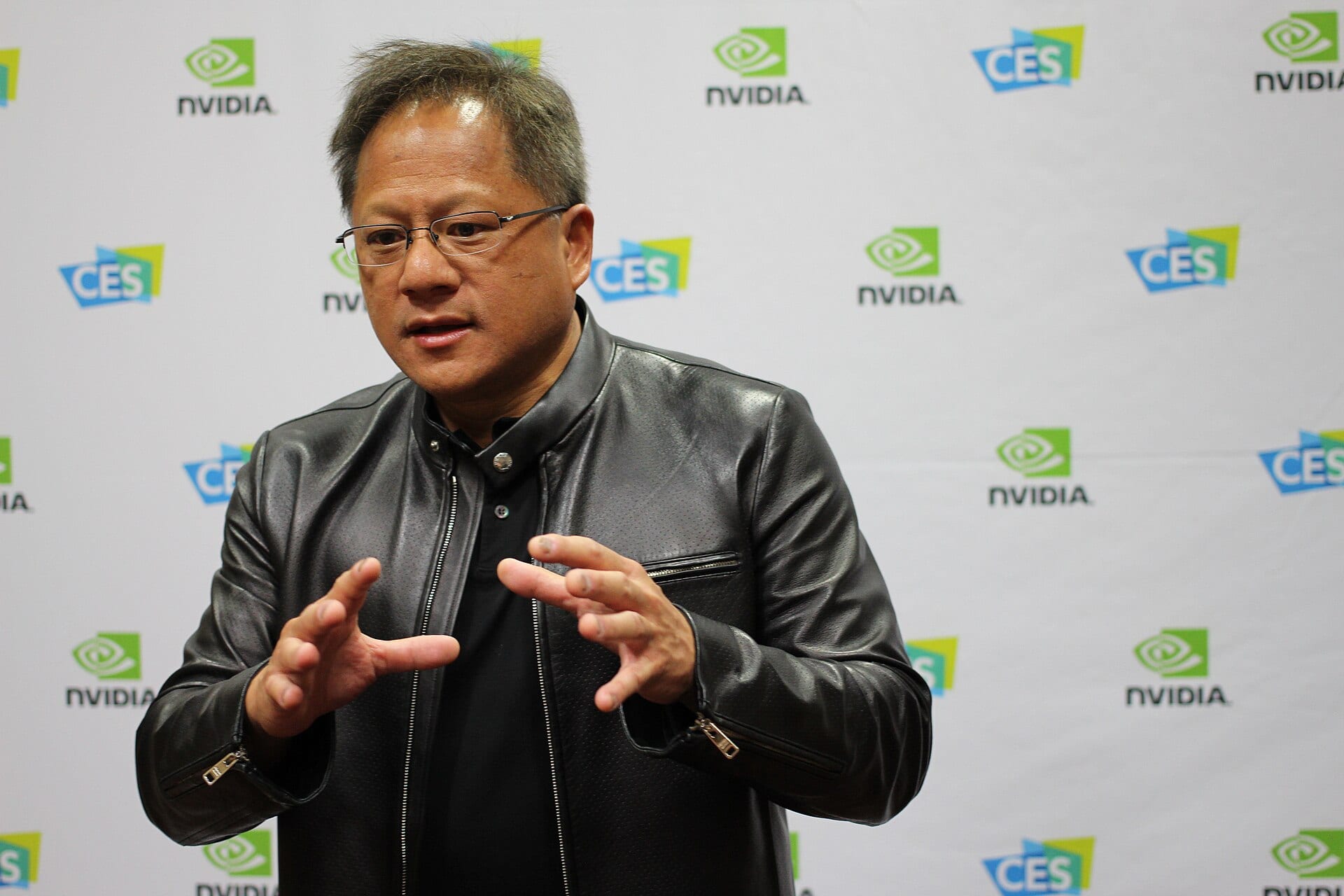
The quarter Nvidia bought the memory market
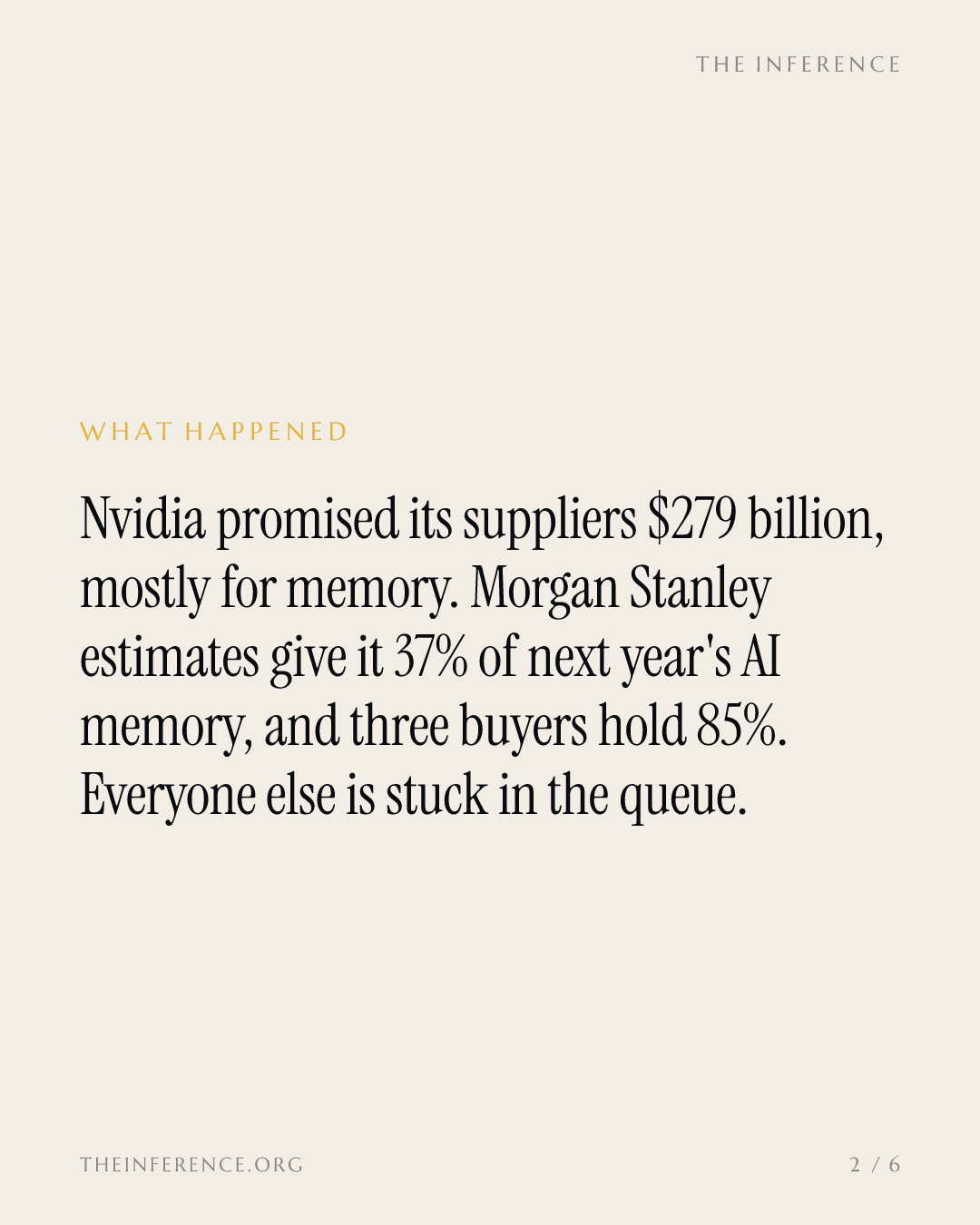
Nvidia's supply commitments, the purchases it has promised its suppliers, jumped from $119 billion to $279 billion in the quarter ended 26 July, an increase the company tied "primarily" to memory procurement 1. About $267 billion of it comes due by the end of fiscal 2029 1.
Jensen Huang said on 17 September that Nvidia will sell twice as many chips next year as this year 2. Twice the chips means twice the memory, and the memory is already spoken for.
Three buyers, 85 percent of the shelf
Procurement data compiled on 25 September pegs Nvidia's claims alone at roughly 37% of global 2027 high-bandwidth memory output 3. Morgan Stanley's split puts Nvidia at 37.3%, Alphabet at 36% and AMD at 12.1%, a combined 85% 45. Three companies hold the deeds to AI's scarcest input; everyone else farms the queue.
Three buyers hold 85% of 2027 HBM capacity; everyone else shares 15%
- Estimate
Data
| Value | |
|---|---|
| Nvidia (estimate) | 37.3% |
| Alphabet (estimate) | 36% |
| Every other builder (estimate) | 14.6% |
| AMD (estimate) | 12.1% |
Every HBM wafer is a DDR5 wafer that is not
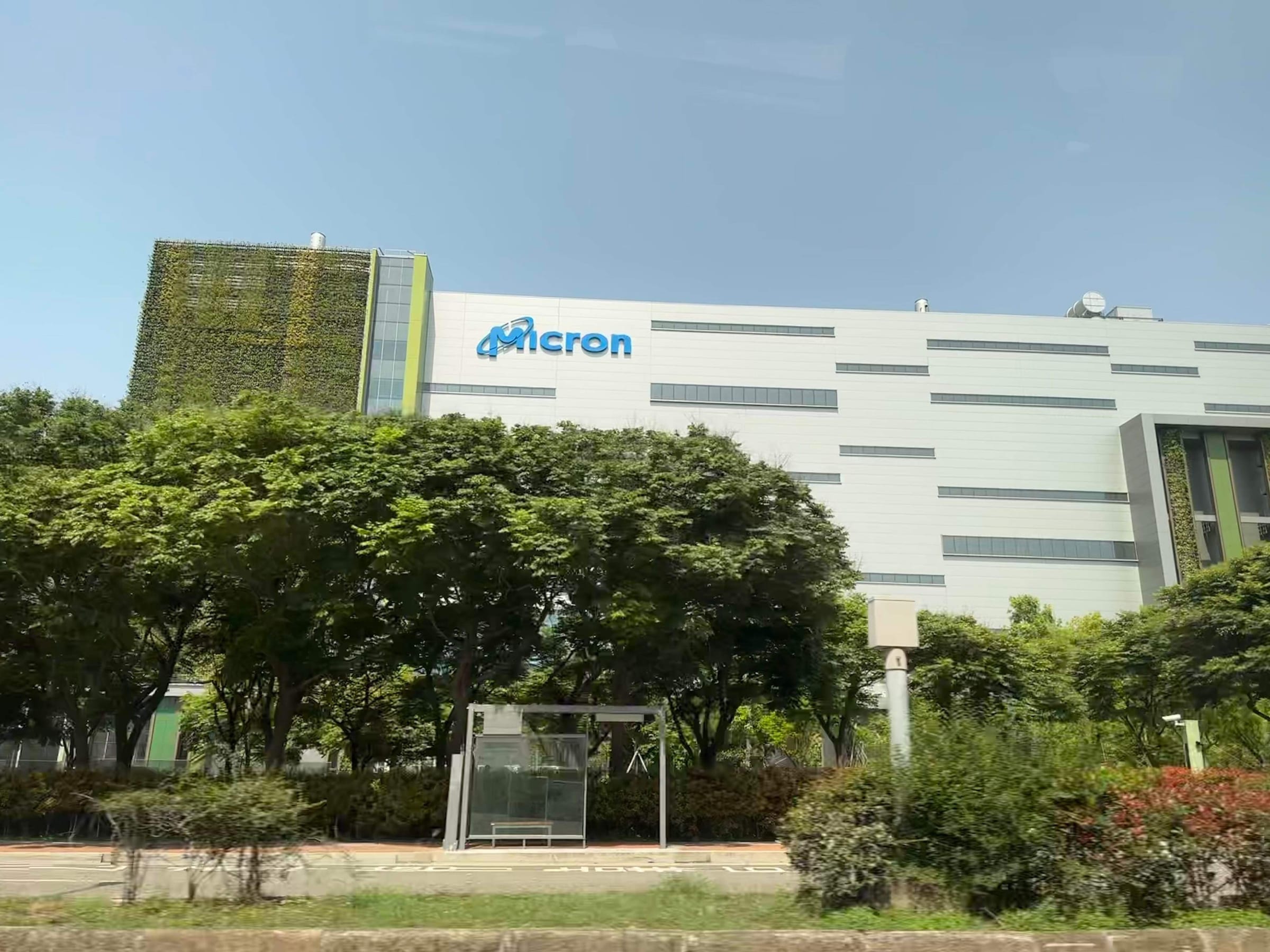
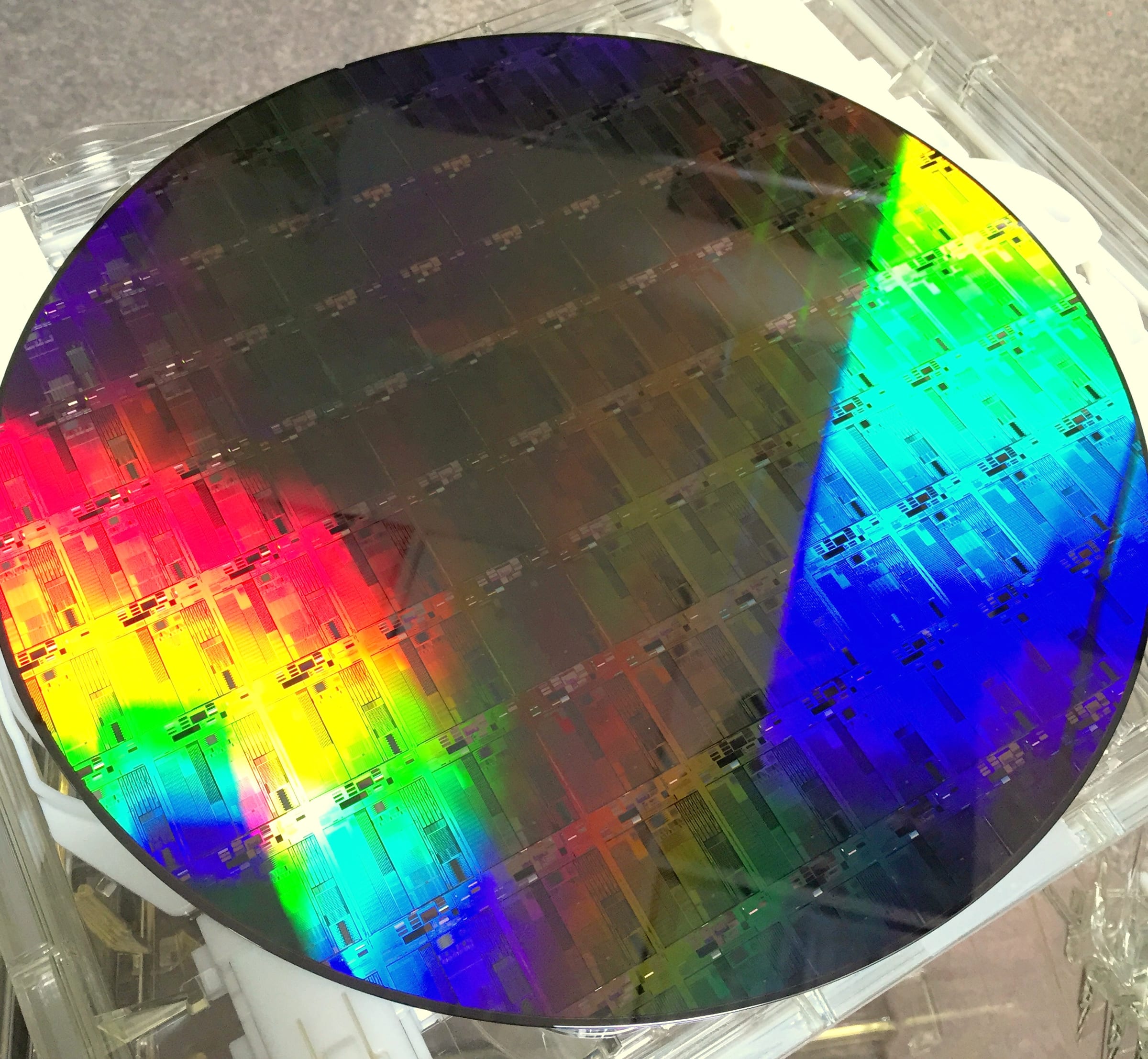
HBM eats upwards of three times the wafer capacity of ordinary DRAM, on scanners that cannot go back to server memory 53. Samsung has handed more than half its 4nm capacity to HBM4 base-die production, the maker side of this squeeze covered on 22 September 6. Samsung, SK hynix and Micron run more than 90% of the world's DRAM wafers 3, their 2027 HBM books are full, and new capacity lands in late 2027 4.
The toll is arriving downstream. Tier-one server builders have cut inventories to eight to 11 weeks of supply 3, with PC, server and car buyers queued behind them. German retail DDR5 sits 544% above its July 2025 baseline, and 32GB kits that bottomed near $72 in the US now run $409 7.
The other camp calls the shortage a sales pitch
Acer chief executive Jason Chen says memory makers are exaggerating constraints to protect AI-inflated margins, and expects prices to fall after mid-2027 as China's CXMT ramps 8. His own forecast concedes PC prices climb 5 to 20% through the fourth quarter first 8. SK hynix, holding an estimated 60 to 70% of Vera Rubin's HBM4 volume under a June partnership reported at $500 billion 95, has little incentive to agree.
November is the checkpoint
Operating cash flow more than halved last quarter, from $50.3 billion to $24.1 billion, as the prepayments left the building 10. Gross margin is guided to a 71 to 72% trough in the fiscal fourth quarter before price increases bite 1. Nvidia flags the rising obligations as a risk if data-center deployments slow 3. The queue for the last 15% forms before the late-November earnings call restates the number, and Vera Rubin volume shipments start in the first half of 2027 3.
Operating cash flow halved last quarter as the memory prepayments left
Data
| Operating cash flow | |
|---|---|
| Q3 '23 | $7.33B |
| Q4 '23 | $11.5B |
| Q1 '24 | $15.35B |
| Q2 '24 | $14.49B |
| Q3 '24 | $17.63B |
| Q4 '24 | $16.63B |
| Q1 '25 | $27.41B |
| Q2 '25 | $15.37B |
| Q3 '25 | $23.75B |
| Q4 '25 | $36.19B |
| Q1 '26 | $50.34B |
| Q2 '26 | $24.08B |
How this brief was made
01Gathered & sourced359 channels · 2,199 articles▾
Agents swept 359 channels and ingested 2,199 articles, then de-duplicated and ranked them for signal.
02Verified & cross-validated11 claims · 14 data feeds▾
Every one of 11 load-bearing claims was checked against primary sources, with 14 live data feeds reconciling the figures and charts.
- 1The Motley Fool via Yahoo Finance, "Nvidia's Supply Commitments More Than Doubled to $279 Billion. Here's What It Does to the Stock," 27 August 2026
- 2CNBC via MSN, "Jensen Huang says Nvidia will sell twice as many chips next year," 17 September 2026
- 3East Asia Brief, "Nvidia locks up 37% of global HBM supply for AI accelerators," 27 September 2026
- 4Crypto Briefing, "Nvidia, Alphabet, AMD secure 85% of 2027 HBM supply," 19 September 2026
- 5The Motley Fool via MSN, "The HBM bottleneck: 3 tech companies have locked up 85% of the supply of AI's scarcest asset," 18 September 2026
- 6Stocktwits via MSN, "Samsung Reportedly Ramps 4nm Capacity For Memory Chips, Stepping Up Competition With SK Hynix, Micron," 22 September 2026
- 7TechRadar via MSN, "DDR5 RAM appears to be spiralling out of control: it's 5.5x pricier than before the memory crisis," 16 September 2026
- 8Notebookcheck, "Acer CEO says memory makers are hyping the 2030 shortage to protect margins, predicts prices fall by mid-2027," 23 September 2026
- 9TechTimes, "Nvidia Vera Rubin Enters Full Production: Samsung, SK Hynix, Micron Named HBM4 Suppliers," 2 June 2026
- 10Sharadar quarterly fundamentals from Nvidia's SEC filings, retrieved 28 September 2026
- 11Sharadar quarterly fundamentals, from Nvidia's SEC filings, retrieved 28 September 2026
03Reviewed & edited1 human editor▾
One editor read the draft against the evidence, tuned the framing, and signed off before it shipped.
Become a contributor
Reporting on the business of AI and want it read? We take pitches from outside contributors who bring primary sources and a number worth arguing about.
Deepdive
AI-generated from this story and its cited sources. Not investment advice.