Olo takes a flat 5% on delivery where DoorDash and Uber Eats charge restaurants up to 30%
Olo, the software that already processes 3.5 million restaurant orders a day, launched a consumer delivery app on October 20 showing in-store prices with a flat 5 percent fee, going straight at the 15 to 30 percent commissions that fund DoorDash and Uber Eats. The aggregator toll now has an inside attacker.
 Vincent Jiangtwo-minute read
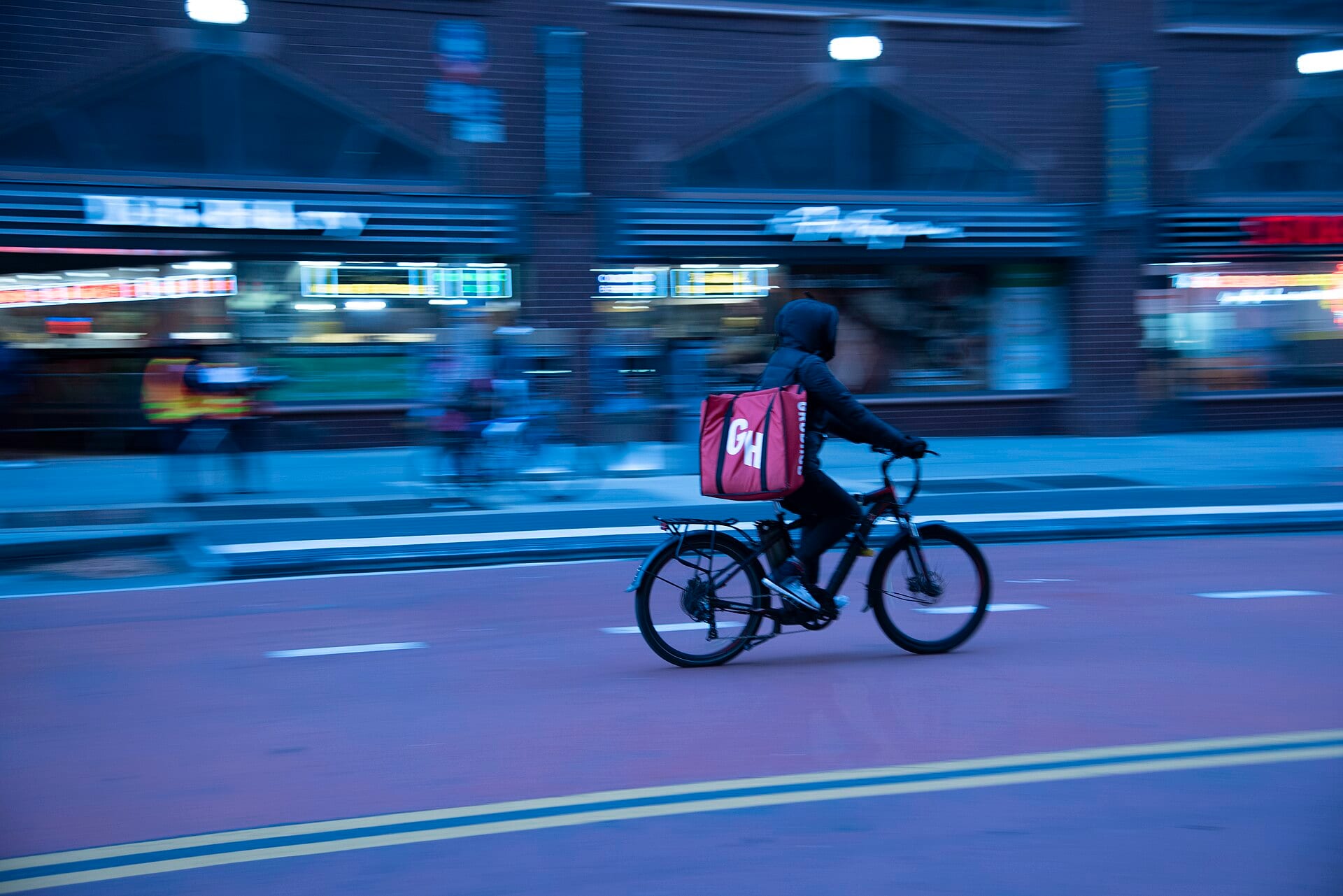
An $85 dinner order came back $19.34 cheaper on the new Olo app than on a traditional delivery marketplace, and that was after Olo's fee 6. That gap is the business model of DoorDash−2.34% — DoorDash, down 2.34 percent today and Uber−0.06% — Uber, down 0.06 percent today Eats getting its first inside attack. On October 20, Olo, the restaurant software company that already powers more than 3.5 million orders a day for over 800 restaurant brands across 90,000 locations, launched its own consumer app, and its pitch is the menu price you thought was the restaurant's 57.
The toll inside every delivery order
Here is the machine Olo is going after. Marketplaces charge restaurants commissions of roughly 15 to 30 percent per delivery order, and restaurants claw that back by marking up the menu 5.
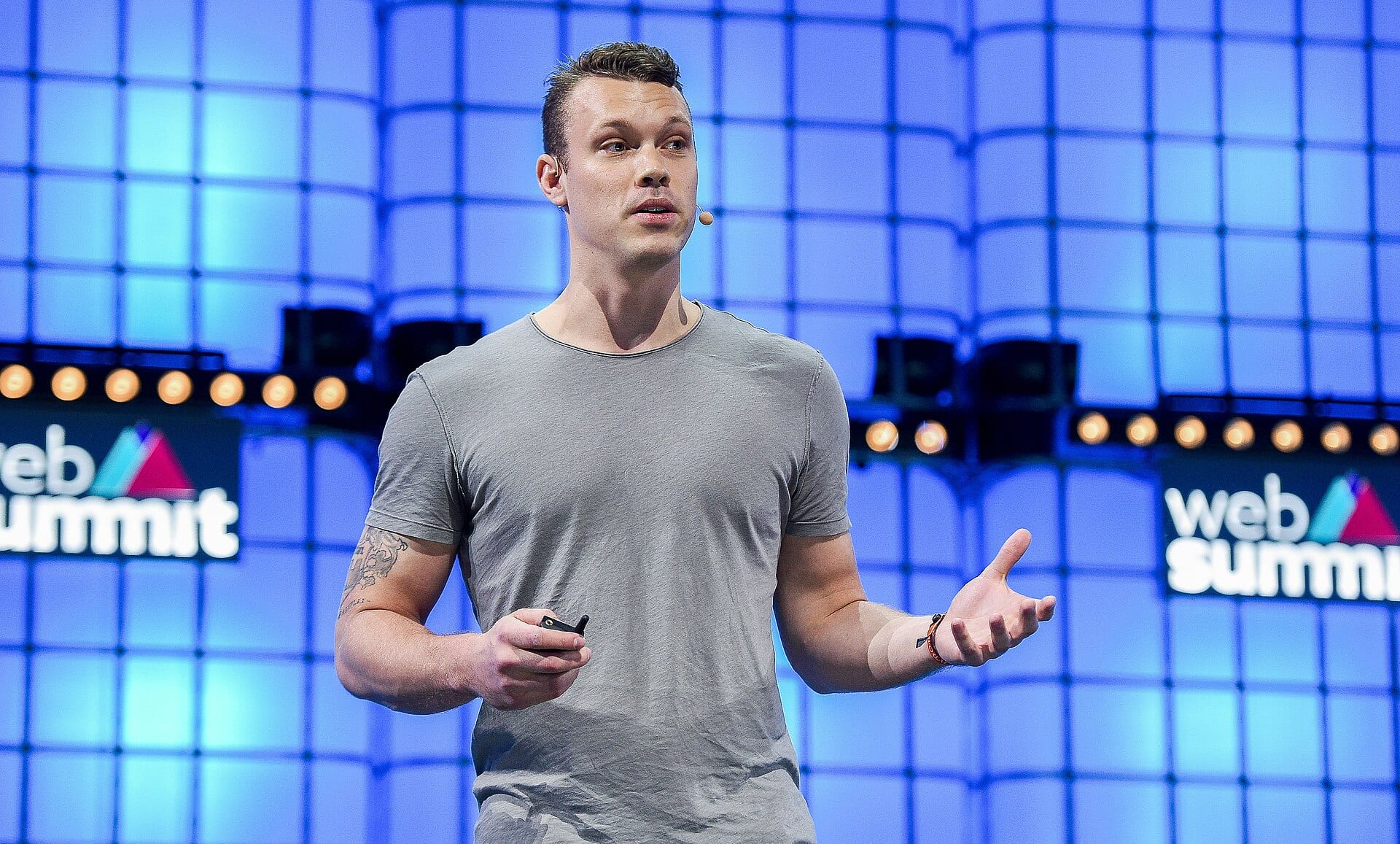
Olo founder and CEO Noah Glass puts it at 20 to 30 percent, and says customers blame the wrong party 2. A survey Olo commissioned found 74 percent of Americans expect delivery fees but only 27 percent expect the chicken itself to cost more on an app 7. On Olo's app, menus match in-store prices and the consumer pays one flat 5 percent network fee, plus delivery and tip when delivery applies 25. Glass calls it "second-party ordering": marketplace convenience, direct-channel economics 6.
The disruptor hires its rival's drivers
The twist: Olo keeps no couriers. Its Dispatch product, about a decade old, shops third-party fleets such as Grubhub on cost and speed and buys fulfillment per order 16. Restaurants also keep the customer data, which marketplaces guard 5.
The app launched with more than 250 brands, Waffle House and Five Guys among them, aimed at 40 million existing Olo account holders 35. Glass says the network has already beaten the chicken-and-egg problem every marketplace dreads 6.
What it means for DoorDash's November 4 print
At 250 restaurants the near-term revenue risk to DoorDash is small 48. The quarter it reports on November 4 will be judged on the scale that carried second-quarter revenue of $4.45 billion, up 35.6 percent 48.
DoorDash revenue has grown every quarter for two years, topping $4.4 billion
Data
| Revenue | |
|---|---|
| Q3 '24 | $2.71B |
| Q4 '24 | $2.87B |
| Q1 '25 | $3.03B |
| Q2 '25 | $3.28B |
| Q3 '25 | $3.45B |
| Q4 '25 | $3.96B |
| Q1 '26 | $4.04B |
| Q2 '26 | $4.45B |
The real question is take-rate erosion over years, not weeks. Walmart+0.25% — Walmart, up 0.25 percent today began delivering restaurant orders earlier this year, so markup-free channels are multiplying 1. Glass's own target, 1 billion orders a year through the app, says the ambition 6. Watch whether big brands follow Five Guys, and whether fulfillment pricing falls. Deep dive in below to learn more.
Olo charges 5 percent where marketplaces charge restaurants 15 to 30 percent
Data
| Value | |
|---|---|
| Olo network fee | 5% |
| Marketplace commission, low | 15% |
| Marketplace commission, high | 30% |
Get Applications by email, free
How AI is changing the software people and companies use. In our daily email, every weekday.

Reader comments
0 comments