Projectiles strike tankers leaving Hormuz and Brent is still headed for a third straight weekly loss
Attacks on Gulf shipping are running at the war's record pace and Brent is heading for a third straight weekly loss: we see no war premium worth paying, and no oil shock in the Federal Reserve's December debate.
 Vincent Jiangfive-minute read
We keep our calls, because there is no war premium worth paying
US stocks: no change, medium confidence. The S&P 500 fell 3.64% on Friday and the Nasdaq 100 fell 5.67%, a spread that points at AI-heavy valuations, and cheaper crude removes an inflation risk rather than adding one. 12
Macro: no change, medium confidence. Brent traded at $92.22 a barrel on Friday, on course for a 3.5% weekly loss, its third in a row, and the International Energy Agency expects supply to exceed demand by 1.7 million barrels a day this quarter. 34
AI: no change, medium confidence. The rate channel stayed quiet: the 10-year Treasury yield fell 12 basis points on Friday to 4.92%, even as the tanker attacks led the news. 5
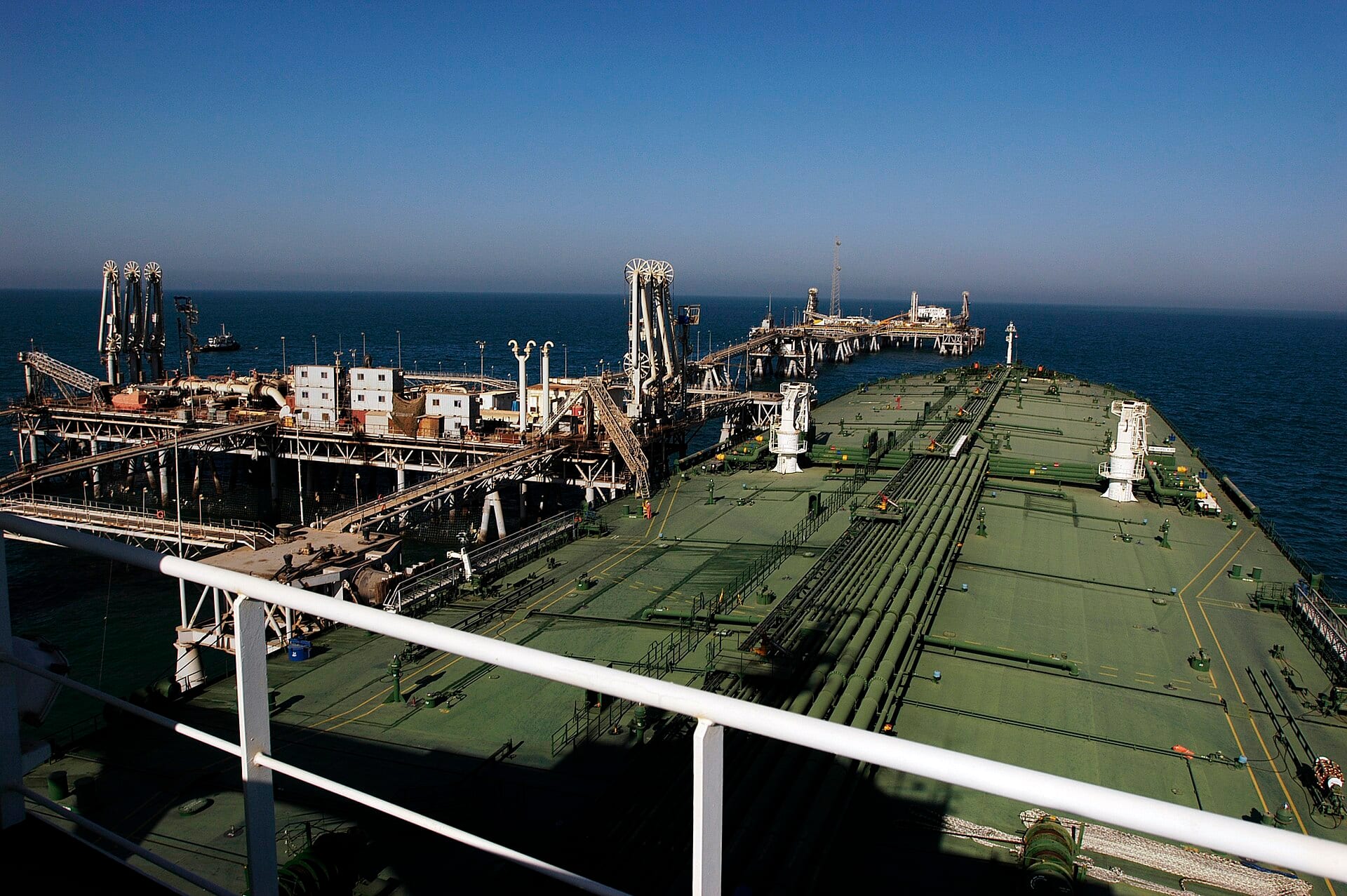
Three tankers burned leaving Hormuz in two days
Projectiles struck three tankers leaving the Strait of Hormuz on Friday and Saturday, according to Marisks, a maritime risk management company. The Captain Leon, a Marshall Islands-flagged chemicals and oil tanker, caught fire at the bow on Friday afternoon; the Torkel, a Hong Kong-flagged crude tanker, was struck at the stern early on Saturday; and a missile then hit the engine room of the Arina, also Hong Kong-flagged. 6
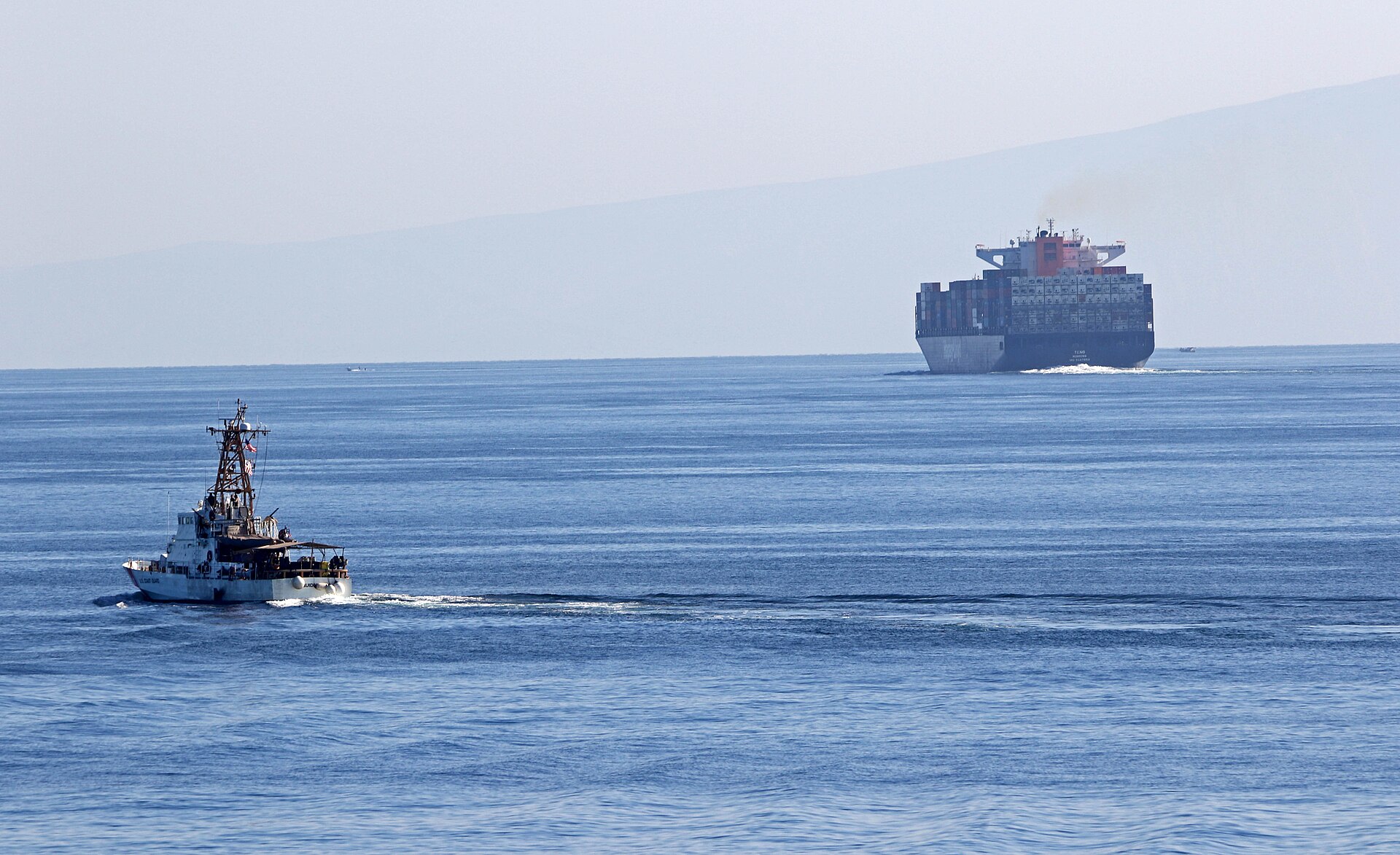
Crews were reported safe. Marisks did not confirm who fired and assessed Iranian involvement as likely; Britain's UK Maritime Trade Operations (UKMTO), the Royal Navy-linked reporting center, said two tankers were hit by unidentified projectiles while leaving the Persian Gulf. 67
October set the war record and November is second
The pace is the fastest of the war, which began in late February. Attacks reported to UKMTO exceeded 30 in October, the first month above that line, and reached at least 22 by Sunday, the second-highest month of the war; before October the average was about 10 a month. 6 Windward, a maritime intelligence firm, counted five tankers struck between November 11 and 18, and not every incident reaches UKMTO's logs. 8 Iranian state media called the latest operations the most "intense and varied" yet. 7
Attacks on Gulf shipping tripled in October and November is already the second-worst month
Data
| Attacks reported to UKMTO | |
|---|---|
| Before October (monthly average) | 10 |
| October | 30 |
| November to the 22nd | 22 |
Iran's oil revenue is heading for zero by mid-December
The escalation has a balance sheet behind it. Kpler, a ship-tracking and energy data firm, says Iranian oil floating outside the US naval blockade has fallen to zero, with the last cargoes discharged in China, and Iran's oil revenue could hit zero by mid-December. 6
Another 43 million barrels sit stranded inside the blockade line, and media linked to the Islamic Revolutionary Guards Corps (IRGC) are pushing for a tanker convoy to run the blockade, threatening strikes on Gulf oil facilities if it is stopped. 9 President Donald Trump posted this month: "We've got their money, Hundreds of Billions of Dollars, and we've got their Strait!" 6
Barrels, not missiles, set the price
The war premium has failed three weekly tests in a row: the record October, the week to November 16 when Brent fell 16% to settle at $92.44, and this week, when three tankers burned and Brent was still set to lose 3.5%. 43 A premium that cannot survive its own escalation is not a premium. Barrels explain it. Saudi Arabia's September crude exports rose almost 21% over August to 5.38 million barrels a day, the most since February, and Goldman Sachs−5.73% — Goldman Sachs, down 5.73 percent today sees Brent averaging $88 in 2027. 34
Brent has fallen from above $117 on October 30 to $92.22 as attacks set records
Data
| Brent | |
|---|---|
| Oct 30 | $117 |
| Nov 16 | $92.44 |
| Nov 20 | $92.22 |
Stocks fell on the AI unwind while bonds stayed quiet
The equity tape points the same way: the selloff's driver is the AI unwind, not oil. Brent has fallen from above $117 on October 30, the war's worst month of attacks, to $92.22, while the Nasdaq 100 dropped 5.67% against the S&P 500's 3.64%. 10312 The bond market agrees: the 10-year yield closed at 4.92%, 23 basis points below its 5.15% high of November 13, and West Texas Intermediate (WTI), the US benchmark, closed Thursday at $83.21, its weakest since late August. 53
Falling crude helps airlines and hurts oil producers
| Company | Ticker | Better or worse | Why |
|---|---|---|---|
| Delta Air Lines | DAL | Better | Jet fuel follows crude, and Brent has fallen for three straight weeks. 3 |
| Exxon Mobil | XOM | Worse | WTI at $83.21 is the weakest close since late August, squeezing upstream margins. 3 |
| Saudi Aramco | 2222.SR | No change | September exports of 5.38 million barrels a day, the most since February, trade volume against price. 3 |
Three things would bring the premium back
Traffic stops. Shipments through the strait have largely recovered against roughly 15 million barrels a day in 2025, but UKMTO's latest weekly report counts six confirmed strikes in seven days and AIS-confirmed transits falling for two weeks. 411 A slide toward March's post-attack floor of 1.8 million barrels a day, from 16 million in February, would bring the premium back with interest. 10
Strait traffic fell to 1.8 million barrels a day in March and has largely recovered
Data
| Strait transits, million barrels a day | |
|---|---|
| February | 16 |
| March floor | 1.8 |
| Now (largely recovered) | 15 |
Infrastructure burns. Fars, an IRGC-linked news agency, has threatened the oil facilities of Saudi Arabia, the United Arab Emirates, Qatar, Kuwait, Oman and Bahrain if the convoy is stopped, and Houthi missiles damaged floors of Riyadh's tallest tower, home to the sovereign wealth fund, on Friday. 93
The rate channel reopens. A 10-year yield back above 5.15% with crude rising would close the quiet channel our AI call rests on. 5
OPEC+ meets on November 29 into a surplus market
OPEC+ meets on November 29 to set 2027 production policy into a surplus market. 3 Mid-December is Kpler's line for Iranian oil revenue hitting zero, with about 20 tankers waiting near Kharg Island, Iran's main export terminal. 9 The Federal Reserve's December meeting follows; with the 10-year at 4.92% and WTI at its weakest close since August, we expect the oil-inflation argument to be dead on arrival. 53 The next UKMTO weekly report lands with six confirmed strikes on its books. 11
Get Economy by email, free
How AI moves rates, banks, payments and the wider economy. In our daily email, every weekday.




Reader comments
0 comments