Root posts $14 million profit on shrinking premium; Lemonade loses $43.7 million on 73% revenue growth

The two AI-native insurers that IPO'd together in 2020 printed opposite P&Ls on November 5, 2026: Root's first real profit on shrinking premium, Lemonade's widest loss of the year on accelerating revenue. One of them is pricing the endgame.

Vincent JiangVincent Jiangtwo-minute read
Share
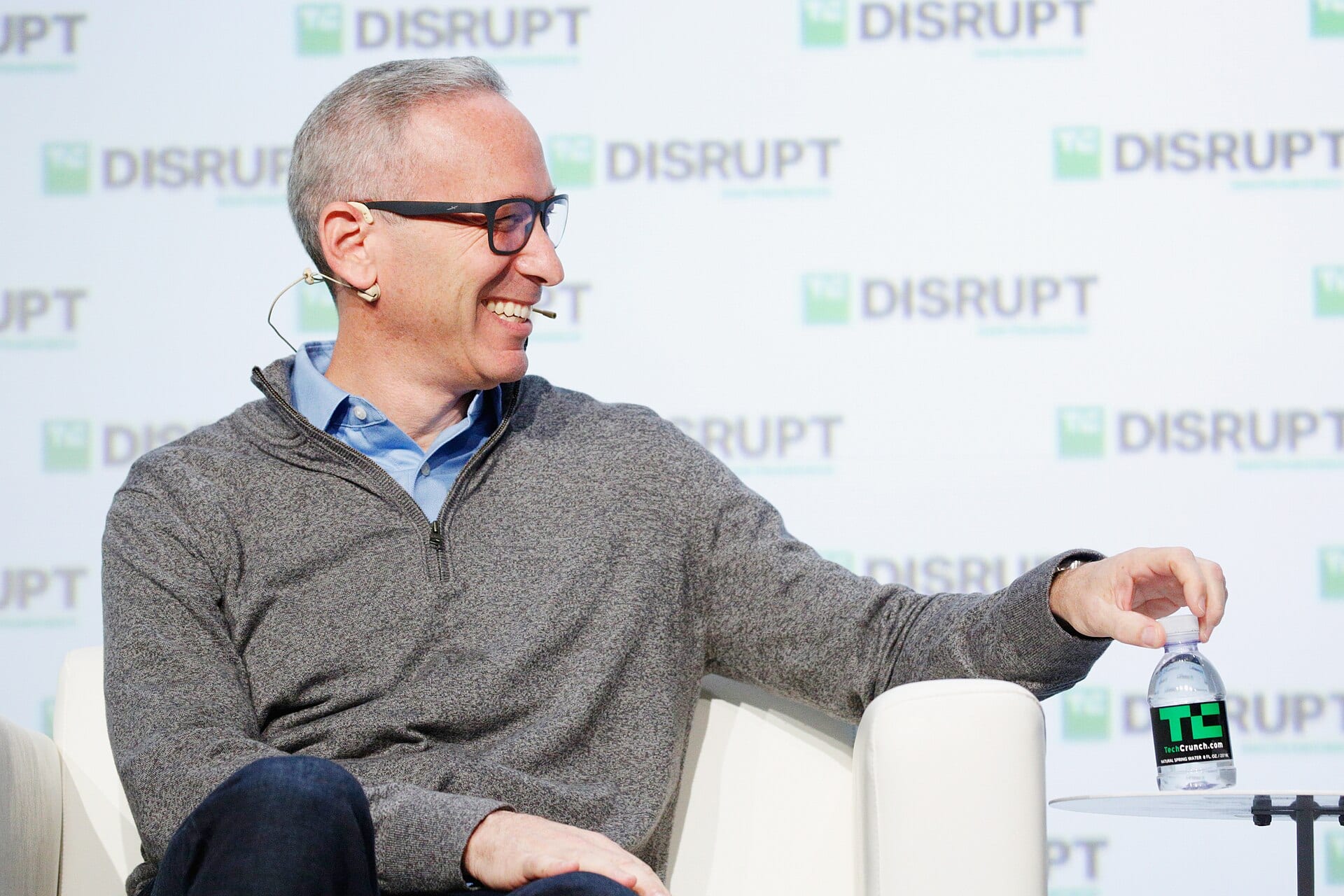
Lemonade CEO Daniel Schreiber on stage at TechCrunch Disrupt in San Francisco in September 2018
1 / 6Slide 1 of 6
Lemonade CEO Daniel Schreiber at TechCrunch Disrupt in San Francisco, September 2018.

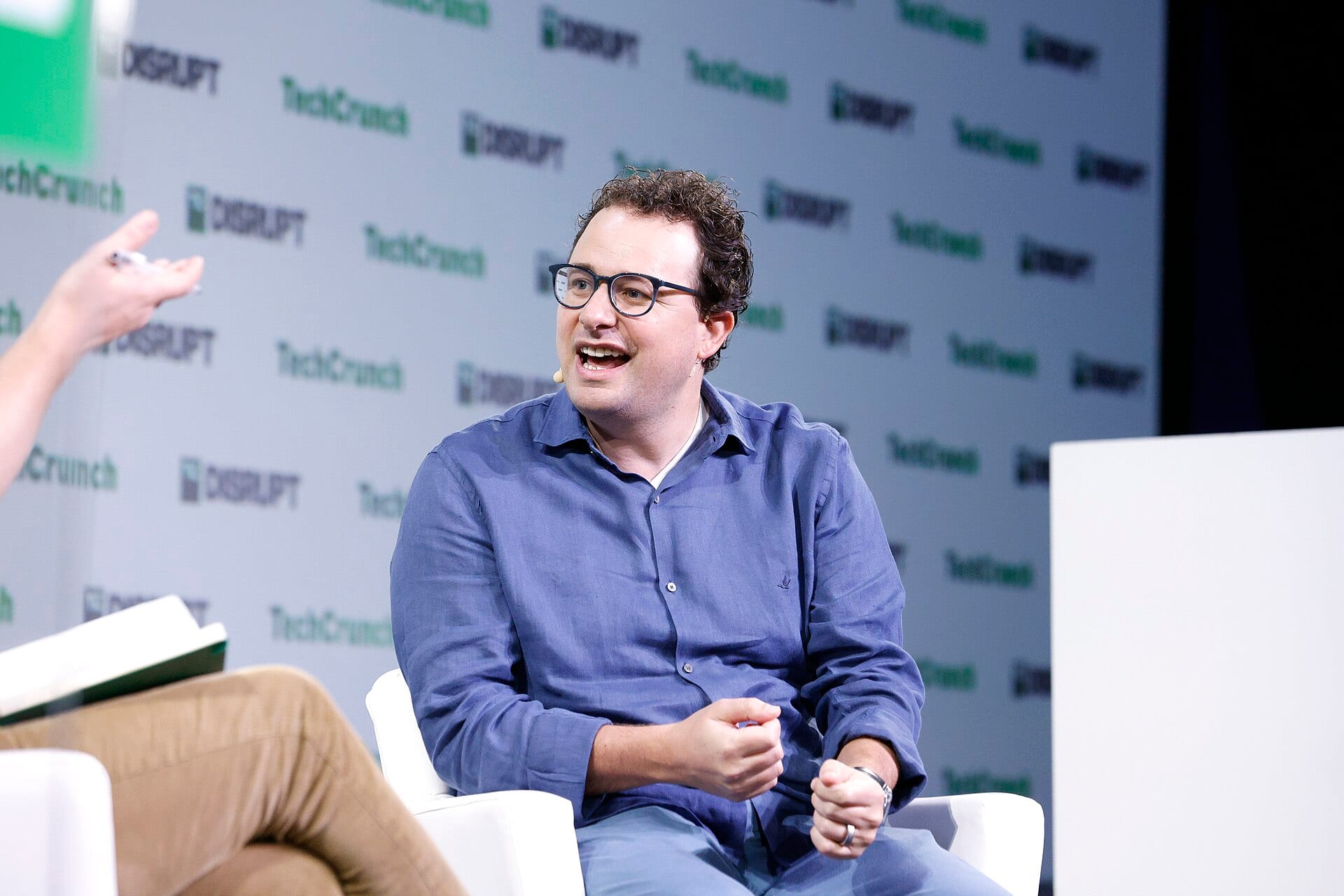
Two insurers built on the same AI thesis reported the same morning, and the bottom lines do not agree. Root (NASDAQ: ROOT), the telematics auto insurer run by CEO Alex Timm, posted $14 million of net income on $381 million of revenue, versus a $5 million loss a year earlier 12. Lemonade+1.07% — Lemonade, up 1.07 percent today (NYSE: LMND), the chatbot-underwriting insurer run by Daniel Schreiber, posted a $43.7 million net loss, wider than last year's $37.5 million, on $336.1 million of revenue, up 73 percent 12.

The charge: the growth is partly a mix effect

Lemonade's revenue is outrunning its premium. In-force premium grew 34 percent to $1.55 billion, but revenue rose 73 percent because Lemonade ceded less premium to reinsurers and booked more of it itself 1. The 8-K confirms the mechanism: net earned premium jumped to $294.8 million from $140.0 million, while ceded written premium stayed nearly flat 1. Revenue acceleration is a reinsurance decision, not pure growth 1.

Lemonade's revenue has tripled in twelve quarters, growing 70% or more for three straight quarters

$100M$200M$300M$400MQ3 '23Q1 '24Q3 '24Q1 '25Q3 '25Q1 '26Q3 '26$336.1M
Data
Revenue
Q3 '23$114.5M
Q4 '23$115.5M
Q1 '24$119.1M
Q2 '24$122M
Q3 '24$136.6M
Q4 '24$148.8M
Q1 '25$151.2M
Q2 '25$164.1M
Q3 '25$194.5M
Q4 '25$228.1M
Q1 '26$258M
Q2 '26$294.4M
Q3 '26$336.1M
Lemonade revenue by quarter, $ millions. Q3 2023 through Q2 2026 from Lemonade's SEC filings; Q3 2026 from its Q3 2026 shareholder letter, filed November 5, 2026. Year-over-year growth ran 70.6, 79.4 and 73 percent over the last three quarters.1,4

The headline $27.0 million of adjusted free cash flow includes $25.1 million of net borrowings; before borrowings it was $1.9 million 1. Shares trade near a 52-week low: the market cap sits at $3.3 billion, and seven of twelve analysts are neutral, targets $38 to $92 3.

Root printed a $14M profit while Lemonade's loss widened to $43.7M

Same AI-native thesis, opposite bottom lines

-60-40-20020Lemonade Q3 2025-37.5Lemonade Q3 2026-43.7Root Q3 202614
Data
Value
Lemonade Q3 2025-37.5
Lemonade Q3 2026-43.7
Root Q3 202614
Quarterly net income (loss), $ millions. Lemonade figures from its Q3 2026 shareholder letter, filed November 5, 2026; Root figures from its Q3 2026 earnings call, November 5, 2026. Root's profit is the comparison point.1,2

Root shrank on purpose; Lemonade's first profitable quarter is promised for Q4

Root's discipline carries a price: gross written premium fell 8 percent to $358 million, and Timm said the company forgoes growth that misses return thresholds 2.

Root's proof does not refute Lemonade's 34 percent premium growth or its guidance of $5-9 million of positive adjusted EBITDA in Q4, the first in company history, before a promised positive full year in 2027 1. But it prices the endgame: an AI-native underwriter finished the job by shrinking, and Lemonade's $3.3 billion cap still underwrites the scale-first path 3. Daniel Schreiber presents next at the November 17 investor day; the quarterly bottom line does the deciding after that 1.

Get Applications by email, free

How AI is changing the software people and companies use. In our daily email, every weekday.

Loading LMND

Reader comments

0 comments

    More in Applications

    All in this topic →

    Applications

    Sony's anime chief: a season that took a year now takes three to four years in a $28 billion market

    Sony's growth story has moved off the PlayStation and onto intellectual property it owns, and its anime chief just put a number on the constraint: a season that once took a year now takes three to four. Whether AI tools that assist artists rather than replace them can close that gap decides the economics for Sony holders, and for Netflix, the rival that buys Sony's films while bidding against it for anime.

    Applications

    Netflix used AI on 300 titles this year and cut its ad forecast to $2.7 billion

    The disclosure, and the $587 million acquisition of Ben Affleck's AI studio behind it, is the cost side of Netflix's answer to its slowest revenue growth in three years and an ad forecast just cut to $2.7 billion. A $260 billion market cap at 17.6 times earnings is pricing whether it works.

    Applications

    Veeva moves AI to flat fees, with Vault AI at 10% of the Vault subscription, and no AI dollar yet

    The invoice no longer rises with agent work: Vault AI is 10 percent of the Vault subscription with unlimited use, and the compute cost lands on Veeva. Wells Fargo raised its target to $400 on AI growth today anyway, and December 3 results are the first place an AI dollar could appear.

    Applications

    Anthropic hosts Adobe apps in Claude and sells a FigJam rival, while Figma's connector is still in development

    Anthropic both hosts design apps inside Claude and sells Claude Whiteboards, a rival to Figma's FigJam. The launch lands a week after Figma beat estimates and still saw shares slide 8% on AI costs.

    Applications

    Temu's monthly active users fell 18% in October, before Europe's full €5 per-item toll hits PDD

    Temu's user base has shrunk every month since June, and October was the last month before Europe's €2-per-item handling fee applied, which makes the 18% drop a lower bound on the toll. The bill lands on PDD Holdings, whose net income fell 12% last quarter and which reports around November 24.

    Applications

    Sony's boycott quarter set records: 127 million players, 78% digital

    The week-long PS5 blackout asked players to turn Sony off; instead the September quarter set records and the digital-versus-disc split moved further toward Sony's accounts, while the buyer carries the bill for both the console price and the lost used-game market.

    Get the newsletter

    The day's AI and market news, in your inbox every weekday.