Samsung's memory is sold out through 2027 while its own flagship sits 30% off
The AI buildout handed Samsung a record quarter, almost all of it from chips, and a second straight loss on Galaxy phones. The memory trade now hinges on whether the buyers holding up the cheap end of the market survive the bill.
 Richard Tangfour-minute read
Samsung Electronics is now collecting the AI memory bill and paying it. The data-center buildout drove the company to a record September-quarter operating profit of about $80 billion, and the chip division produced almost all of it 1. The same memory prices pushed its Galaxy phone and networks unit to a second consecutive quarterly loss 2. This week the retreat on the phone side became measurable, and that is where the risk in the memory trade now sits.
Both ends sit under one roof. AI data centers outbid phone makers for memory, so prices rise; phone makers raise prices or cut models; buyers hold their phones longer. Samsung books the increases and absorbs them, which makes it the cleanest test of whether the AI component boom can pay its own costs.
The September results split the company in two
The chip side delivered: the semiconductor unit produced nearly all of Samsung's operating profit on surging HBM4 and server SSD demand 1. The device side did not. The division holding phones, televisions and appliances posted an operating loss that Samsung attributes chiefly to soaring memory and component costs 1. Galaxy flagship revenue actually grew, so margins did the falling 2.
The phone unit turned negative two quarters ago and stayed there
Samsung's phone and networks unit swung from a large profit to losses two quarters running
Data
| MX + Networks operating profit | |
|---|---|
| Q3 2025 | ₩3.6 tn |
| Q2 2026 | -₩0.7 tn |
| Q3 2026 | -₩0.6 tn |
Samsung's answer for 2027 is flagship-first: a premium product mix, hardware differentiation, and holding profit declines to a minimum through efficiency 2. That plan protects Samsung's margins, not the buyer. Telecompaper reported on November 2 that Samsung is rethinking its phone range after the loss 3, and the quarter's market data explains why.
The retreat in phones is now measurable
Counterpoint's Q3 numbers put the squeeze in units 4. Smartphone chip shipments fell 21% year on year, with budget and midrange Android phones hit hardest by memory costs that rose another 5% to 10% in the quarter 4. Industry revenue still rose, to $114 billion, because average prices climbed 4. Fewer phones, dearer phones: the value is migrating up the range while the cheap end dies.
The buyers are acting on it. Apple−0.45% — Apple, down 0.45 percent today raised iPhone 18 Pro prices on memory costs and reportedly cut October component orders by 15% to 20% 5. Qualcomm+5.58% — Qualcomm, up 5.58 percent today tied a 26% drop in its handset chip revenue to industry-wide memory dynamics 6.
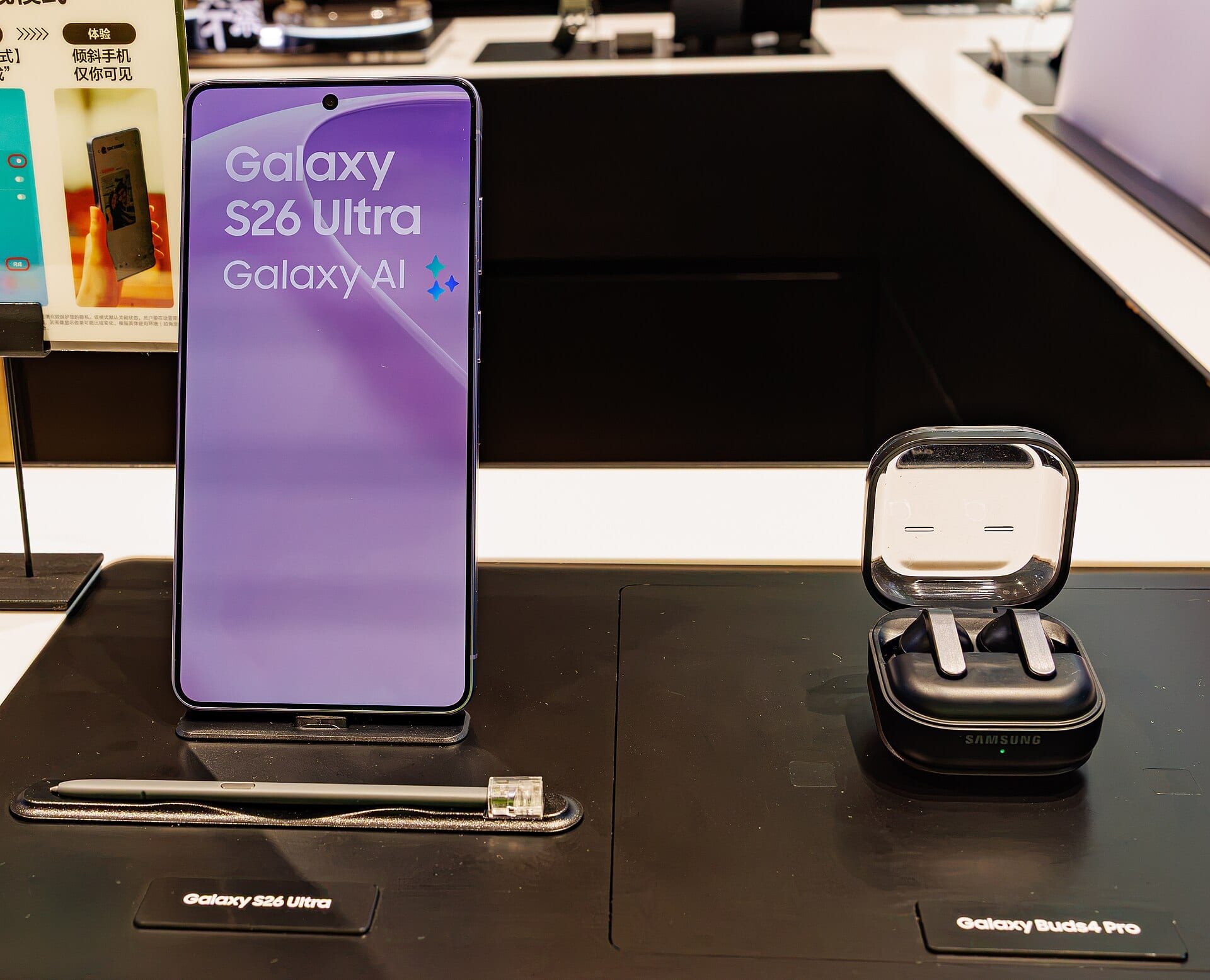
And Samsung discounted its own premium answer: on November 8 the Galaxy S26 Ultra, a phone Samsung had repriced upward on memory costs, sat at roughly 30% off its list price 7. When the company collecting the memory premium discounts the flagship it repriced, the pressure has reached the tier meant to be immune.
The other side keeps locking in demand
The memory side still looks untouchable. Samsung's executives said 2027 HBM supply is already sold out at an agreed target price and expect memory markets to stay tight into 2028 1. On November 8 Qualcomm named Samsung its automotive memory supplier 8, a buyer locking in supply even while cutting phone orders. Samsung is steering memory toward sockets that pay, AI servers and now cars, away from the phone aisle. The one wobble sits in flash, where Kioxia's NAND price gains cooled from about 70% to the mid-20s percent 6.
What the trade turns on
The bull case is written in contracts: sold-out HBM at agreed prices, tightness into 2028 1. The bear case is written in the week's data. Counterpoint expects chip unit volumes to fall another 3% to 4% in 2027 4, and Sandisk+3.79% — Sandisk, up 3.79 percent today, whose phone and PC business is more than half of its revenue, fell by half in a month as the market repriced that exposure 6.
The contracted floor we covered in October still holds; what is new is the buyer side. A memory boom that kills its cheapest customers shrinks the base that buys commodity memory, and HBM pricing power does not exempt the rest of the stack.
Two tests decide whether the memory premium holds
The record quarter is real and largely contracted, so the story does not turn on Samsung's chips failing. It turns on the demand floor, and the floor is moving. The far end of the chain is a person: the buyer who wanted on-device Galaxy AI on an affordable phone now faces higher prices or fewer models, and Samsung's flagship-first plan accepts losing them 2.
Two things decide the Q4 print: whether discounting spreads from the S26 Ultra through the rest of the range, and whether Counterpoint's next quarter shows the affordable segment stabilizing. If both turn, the memory premium meets its first real limit. If not, the ledger stays lopsided and profitable, and the phone aisle keeps paying the AI tax.
Get Chips by email, free
How AI demand is reshaping chipmakers, memory and the fabs behind them. In our daily email, every weekday.