Micron has 75% of 2027 output committed and SK hynix booked into 2028, yet memory stocks price a crash
Musk's Colossus 2 timetable is a demand headline, but the HBM under those chips is contracted out through 2028 at fixed prices, and the market still prices the memory makers for the deepest downturn in the group.
 Richard Tang · 3 min read
Musk put a timetable on the chips over the weekend; nobody has priced the memory under them. In a post on X he said Colossus 2, xAI's$200B — xAI, private, latest valuation $200B Memphis cluster, runs 550,000 Blackwell chips today, with three more waves due and the last in late December "if we get lucky" 1. On that schedule Colossus 2 alone passes the million-GPU target xAI set for the whole Memphis site 1.
Nvidia+2.29% — Nvidia, up 2.29 percent today has guided to $108 billion for the current quarter, so demand is not the question 1. Who gets paid for this boom is decided in the HBM stack under every one of those chips.
The memory is sold out at prices already fixed
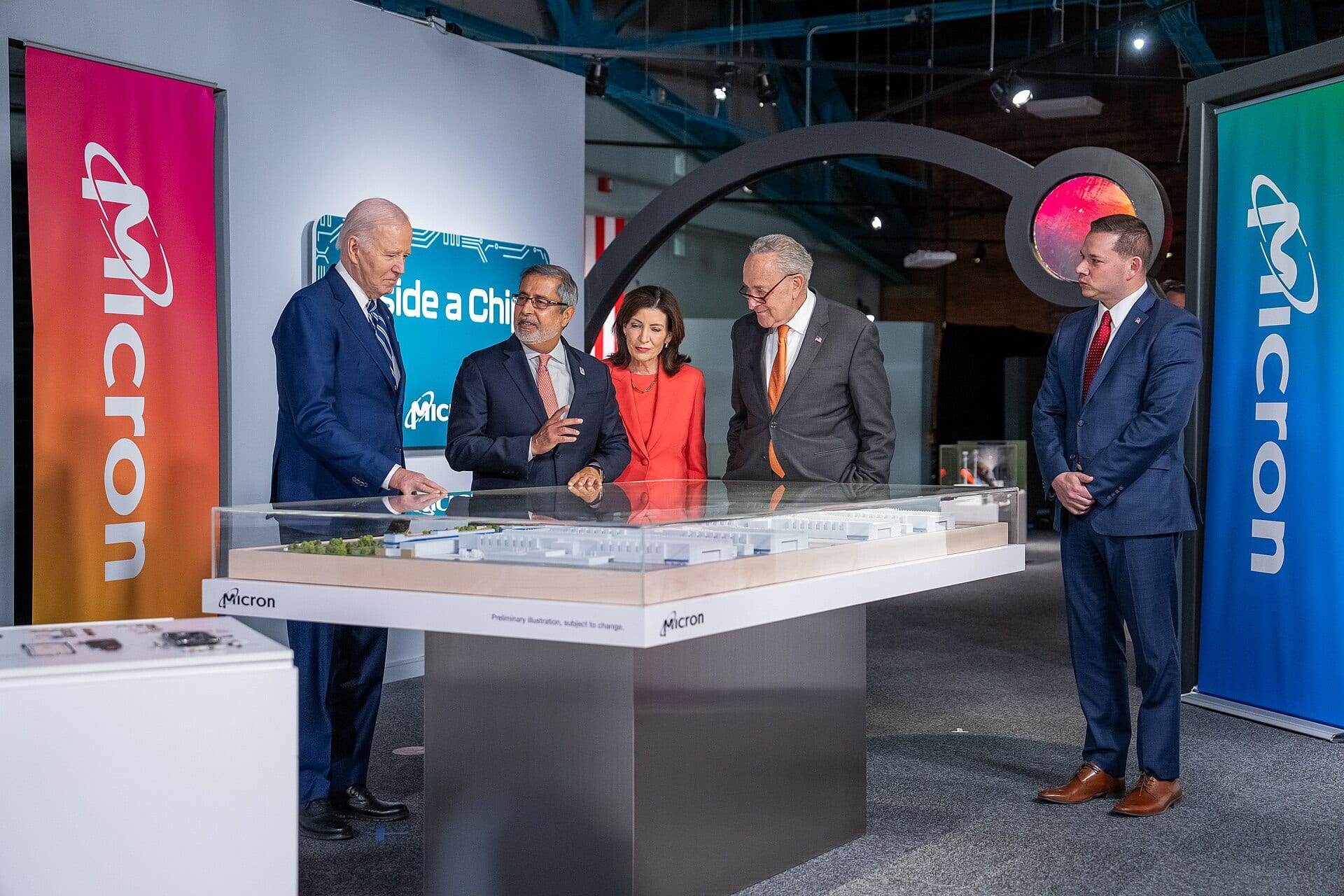
Micron−0.13% — Micron, down 0.13 percent today says more than 75% of its 2027 output is already committed, with the vast majority of its 2027 HBM covered at prices well above this year's 2. SK hynix+3.95% — SK hynix, up 3.95 percent today has long-term agreements covering more than half of its 2027 and 2028 capacity 3, and last quarter it posted an 80% operating margin 3.
Both companies expect the squeeze to run for years: SK hynix sees demand outrunning supply through 2030, and its CEO calls 2027 a candidate for the worst year in memory supply history 4, while Micron sees no relief before new capacity lands in late 2028 2.
Who keeps the profit is a package question now
One published model argues that by 2030 HBM could pass half the value of an accelerator package, with the memory inside each package earning net margins above 70%, more than the accelerator vendor earns on the whole box as a gross margin 5.
Its answer to that imbalance is memory: accelerator vendors own the platform and can qualify a second and third HBM supplier each generation, while a memory supplier sells a part already qualified into someone else's platform 5. If HBM really takes half the package, Nvidia's margin pays for it, and the second source that would fix it arrives a generation late.
The market prices the cycle, not the contract
In early October the three memory suppliers traded in one band of roughly 5.4 to 6.8 times run-rate earnings 5. Read backwards against the model, that prices Micron for a downturn about twice the size of the last two cycles, and it gives SK hynix, the name with the most HBM in its revenue, the widest implied downturn in the group, a ranking the model itself calls backwards from what the contract books say 5.
The market prices SK hynix for the deepest downturn in the group
- Low end
- High end
Data
| Low end | High end | Change | |
|---|---|---|---|
| Micron | 1.5× | 2.0× | +33.3% |
| Samsung | 2.5× | 3.0× | +20.0% |
| SK hynix | 3.0× | 3.5× | +16.7% |
The tape has been voting with the multiple, not the contracts: October's selloff took the hardest percentages off memory, and hardest of all off SK hynix, the most contracted name 6. Kioxia, Japan's largest memory maker, dropped 15% the same week on a cautious outlook 7. Nothing in either company's contract book changed to cause it.
October's selloff hit the most contracted memory supplier hardest
Data
| Value | |
|---|---|
| SK hynix | -33% |
| Micron | -22% |
| Nasdaq 100 | -6% |
The contracts moved the floor; the pricing did not follow
None of this argues memory never corrects. Goldman Sachs+2.20% — Goldman Sachs, up 2.20 percent today warns that memory's margin premium, running at more than twice its historical level, should moderate as supply eases 8.
But the multiple assumes the old cycle, in which the supplier most exposed to the boom gets hit hardest, while the take-or-pay agreements have moved the floor a correction would land on. The buildout Musk timetabled is real, and it is good news; the open question is who collects for it. When Nvidia reports in late November, the number that settles the argument is cost, not revenue.
Get Chips by email, free
How AI demand is reshaping chipmakers, memory and the fabs behind them. In our daily email, every weekday.