STMicroelectronics fell 9.3% on AI buildout fears; it expects $1.3 billion of AI revenue, under a tenth
The November 5 selloff treated STMicroelectronics as an AI buildout stock, yet its filings put about $1.3 billion of data-center revenue in silicon photonics, under a tenth of the company, inside a cyclical analog business whose margin bridge is the real test.
 Richard Tang · 3 min read
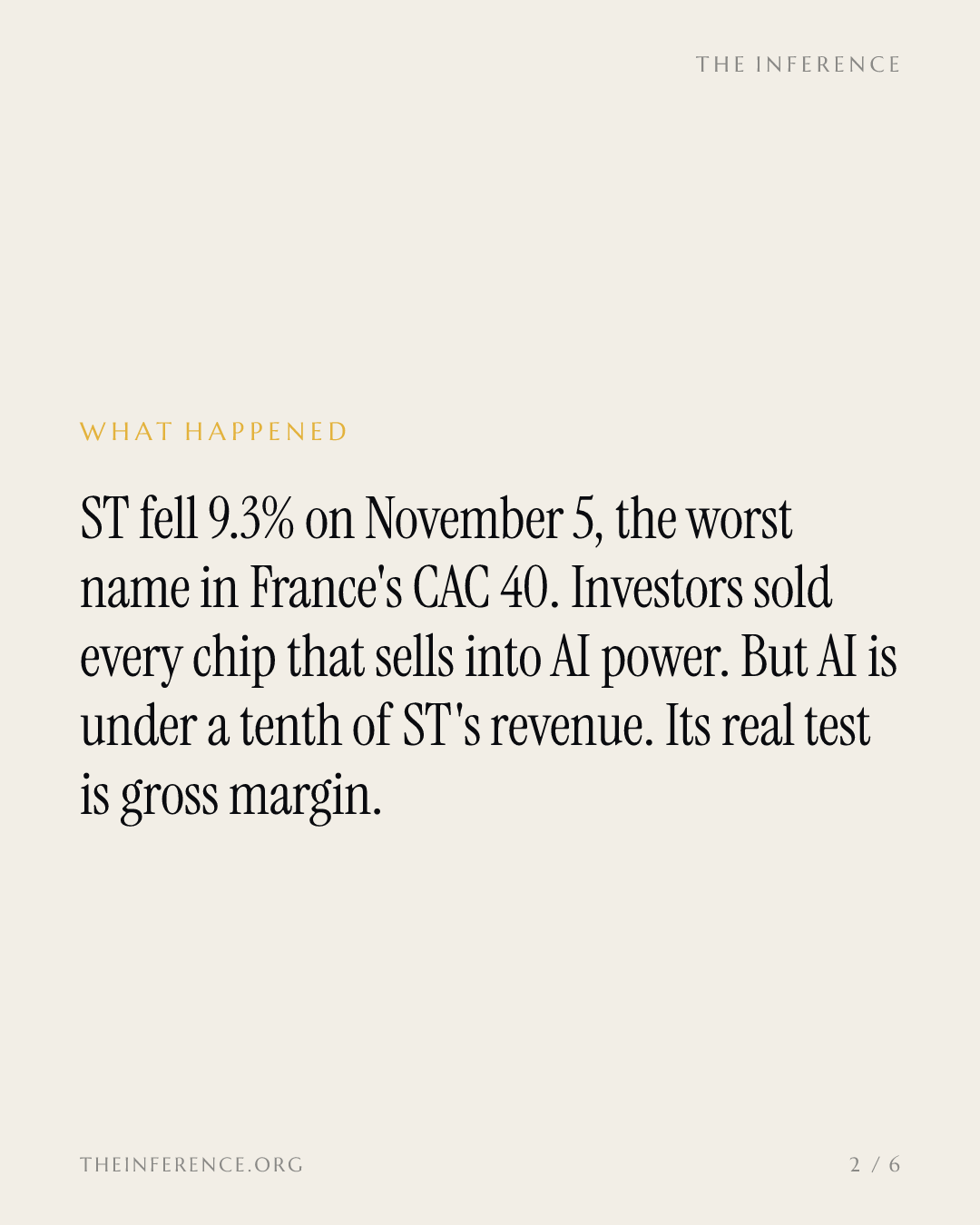
STMicroelectronics+3.40% — STMicroelectronics, up 3.40 percent today fell 9.3% in Paris on November 5, the worst name in the CAC 40, the index of France's biggest listed companies, after investors read the Democratic sweep of the US midterms as a threat to American data-center building 1. It fell alongside every other chip that sells into AI power systems: Navitas down 16.9%, onsemi−1.04% — onsemi, down 1.04 percent today down 11.6%, Nvidia+2.30% — Nvidia, up 2.30 percent today down 9.5%, with investors selling AI power exposure however good the latest quarter 2.
Investors sold every chip that sells into AI power, however good the quarter
Data
| One-day fall, November 5 | |
|---|---|
| Navitas | 16.9% |
| onsemi | 11.6% |
| Nvidia | 9.5% |
| STMicroelectronics | 9.3% |
But ST is not an AI momentum stock, the kind whose price rides expectations of the AI buildout. Its own filings describe a cyclical analog chipmaker whose AI revenue is a small, disclosed silicon-photonics line, and whose real problem is gross margin 4.
The AI dollars are photonics, and they are small
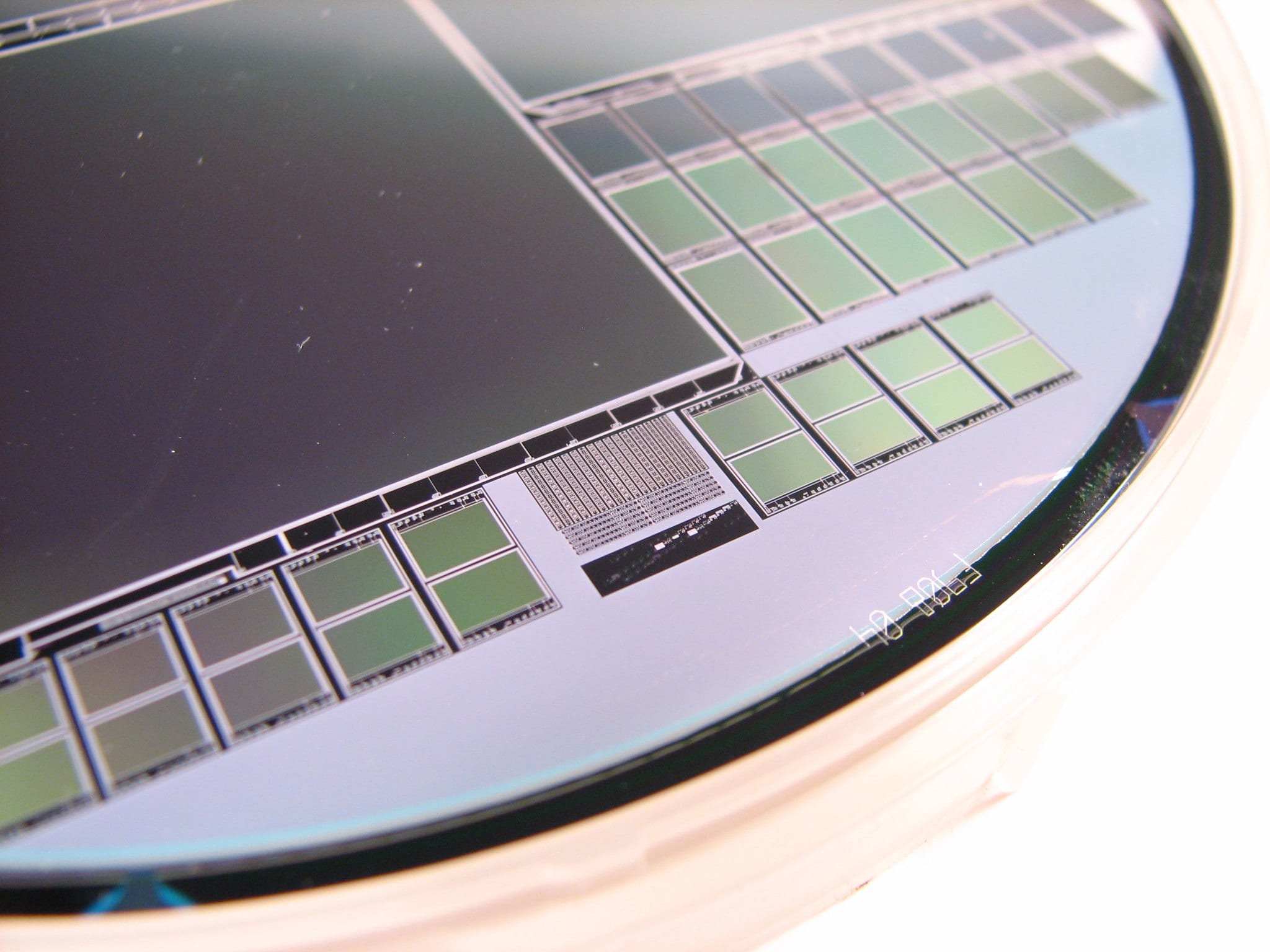
Silicon photonics means chips that move data between servers using light instead of electrical wires; it is the product ST actually sells into AI data centers. The company expects about $1.3 billion of data-center revenue in 2026, raised from above $1 billion in July, heading for well above $2 billion in 2027 on photonics capacity set to expand more than fourfold 4. That is under a tenth of a company guiding to about $4.15 billion a quarter 4.
The wire sold a microcontroller instead
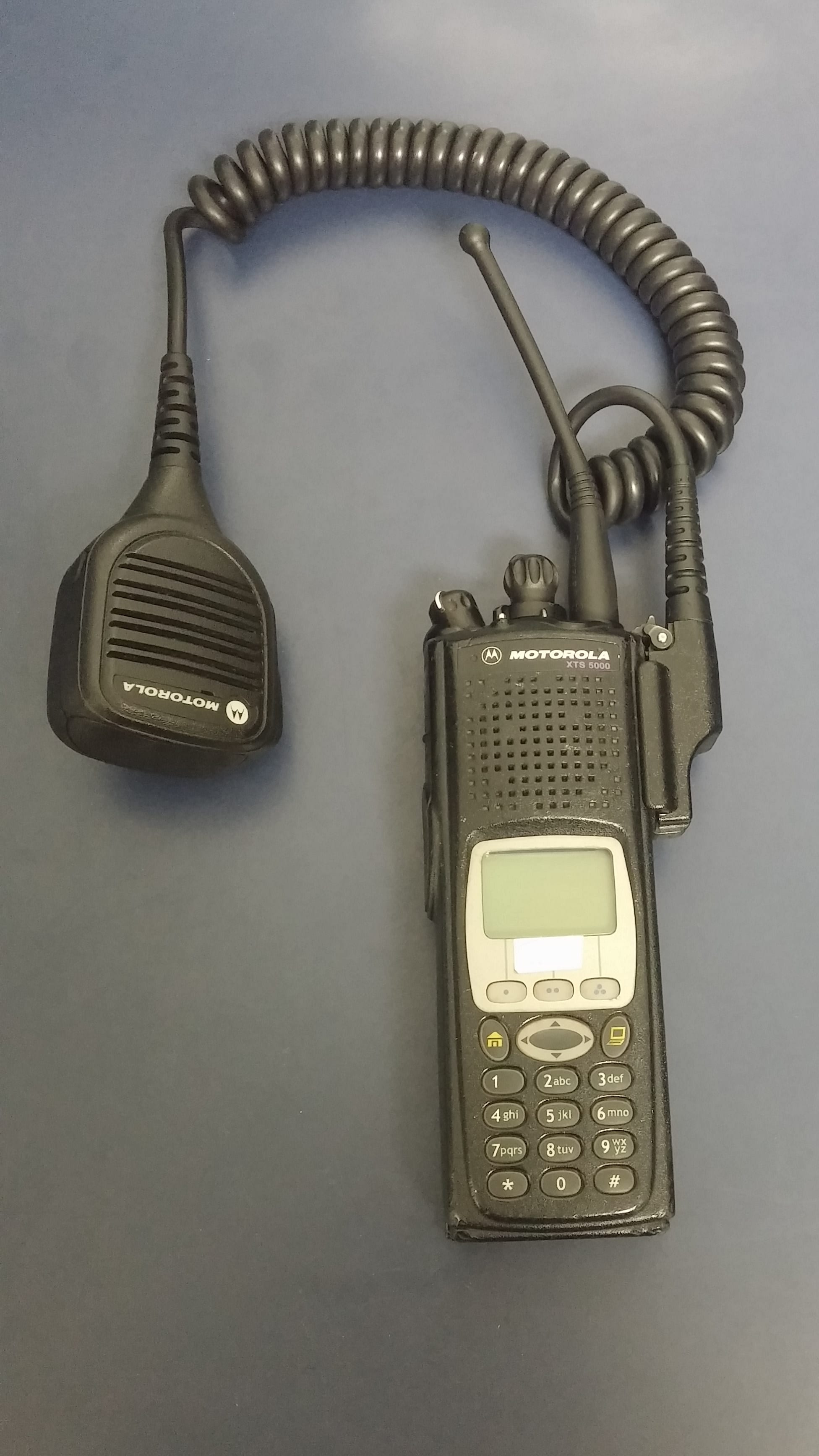
What the press covered that same week was a microcontroller: ST launched the STM32G5 on November 3 "for AI and robotics", the edge-AI STM32H7P on November 5, and a unified STM32 platform with a new automotive STM32A family on November 6, three launches in four days 356.
Inside an AI rack the G5 is a single-digit-dollar controller inside a power supply costing hundreds, so its dollars do not grow with the value of the rack 4. It is part of ST's general-purpose MCU line, which is doing well on its own: in the third quarter that segment's revenue rose 24.1% year on year at a 23.1% operating margin, the group's best, while power and discrete still lost money 34.
ST's gross margin must climb seven points to reach its target
ST's margin bridge runs from 37.3% today to a 44-46% target needing four fab closures
- Estimate
Data
| Value | Range | |
|---|---|---|
| Q3 2026 | 37.3% | — |
| Q4 2026 guide (estimate) | 39% | — |
| Long-term target (estimate) | 45% | 44–46% |
The margin bridge is the real test
Group gross margin was 37.3% in the third quarter, guided to about 39% for the fourth, against a 44-46% long-term target that depends on closing four legacy fabs by early 2028 34. Backlog above $20 billion and a book-to-bill ratio above 2 show the demand is real; the fourth-quarter report is where investors see whether it converts into margin 4.
What the dislocation is worth
The November 5 selloff priced ST as if the AI buildout were its business; the filings show AI is about a tenth of revenue and margin recovery is the driver 14. If the data-center buildout slows under the new Congress, the photonics line slips too, a real risk to watch at the Q4 report 14.
On the evidence, ST is worth owning for the photonics ramp and the cyclical recovery, not as an AI momentum trade, and the Q4 print, about $4.15 billion of revenue at about 39% gross margin, is the test of the margin bridge 4.
Get Chips by email, free
How AI demand is reshaping chipmakers, memory and the fabs behind them. In our daily email, every weekday.