Tesla dated Cybercab sales to outside fleets for December; Full Self-Driving subscribers wait until 2027
Tesla dated its first Cybercab sales to outside fleet buyers for this December, while the Full Self-Driving subscribers who funded the program wait until 2027. The gate on both timelines is an open federal audit of whether a car with no controls can legally be sold.
 Richard Tang · 3 min read
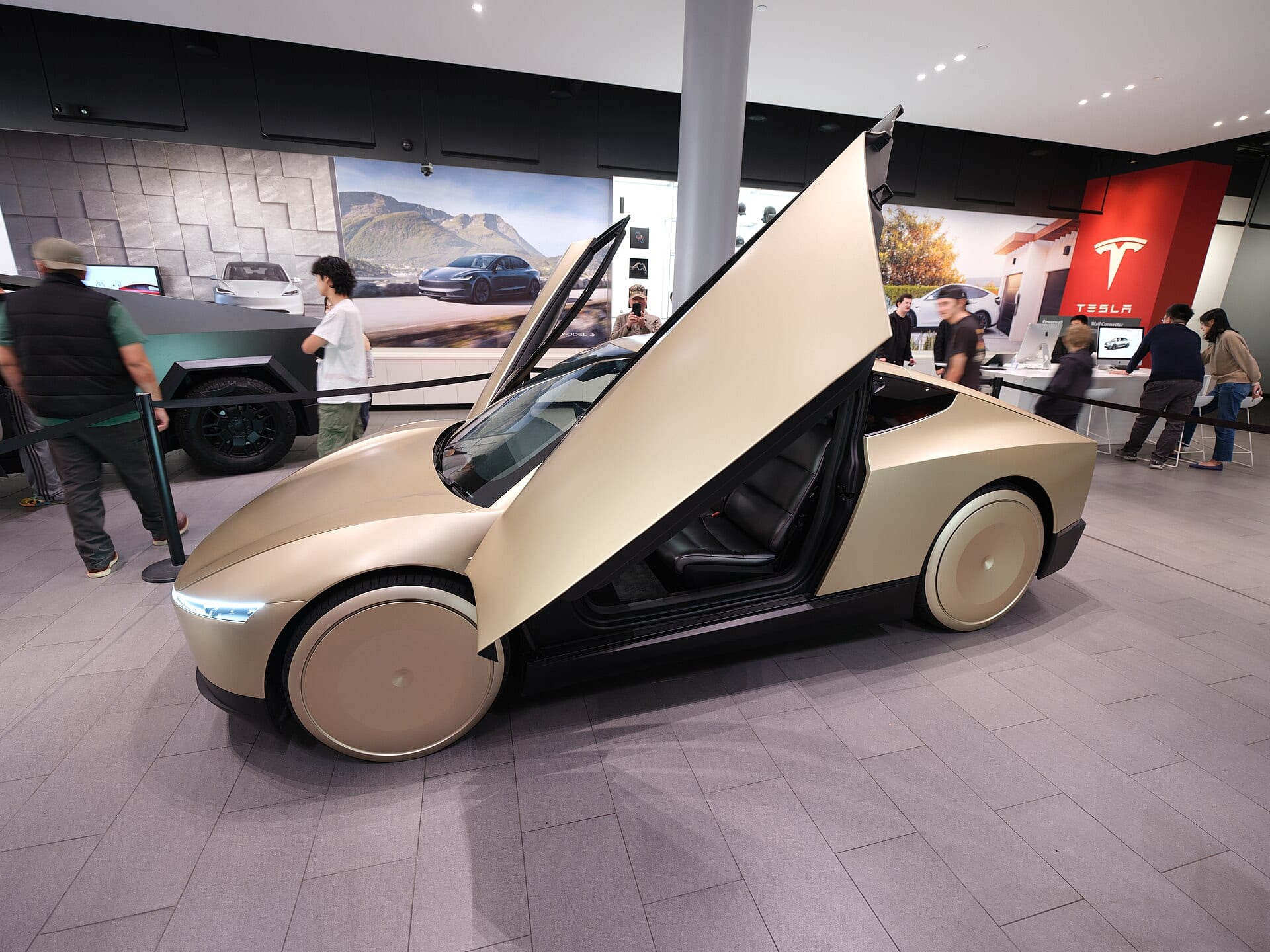
Tesla+0.19% — Tesla, up 0.19 percent today put a date on its first Cybercab sales to outside customers: this December. On the same call, the autonomy its own subscribers already pay for slipped to the second quarter of 2027 12. Both schedules now pass through the same gate, and it is not software. It is an open federal audit of whether a car with no steering wheel or pedals may be sold at all. 12
The car is running; the rule is not
The engineering link is the strongest it has ever been. Texas regulators list 449 Cybercabs authorized for driverless operation, after paid rides began in Austin in September. 3 The law has not moved with it.
Federal safety standards require a foot-operated brake and mirrors, Tesla self-certified the Cybercab against them, and the National Highway Traffic Safety Administration opened its audit hours after the first Austin rides, then ordered sworn answers by September 30. 167
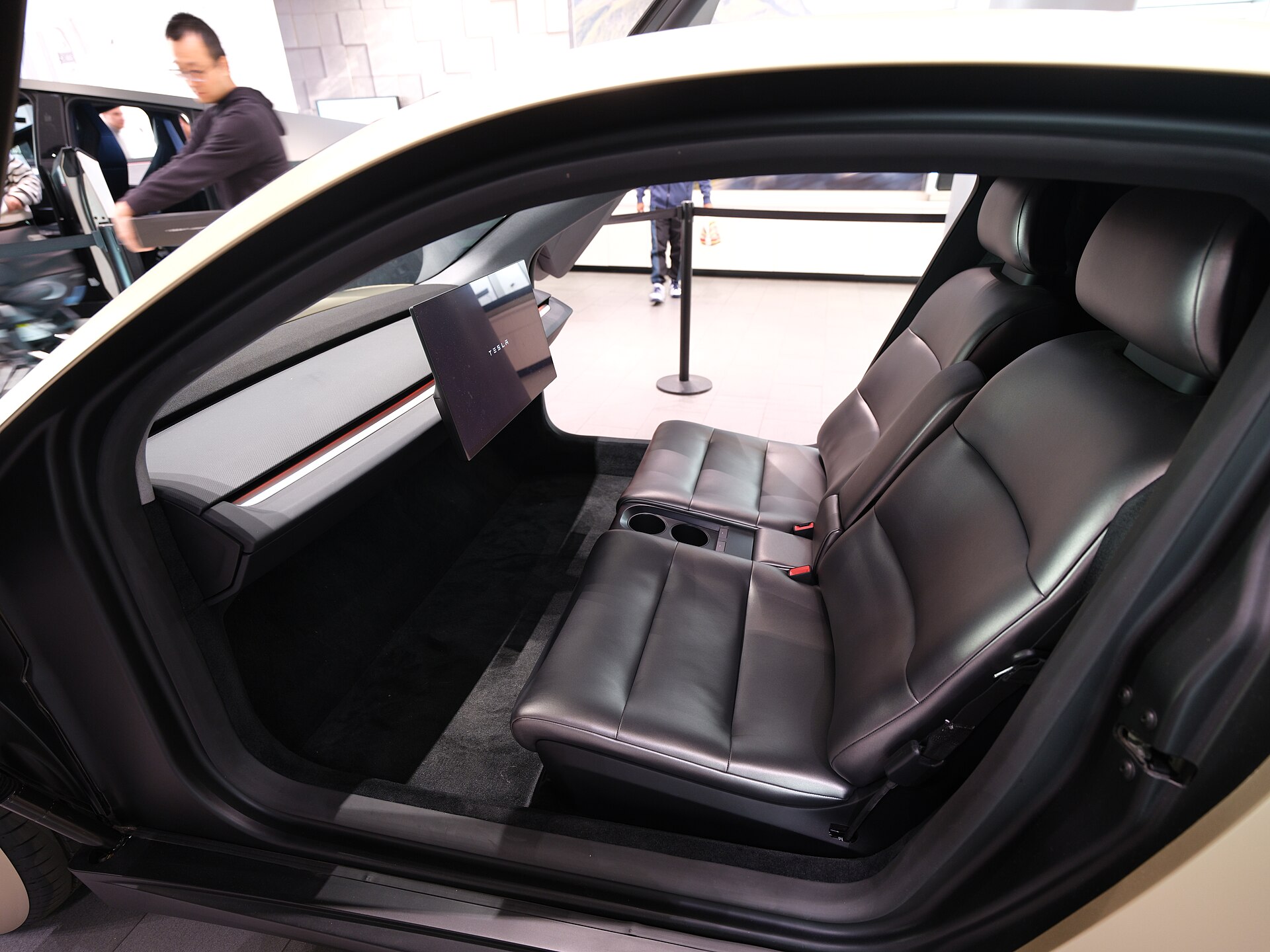
The rule change that would legalize a control-free car is still only a proposal, and the agency's position is that existing standards remain in force. 6 Zoox, which sought an exemption instead, is capped at 2,500 vehicles a year. 7 Musk named the exposure himself: scale proceeds "unless we are stopped by governments, which is certainly a possibility." 2
Owners paid for autonomy and will get it second
If December holds, the first wave of full Tesla autonomy goes to fleet buyers, not to the people who funded the program. Engineering vice president Lars Moravy said Tesla will "start small" and learn delivery, ownership and fleet management as it goes; InsideEVs read the arrangement as customers who will "more or less be beta testers." 18
The Full Self-Driving subscribers wait until 2027, and what arrives then is narrower than what was sold: owners' cars would join Tesla's own geofenced robotaxi zones, small slices of six metros, not a car that drives them anywhere. 24
The quarter shows what the wait costs
Operating margin has slid from above 10% to 2.6% as the autonomy bet builds
Data
| Operating margin | |
|---|---|
| Q2 '24 | 6.3% |
| Q3 '24 | 10.8% |
| Q4 '24 | 6.2% |
| Q1 '25 | 2.1% |
| Q2 '25 | 4.1% |
| Q3 '25 | 5.8% |
| Q4 '25 | 5.7% |
| Q1 '26 | 4.2% |
| Q2 '26 | 1.4% |
| Q3 '26 | 2.6% |
While the audit runs, the bet consumes the car business. Operating income came in at $718 million, down by more than half, as spending on AI, robotaxis and Optimus absorbed a rebuilt vehicle margin. 5 The subscription base that carries the autonomy case reached 1.7 million paid FSD customers 5.
The CFO confirmed it runs near $1 billion a year. 2 Capital spending guidance for 2026 came down to about $20 billion, and up to $30 billion of newly arranged borrowing sits undrawn. 2 Musk's own revenue timing puts robotaxis as noticeable in the second quarter of 2027 and a big deal late next year. 2
Capex more than doubled in Q2 2026, and 2026 guidance is about $20 billion
Data
| Capital spending | |
|---|---|
| Q3 '23 | $2.46B |
| Q4 '23 | $2.31B |
| Q1 '24 | $2.78B |
| Q2 '24 | $2.27B |
| Q3 '24 | $3.51B |
| Q4 '24 | $2.78B |
| Q1 '25 | $1.49B |
| Q2 '25 | $2.39B |
| Q3 '25 | $2.25B |
| Q4 '25 | $2.39B |
| Q1 '26 | $2.49B |
| Q2 '26 | $5.79B |
The rulebook is the bottleneck now
The bottleneck on autonomy has moved from the model to the rulebook. Whoever finalizes that federal rule, and whoever builds the delivery, charging and maintenance layer that makes a wheel-less car operable by someone other than Tesla, is doing the work that turns capability into transport people actually use. That is where this value gets decided, and the docket to watch is NHTSA's, not Tesla's release notes.
Get Robotics & Defense by email, free
Robots, self-driving vehicles, drones and AI in defense. In our daily email, every weekday.