The AI buildout wiped $68 billion off IBM in a day. Now the lawyers want to know why.
IBM pitched the z17 mainframe as real-time AI iron and guided to 5-plus percent growth in April. Eighty-three days later it delivered 1 percent, and Hagens Berman is now asking what management knew as the big deals died.
 Vincent Jiangthree-minute read
Ten weeks later, the lawyers arrive
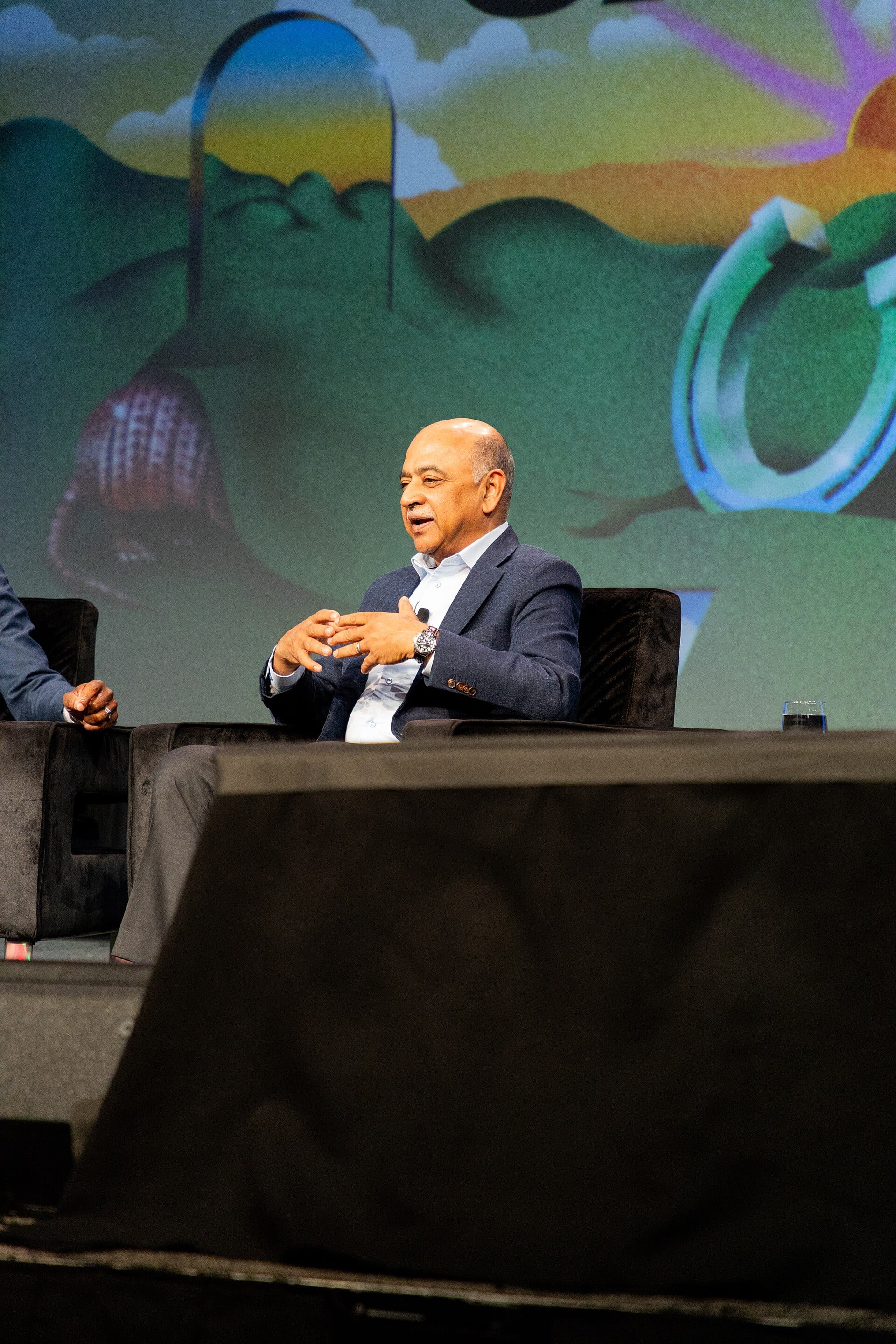
Hagens Berman said on 23 September 2026 that it is investigating potential violations of U.S. securities laws by IBM−1.23% — IBM, down 1.23 percent today, centered on what the company said about its Z mainframe business between April and July 1. The stock slipped another 2.4 percent on 24 September, to about $227, leaving a $213.9 billion company 2. Partner Reed Kathrein's question is the whole case: whether and when IBM "may have had information raising the probability that large deals were unlikely to timely close" 1.
A record start, 83 days before the fall
On 22 April, IBM reported first-quarter Infrastructure revenue up 15 percent, Hybrid Infrastructure up 28 and IBM Z up 51, and guided to 5-plus percent constant-currency growth for 2026 with a second quarter "similar to the full year" 1. The z17, pitched as enterprise-grade iron for real-time AI processing at unprecedented scale, was off to a "record start" 1.
The selling never stopped. On 7 July, IBM shipped compact, rack-mount z17s aimed at on-premises AI inference 3. Seven days later came Krishna's letter: revenue up 1 percent, Infrastructure down 7, and "numerous large deals failed to close" 4. The stock lost more than 25 percent and over $68 billion of market value in its worst single day as a public company 15.
The AI boom ate the mainframe's capex dollar
The letter names the mechanism. In late June, clients "shift their quarterly capex spend toward servers, storage, and memory purchases to secure supply-constrained infrastructure ahead of expected price increases" 4. Krishna put the coming price jumps at 15 to 30 percent, and Dell, HP and Apple had already warned that AI-buildout memory costs were forcing increases 6. The redirected June budget points to the harvesters: the server and memory suppliers of the AI buildout, Dell and HP−0.17% — HP, down 0.17 percent as of its last quote among them 46.
Every dollar a bank spent hoarding memory was a dollar that did not buy a mainframe in June. Z revenue fell 42 percent, Hybrid Infrastructure fell 10 and Transaction Processing fell 8, taking with it the $3 of software IBM earns on every $1 of mainframe hardware 67.
IBM Z swung from +51% growth to a 42% decline in one quarter
- Q1 2026
- Q2 2026
Data
| Q1 2026 | Q2 2026 | Change | |
|---|---|---|---|
| IBM Z | 51.0% | -42.0% | — |
| Hybrid Infrastructure | 28.0% | -10.0% | — |
| Infrastructure segment | 15.0% | -7.0% | — |
| Total revenue | 9.5% | 1.1% | -88.4% |
Deferral, or destruction
Krishna's defense is arithmetic: the delayed deals numbered "in the low tens," about a third closed in the three weeks after quarter-end, and z17 is running at nearly 130 percent of z16's pace, "deferral and not destruction" 5. IBM still cut its 2026 constant-currency growth view to 4 to 5 percent, from 5-plus 7. Shares have climbed 13.1 percent since the 22 July report, but Morgan Stanley−1.26% — Morgan Stanley, down 1.26 percent today cut its target from $293 to $190, and KeyCorp downgraded on 23 June, before the crash 27.
IBM's growth accelerated through 2025, then collapsed to 1.1% in Q2 2026
Data
| Revenue growth | |
|---|---|
| Q3 '23 | 4.6% |
| Q4 '23 | 4.1% |
| Q1 '24 | 1.5% |
| Q2 '24 | 1.9% |
| Q3 '24 | 1.5% |
| Q4 '24 | 1% |
| Q1 '25 | 0.5% |
| Q2 '25 | 7.7% |
| Q3 '25 | 9.1% |
| Q4 '25 | 12.1% |
| Q1 '26 | 9.5% |
| Q2 '26 | 1.1% |
The tell is the next Z print
Whether the deferred deals actually close shows up in the third-quarter Z print. That number tests the deferral thesis and helps decide whether the investigation hardens into a filed class action; Hagens Berman is already advertising whistleblower rewards of up to 30 percent of any SEC recovery 1. The pitch continues regardless: on 22 September, IBM put a z17 at Marist University to provide "enormous AI computing power" 9. IBM built the z17 to run AI where the money moves. In June, the money moved to AI instead.
Get Platforms by email, free
The cloud, data and developer software AI is built on. In our daily email, every weekday.






Reader comments
0 comments