Toma took $17 million from a16z to answer dealer calls; its dealer product is now a 'legacy login'
Toma raised $17 million from Andreessen Horowitz to answer car-dealership phones. Its website now sells a job board where professionals do consumer tasks with AI agents, and rival Flai just banked $27 million in dealership AI.
 Vincent Jiangtwo-minute read

The dealership product is now a 'legacy' login
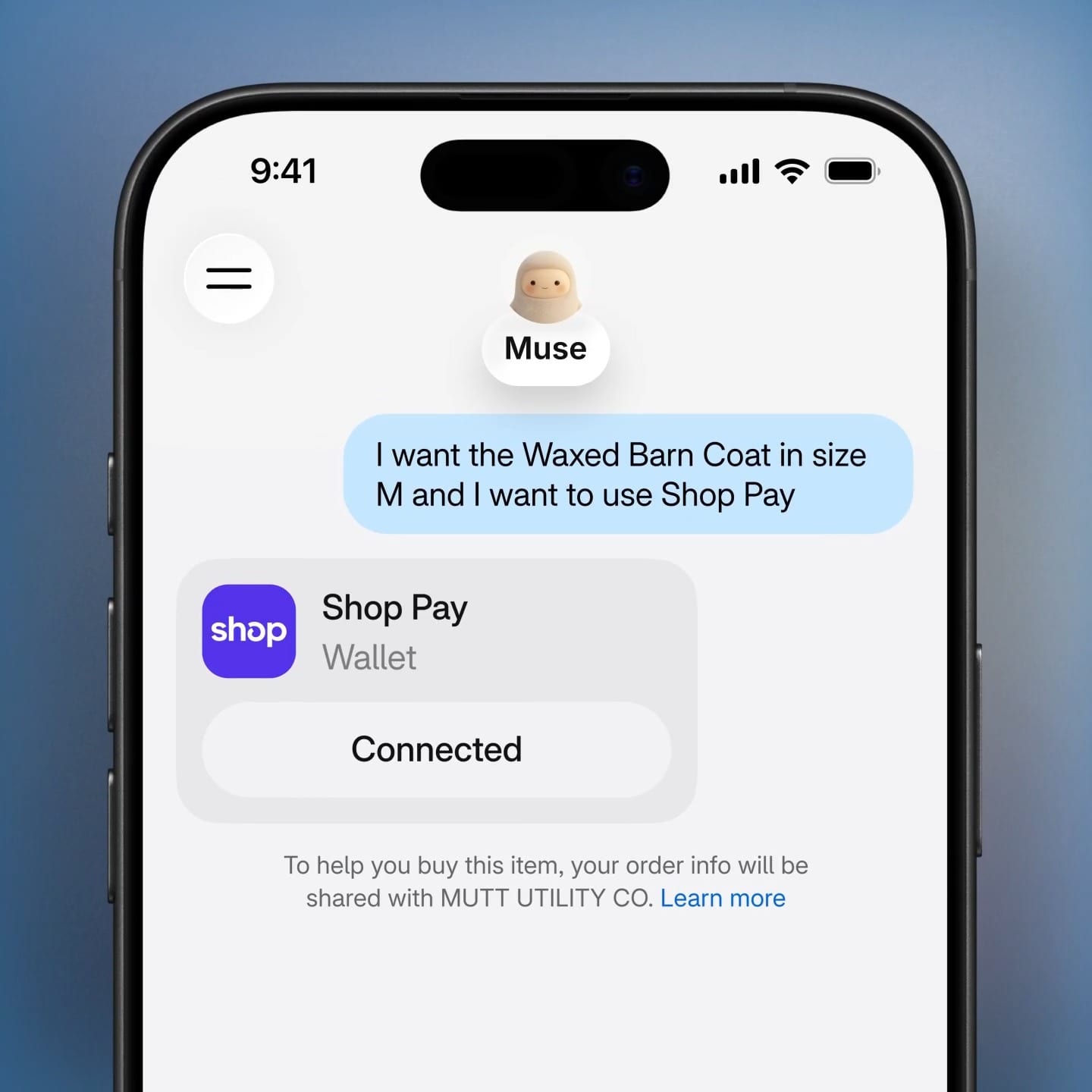
Toma's homepage has no cars on it. It sells "The Job Board for Agents," a beta marketplace, version 0.65.16, where consumers post tasks: negotiating a car's out-the-door price, immigration paperwork, therapy 1. Vetted professionals bid, put AI agents on the routine work, then "review and sign off" on the result. The site invites users in through ChatGPT, Claude, Grok or Meta's+1.11% — Meta, up 1.11 percent today Muse, and still says "Backed by Y Combinator, Andreessen Horowitz." The dealership business that made its name is one footer link now: "Legacy (Automotive) Login." 1
The archive shows a three-week vanishing act
That footer was the whole company in June 2025, when TechCrunch reported Toma had raised $17 million in a round led by Seema Amble of Andreessen Horowitz, the venture firm known as a16z 23. Founders Monik Pamecha and Anthony Krivonos, who started Toma at Y Combinator in January 2024, cold-called the country's dealerships, found only 45% of calls answered, and put voice agents into more than 100 stores. 23
Automotive work was still shipping this year: Toma IQ, launched March 19, 2026, turns manager-approved call handling into guardrails for each dealer's agents. 4 Then the record stops. Internet Archive captures show the dealership pitch intact on July 12 and September 9, 2026, and a bare "Applied Research" placeholder by September 30, with nothing captured since. 567 Searches this week find no announcement and no coverage of the switch.
Flai banks $27 million in the vacated category
On October 6, 2026, six days after that placeholder was captured, Flai announced a $27 million Series A led by Base10 Partners, with Toyota's venture arm and the dealer investors Friedkin Group and Findlay Automotive aboard 8. Flai chief executive Ari Polakof says revenue grew 20-fold in a year, and his agents book about 50,000 appointments a month across more than 10 of the top 50 US dealer groups. 8
A year earlier Flai was a $4.5 million seed bet, one of what TechCrunch called a "swarm" of startups chasing the same phones. 9 Toma sold car dealers an AI that answered the phone; it now sells consumers a human to check the AI's work.
The biggest check in dealership AI now belongs to the challenger
Data
| Value | |
|---|---|
| Toma, Jun 2025 | $17M |
| Flai seed, Oct 2025 | $4.5M |
| Flai Series A, Oct 2026 | $27M |
No explanation yet, so watch three numbers
Nothing public says dealers have lost their AI; "legacy" can mean maintained rather than buried, and neither Toma nor a16z has explained the change. Three readings will call the turn: the job board's version number crawling out of beta, any word on whether the hundred-plus dealership customers stay served, and whether Flai's 20-fold growth holds on fresh capital.
Get Applications by email, free
How AI is changing the software people and companies use. In our daily email, every weekday.