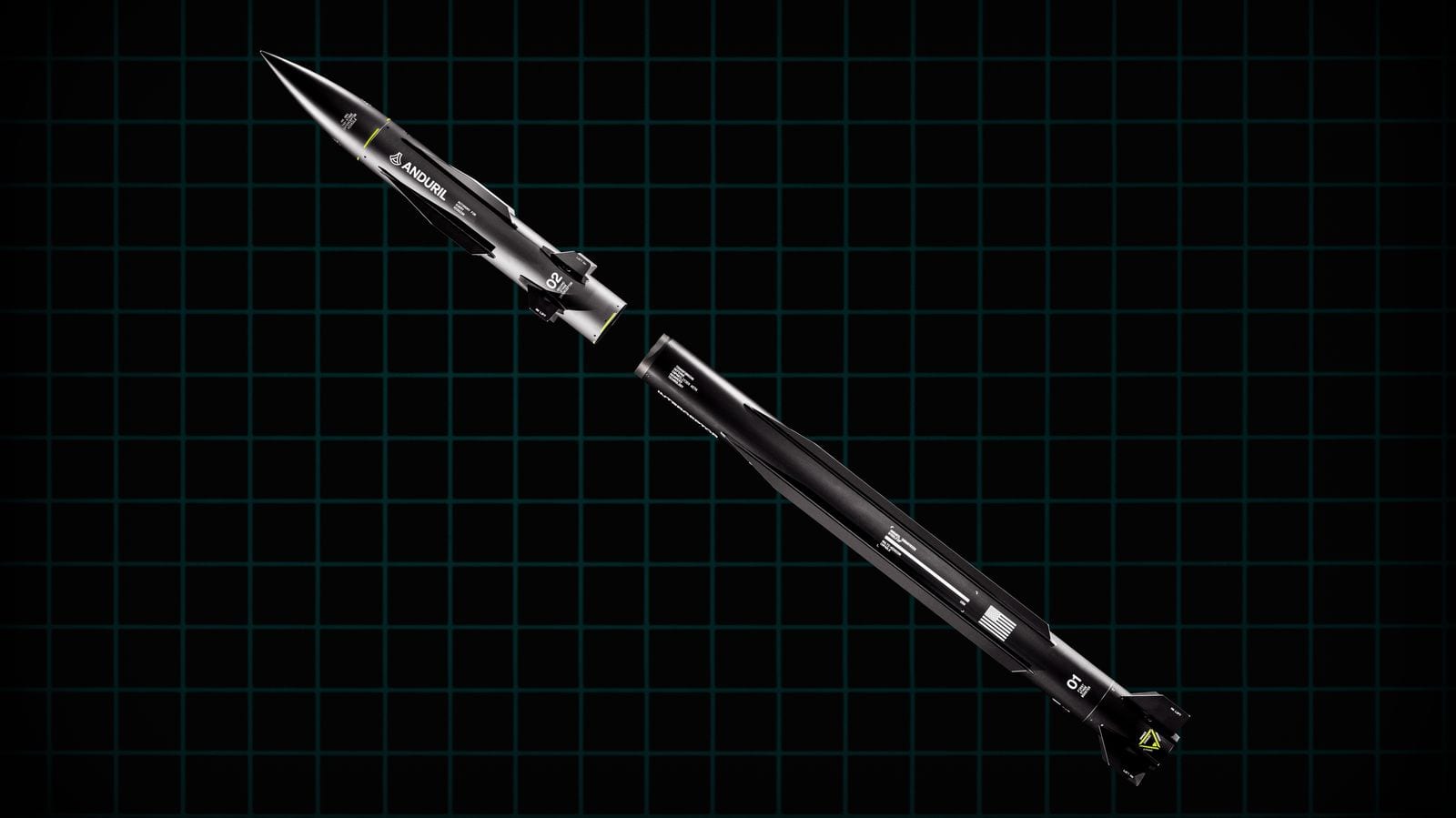
Twelve thousand interceptors a year on paper, three thousand ordered: the cheap-missile money is at Leidos
CHAOS Industries unveiled its VESPID interceptors at AUSA claiming capacity for 12,000 a year and zero contracts, while the Pentagon's signed cheap-missile order book holds one 3,000-unit deal at Leidos. The CBO's estimate that the US has spent half to two-thirds of its interceptors since June 2025 makes the demand real; the contracts are not yet.
 Richard Tang · 3 min read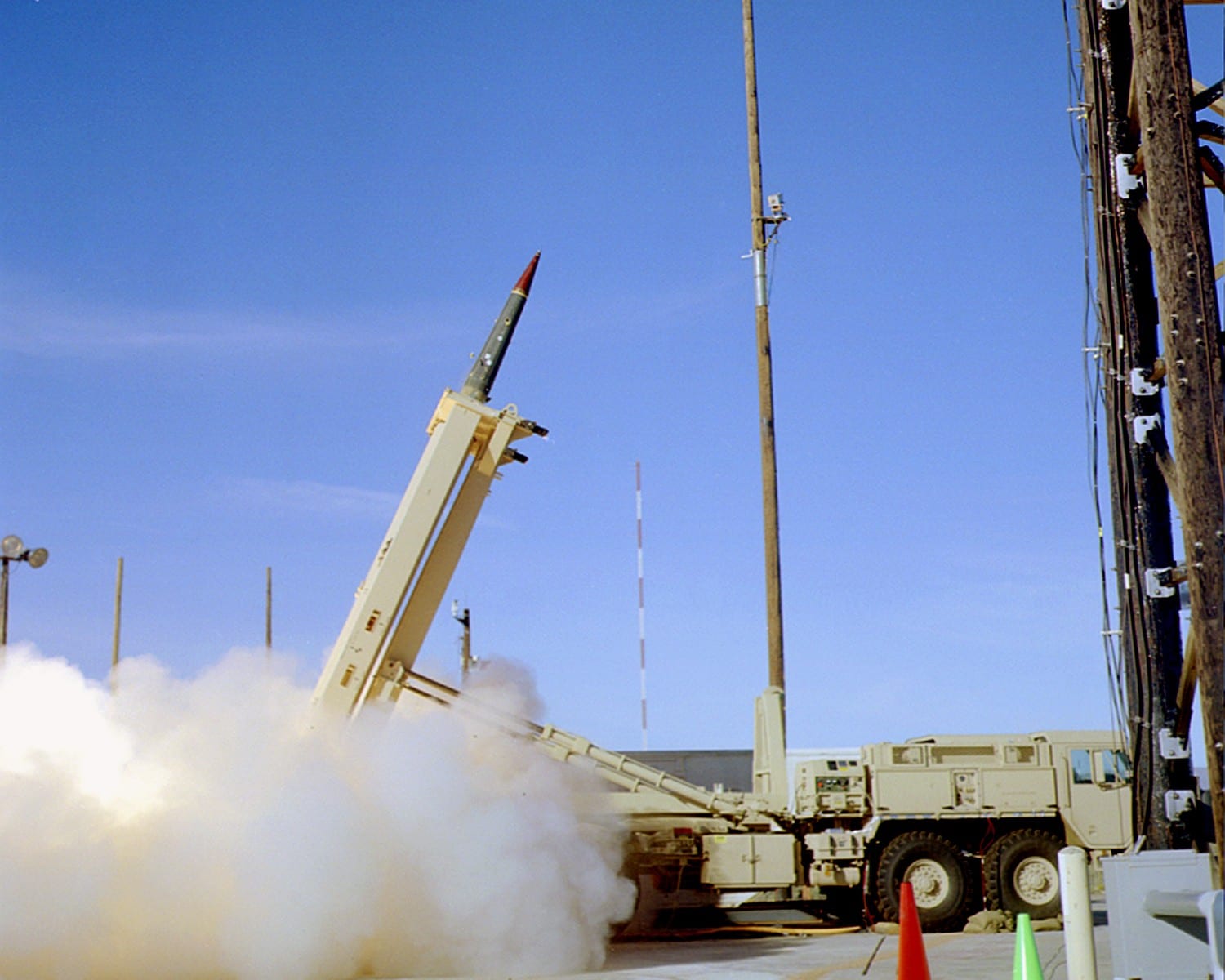
The interceptor unveiling that drew attention at AUSA, the Association of the US Army's annual Washington arms show, comes with a factory claim and no buyer. CHAOS Industries~$800M — CHAOS Industries, private, latest valuation ~$800M, a Los Angeles defense startup founded in 2022, says its new VESPID interceptors can be built at 12,000 a year, and the company holds zero contracts with any military 14. The Pentagon's only sized cheap-missile order disclosed alongside it sits with Leidos: an expected 3,000 units of the Army's Low-Cost Containerized Munition 2. The demand behind both announcements is real; only Leidos has a signed order.
The shortage is measured, and filling it is expensive
The Congressional Budget Office estimates the Iran conflict consumed half to two-thirds of US interceptor stocks since June 2025, and that replacing them takes at least five years even at higher production rates 3. The weapons are costly: CBO puts a Patriot or SM-6 at roughly $4 million, a THAAD at $12 million and an SM-3 at $28 million 3. That price is what every cheap-missile entrant is undercutting, and the Army opened the door in August with its Next Generation C-sUAS Missile competition, c-UAS meaning counter-small uncrewed aircraft systems, the counter-drone fight. The competition requires integration with Coyote, the Army's existing counter-drone launcher and interceptor 1. Anduril's Steelfin, which we covered on October 13, aims at a third of the price of the PAC-3 MSE, Lockheed Martin's current Patriot interceptor 5.
The interceptors the Iran war depleted cost $4 million to $28 million each
- Estimate
Data
| Value | |
|---|---|
| Patriot / SM-6 (estimate) | $4M |
| THAAD (estimate) | $12M |
| SM-3 (estimate) | $28M |
VESPID's technology case rests on the radar CHAOS already builds
VESPID Mk 0 is man-portable for small units; the Mk 1 is faster, with a multitube launcher and the Coyote compatibility the competition asks for 1. The credible first hop is that CHAOS already builds radar: the company says its transmitter doubles as a jam-resistant datalink with error correction, so detection and intercept close inside one company's stack, assembled from commercial parts for volume production 14. Backers have paid for that stack: $1 billion raised from investors including 8VC, Accel and Valor Equity Partners 4.
The order book, not the factory claim, decides who gets paid
The Defense Department signed three-year framework agreements in May with Leidos, Anduril$116.89B — Anduril, private, latest valuation $116.89B, CoAspire and Kongsberg's Zone 5, and the only concrete number attached is Leidos's expected 3,000-unit order 2. Against that, CHAOS's 12,000-a-year line is a company statement until a contract signs it 1. The supplier side has dates: X-Bow, which builds the boosters for Leidos's missile, has already delivered 2,100 rocket motors for AEVEX's Disruptor drone and plans full-rate motor production for the missile in 2027 2. That makes Leidos the listed way into the rebuild today, with a sized order and a named, dated supplier, while Lockheed's interceptor franchise sets the price umbrella everyone builds under 25.
What moves the story next is the Army's C-sUAS award and whether CHAOS's competition entries convert into a first contract. That conversion, not the capacity claim, is the fact to watch for 12.
Deepdive
AI-generated from this story and its cited sources. Not investment advice.