Uber's autonomy chief Sarfraz Maredia leaves November 16 with 700 driverless cars due by year-end
Uber's robotaxi ramp, about 700 driverless cars by year-end and more than 2,000 in 2027 inside a $10 billion commitment, changes hands this week, a month after Waymo said it will book Austin and Atlanta rides on its own app from January 2028. For UBER holders, the question is whether the demand layer outlives its architects.
 Vincent Jiangtwo-minute read
Two architects leave on the same day
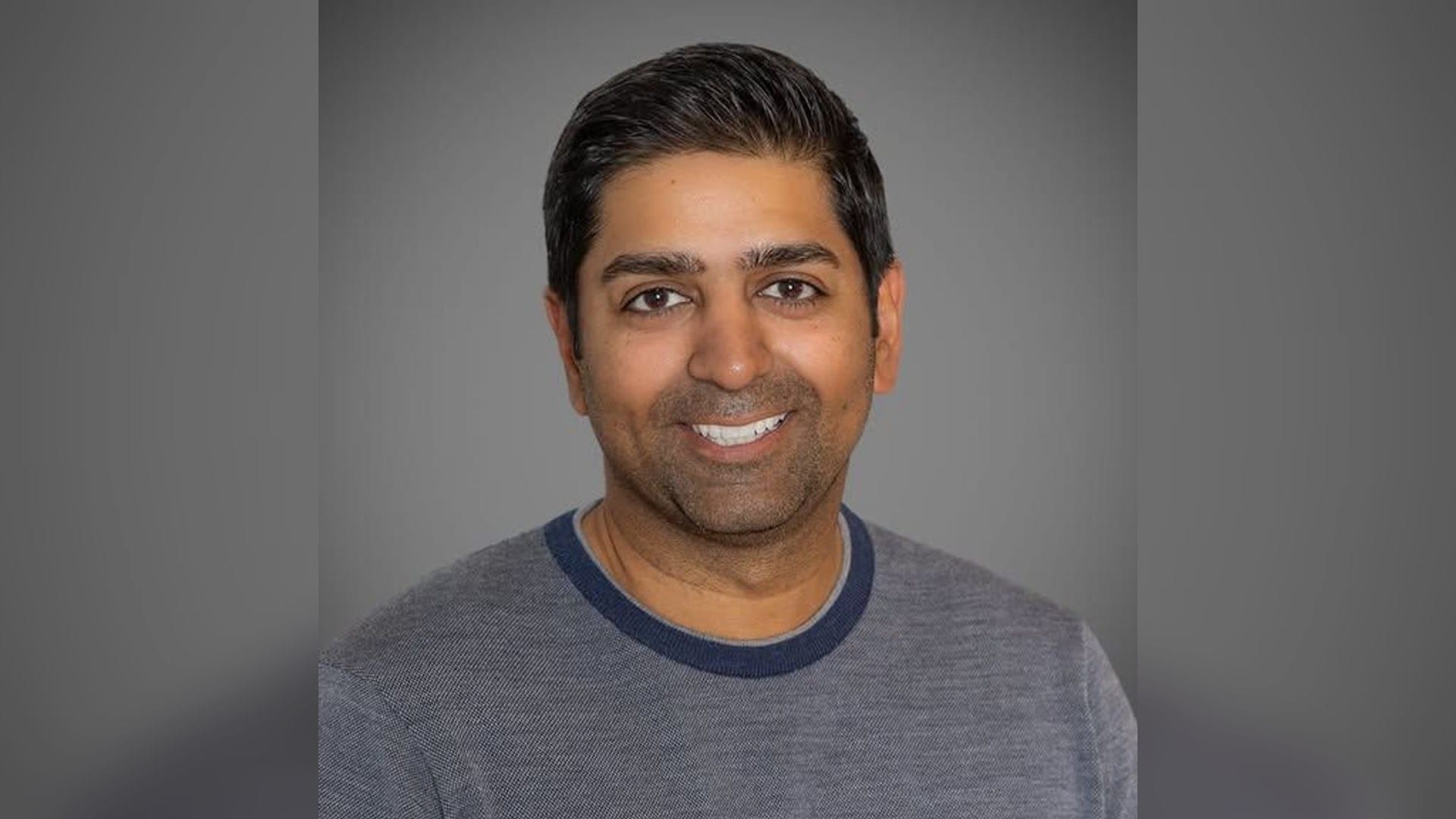
Sarfraz Maredia, Uber's+0.04% — Uber, up 0.04 percent today global head of autonomous mobility and delivery and a 12-year veteran, leaves the company on November 16 for a top executive role outside transportation 1. He goes alongside Danny Guo, the engineering vice president who ran robotaxi partnerships and AV Labs, the data unit Uber built as its hedge against being cut out of the ride 2. Successors are named, one layer down: senior director Samarth Kejriwal takes driverless vehicle operations, Aaron Emrich keeps autonomous delivery, and Guo's reports fold under chief technology officer Praveen Neppalli Naga 12.
A year of exits around the $10 billion bet
The autonomy unit had already lost business-development head Guy Peterson and legal counsel Lando Juarez this year 1. Delivery chief Susan Anderson left in June, and president Jill Hazelbaker, at Uber since 2015, starts at OpenAI$1.18T — OpenAI, private, latest valuation $1.18T in early December 3. September brought 3,300 job cuts, a tenth of the workforce 2. No collected coverage says the exits signal doubt in the strategy; Maredia's farewell memo voiced confidence, and Uber says AV momentum has never been stronger 12.
The ramp changes hands mid-climb
The division Maredia leaves scales from roughly 700 fully driverless vehicles expected on Uber by year-end to more than 2,000 in 2027 and the 10,000-plus territory management targets for 2028, inside a $10 billion autonomous-vehicle ecosystem commitment 42. The demand layer underneath keeps compounding: a record 215 million monthly active platform consumers in the third quarter, a fifth straight quarter of 20 percent-plus gross bookings growth, and record trailing free cash flow of $10.4 billion 45.
Uber's driverless fleet target grows 14x in two years, to 10,000-plus in 2028
- Fully driverless vehicles on Uber
- Estimate
Data
| Fully driverless vehicles on Uber | |
|---|---|
| End-2026 (estimate) | 700 |
| End-2027 (estimate) | 2,000 |
| 2028 (estimate) | 10,000 |
Uber's answer to Waymo is a busier car
Waymo, Alphabet's−1.54% — Alphabet, down 1.54 percent today robotaxi arm with more than 4,000 vehicles and over 500,000 paid driverless trips a week, will book Austin and Atlanta rides on its own app from January 2028 and turned down Uber's offer of a dedicated robotaxi button 67. Uber's counter is utilization: a 30 percent premium, with driverless cars on its network turning high-20s trips per vehicle a day against low teens for Waymo and Tesla−2.61% — Tesla, down 2.61 percent today in new markets 4. Management calls the driver-supply squeeze a "good problem" 4.
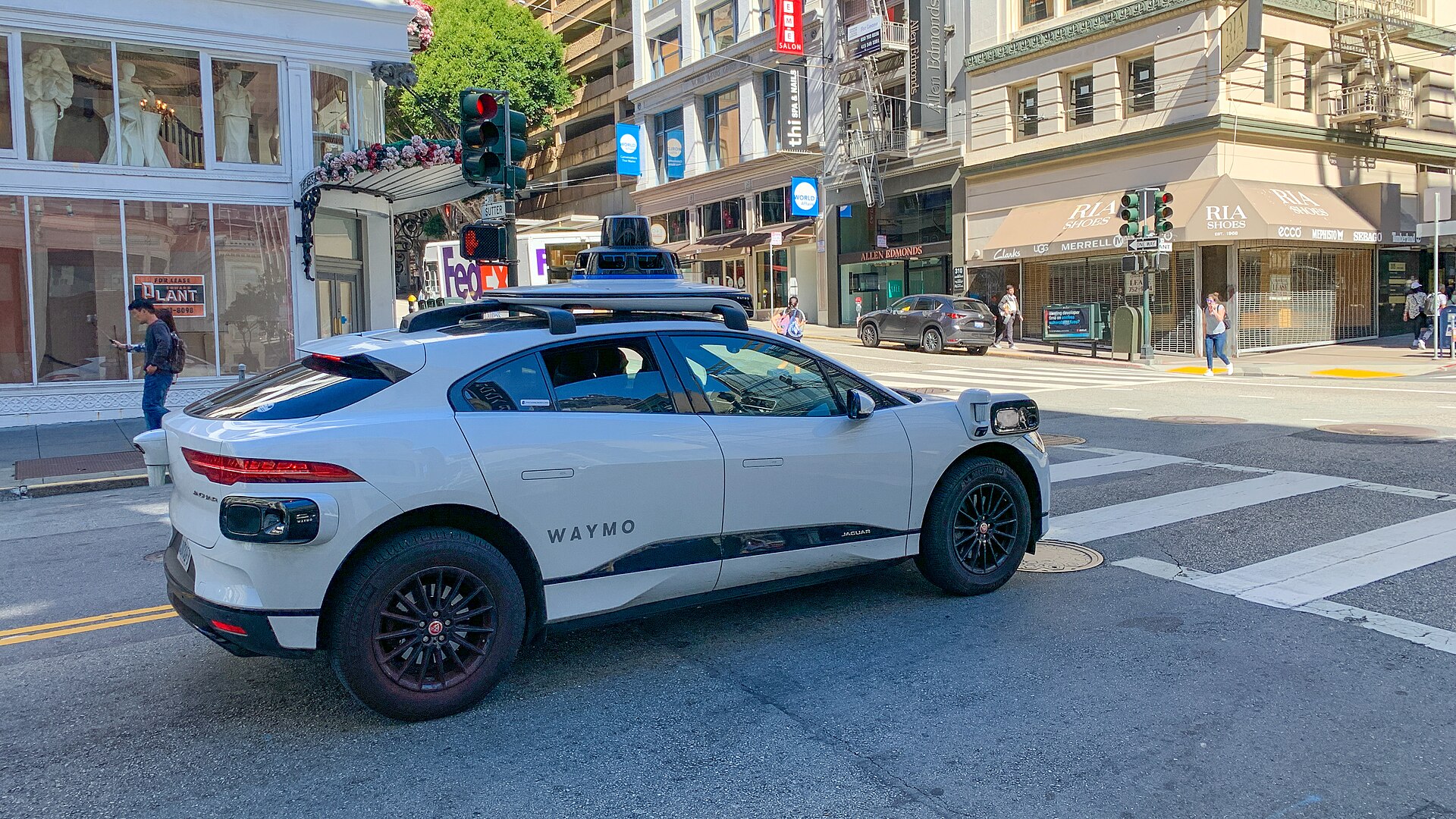
Uber's driverless cars turn more than twice the daily trips of rivals' cars in new markets
Data
| Value | Range | |
|---|---|---|
| Uber network | 28 | 26–29 |
| Waymo, new markets | 13 | 11–14 |
| Tesla, new markets | 13 | 11–14 |
The first test is dated for early 2027
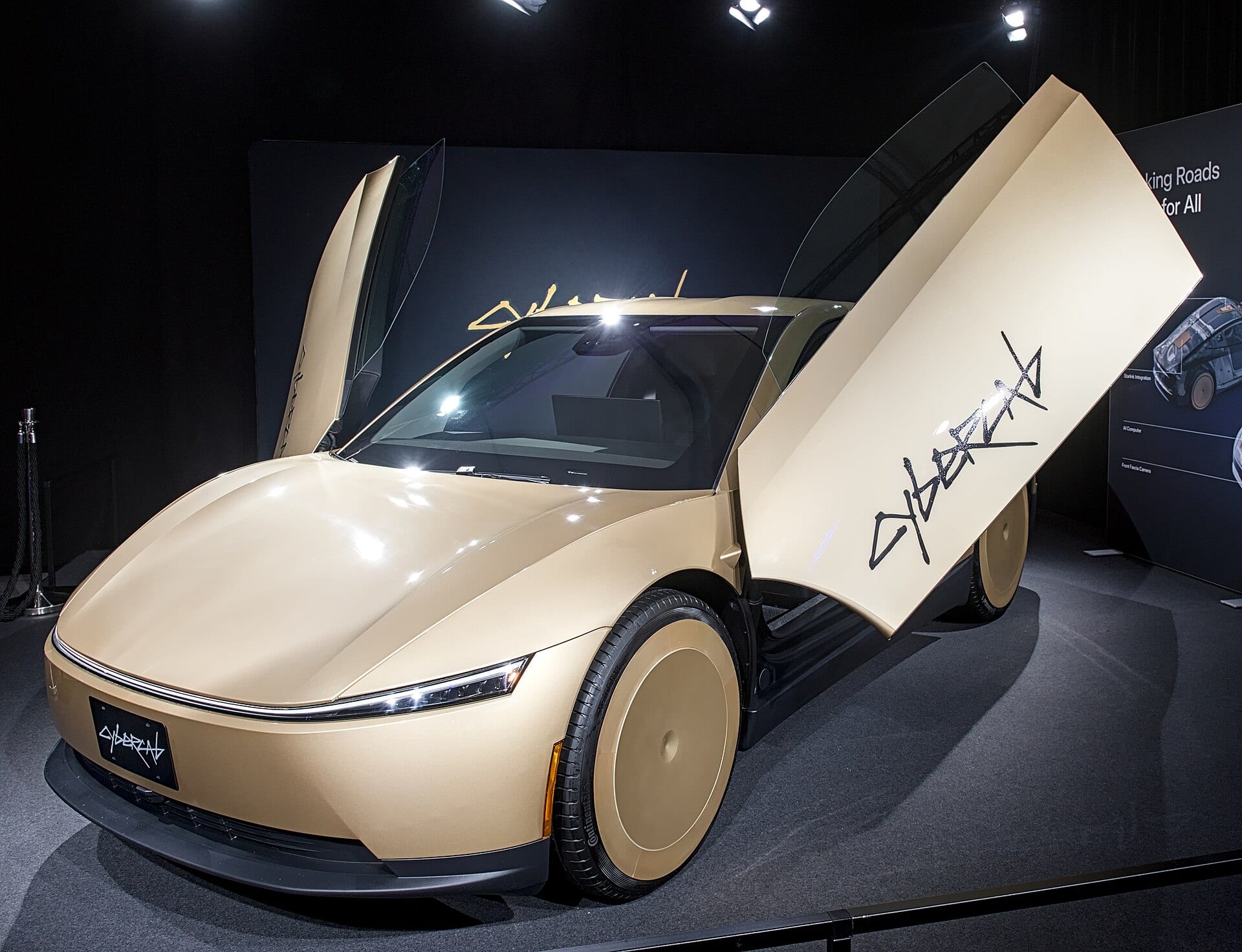
The new bench's first test is dated: the Lucid-Nuro robotaxi service in the San Francisco Bay Area, part of the 35,000-vehicle order profiled here in October, has slipped to the first quarter of 2027 28. Then comes January 2028, when Austin riders open the Uber app and the Waymos answer to a rival 28. The ramp to 10,000 cars now belongs to people who did not design it 28.
Get Robotics & Defense by email, free
Robots, self-driving vehicles, drones and AI in defense. In our daily email, every weekday.
Reader comments
0 comments