Uber's robotaxi fleet belongs to suppliers who also sell to its rivals
Uber has committed to at least 35,000 robotaxis built and driven by companies that also sell to its rivals, and the first big demand spike in the business, Austin's F1 weekend, went to Tesla's own app.
 Vincent Jiang · 3 min read
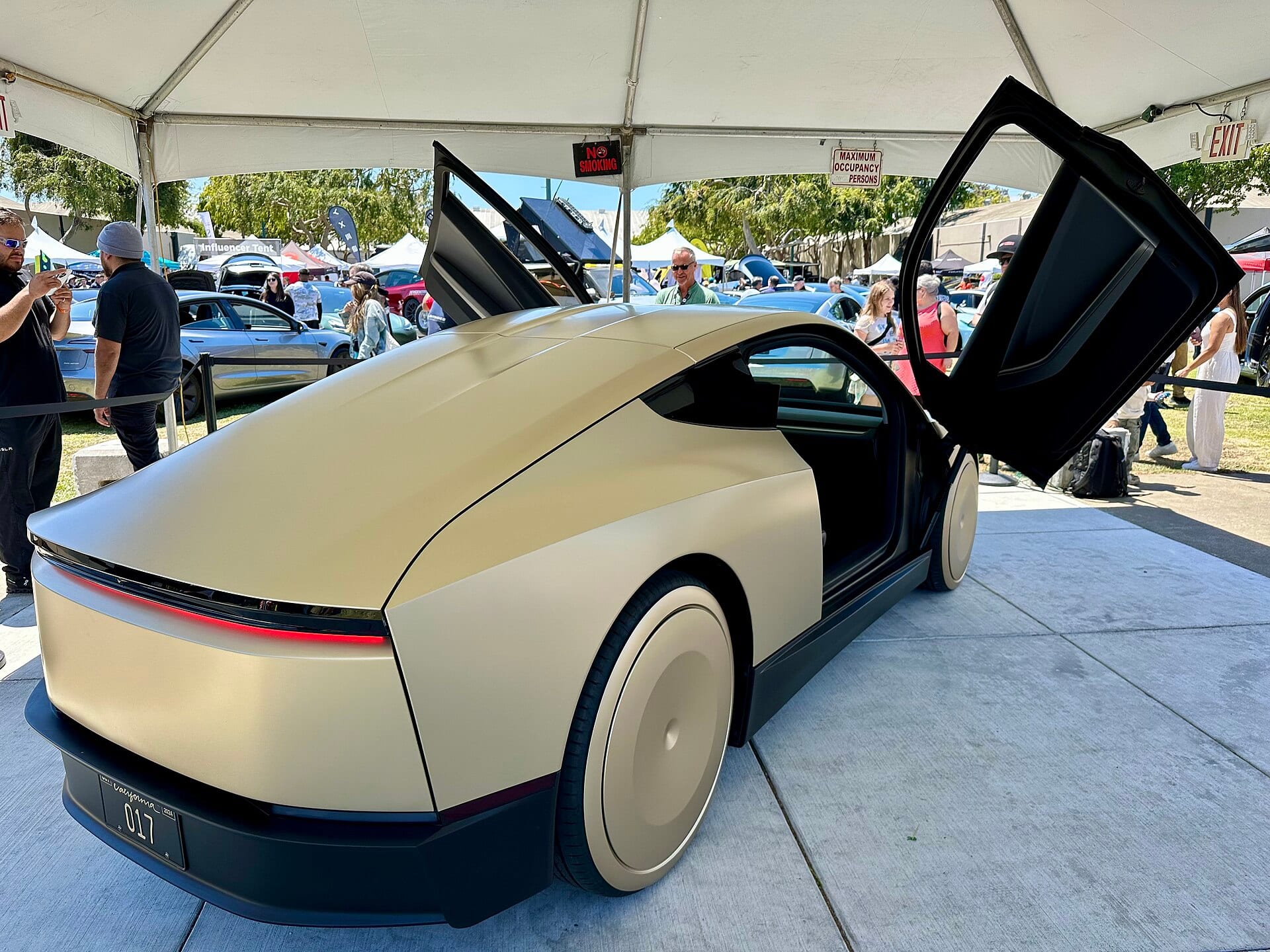
Uber−0.58% — Uber, down 0.58 percent today owns the app, the demand, and almost none of the driving. On October 25, Austin hosted the first measurable demand peak in autonomous rides, the Formula 1 United States Grand Prix weekend, and Tesla's+6.21% — Tesla, up 6.21 percent today own app took it: 1,250 Cybercab sightings in Austin on Saturday, a record, against 463 Cybercabs registered in Texas by Sunday 2.
Waymo, which sells Austin rides only through Uber, announced no race-day service and its Uber service area stops well short of the circuit 1. The toll booth Uber investors are paying for did not collect at the biggest toll day of the year.
The fleet Uber promised is mostly other people's promises
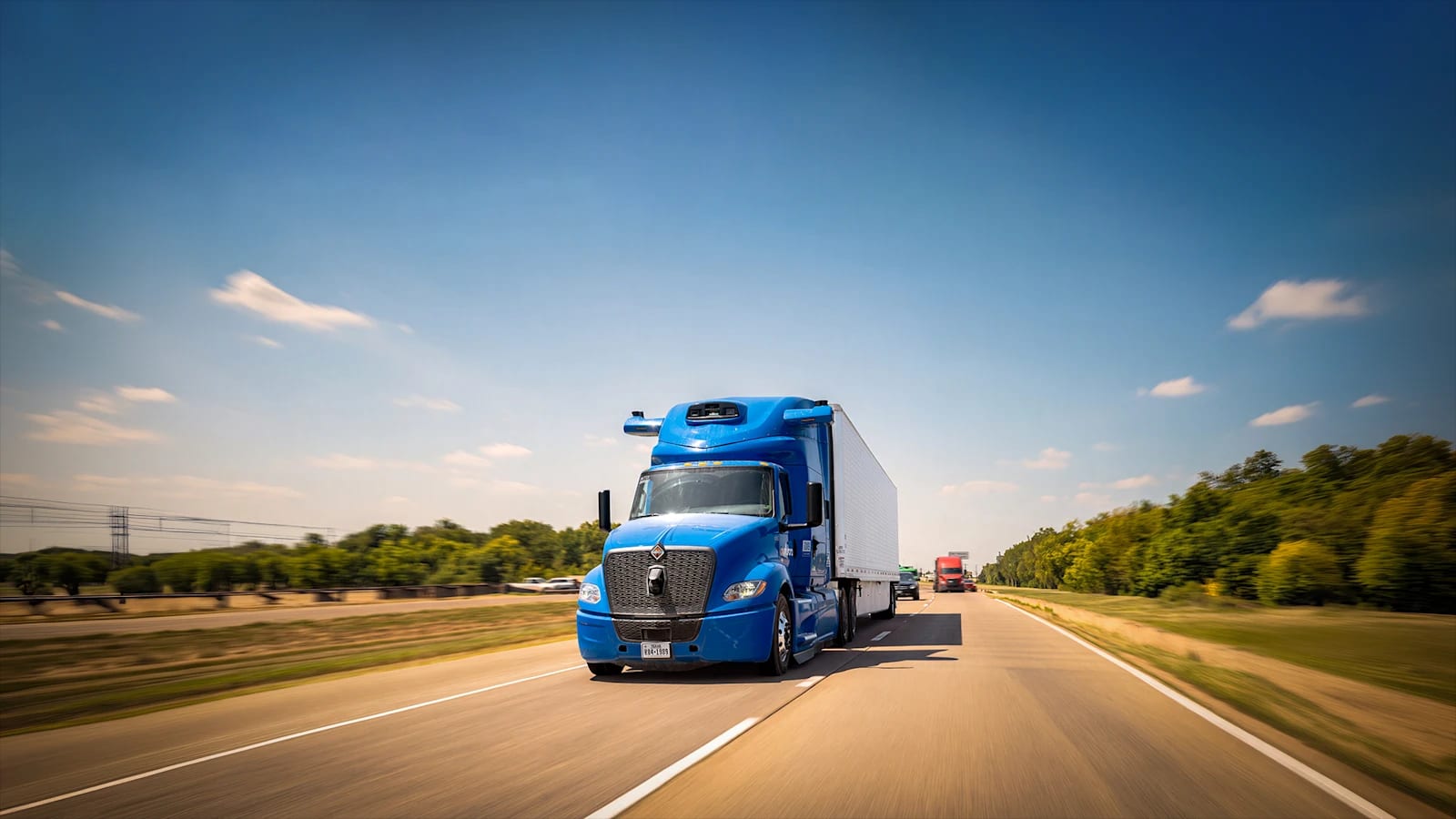
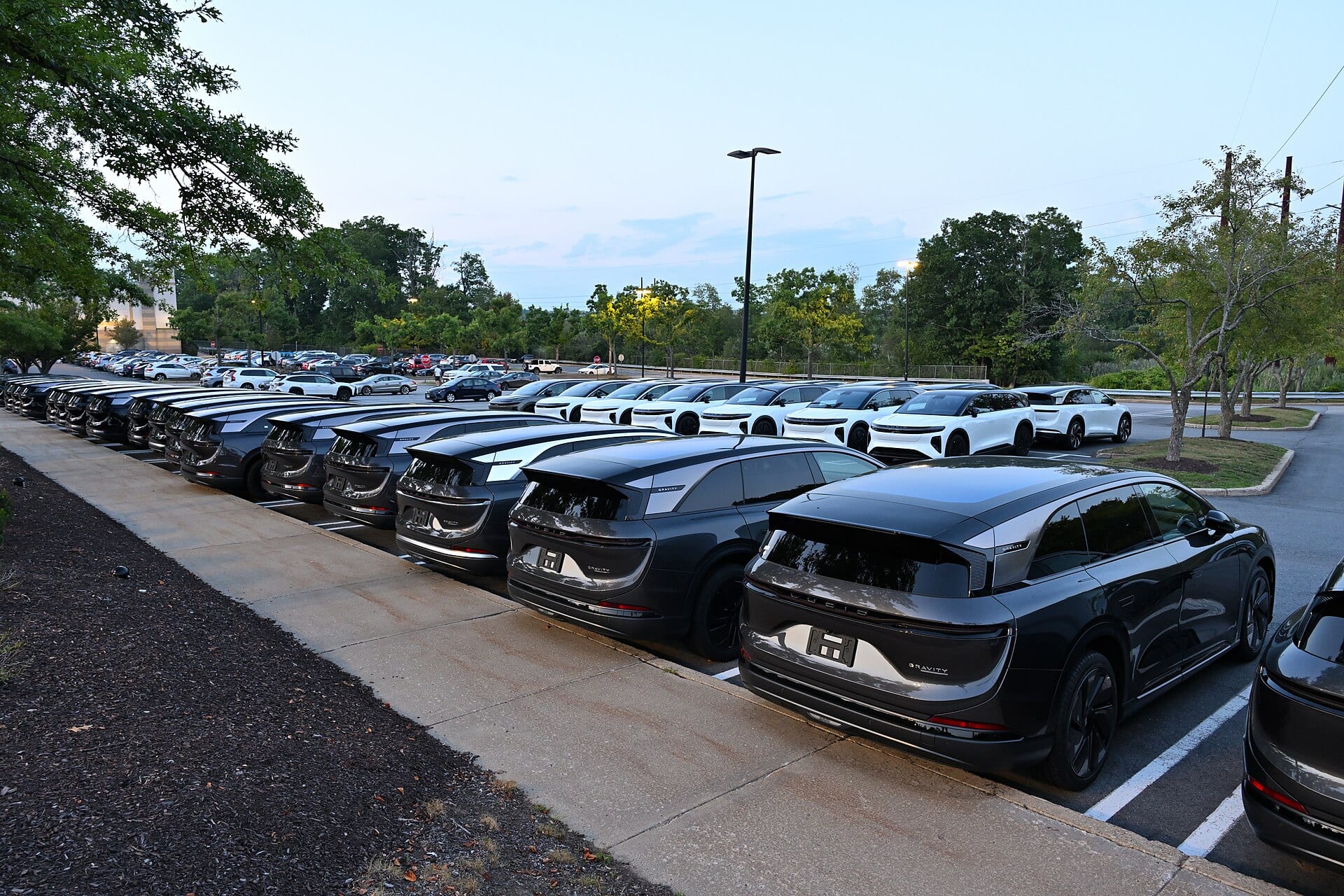
Uber's robotaxi program rests on at least 35,000 Lucid+0.99% — Lucid, up 0.99 percent today vehicles: Uber first committed $300 million and a 20,000 Gravity order in July 2025, then raised it in April to $500 million and 35,000, split between 10,000 Gravity SUVs and 25,000 vehicles on Lucid's unbuilt midsize platform 34. The driving software comes from Nuro, backed by Uber and Nvidia+2.27% — Nvidia, up 2.27 percent today itself 4. Uber has shipped 75 engineering vehicles and says commercial robotaxi operations begin in late 2026 4.
Add Bolt's~$2B — Bolt, private, latest valuation ~$2B European order and Lucid has at least 60,000 robotaxis committed 1. Against deliveries of 15,841 vehicles in all of 2025 and 10,852 in the first nine months of 2026, that is almost four years of Lucid's current output 1. Almost none of it is on the road.
Lucid's robotaxi commitments are nearly four years of its current output
Data
| Lucid vehicles | |
|---|---|
| FY2025 deliveries | 15,841 |
| 9M 2026 deliveries | 10,852 |
| Uber commitment | 35,000 |
| Bolt commitment | 25,000 |
But Nuro still needs a CPUC driverless ride-hailing permit and a DMV deployment permit before any public driverless ride 4, Uber employees have been the test riders in San Francisco since April 1, and the midsize platform's first vehicle slipped to 2027 1. Every number in Uber's fleet story is a commitment, not a car carrying riders.
The suppliers sell to Uber's rivals, in writing
In five days this month, that dependency sharpened. On October 21, Bolt said its 25,000-plus Lucid robotaxis in Europe will run Nvidia's Alpamayo Stack, the chipmaker's full self-driving software, starting with data collection in Madrid in 2027 1. On October 22, Rivian bought Third Dimension, a 15-person British simulation startup, to speed the autonomy work behind the robotaxi R2s it will put on Uber's app in 2028 5. Nuro can license to whoever pays. Nvidia now sells the driver, not just the chip 1.
Uber knows the risk and said it out loud. "We want to make sure that we're not dependent on one partner," CEO Dara Khosrowshahi told investors in August 6. The proof it is not paranoia: Waymo, Uber's largest Austin operator with more than 300 vehicles, plans to leave Uber's app in Austin when their partnership expires in 2028 and run its own 6. The partners Uber paid to build its fleet are free to build for whoever is next.
Who pays, who farms
Uber holds the demand and the margin pool; Lucid gets $750 million, Nuro gets rides to tune on, Nvidia gets a second fleet customer, and Rivian−1.44% — Rivian, down 1.44 percent today gets a guaranteed 2028 buyer 135. Uber holders carry the option.
If the suppliers' stacks mature, Uber wins a cut of a market it no longer builds. If they slip, or if the suppliers' best software goes to Bolt's Madrid or Tesla's own app first, Uber holds 35,000 IOUs on other people's deadlines. Last week showed which way the demand peaks break when a rival owns its stack end to end.
Watch three dates: Uber's promised public Bay Area launch before 2026 ends and Houston in mid-2027 1; the Madrid data-collection start in 2027 1; and Rivian's driverless-handling software release planned by the end of this year 5. Uber's robotaxi thesis is a bet that landlords stay loyal. The record so far says they invoice first.
Get Robotics & Defense by email, free
Robots, self-driving vehicles, drones and AI in defense. In our daily email, every weekday.