Uber policy chief Jill Hazelbaker leaves for OpenAI on November 30, ahead of its FTC pricing response
The same earnings-day 8-K carries record margins and the exit of Jill Hazelbaker, the executive who has run Uber's public defense since 2015, to OpenAI. Her November 30 departure lands weeks before Uber's answer is due in the FTC's surge-pricing inquiry.
 Vincent Jiang · 4 min read
The exit no wire carried
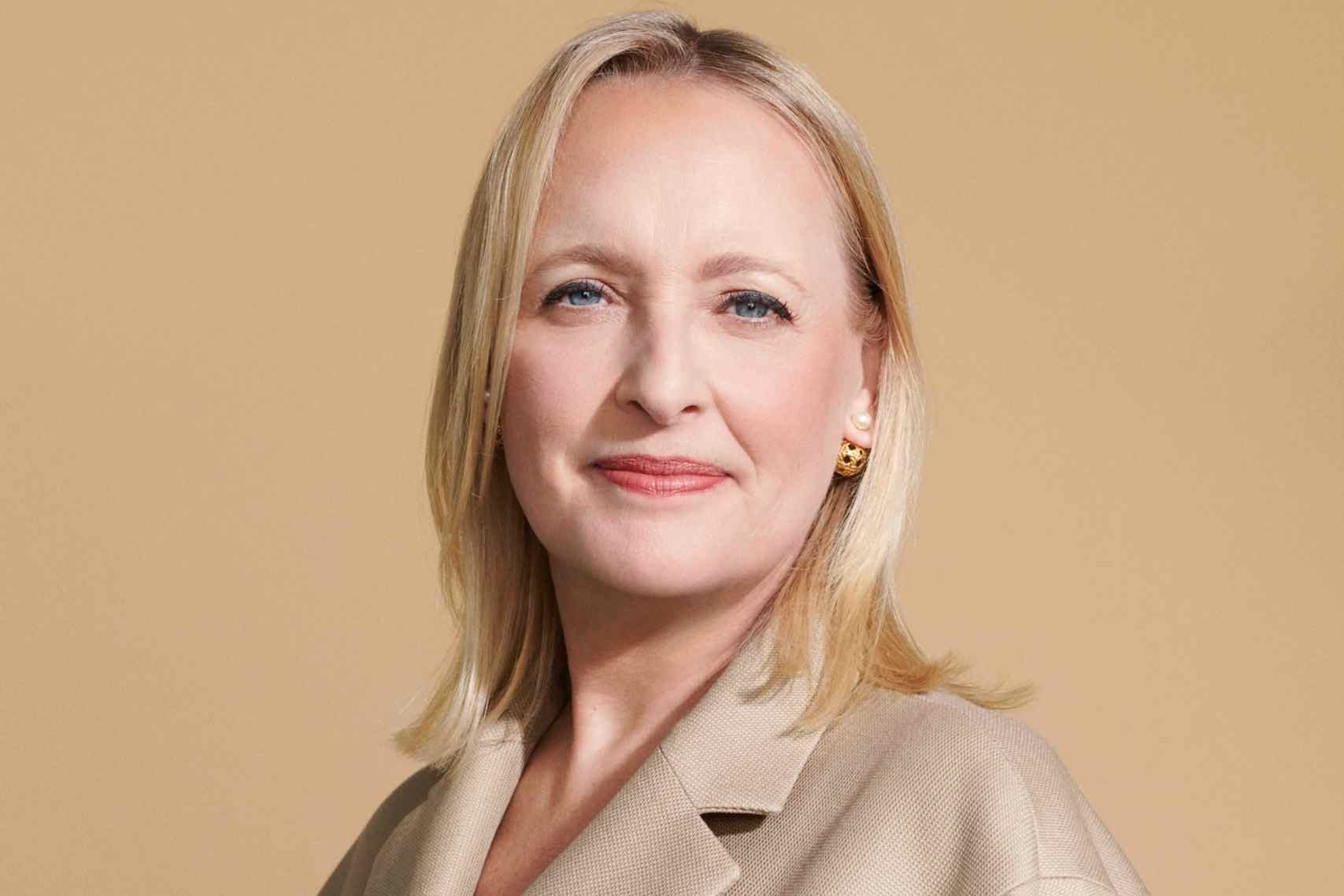
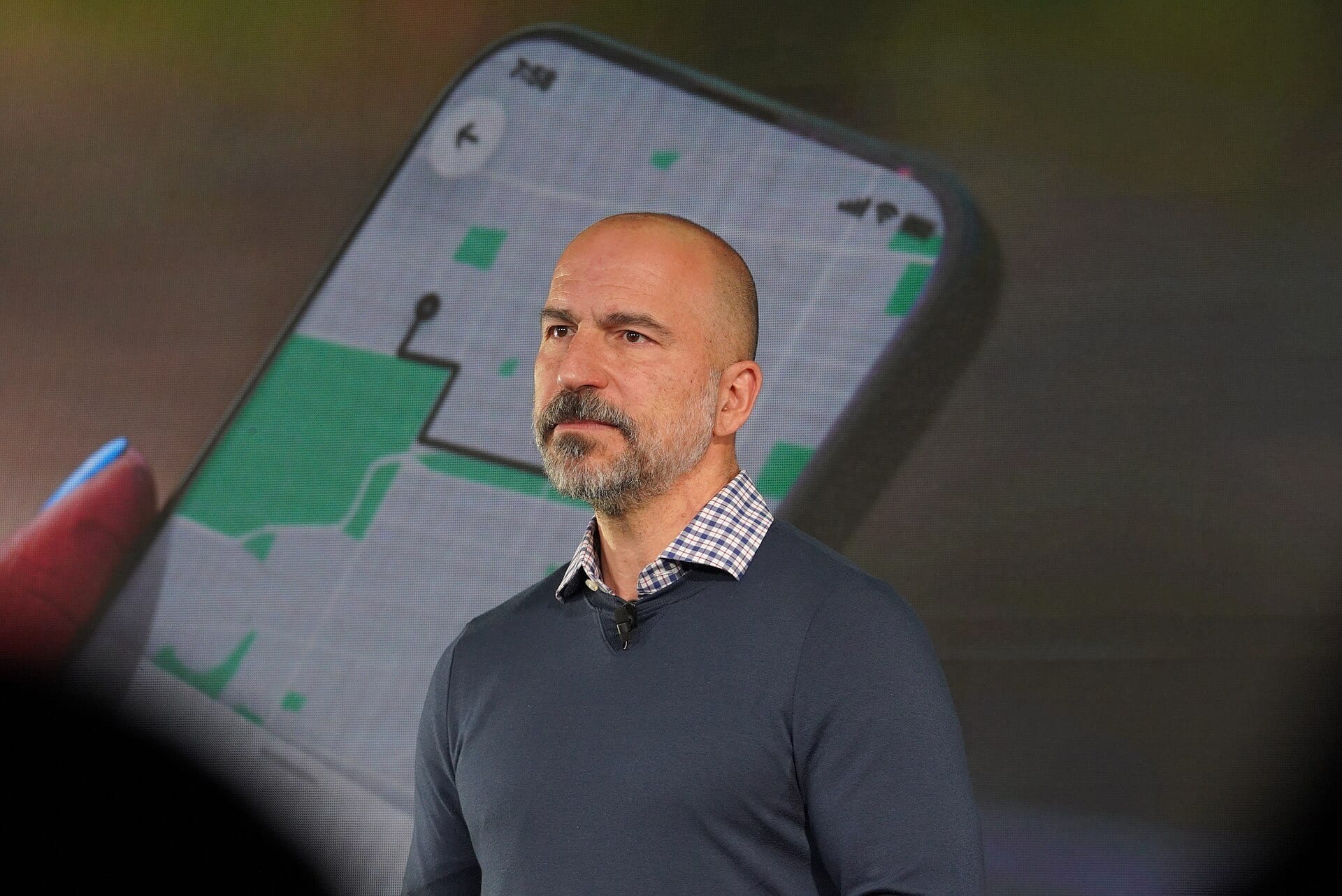
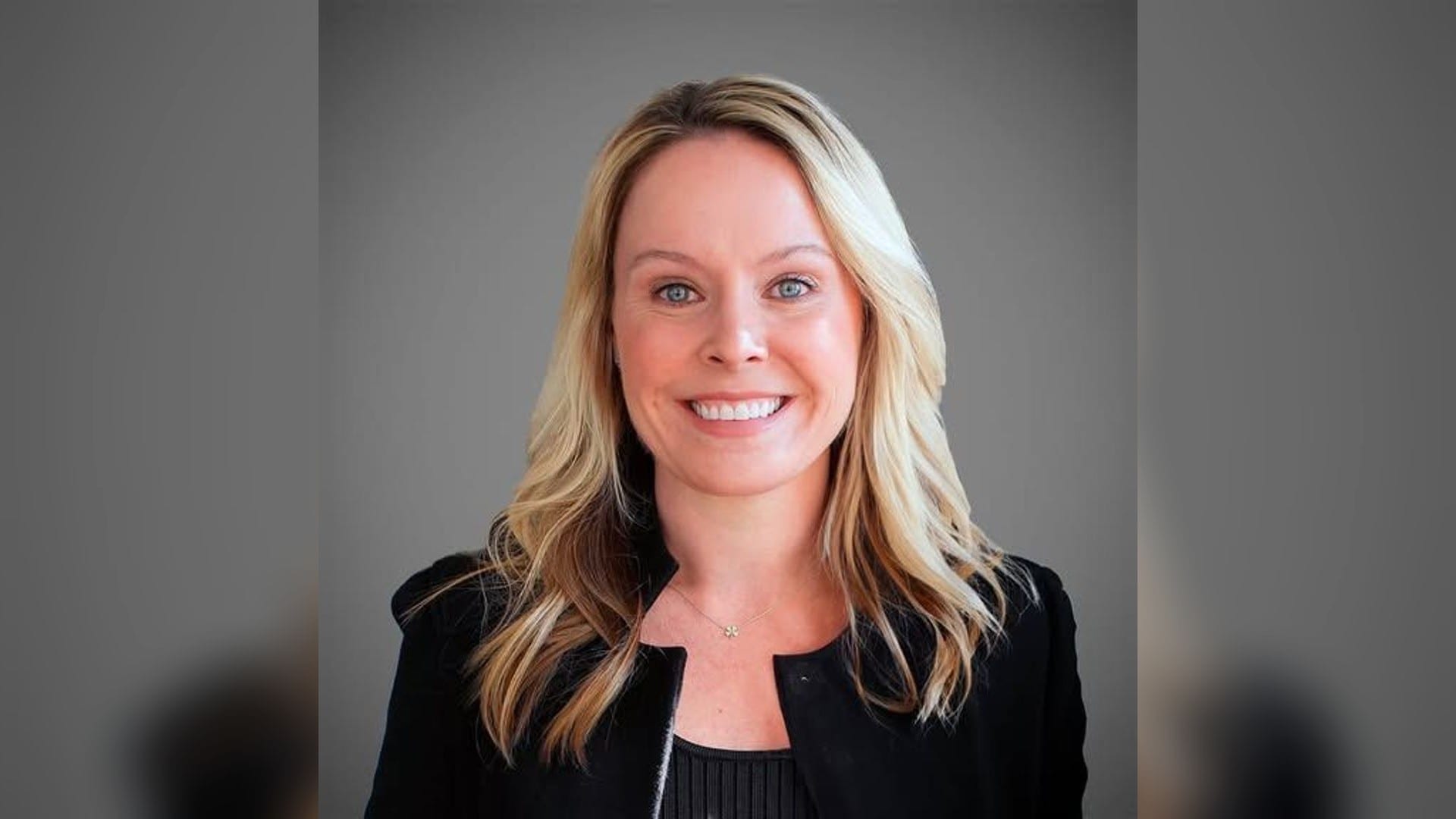
Uber's+5.29% — Uber, up 5.29 percent today third-quarter 8-K carries two disclosures 1. One is the quarter. The other, in Item 5.02, is that Jill Hazelbaker, the company's president and chief corporate affairs officer, steps down November 30 "for an external opportunity" 1. Dara Khosrowshahi, Uber's CEO, recalls her on his first calls after taking the top job, with "a strong point of view and a clear plan on what we needed to do to right the ship" 1.
The destination was public the day before: OpenAI$1.18T — OpenAI, private, latest valuation $1.18T named Hazelbaker its chief corporate affairs officer, running global communications and corporate positioning for the frontier AI lab 34.
She joined Uber in 2015, led policy and communications through the Kalanick era, and was promoted to president in May 2026 with human resources and real estate added to a remit that already spanned marketing, communications, policy and safety 34. Weeks after the promotion she cut 23% of the HR division's positions, part of a broader 10% workforce layoff 3. The quarter's wire coverage, an automated earnings snapshot and a pre-print analyst roundup, carries none of the exit 58.
The engine she leaves running
The quarter itself was the strongest print of the year. Gross bookings rose 20% year over year to $59.8 billion, the fifth consecutive quarter above 20%, on 4.1 billion trips and 215 million monthly active consumers 2. Revenue grew 10% to $14.77 billion, but business model changes cut reported revenue growth by 8 points, which is how Mobility revenue fell 2% while Mobility bookings rose 18% 2.
Revenue hit a record $14.77B in Q3 2026, but growth slowed to 10% from 20%
Data
| Revenue | |
|---|---|
| Q3 '24 | $11.19B |
| Q4 '24 | $11.96B |
| Q1 '25 | $11.53B |
| Q2 '25 | $12.65B |
| Q3 '25 | $13.47B |
| Q4 '25 | $14.37B |
| Q1 '26 | $13.2B |
| Q2 '26 | $14.19B |
| Q3 '26 | $14.77B |
The profit line is the record: adjusted EBITDA of $2.96 billion, 5.0% of gross bookings, and non-GAAP operating income of $2.3 billion, up 38%, at a record 3.9% of bookings 2. The non-GAAP print of $0.88 edged past FactSet's+2.89% — FactSet, up 2.89 percent today $0.86, and the stock nudged higher Wednesday after closing Tuesday at $66.60, still down about 18% in 2026 while the S&P 500 gained more than 10% 678.
Profit measures grew 1.5 to 2 times faster than bookings in Q3 2026
Adjusted EBITDA rose 31% and non-GAAP operating income 38% year over year
- Adjusted EBITDA
- Non-GAAP operating income
Data
| Adjusted EBITDA | Non-GAAP operating income | |
|---|---|---|
| Q3 '25 | $2.26B | $1.68B |
| Q3 '26 | $2.96B | $2.3B |
A regulator opens the hood
On October 28 the Federal Trade Commission issued orders under Section 6(b) of its statute to nine companies, Uber and Lyft+12.42% — Lyft, up 12.42 percent today among them, alongside DoorDash+8.33% — DoorDash, up 8.33 percent today, Instacart, Target, Walmart+3.50% — Walmart, up 3.50 percent today, Delta, United and JetBlue, demanding the inputs behind consumer prices and gig-worker pay 911. The orders reach pricing methodologies, job assignments, A/B tests and the personal-data inputs that feed them 11.
Chairman Andrew Ferguson put it as an equity question: consumers "deserve to know whether companies use their web surfing habits or other personal data to estimate the highest price they can charge each consumer" 10. Recipients have 45 days from receipt, which lands in December, and the FTC can go to federal court to compel compliance 1011; the study is information-gathering, not a finding of wrongdoing 911.
Uber's own quarter shows why the questions matter: the non-GAAP operating income excludes $484 million in legal, non-income tax and regulatory reserve charges and $186 million in restructuring, and the company defines the reserve line as matters tied to worker classification 2.
Two camps, one deadline
The first camp reads the exit as a routine lure: a veteran of Google and Snap taking a bigger seat, her portfolio grown so broad that Uber will have to split it anyway 43. Uber's bench has been churning regardless: Sarfraz Maredia, global head of autonomous mobility and delivery, leaves later this month after 12 years, and Susan Anderson, who ran delivery, left in June 3.
The second camp counts the calendar: Uber must explain its pricing and driver-pay methodology to Washington weeks after the executive who has run its public defense for a decade walks out 13.
No source connects the two events, and the FTC's order is a study, not a charge 9; the timing is the fact, not the motive.
What to watch: who files, and what it says
The quarter is not the risk. Uber guided Q4 to $63.25 billion to $65.25 billion in bookings and $0.95 to $0.99 in non-GAAP EPS 2, and put a tripling target on its robotaxi ramp, about 700 fully driverless vehicles by year-end and over 2,000 in 2027 1, a buildout whose driver-pay economics sit inside the FTC's questions 9.
Watch the December filing: what Uber hands over, how much it discloses, and who signs it. The answer to the regulator lands weeks after its chief messenger is gone.
Get Applications by email, free
How AI is changing the software people and companies use. In our daily email, every weekday.