Wall Street prices a gigawatt in orbit at $170 billion. Musk says way better by 2028
Starship reached orbit for the first time this morning. The fight it referees next is price: sell-side tags put a gigawatt of orbital AI compute at $165 to $170 billion, a retail counter-model says $68 billion falling to $43 billion, and Musk promises "way better than that by 2028."
 Vincent Jiang · 3 min read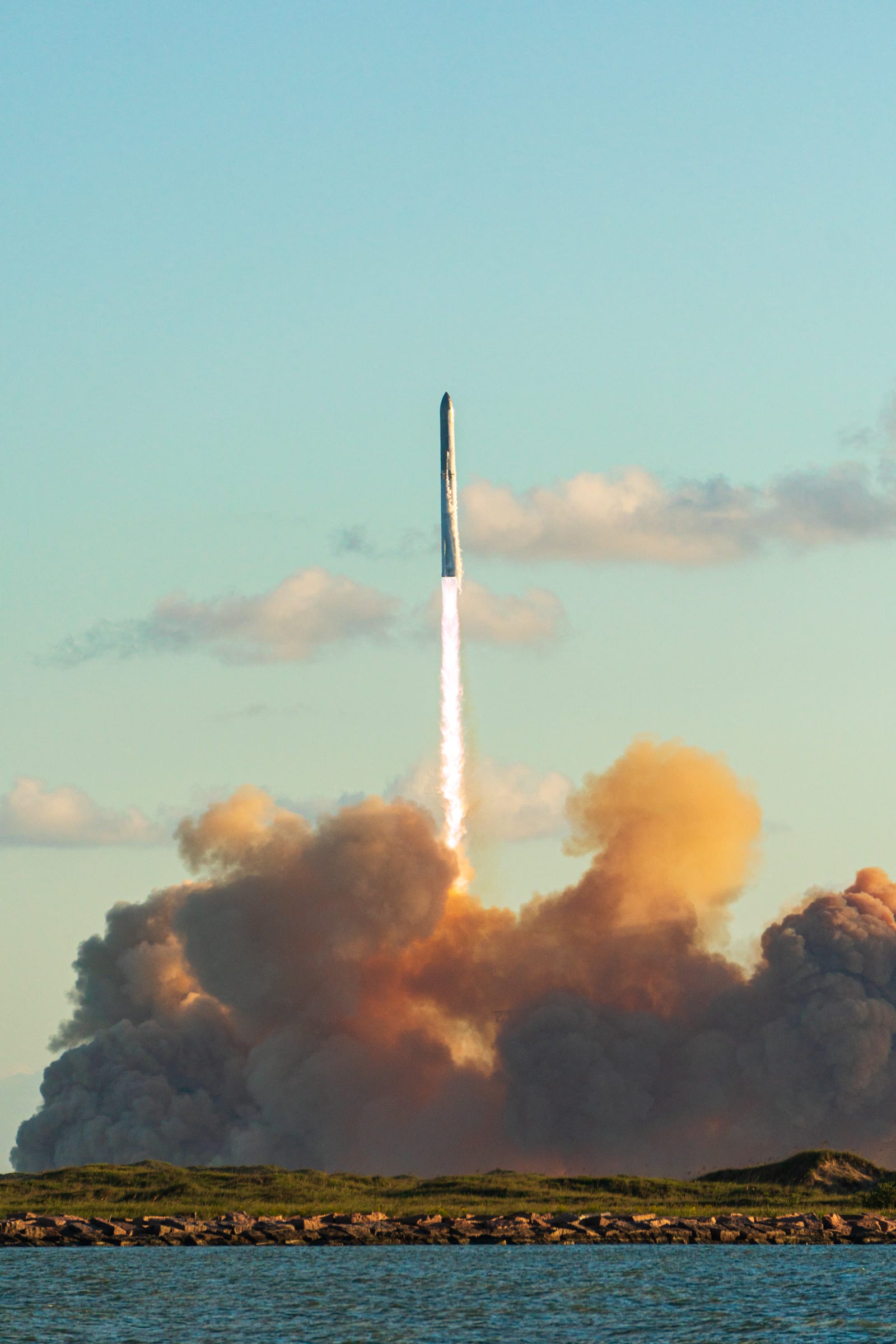
Musk's answer: way better than $170 billion by 2028
The same day Starship flew to orbit for the first time, Elon Musk picked a fight about a spreadsheet. A widely shared cost thread put Wall Street's price on a gigawatt of AI compute in orbit at $160 billion to $180 billion, attributing about $165 billion to Bank of America, $170 billion to Wood Mackenzie, and more than $100 billion for launch alone to BNP Paribas 1.
Musk replied to the thread with a one-line bid: "Will be way better than that by 2028" 1. He also answered a post calling the $180 billion versions "clueless spreadsheet crimes" 2.
Flight 14 reached orbit this morning
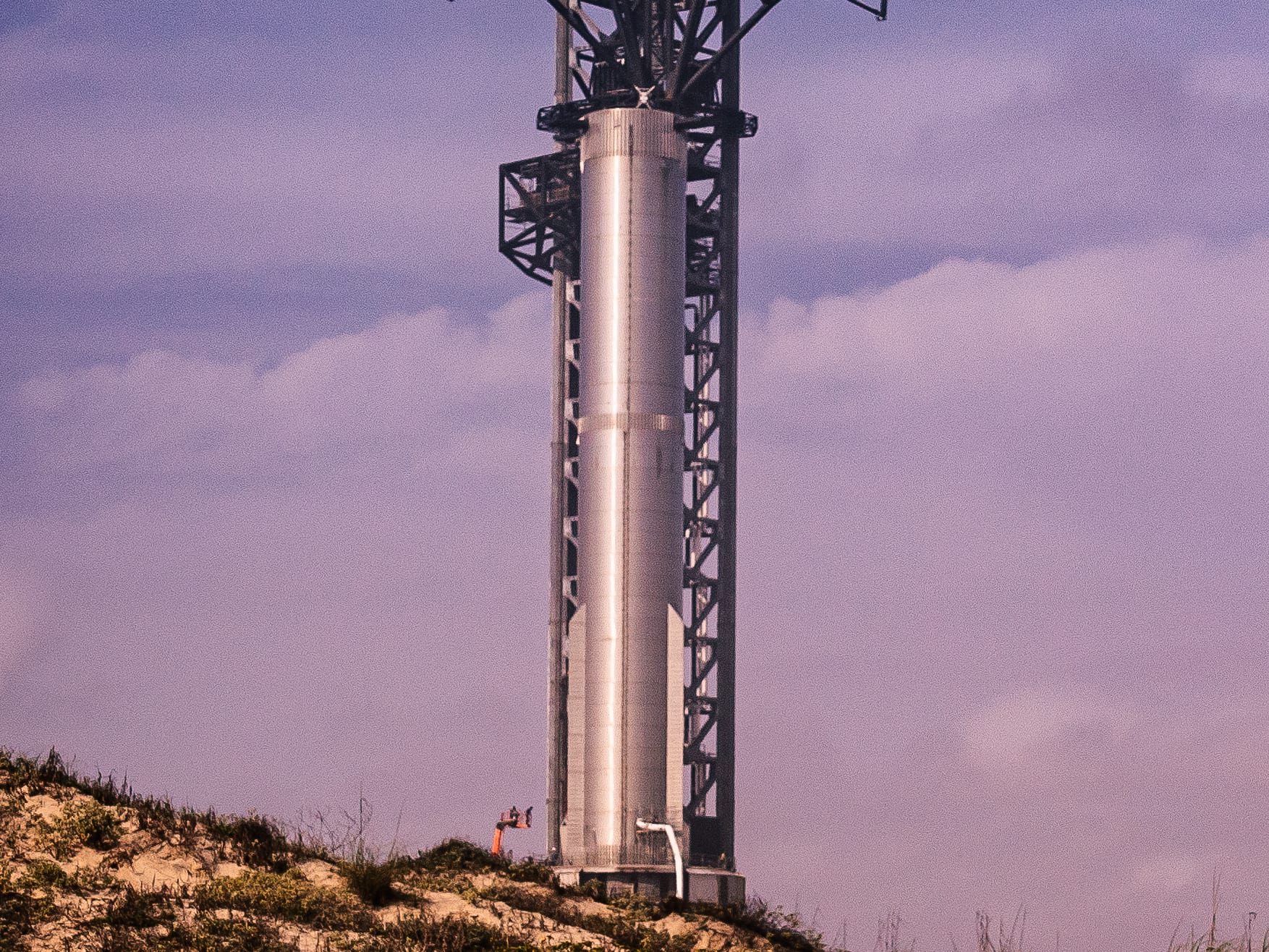
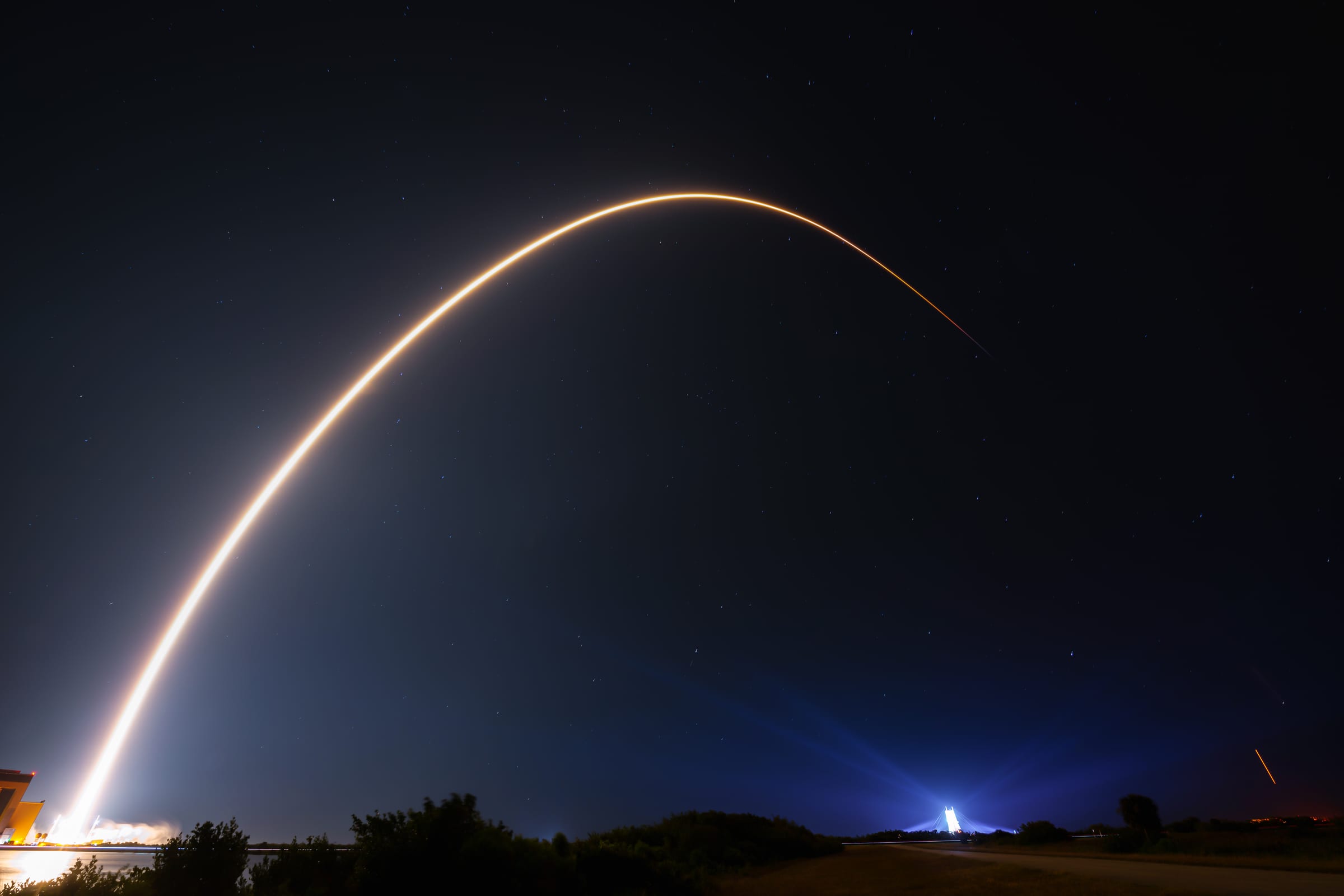
Flight 14 left Starbase in Texas at 8:50 a.m. EDT today and reached orbit about 170 miles up after one of its 33 Raptor engines failed during ascent and was ruled no threat. The plan runs six orbits, 26 Starlink V3 deployments and a Pacific splashdown inside 10 hours, the first orbital mission after 13 deliberate suborbital hops 3.
The counter-model says $68 billion, falling to $43 billion
The thread's own numbers price a gigawatt all-in at $68 billion, falling to $43 billion 1. NextBigFuture's Brian Wang argues the banks priced the wrong rocket entirely and puts the launch bill under $1 billion, since the Nvidia chips cost the same on either end of the trip 4. Neither camp has an audited figure, and nobody has run a commercial data center in orbit 5.
Two prices for a gigawatt in orbit: $170 billion versus $43 billion
- Estimate
Data
| Value | |
|---|---|
| Wood Mackenzie (estimate) | $170B |
| Bank of America (estimate) | $165B |
| Retail model, today (estimate) | $68B |
| Retail model, by 2028 (estimate) | $43B |
At $170 billion, orbital compute costs triple a ground build with chips
Morgan Stanley's illustrative ground facilities work out to $34.7 billion to $52.5 billion per gigawatt with the accelerators included 6. Against that base, the sell-side tag is more than triple the price of building on Earth.
Ground hosting on SpaceX's own deals rents for $31 billion to $48 billion per gigawatt a year, per SemiAnalysis 7. The $170 billion tag is therefore three and a half to five and a half years of revenue before a dollar of profit, on contracts buyers can exit with 90 days' notice 8.
The parties are easy to name. If the tags hold, the contract buyers facing that payback and the holders of $1.9 trillion in equity carry the gap; if $43 billion is right, the 33-gigawatt power queue becomes SpaceX's customer list 69.
The 33-gigawatt power queue is the demand case
Morgan Stanley counts a 33 GW US power shortfall through 2028, demand orbital compute could serve without queueing for a grid interconnect 6. SpaceX already runs 1.4 gigawatts of compute on the ground, pointed $15.8 billion of its $18.4 billion second-quarter capex at AI against $2.6 billion of segment revenue, and signed $14.1 billion of cloud contracts in the quarter 510.
SpaceX spent $15.8 billion on AI in Q2 against $2.6 billion of AI revenue
Data
| Value | |
|---|---|
| Total capex | $18.4B |
| Capex pointed at AI | $15.8B |
| AI segment revenue | $2.6B |
| Cloud contracts signed | $14.1B |
Each booster reflight reprices the gigawatt
Polymarket prices a 74 percent chance Starship is fully reusable before 2028 11, and every booster reflight after today is a data point on the cost line. Wall Street holds both ends of this trade: its cost models tag the product at $165 billion or more per gigawatt 1, while the banks that collected $500 million in IPO fees carry $800 and $900-plus targets on the stock 9. The rocket files the rebuttal.
How this brief was made
01Gathered & sourced276 channels · 1,155 articles▾
Agents swept 276 channels and ingested 1,155 articles, then de-duplicated and ranked them for signal.
02Verified & cross-validated11 claims · 27 data feeds▾
Every one of 11 load-bearing claims was checked against primary sources, with 27 live data feeds reconciling the figures and charts.
- 1X, Elon Musk replying to @JOBhakdi cost thread, 28 September 2026
- 2X, Elon Musk replying to @nextbigfuture, 28 September 2026
- 3Forbes, SpaceX's Starship Reaches Orbit For First Time In Historic Flight 14, 28 September 2026
- 4NextBigFuture, WRONG: $160 Billion Per GW for AI in Orbit. SpaceX Actual Plan is Less Than $1 Billion, 19 September 2026
- 5The Motley Fool, SpaceX Signed $14.1 Billion of Cloud Contracts in a Single Quarter. Its AI Segment Revenue Hit $2.56 Billion, 7 August 2026
- 6Yahoo Finance (Blockspace), Morgan Stanley raises US data-center power shortfall forecast to 33 GW, 21 September 2026
- 724/7 Wall St, SpaceX is Planning to Spend Up to $500 Billion on Data Centers, 16 August 2026
- 8Yahoo Finance (Insider Monkey), SpaceX Says a Mystery AI Customer Adds $1.11 Billion a Month, 13 September 2026
- 9MarketWatch via Morningstar, Wall Street banks keep astronomical price targets on SpaceX's stock, 31 August 2026
- 10Sharadar quarterly fundamentals, from SpaceX's SEC filings, retrieved 28 September 2026
- 11X, Polymarket: 74% chance Starship is fully reusable before 2028, 28 September 2026
03Reviewed & edited2 human editors▾
2 editors read the draft against the evidence, tuned the framing, and signed off before it shipped.
Become a contributor
Reporting on the business of AI and want it read? We take pitches from outside contributors who bring primary sources and a number worth arguing about.
Deepdive
AI-generated from this story and its cited sources. Not investment advice.