Xcel's 780-megawatt Google deal pays even if the AI boom cools; both bets wait on one Minnesota ruling
Xcel Energy has put two bargains before one Minnesota regulator: Google's 780-megawatt data center deal and a rate freeze funded by pulled-forward tax credits. The commission answers the freeze by January; earnings land October 29.
 Vincent Jiang · 3 min read
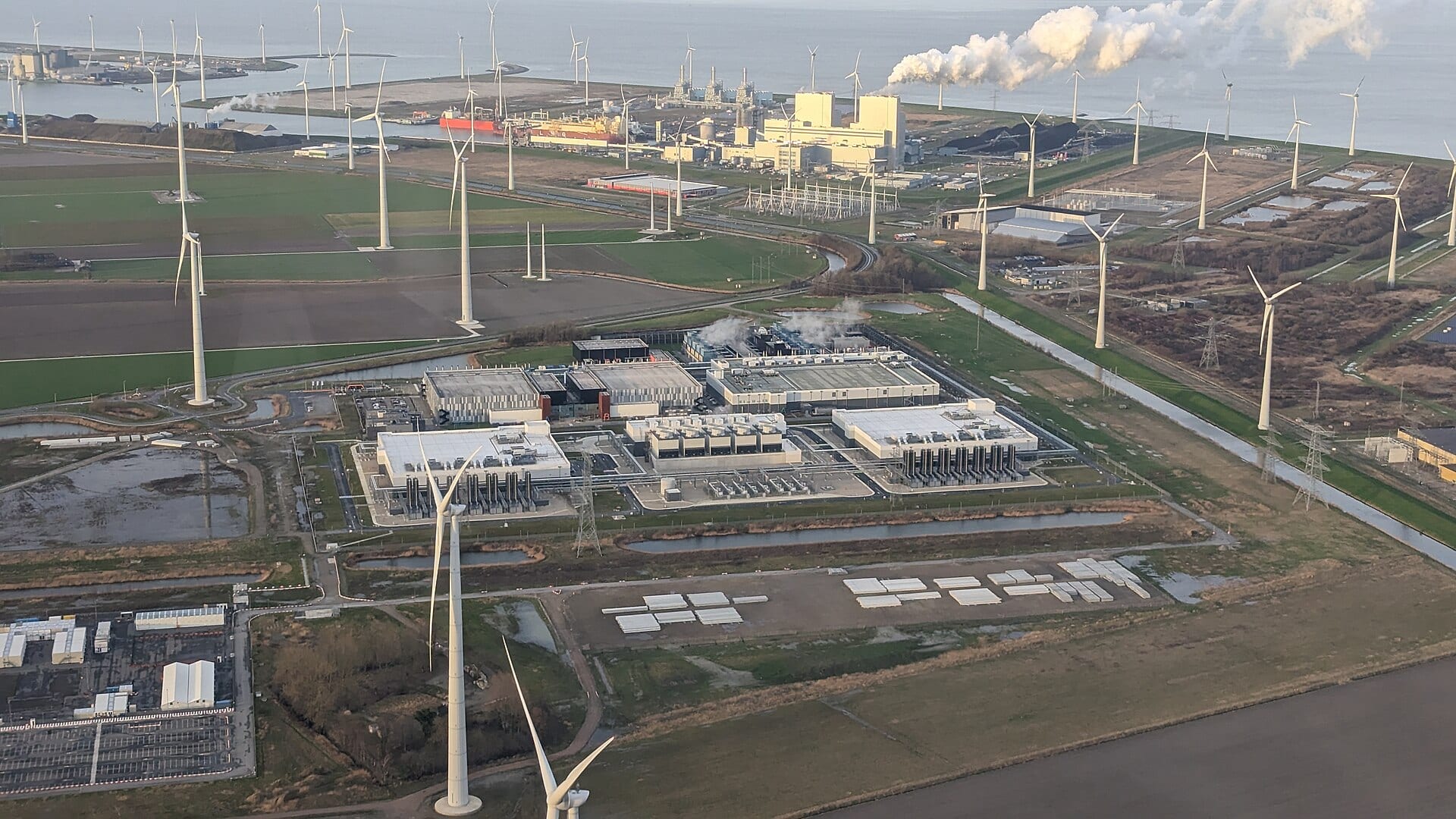
Two bets on the AI power boom now sit in one inbox: the Minnesota Public Utilities Commission's. Xcel Energy−1.88% — Xcel Energy, down 1.88 percent today, the Minneapolis utility operating across eight Western and Midwestern states, needs the commission to approve a 780-megawatt Google data center in Pine Island, a town of about 4,000 an hour southeast of Minneapolis 1. The same regulator must also rule on Xcel's plan to freeze Minnesota base rates through 2028, with an answer requested by January 2. Both rest on one premise, that data centers will drive most North American demand growth this decade, as the reliability regulator NERC projects 1.
Google pays even if the boom cools
Google would finance 1,900 megawatts of new supply for the campus: 1,400 MW of wind, 200 MW of solar and 300 MW of batteries, more than the data center draws, because wind and sun idle 1. The terms are built for a bust. Google+1.56% — Google, up 1.56 percent today pays at least 75 percent of contracted capacity even if it uses less, and owes up to eight years of minimum demand charges on an early exit 1. "Nobody wants to have a big buildout and then have nowhere for that power to go and nobody to pay for that power," said Amanda Rome, Xcel's chief customer officer 1.
Google would finance more supply than its data center can draw
Data
| Value | |
|---|---|
| Wind | 1,400 MW |
| Data center demand | 780 MW |
| Battery storage | 300 MW |
| Solar | 200 MW |
A freeze built on pulled-forward tax credits
The second ask arrived on October 9: Northern States Power, Xcel's Minnesota utility, offered a two-year base-rate freeze in place of the rate case it had prepared, funded by accelerating federal investment tax credits from five battery projects 24. Xcel still plans to spend $4.5 billion in Minnesota over two years, led by $1.4 billion for distribution wires and $500 million for its nuclear plants 3. The cushion is one-time, since credits recognized now will not be there in 2029 4. Ratepayers are sore already: a 5.8 percent increase approved in June 2026 drew thousands of opposing comments and a statewide affordability investigation 5.
Xcel's quarterly capital spending has risen from about $1.6B to $3B
Data
| Capital expenditure | |
|---|---|
| Q3 '23 | $1.64B |
| Q4 '23 | $1.61B |
| Q1 '24 | $1.54B |
| Q2 '24 | $1.83B |
| Q3 '24 | $1.78B |
| Q4 '24 | $2.22B |
| Q1 '25 | $1.99B |
| Q2 '25 | $2.43B |
| Q3 '25 | $3.06B |
| Q4 '25 | $3.44B |
| Q1 '26 | $3.02B |
| Q2 '26 | $2.95B |
The attorney general sees ratepayers holding the risk
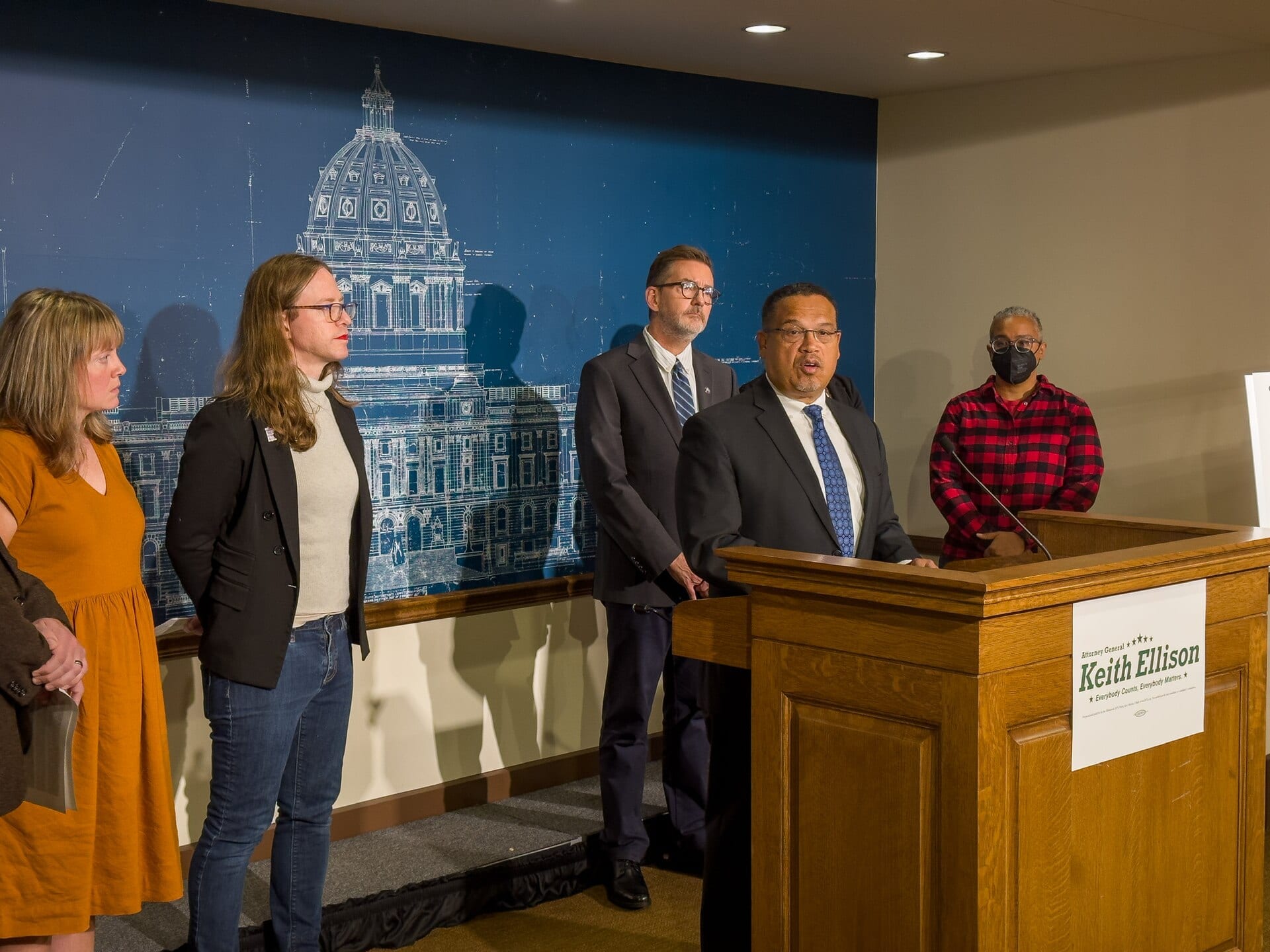
Keith Ellison, Minnesota's attorney general, told the commission on October 1 that the Google deal could leave other customers paying millions, possibly more than $1 billion, after its 15-year term ends or on an early exit, and noted Xcel redacted most dollar amounts 6. Xcel's own June projection claims the reverse, savings of up to $1.5 billion for other customers over 15 years 7. Watchdogs add a structural critique: utilities earn roughly 10 percent on new construction, so cheaper hyperscaler capital threatens the model, and smaller data centers sited on spare grid capacity would cut everyone's rates 1.
The commission can still rewrite both
The commission may approve, modify or reject each piece, and a judge is separately weighing a demand for a fuller environmental review 6. Xcel reports third-quarter results on October 29, where analysts will press on Minnesota earned returns 4. The demand charges put Google's money behind the buildout; the fallback rate case puts Xcel's returns behind the freeze. Google has signed its guarantees. The state has not.
Deepdive
AI-generated from this story and its cited sources. Not investment advice.