Google's Minnesota data center: Xcel counts $1.1 billion in savings, the watchdog counts $1 billion in costs
Minnesota's ratepayer advocate puts the Xcel-Google power deal for the Pine Island campus at about $1 billion in net costs to other customers, the reverse of Xcel's $1.1 billion savings claim. The same commission that just raised Xcel's allowed profit return over that advocate's objection now decides the deal.
 Vincent Jiang · 3 min read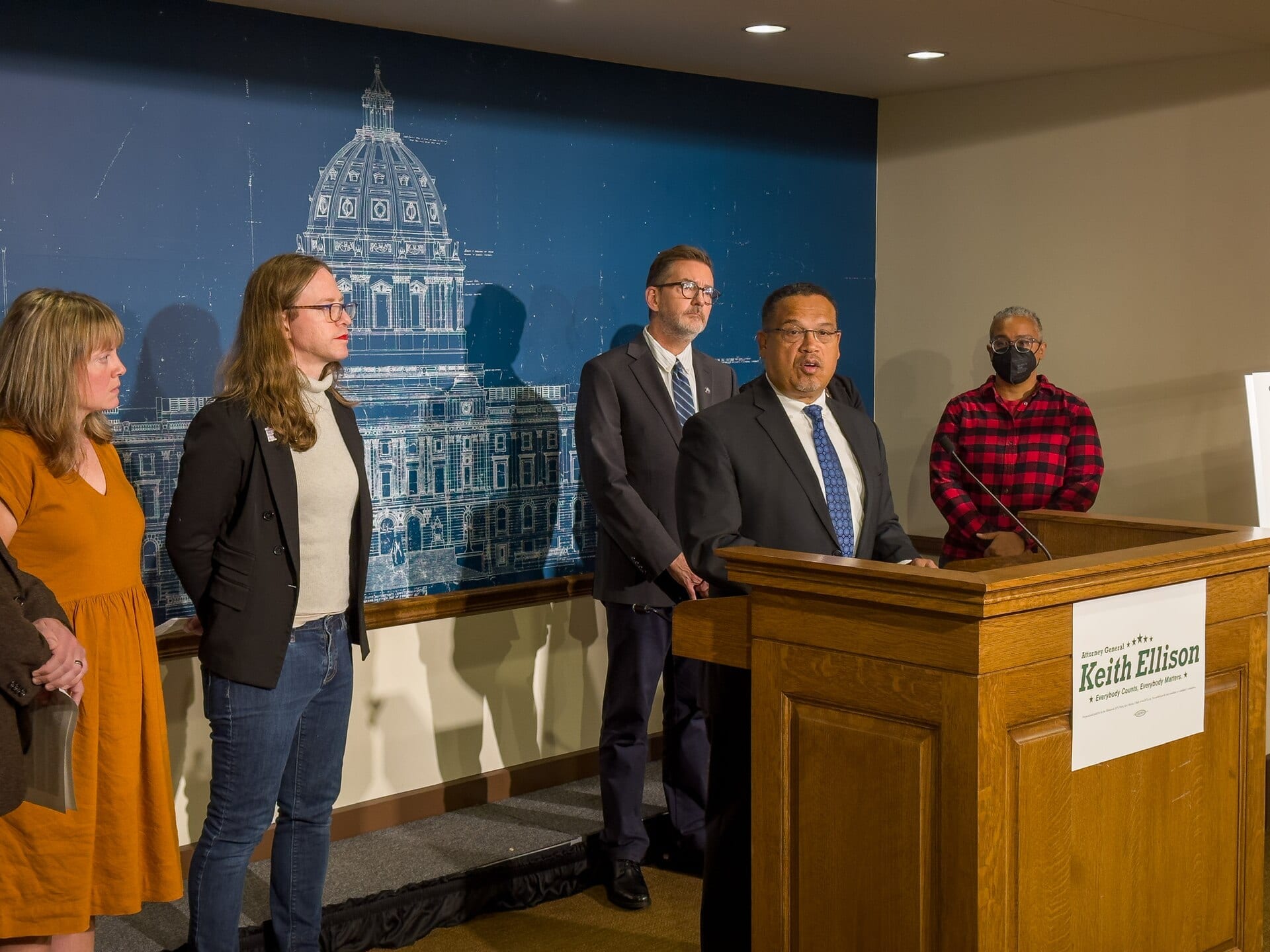
The charge: a $2.1 billion swing
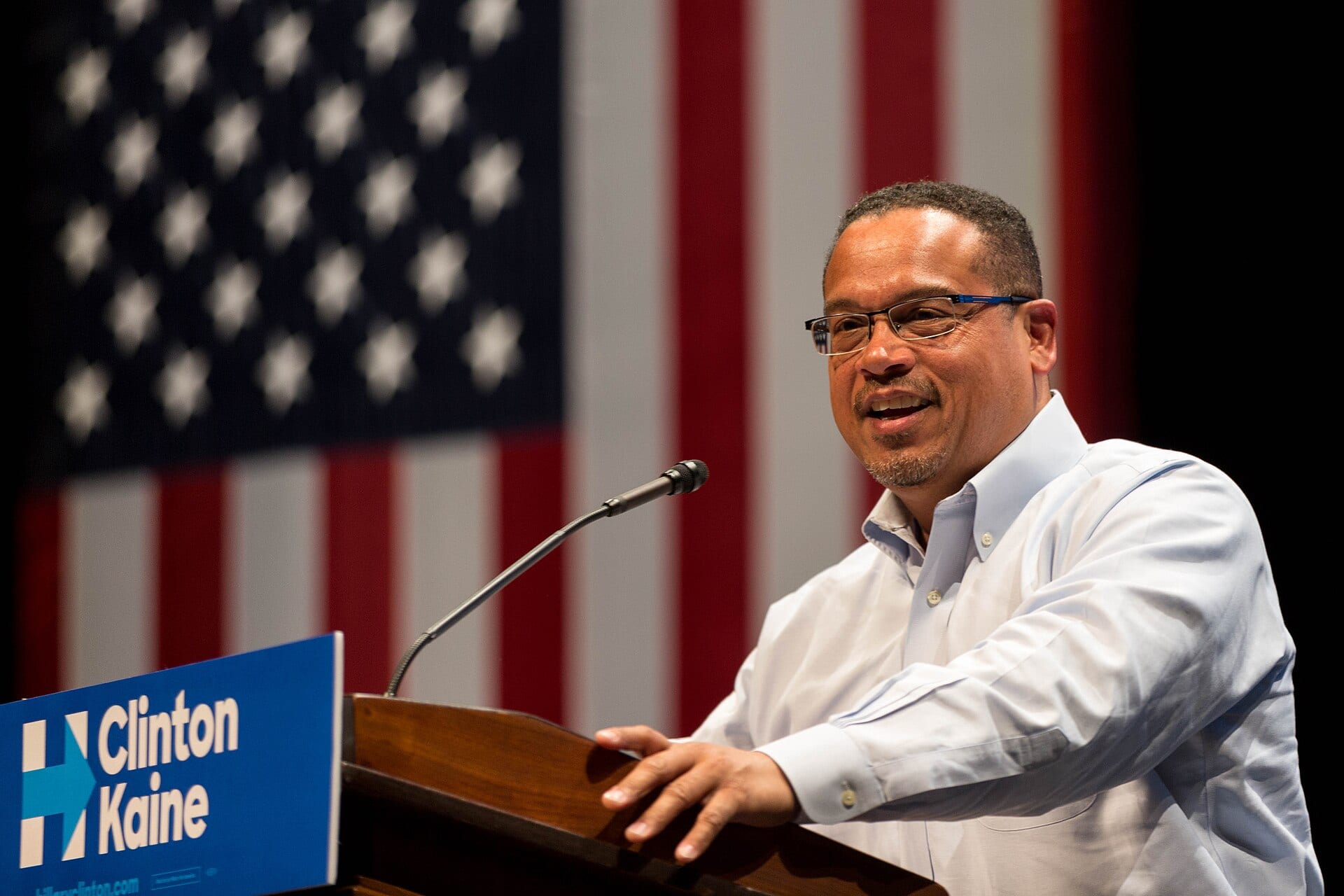
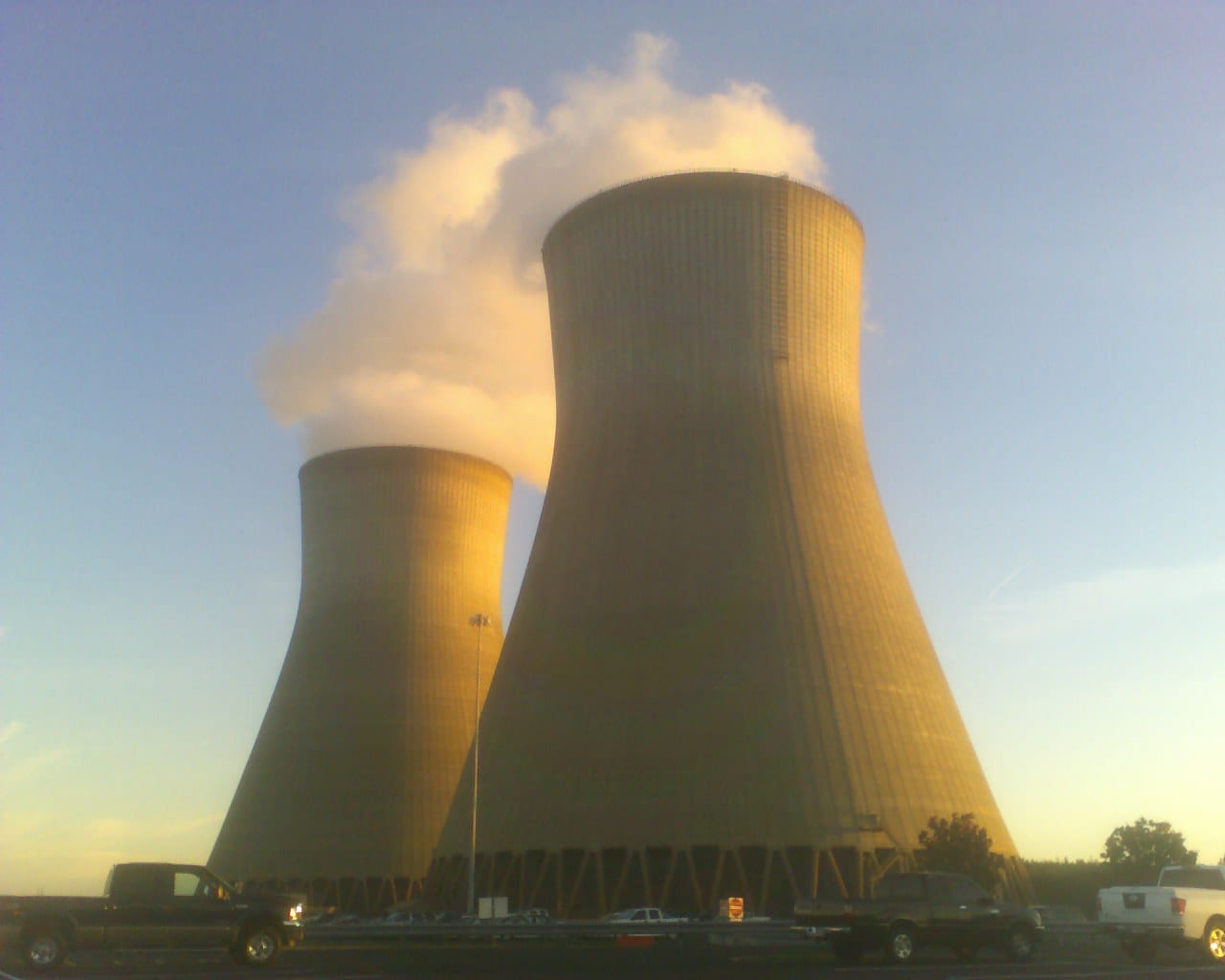
The Residential Utilities Division of Minnesota Attorney General Keith Ellison filed initial comments at the state Public Utilities Commission on 28 September on the electric service agreement Xcel Energy struck with Google for its Pine Island data center, the 482-acre Project Skyway 123. The division's statutory job is representing households and small businesses, and its filing says Xcel has not shown that Google pays every cost attributable to the campus over the 15-year term, nor that other customers are shielded from stranded plants if Google cuts demand or leaves 1.
Xcel's promise, the watchdog's arithmetic
Xcel's claim: more than $1.1 billion in net benefits to other ratepayers 16. The attorney general's arithmetic: closer to $1 billion in net costs, plus potentially billions in stranded resource costs once the term ends, and worse if Google terminates early 124. Between the utility's promise and its statutory watchdog's math sits a $2.1 billion swing, and nearly every dollar figure that would settle it is blacked out 16.
Three counts of the same 15-year deal: from $1.5B saved to $1B in costs
- Net 15-year impact on other customers
- Estimate
Data
| Net 15-year impact on other customers | |
|---|---|
| 24/7 Wall St (June 2026) (estimate) | $1.5B |
| Xcel Energy (Oct 2026) (estimate) | $1.1B |
| Minnesota AG (Oct 2026) (estimate) | -$1B |
The math under the black ink
The commission ordered the agreement and its cost data filed publicly "to the greatest extent possible," with each redaction justified, and the attorney general says Xcel blacked out almost all the ratepayer-impact dollars and left some trade-secret designations unexplained 12. "If we can't actually see the numbers, there's no benchmark," as Pine Island resident Aubree Derksen put it 6. Google, in docket comments, stands by roughly $1.1 billion in net benefits over 15 years 6.
Xcel's exhibit: Google pays its own way
Xcel calls the comments "inconsistent with the facts in the docket." Its case: Google has agreed to fund 1,900 megawatts of new wind, solar and battery storage at no cost to existing customers, and pays its share of the existing grid 56. Developer Ryan Companies says the agreement "fully complies" with Minnesota's 2025 large-customer law 5. Construction is paused under a Goodhue County restraining order, and the challenge to the project's environmental review is heard on 16 November 35.
The bench that just raised the return
The same commissioners ruled days earlier on Xcel's profit rate, unanimously refusing to reconsider an allowed-return increase from 9.25% to 9.6%, with vice-chair Joseph K. Sullivan calling the watchdogs' petition "cynical" 7. Xcel's answer to the affordability outcry is a proposed two-year freeze on Minnesota electric base rates that defers its next rate case 7. The build those returns finance already outruns the cash it generates: capex has exceeded operating cash flow in every quarter since Q3 2024 8.
Capex has outrun operating cash flow for eight straight quarters
- Operating cash flow
- Capex
Data
| Operating cash flow | Capex | |
|---|---|---|
| Q3 '24 | $1.74B | $1.78B |
| Q4 '24 | $0.66B | $2.22B |
| Q1 '25 | $1.03B | $1.99B |
| Q2 '25 | $1.08B | $2.43B |
| Q3 '25 | $1.77B | $3.06B |
| Q4 '25 | $0.21B | $3.44B |
| Q1 '26 | $1.7B | $3.02B |
| Q2 '26 | $1.1B | $2.95B |
What the PUC does with the black ink decides Xcel's template
The agreement reached the commission in April 2026 3, inside a five-year capital plan Xcel raised by 33% to $60 billion, with Pine Island's 750 megawatts as anchor tenant 9. Approve the ESA as written and Xcel's regulated-yield story keeps its data-center growth priced on cost-allocation discipline its own state advocate says the filing does not demonstrate 1; force a rewrite, and every hyperscaler deal behind it, across Xcel's eight states, inherits a stricter standard 9. The unredacted numbers decide who pays for Minnesota's AI power bill.
Deepdive
AI-generated from this story and its cited sources. Not investment advice.